Why My Eight Hours of Sleep Left Me Feeling Like a Zombie
You know that feeling when your alarm goes off, and you stare at the ceiling wondering if you even slept at all? Yeah, I was stuck in that exact cycle for years. I was clocking in a solid eight hours under the covers, yet I dragged myself through the day like a walking zombie. I thought I was doing everything right, but it turns out I was missing the entire point of how rest actually works. Let me show you the small tweaks that finally gave me my brain back.
I would reach for my third cup of coffee by noon just to stay awake. My work started to suffer because I could not focus for more than ten minutes. I was constantly snappy with my family and friends for no real reason.
I knew something was fundamentally broken with my rest, but I couldn't figure out what. I was doing everything "right" by the book, yet my energy was non-existent. My daily life felt like a struggle against a constant wave of exhaustion.
Many people face this exact same struggle every day of their lives. You go through the motions, but you never feel truly alive or sharp. It ruins your mood and kills your productivity before the day even begins.
Quick Takeaways for Better Energy:
- Temperature matters: A slightly cool room tells your body it is safe to shut down completely.
- Sun exposure is magic: Ten minutes of morning sunlight sets your internal clock for the entire day.
- Caffeine sticks around: Stop drinking coffee at least 10 hours before bed to protect your deep sleep.
- Consistency beats catching up: Waking up at the same time every day prevents weekend "social jetlag."
The Secret Engine of Your Nightly Recovery
To understand why you are tired, we have to look at what happens in the basement of your sleep. Sleep is not just one long block of time where your brain turns off. It is a complex series of stages that your body moves through.
The most important stage for your energy is what scientists call "Slow Wave Sleep." This is the deep sleep phase where the real magic happens for your physical body. During this time, your muscles repair themselves and your growth hormones are released.
If you miss out on this stage, it does not matter how long you stay in bed. Your body will still feel like it ran a marathon the night before. You need this deep rest to rebuild the energy stores you used up during the day.
Your Brain Has a Secret Dishwasher
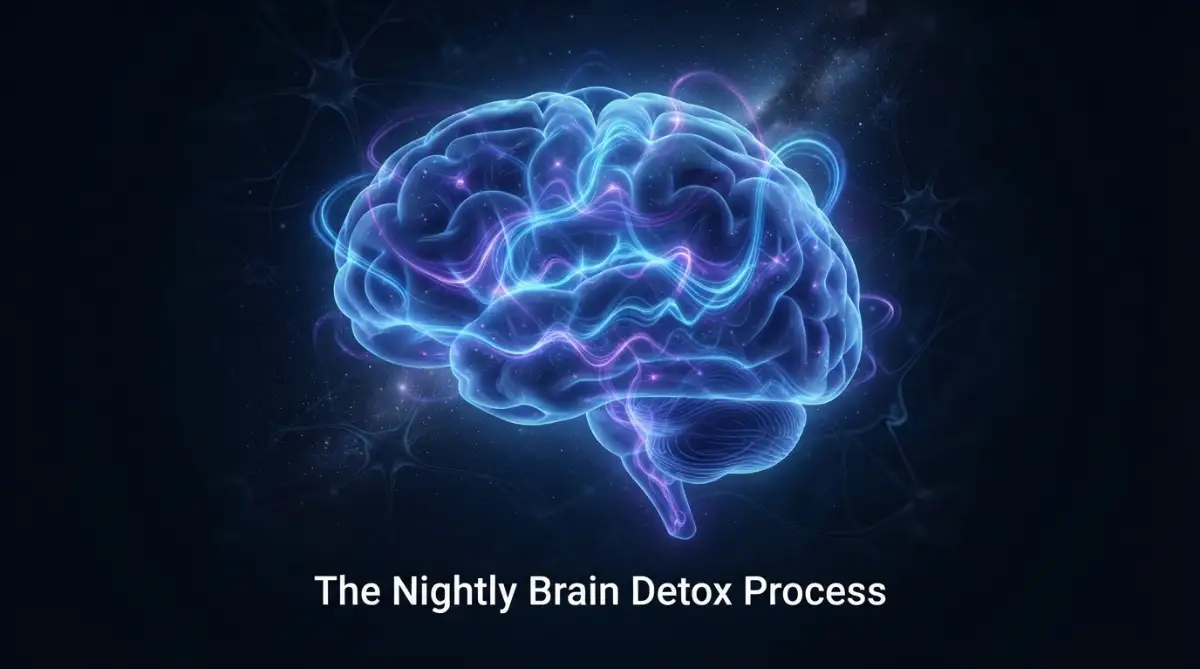
One of the coolest things I learned is that your brain actually washes itself at night. There is a system called the glymphatic system that becomes very active during deep sleep. It acts like a nightly cleaning crew for your head.
As you sleep deeply, fluid flows through your brain to wash away waste products. These are toxins that build up while you are awake and thinking. If you don't get enough deep sleep, these toxins stay stuck in your brain.
This is exactly why you feel that "brain fog" the next morning. It is literally a buildup of waste that didn't get cleaned out. Imagine never taking the trash out of your kitchen; eventually, it’s going to smell and get messy.
The Role of Your Biological Internal Clock
We all have an internal clock called the Circadian Rhythm. This clock tells your body when it is time to be alert and when it is time to shut down. When this clock is out of sync, your deep sleep suffers greatly.
Modern life is a nightmare for this internal clock. We use bright lights at night and stay indoors during the sunny parts of the day. This confuses your brain and makes it hard to enter the deep stages of rest.
Your brain needs a clear signal that the day is over. Without that signal, it stays in a light, low-quality sleep mode. You might be "asleep," but your brain is still standing guard, waiting for the day to start.
Myth vs Fact: The "Night Owl" Excuse
Myth: Some people just do not need a strict sleep schedule because they are natural night owls.
Fact: While genetic sleep types do exist, ignoring your natural light and dark signals still ruins your deep sleep cycles. I learned the hard way that staying up late looking at screens is not a personality trait; it is a habit that completely confuses your brain.
Why Temperature is the Master Key to Rest
I found out that my bedroom was way too warm for good sleep. Your core body temperature needs to drop by a few degrees to trigger deep sleep. If you are too hot, your brain will keep you in the lighter stages.
This is a survival trick from our ancestors who slept in cool caves or outdoors. A cool room tells your nervous system that it is safe to power down completely. I started keeping my room much cooler, and the change was almost instant.

The Pro Tip:
I used to think a hot shower right before bed would keep me too warm to sleep. I was wrong. A warm bath actually helps your body heat escape through your skin, which lowers your core temperature and helps you fall into deep sleep much faster.
The Impact of Natural Light on Your Energy
Your eyes have special cells that talk directly to your sleep center. When you see bright sunlight in the morning, it sets a timer for your sleep hormones. It tells your body to start producing melatonin about 14 hours later.
If you stay in a dark office all day, that timer never gets set correctly. You end up lying in bed at night with a brain that still thinks it’s lunchtime. Getting just ten minutes of sun in the morning changed my life.
It is a simple habit that costs nothing but pays off in huge energy gains. I now make it a point to step outside as soon as I wake up. It wakes up my mind and prepares my body for a better night ahead.
Watch this to see the science in action:
If you want to see exactly how your brain cycles work, this video breaks down the hidden mechanics of your sleep stages perfectly.
How Food and Drink Can Sabotage Your Night
What you put in your body during the day shows up in your sleep at night. Caffeine is a major thief of deep sleep, even if you can fall asleep easily. It stays in your system much longer than most people realize.
Caffeine blocks a chemical called Adenosine, which is what makes you feel "sleep pressure." Even if you are unconscious, caffeine keeps your brain from reaching the deepest, most restorative levels. I had to stop drinking coffee after 2 PM to see a real difference.
The Hidden Math of Your Afternoon Coffee
Let me break down why that 3 PM coffee is a terrible idea. Caffeine has a very long life inside your body. If you drink a standard cup of coffee at 3:00 PM, half of that caffeine is still in your system at 9:00 PM. By 3:00 AM, a small amount is still keeping your nervous system on edge while you are trying to dream.
Sugar and heavy meals late at night also cause problems. Your body ends up spending energy on digestion instead of focusing on repair. This keeps your heart rate high and prevents the deep recovery your muscles need.
The Alcohol Trap and Deep Sleep
Many people use a glass of wine to help them relax before bed. I used to do this quite often myself. While it helped me fall asleep faster, I woke up feeling even more tired.
Alcohol is a sedative, but it is not a sleep aid. It actually blocks REM sleep and disrupts your deep sleep cycles. You might be "knocked out," but your brain is not getting the quality rest it needs to function.
I noticed that whenever I skipped the nightcap, my morning energy was much higher. It was a hard truth to accept, but the data from my own body didn't lie. Trading a drink for a clear head the next day is always worth it.
Setting Up a "Sleep Sanctuary"
Your bedroom should be for two things only: sleep and intimacy. If you work in your bed or watch intense movies there, your brain gets confused. It starts to associate the bed with stress and excitement rather than rest.
I removed the TV from my room and stopped checking my phone in bed. This created a mental boundary that told my brain, "When we are here, we sleep." It sounds simple, but the psychological impact is massive.
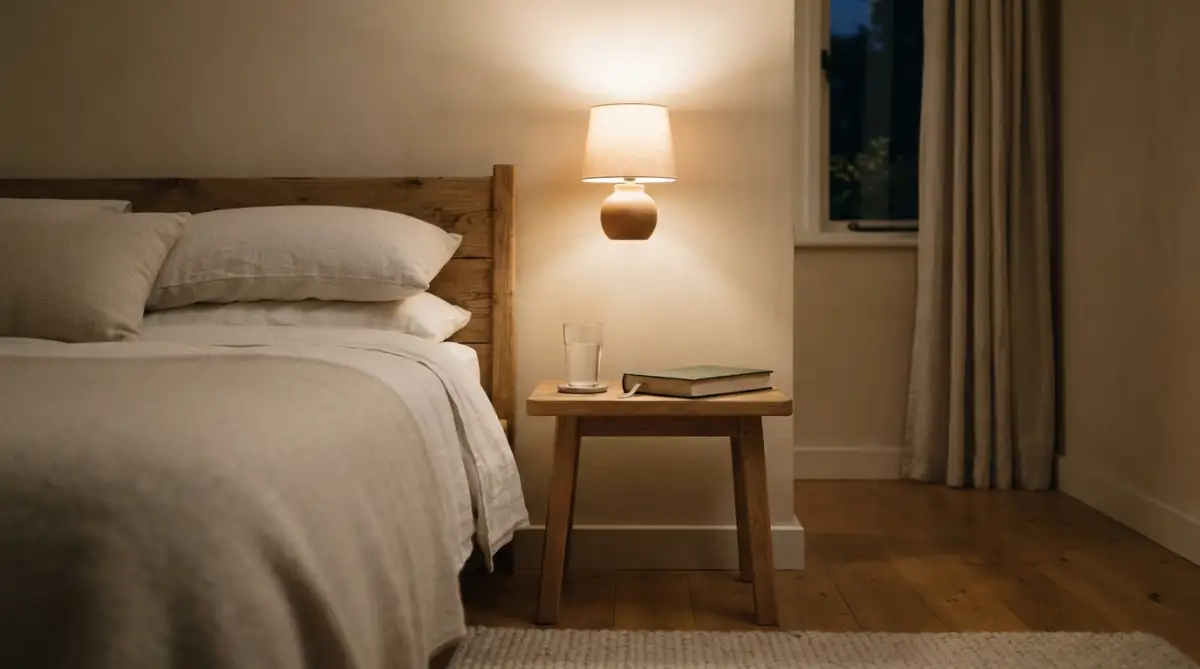
Make your room as dark as possible. Even a small light from a charger can disrupt your sleep hormones. I invested in some blackout curtains, and it made my room feel like a peaceful cave.
Magnesium: The Missing Piece of the Puzzle
I discovered that many of us are low on magnesium, which is a key mineral for relaxation. It helps quiet the nervous system and makes it easier for the body to let go of the day.
When I started eating more magnesium-rich foods like spinach and almonds, I felt calmer at night. My muscles didn't feel as tense, and I stopped tossing and turning so much. It was like a natural "off switch" for my physical stress.
You don't always need fancy tools to fix your sleep. Sometimes, giving your body the basic minerals it needs is enough to unlock deep rest. It is about working with your biology instead of fighting against it.
The Power of a Consistent Wake-Up Time
I used to sleep in on the weekends to "catch up" on my rest. This is actually a huge mistake that creates "social jetlag." It confuses your internal clock and makes Monday morning feel like a nightmare.
Your body loves consistency more than almost anything else. Waking up at the same time every day, even on Saturdays, keeps your rhythm steady. This makes it much easier for your brain to know when to dive into deep sleep.
It was hard to give up my Sunday sleep-ins at first. However, the reward was having steady energy all week long. I no longer had that "afternoon slump" that used to ruin my productivity.
Managing Your Stress Before the Pillow
If you go to bed with a racing mind, your body stays in a "fight or flight" mode. This high state of alert is the enemy of deep sleep. Your brain won't let you sleep deeply if it thinks there is a problem to solve.
I started a simple practice of writing down everything on my mind before bed. This "brain dump" moved the stress from my head to the paper. It gave my mind permission to stop thinking about those tasks until the morning.
Deep breathing exercises also helped me slow down my heart rate. Just five minutes of slow, deep breaths can signal to your brain that the day is safe. This physical signal is much stronger than just telling yourself to relax.
Understanding the Sleep Cycles
Each sleep cycle lasts about 90 minutes. You move from light sleep to deep sleep and finally to dreaming sleep. To feel your best, you want to complete four to five of these cycles.
If you wake up in the middle of a deep sleep stage, you will feel terrible. This is called sleep inertia, and it can last for hours. It’s better to sleep slightly less but wake up at the end of a cycle.
There are many apps that can help you track these cycles. But even without technology, you can plan your bedtime in 90-minute chunks. This small adjustment can make waking up feel much more natural and less like a chore.
Why Hydration Matters for Your Rest
Being dehydrated can actually make your mouth and nose dry, leading to snoring. Snoring interrupts your breathing and pulls you out of deep sleep. I found that drinking enough water during the day improved my breathing at night.
However, you don't want to drink a gallon of water right before bed. That will just lead to middle-of-the-night bathroom trips. Balance is key to staying hydrated without interrupting your rest.
I try to drink most of my water before 7 PM. This keeps my body hydrated but allows me to sleep through the night undisturbed. It’s another small tweak that leads to much better sleep quality.
Final Thoughts on Reclaiming Your Life
Fixing your sleep is not a one-time event; it is a lifestyle change. It requires paying attention to how your body reacts to light, food, and stress. But the payoff is a version of yourself that is full of life and energy.
When you master the hidden mechanics of deep sleep, you stop surviving and start thriving. You have the patience for your kids and the focus for your career. You finally get to experience what it feels like to be truly awake.
Start with just one of these changes tonight. Maybe it is cooling down your room or putting the phone away an hour early. Small wins lead to big changes in how you feel every single day.
Moving Beyond the Basics of Nightly Recovery
Once I figured out the temperature and light tricks, I realized I was only halfway there. There are deeper, more advanced ways to talk to your nervous system. These methods help your body slide into a deep state of rest much faster than normal.
One of the most powerful things I started doing is called Non-Sleep Deep Rest (NSDR). This is a simple breathing and focus technique that mimics the brain waves of deep sleep while you are still awake. It’s like giving your brain a quick 20-minute recharge in the middle of a stressful day.
If you find yourself hitting a wall at 3 PM, don't reach for another soda. Instead, try a short NSDR session to reset your focus. This habit helped me escape the burnout that used to ruin my entire work week.
I also learned that the type of sound in your room matters more than you think. While many people use white noise, I switched to Pink Noise. Pink noise sounds like steady rain or leaves rustling, and it actually helps stabilize your brain waves during deep sleep.
Studies from Northwestern University show that pink noise can improve the quality of your deep sleep and even boost your memory. I noticed a massive difference in how sharp I felt the next morning after making this change. My memory felt clearer, almost like I had more room in my head to store new ideas.
Hacking Your Breathing for Instant Calm
I used to be a mouth breather when I slept, and I didn't even know it. Mouth breathing triggers your body’s stress response, which keeps you in a light, low-quality sleep. It makes your heart beat faster and prevents you from reaching the deepest stages of recovery.
I tried a simple trick called mouth taping using a tiny piece of medical tape. It sounds strange, but it forces you to breathe through your nose all night long. Nasal breathing increases oxygen flow and naturally calms your brain.
When you breathe through your nose, you produce more nitric oxide. This helps your blood vessels relax and improves your overall circulation. I woke up with less of a dry mouth and a much more rested feeling in my chest.
This small change even helped me manage my physical health better. I found that my body felt less inflamed and my morning workouts became much easier. It was another step in how I balanced my blood pressure through simple, daily choices.
The 10-3-2-1-0 Formula for Deep Sleep
I used to follow no rules when it came to my evening routine. I would eat whenever I was hungry and work until my eyes closed. This was a huge mistake that kept my brain buzzing even when I was trying to rest.
Now, I follow a strict but easy formula that has changed my life. First, I have no caffeine 10 hours before bed. Caffeine has a half-life that stays in your blood for a very long time.
Next, I stop eating or drinking alcohol 3 hours before bed. This gives my stomach time to finish its work so my body can focus on repairing my muscles. I also stop doing any deep work or stressful tasks 2 hours before my sleep time.
The most important part is stopping all screen time 1 hour before bed. I used to think my phone didn't matter, but the science of blue light proves that it stops your body from making sleep hormones. Finally, the "0" stands for the number of times you should hit the snooze button in the morning.
Building a Long-Term Energy Routine
To keep these results, you have to think about your energy as a bank account. You can't just make withdrawals all day and expect the balance to stay high. You have to make regular deposits through deep, high-quality sleep.
I noticed that if I cheated for even one night, my focus dropped the next day. I would start forgetting small things, like where I put my keys or what I needed from the store. This reminded me of the time how my brain was robbing me at the grocery store because I was so exhausted.
You have to be protective of your sleep time. Think of it as a very important meeting with yourself that you cannot miss. When you treat sleep with respect, your body rewards you with endless energy and a positive mood.
It also helps to have a "cool down" period where you do something relaxing. I like to read a physical book or do some light stretching. These small signals tell your nervous system that the world is safe and it is okay to let go.
The Hidden Traps That Keep You Tired
One of the biggest mistakes I see people make is something called Revenge Bedtime Procrastination. This is when you stay up late scrolling on your phone because you didn't feel like you had control over your day. You feel like you "deserve" some free time, so you steal it from your sleep.
This habit is a trap that only makes the next day worse. You end up being more tired, less productive, and even more stressed. It creates a cycle of exhaustion that is very hard to break.
I had to realize that the best gift I could give myself for a better day was actually going to bed. Stealing time from your sleep is like taking a high-interest loan that you can never pay back. It ruins your mood and slowly destroys your physical health over time.
Another common error is relying on sleeping pills or supplements too often. While they might knock you out, they don't give you "real" sleep. Most of these aids just sedate your brain, which means you miss out on the deep cleaning cycles.
You might be unconscious, but your brain isn't doing the work it needs to do. This leaves you feeling groggy and "hungover" the next morning. Relying on chemicals instead of fixing your habits is a short-term fix that leads to long-term problems.
The Danger of Trying Too Hard to Sleep
I also struggled with something called Orthosomnia. This is when you become so obsessed with getting "perfect" sleep data on your smartwatch that you actually get stressed. The more I checked my sleep score, the more anxious I felt about not sleeping well.
Your brain can sense this pressure, and it keeps you in a state of alert. Sleep is a natural process that should happen without force. When you try to "win" at sleep, you usually end up losing.
I eventually took off my sleep tracker for a few weeks to just listen to my body. I learned that I didn't need a computer to tell me if I was tired or rested. Trusting your own feelings is much more powerful than any app on your phone.
Worrying about sleep is often the very thing that prevents it. If you lie awake for more than 20 minutes, get out of bed and do something boring. Don't let your bed become a place where you practice being anxious.
Breaking the Weekend Sleep Cycle
Many of us try to "catch up" on sleep by staying in bed until noon on Sundays. I used to do this every single week. But this actually causes a mini-version of jet lag every Monday morning.
Your internal clock gets moved two or three hours off its normal track. When your alarm goes off on Monday, your body thinks it’s still the middle of the night. This is why Monday feels so much harder than any other day of the week.
If you are traveling, you can see how this works by learning how to fly like a pro and beat jet lag. But you don't even have to get on a plane to experience this fatigue. You can give yourself jet lag just by staying in your own house and changing your wake-up time.
Try to keep your wake-up time within one hour of your weekday routine. This keeps your hormones steady and ensures you feel good every day of the week. It’s a small sacrifice that makes your entire life feel much smoother and more predictable.
The Cost of Poor Focus and Memory
When you don't get enough deep sleep, your ability to learn new things drops by almost 40%. Your brain’s "save" button basically stops working. This is why students who stay up all night usually do worse on their tests.
Bad sleep leads to toxic study habits that destroy your memory and make learning feel impossible. Your brain needs sleep to move information from short-term memory to long-term storage. Without that time, the information just disappears into thin air.
I noticed that when I was tired, I would try to do five things at once just to keep up. But stop multitasking is the real secret to getting things done. And you can only focus on one thing at a time if your brain has been properly rested.
Deep sleep is like the glue that holds your thoughts together. Without it, everything feels fragmented and messy. Investing in your rest is truly an investment in your brain's performance and your future success.
Your Roadmap to a Rested Life
Taking control of your sleep is one of the kindest things you can do for yourself. It isn't just about avoiding tiredness; it is about reaching your full potential. When you feel rested, you are a better friend, a better worker, and a happier person.
You don't have to change everything at once. Start by picking one or two habits that feel easy for you. Maybe you start by dimming the lights an hour before bed or by leaving your phone in another room.
Over time, these small choices add up to a completely different life. You will start to notice that the "fog" you lived in for years is finally lifting. You will wake up feeling like you have a superpower because your energy stays high all day long.
I truly believe that most of our daily struggles can be fixed by going back to basics. We were designed to move during the day and rest deeply at night. When we align with that design, everything else starts to fall into place.
I spent years feeling like a shadow of myself because I ignored these simple rules. Once I started respecting my deep sleep, my world changed in ways I never expected. I want you to feel that same clarity and joy when you open your eyes every morning.
Common Questions About Improving Sleep
Can I make up for lost sleep with a long nap?
Naps can help you feel a bit better, but they cannot replace the deep cycles of a full night's rest. A short 20-minute nap is great for a quick boost, but sleeping for two hours in the afternoon can actually make it harder to sleep at night. It is always better to focus on your main nighttime sleep for the best results.
Is it okay to drink coffee in the afternoon?
It is usually best to avoid caffeine after 2 PM. Even if you think it doesn't affect you, the caffeine is still working in your brain to block deep sleep signals. You might fall asleep, but the quality of that sleep will be much lower than it could be.
How do I know if I am getting enough deep sleep?
The best way to tell is by how you feel about two hours after you wake up. If you feel alert and don't need a nap or caffeine to function, you are likely getting enough. If you feel groggy and "out of it" for the first half of the day, you probably need to work on your deep sleep stages.
Should I use a weighted blanket?
Many people find that weighted blankets help them feel more secure and calm. This can lower your stress levels and make it easier for your body to relax. If you struggle with anxiety at night, a weighted blanket might be a helpful tool to try along with your other habits.
Disclaimer: This article is for informational purposes only and does not provide medical advice. Always talk to a doctor or a qualified health professional before starting new health practices, using supplements, or making significant changes to your lifestyle. Sleep disorders can sometimes be a sign of underlying medical conditions that need professional treatment.