My Secret Struggle with the Growing Mountain of Kitchen Trash
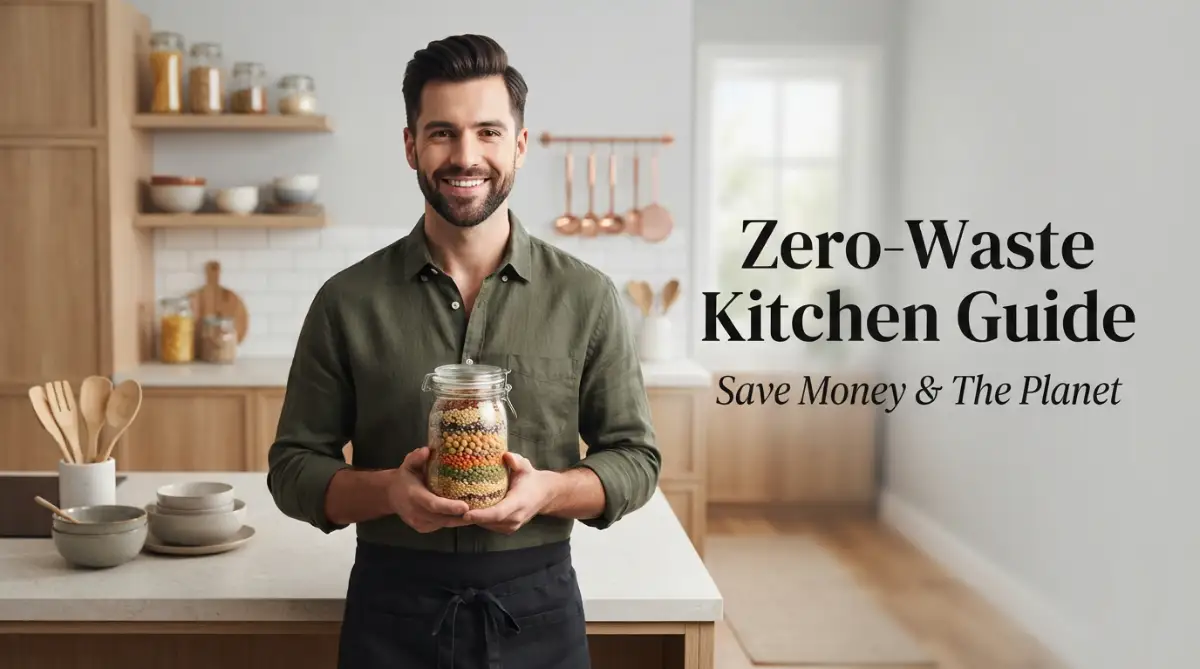
Let's be completely honest—taking out the trash is hands down the most annoying household chore. But a few months ago, my kitchen bin started feeling less like a chore and more like a massive guilt trip staring right at me. I really wanted to cut down on my daily waste, but as a busy person working full-time, I definitely do not have the energy to churn my own butter or make homemade soap. If you feel like having a "green kitchen" is an impossible full-time job meant only for people on social media, I have some surprisingly good news for you. You can fix this without turning your life upside down.
For a long time, I thought going zero-waste meant I had to move to a farm or spend hours making my own soap. I felt stuck between wanting to be better and needing my life to stay simple. My trash bin was a constant reminder of my failure. It felt like every meal I made resulted in a pile of plastic that would sit in a landfill for hundreds of years.
Many of us feel this exact same way. We see beautiful photos online of people with "zero trash" in a tiny glass jar, and we think, "I could never do that." It feels like an impossible mountain to climb. We worry that if we can't do it perfectly, there is no point in trying at all.
The truth is, your kitchen can become much cleaner and more sustainable without you becoming a different person. You don't need to change who you are; you just need to change how you look at your trash. When I finally figured out that I could cut my waste by 50% just by making tiny tweaks, I felt a huge weight lift off my shoulders.
Quick Action Guide: What You Will Learn Today
- How to cut your daily kitchen trash in half without buying expensive eco-gadgets.
- The incredibly easy "freezer trick" for managing food scraps in a tiny apartment.
- Why fixing your food storage habits saves you serious money every single month.
- How to shift your mindset so reducing waste feels totally effortless.
Making Peace with Your Pantry: The First Real Step
The first thing I did wasn't buying fancy glass jars. It was actually just looking at what I was throwing away. Most of our waste comes from things we don't even think about. For me, it was mostly paper towels and plastic wrap. I realized I was using these things out of habit, not because I actually needed them.
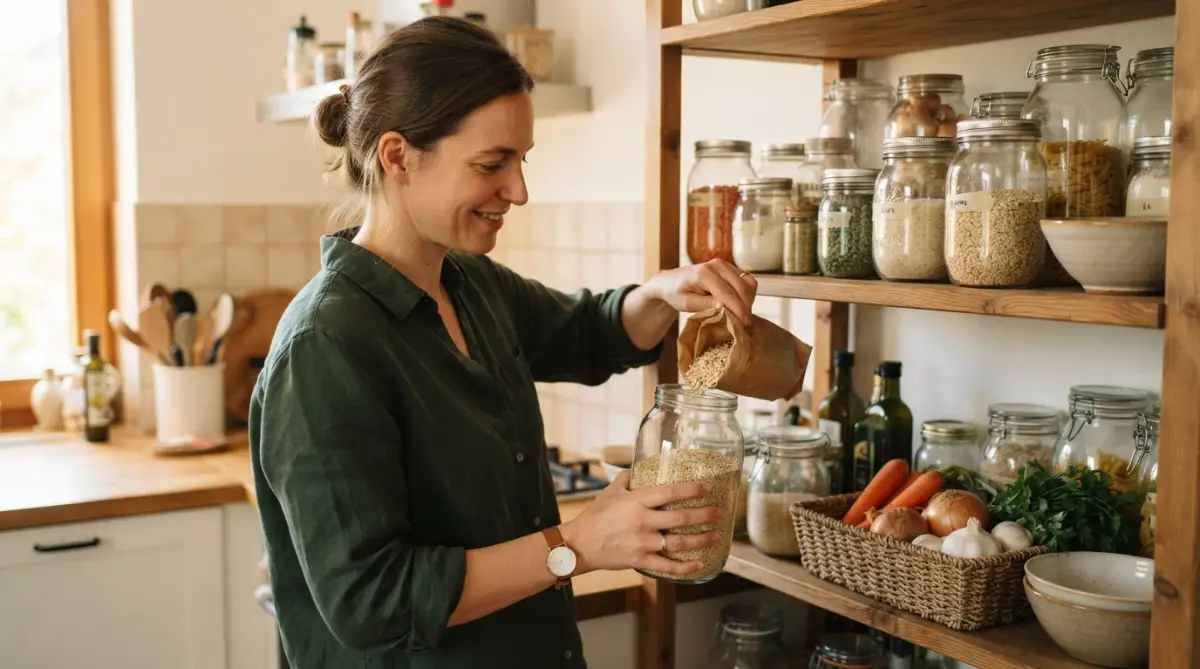
I started small. Instead of a paper towel, I kept a stack of old t-shirt scraps near the sink. It sounds simple, but it saved me from buying rolls of paper every month. I didn't have to change my routine; I just reached for a cloth instead of a paper sheet. This is the secret to a zero-waste kitchen: finding a better version of what you already do.
The Power of Natural Storage
One big reason we waste food is because it goes bad before we can eat it. This is a huge part of the "waste" in a kitchen. Scientists say that nearly one-third of all food produced is wasted. In our homes, this usually happens because of poor storage. When I learned how to store my greens properly, they lasted twice as long.
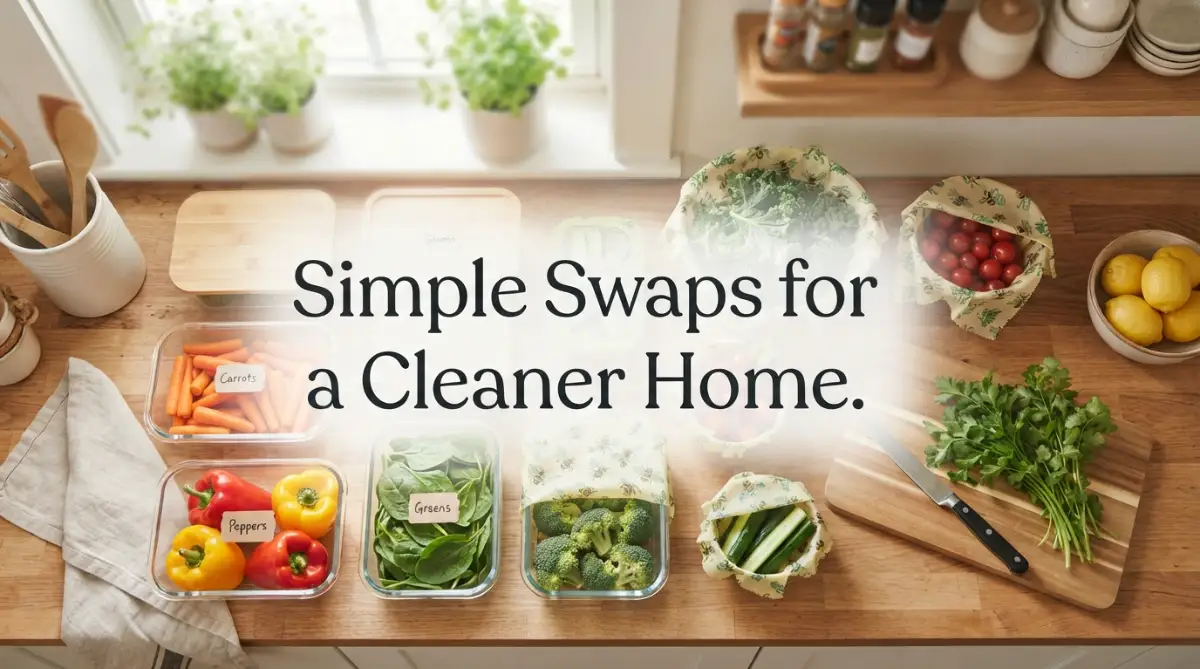
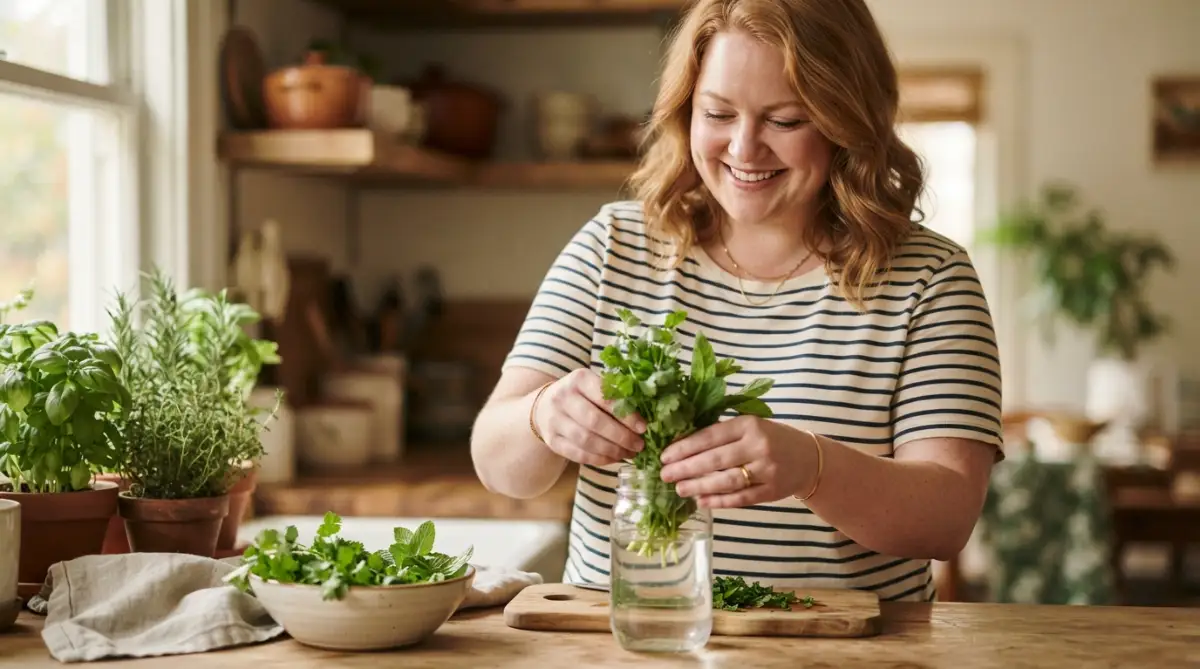
For example, did you know that putting your herbs in a glass of water like flowers keeps them fresh for a week? Or that keeping potatoes and onions apart prevents them from rotting? These aren't just "green tips"; they are smart ways to save money and keep your kitchen smelling fresh. When you store food better, you throw away less, and you spend less at the store.
Kitchen Waste: Myth vs. Fact
- The Myth: You need to buy expensive matching glass containers to keep food fresh.
- The Fact: Old pasta sauce jars work just as well! Also, simply wrapping leafy greens in a damp cloth before putting them in the fridge can extend their life by up to ten days. It costs absolutely nothing.
Redefining the Way We Shop
Shopping is where the waste starts, but you don't have to shop at expensive organic stores. I still go to my regular grocery store. The only difference is that I look for items in cardboard or glass instead of plastic. If I see pasta in a box and pasta in a plastic bag, I choose the box. It takes zero extra effort, but it makes a big difference in my bin.
I also started bringing my own bags. I used to forget them all the time. My "pro tip" for this is keeping them right by the front door or in the trunk of the car. If I forget them, I make myself carry the items out by hand. I only had to do that once before I remembered my bags every single time! It’s all about creating small triggers that fit your existing habits.
Pro Tip:
I used to feel so bad when I forgot my reusable bags at home. Instead of giving up, I started keeping a tiny foldable bag on my keychain. Now, even if I go for a surprise grocery run after work, I always have a bag ready, and I never have to buy a plastic one.
The Science of Why We Waste and How to Stop It
If you want to understand why your kitchen gets messy, you have to look at the "Out of Sight, Out of Mind" rule. Most of us shove things into the back of the fridge and forget about them until they turn into a science project. This is a major source of waste. To fix this, I started an "Eat Me First" bin. It's just a small plastic container where I put things that are about to expire.
This simple visual cue changed everything. When I'm hungry and looking for a snack, my eyes go to that bin first. I'm not changing my diet; I'm just changing the order in which I eat things. This is a logical way to manage a kitchen that saves you from that "gross" feeling of finding a moldy tomato in the crisper drawer.
Watch This Quick Video on Smart Kitchen Organization:
If you want to see exactly how I organized my pantry to stop food from going bad, check out this quick walkthrough.
Dealing with Scraps Without a Big Backyard
One of the biggest hurdles for people living in apartments is composting. We think we need a big garden to deal with food scraps. I thought so too, but then I discovered "freezer composting." I keep a large silicone bag in my freezer, and I put all my vegetable scraps, eggshells, and coffee grounds in it.
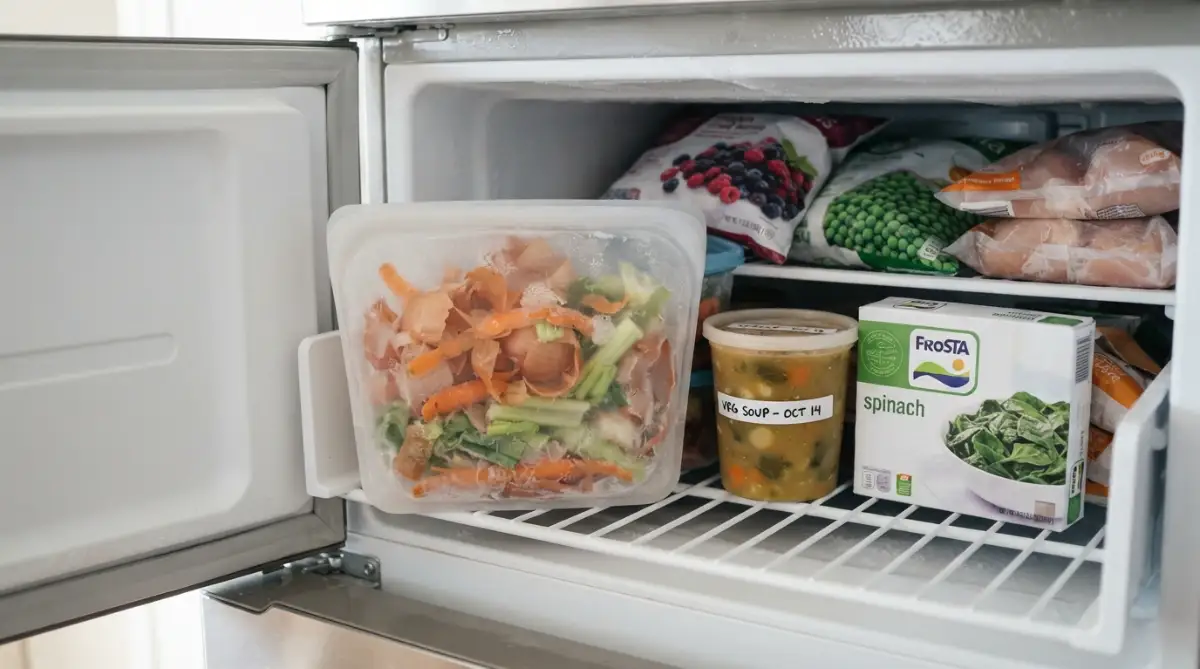
Since it's in the freezer, there is zero smell and zero bugs. Once a week, I take that bag to a local community garden or a drop-off point. If you don't have one near you, many cities now have programs that pick up organic waste. It takes me five seconds to open the freezer and drop in a carrot top. It’s actually easier than taking out the trash every day because the freezer bag never stinks.
Understanding the Impact of Micro-Habits
Success in a zero-waste kitchen is built on micro-habits. These are tiny actions that take less than two minutes. For example, rinsing a glass jar so it can be recycled properly takes thirty seconds. Choosing to buy the loose apples instead of the ones in a plastic bag takes no time at all.
When you add these tiny actions together over a month, the results are massive. I noticed that I only had to take my "real" trash out once every two weeks instead of every two days. The mental peace that comes with a clean, light trash can is worth the small effort. You start to feel more in control of your environment, which reduces stress in other parts of your life too.
Bulk Buying Without the Bulk Headache
People often think bulk buying means buying 50 pounds of flour. For a normal person, that's just annoying. What I do instead is buy "refills." I have one good bottle of dish soap, and I buy a large refill jug. This one large jug replaces ten small plastic bottles. It’s cheaper, and it means I have less clutter under my sink.
I also do this with spices. Instead of buying a new plastic jar of cinnamon every time, I buy a small paper bag of it and refill my glass jar at home. It looks better on the shelf, it’s cheaper, and it's better for the earth. You are still buying the same cinnamon; you are just being smarter about the container.
My Personal 30-Second Swaps:
Instead of feeling stressed about changing everything, try these exact swaps I use at home:
- Swap plastic wrap for a simple plate placed on top of your leftover bowl.
- Swap single-use coffee pods for a reusable metal filter.
- Swap liquid hand soap in plastic pumps for regular bar soap.
The Myth of the Perfect Zero-Waste Lifestyle
We need to stop trying to be perfect. The goal isn't to produce zero trash. The goal is to produce less trash than you did yesterday. If you buy a bag of chips because you had a bad day, don't worry about the plastic bag. Just try to recycle the soda can that went with it.
Being "zero-waste" is a journey, not a destination. Some weeks you will be great at it, and some weeks you will be busy and buy frozen dinners in plastic trays. That is okay. The key is to keep the habits that are easy and not to beat yourself up over the hard ones. A sustainable lifestyle is one that you can actually keep doing for years, not just for a week.
Smart Tools That Actually Help
While you don't need to buy anything new, there are a few tools that make this transition much easier. Silicone baking mats, for example, replace parchment paper and aluminum foil forever. They are easy to wash and they make your cookies bake more evenly anyway. Again, this is an upgrade to your lifestyle, not a sacrifice.
Another great tool is the "beeswax wrap." It replaces plastic cling film. It smells like honey, it's washable, and it keeps your cheese and bread much fresher than plastic ever could. These are small investments that pay for themselves within a few months because you stop buying disposable items.
Transitioning Your Mindset
The biggest change isn't in your kitchen; it's in your head. When you stop seeing "trash" and start seeing "resources," everything changes. That glass jar isn't garbage; it's a new container for your leftovers. Those veggie scraps aren't waste; they are the base for a delicious soup.
Once you make this mental shift, the "work" of a zero-waste kitchen disappears. It just becomes the way you live. It feels good to know that your home is part of the solution instead of part of the problem. And the best part? Your kitchen will be cleaner, your food will be fresher, and your wallet will be fuller.
Summary of Part 1
We have looked at why the struggle with kitchen waste is so common and how it affects our mental health. We explored the simple, science-based ways to store food longer and how to shop smarter without spending more money. We also touched on the easy way to handle food scraps even in small apartments.
In the next part, we will look at how to handle cleaning supplies, how to manage kitchen "junk" that isn't food, and how to involve your whole family in this process without them complaining. The transition is easier than you think, and you are already halfway there!
Mastering the Art of a Cleaner Kitchen Environment
Once you have the basics down, you might wonder how to keep this going forever. It’s one thing to buy a glass jar, but it’s another thing to manage a busy home every single day. I found that the secret isn’t just in what you buy, but in how you maintain your space.
One of the biggest areas where waste hides is under the sink. We often have ten different plastic bottles for ten different cleaning jobs. I realized that how my brain was robbing me at the grocery store led me to buy expensive chemicals I didn't actually need. Most of those bottles are just water mixed with harsh scents that can actually irritate your lungs.
I decided to simplify my cleaning routine by making my own all-purpose spray. I use one part white vinegar and one part water. I add some lemon peels for a fresh scent, and it works better than any store-bought spray I’ve ever used. This small change removed dozens of plastic bottles from my life and saved me a lot of money over time.
Getting Rid of the "Invisible" Plastic
Sometimes, we bring waste home without even knowing it. Think about the tea bags you use every morning or the sponges you use to wash dishes. Many tea bags actually contain tiny bits of plastic to help them hold their shape in hot water. According to researchers at the Environmental Working Group, keeping your home free of unnecessary chemicals and hidden plastics is a major win for your health.
I switched to loose-leaf tea and a simple metal strainer. It tastes better, and I can throw the tea leaves directly into my freezer compost bag. For dishwashing, I stopped using those green and yellow plastic sponges. They fall apart and send micro-plastics down the drain, which eventually end up in our water system.
Instead, I started using wooden brushes or cloths made from natural fibers like hemp. They last much longer and don’t smell like old gym socks after a few days. If you find yourself feeling overwhelmed by all these small changes, you might need to learn how to escape the burnout that comes with trying to do too much at once. Take it slow and change one thing each month.
The Secret to Long-Term Meal Success
Waste often happens when we are tired and don't want to cook. We order takeout, which comes in layers of plastic and paper. To avoid this, I started "prep sessions" on Sunday afternoons. I don't mean cooking whole meals, but just chopping vegetables or boiling a big pot of rice.
When the hard work is done, I am much more likely to eat what I have at home. It’s about making the right choice the easiest choice. If my carrots are already sliced and in a glass container, I will snack on them instead of opening a bag of chips. This habit keeps my trash bin empty and my body feeling much better.
I’ve noticed that when I eat fresher food, I don't feel as sluggish in the morning. If you struggle with energy, you might want to look at why you wake up tired every day and see if your kitchen habits are part of the reason. A clean kitchen and a healthy body go hand in hand.
Handling Guests and Social Pressure
One thing nobody tells you is how hard it is when friends come over. They might bring plastic bottles or paper plates because they think it’s easier for you. I used to feel awkward telling people I was trying to be zero-waste. Now, I just lead by example.
I keep a stack of cloth napkins on the table. They look much nicer and feel more "fancy" than paper ones. When people see how easy it is, they often start asking questions. I never judge them for their choices; I just show them how good my version feels.
It’s the same mindset you need when planning a solar upgrade for your home. You don't do it to show off; you do it because it’s a smarter way to live. When your kitchen functions well, it becomes a place of peace instead of a place of chores.
The Most Common Traps That Stop Your Progress
Many people start this journey with a lot of excitement but quit within a month. I did this too. The biggest mistake is buying "eco-friendly" gadgets that you don't actually need. You see a beautiful $50 compost bin or a set of expensive matching jars and think you must have them.
This is just another form of consumerism. You are still buying things to solve a problem that is actually about not buying things. I realized that the hidden financial trap for most people is thinking they can buy their way into a better lifestyle. The most sustainable item is the one you already own.
Another big mistake is the "all or nothing" mindset. You might feel like a failure because you bought a plastic bottle of milk. This guilt is a trap. It makes you want to give up completely. Remember, we don't need one person doing zero-waste perfectly; we need millions of people doing it imperfectly.
Why Plastic Isn't Just a Trash Problem
Reducing waste isn't just about the landfill. It’s also about what goes into your food. When you store hot leftovers in plastic containers, chemicals can leak into your dinner. The Mayo Clinic has shared studies about how certain plastics can affect our health over time.
Moving to glass or stainless steel isn't just "green"—it's a health upgrade. I feel much safer knowing my soup isn't touching hot plastic in the fridge. This logic is similar to how you would secure your home Wi-Fi router to keep your data safe. You are just protecting your environment from things that shouldn't be there.
I also realized that I was wasting a lot of money on "convenience" items. Pre-cut fruit costs three times as much as whole fruit and comes in a thick plastic tub. By cutting it myself, I saved enough money to pay for a nice dinner out once a month. It’s amazing how much money is hidden in our trash cans.
Losing the Perfectionism Habit
I used to spend hours researching the "best" way to recycle everything. It became a hobby that took up too much of my time. I had to remind myself to stop multitasking and just focus on the big wins. The big wins are: no plastic bags, no paper towels, and less food waste.
If I manage those three things, I am doing better than 90% of the world. You don't need a perfect system to see a big difference. Even a simple change in how you handle your groceries can make your kitchen feel ten times cleaner.
If you are a student or a busy professional, you might feel like you don't have time for this. But honestly, it saves time in the long run. I spend less time taking out the trash and less time shopping for things I don't need. It gives me more time to focus on what really matters.
The Emotional Weight of Kitchen Trash
There is a strange kind of stress that comes with a messy, wasteful kitchen. When your fridge is full of rotting food, it feels like your life is out of control. When your trash can is always full, it feels like you are constantly behind.
When I started my zero-waste journey, I noticed my anxiety levels went down. I knew exactly what was in my pantry. I knew my food was fresh. I felt like I was finally taking care of my home instead of just living in it.
This sense of control is powerful. It's the same feeling you get when you finally understand a hard topic, like the only college essay structure you actually need to succeed. When you have a plan, the fear goes away. A zero-waste kitchen is just a plan for your resources.
Moving Toward a Brighter, Cleaner Future
You don't have to change your entire life today. You just have to change one thing. Maybe today you decide to use a cloth instead of a paper towel. Maybe tomorrow you look for eggs in a cardboard carton instead of a plastic one.
These small wins add up. After a year, you will look back and be shocked at how much your kitchen has changed. And the best part is, it won't feel like work. It will just feel like home.
I’ve learned that a sustainable home is a happy home. It’s a place where we respect our food and our planet. It’s a place where we aren't constantly throwing things away. It feels good to be part of that change, and I know you can feel that way too.
Common Questions About Greener Kitchens
Is a zero-waste kitchen more expensive to maintain?
Actually, it usually saves you money! You stop buying disposable items like paper towels, plastic wrap, and expensive pre-packaged snacks. While some items like glass jars have a small cost at the start, you save hundreds of dollars over the year by buying in bulk and wasting less food.
How do I handle leftovers without using plastic wrap?
I love using beeswax wraps or just putting a plate on top of a bowl. You can also use glass containers with lids. If you are freezing things, wide-mouth glass jars work great as long as you leave some space at the top for the food to expand.
What do I do if my family doesn't want to change?
Don't force them! I found that just doing it myself was enough. When my family saw how much nicer the kitchen looked with glass jars and how fresh the food stayed, they naturally started following along. Make it easy for them by keeping the reusable options in easy-to-reach places.
How do I deal with meat packaging?
This is one of the hardest parts. I try to buy from a local butcher where I can ask them to wrap the meat in simple brown paper. If that’s not an option, I just make sure to recycle the plastic tray if it's a type my city accepts. Remember, it’s about doing your best, not being perfect.
Is it okay to use what I already have, even if it's plastic?
Yes! Please do not throw away your plastic containers to buy glass ones. That creates more waste. The most eco-friendly thing you can do is use your current plastic containers until they are no longer safe or usable.
Start Your New Kitchen Habit Today
Taking that first step is the hardest part, but it is so rewarding. I remember the day I finally stopped buying paper towels; it felt like a small victory every time I reached for a cloth instead. Your kitchen should be a place that gives you energy and peace, not a place that creates guilt.
I really believe that you have the power to make this change without making your life harder. You deserve a home that feels clean and a mind that feels clear. Start with one small swap today, and you will be amazed at how quickly your mountain of trash turns into a molehill.
Disclaimer: This article is for informational purposes only. Every household is different, and you should choose the habits that work best for your specific needs and local recycling rules.