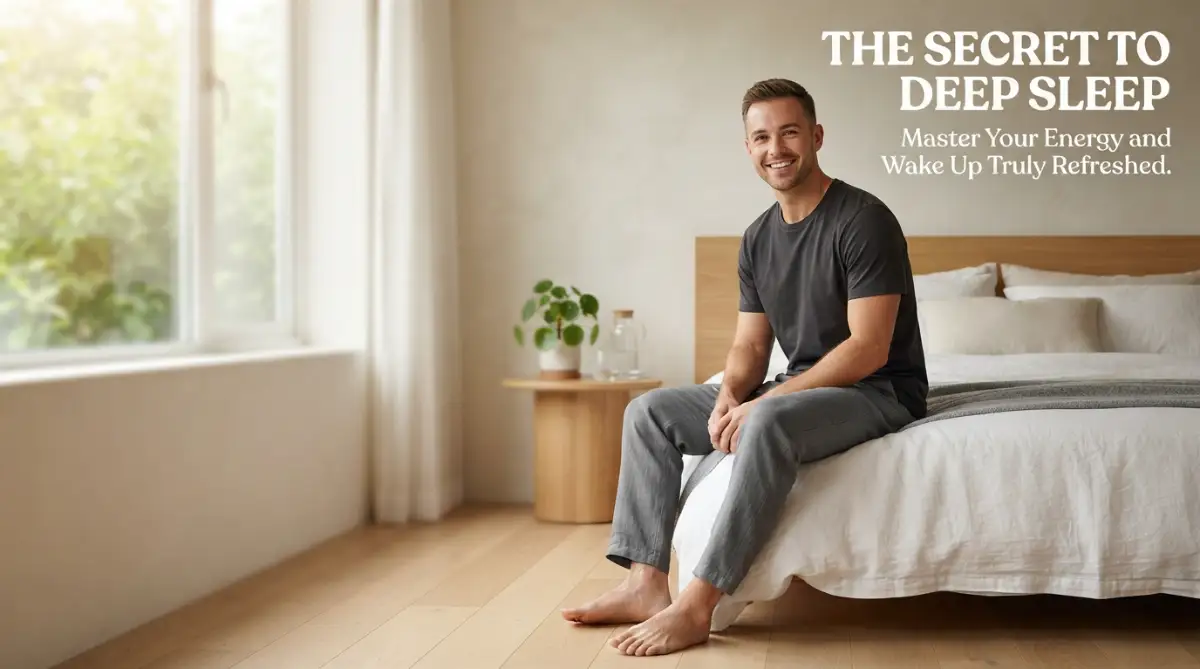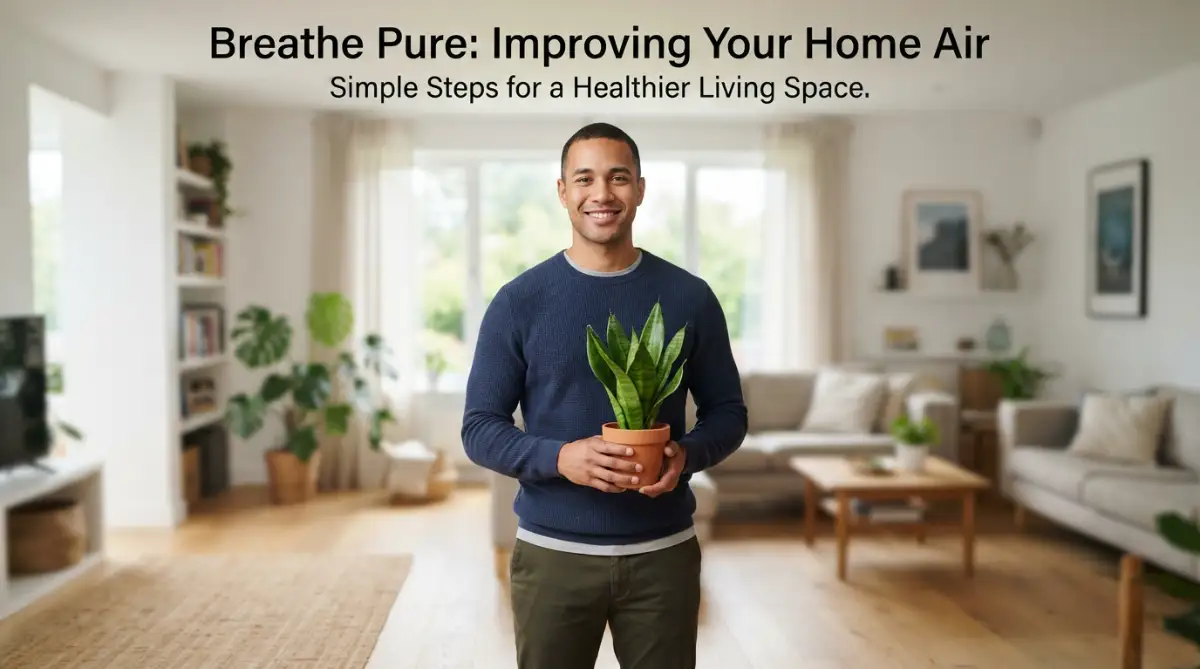
The Invisible Struggle of Breathing at Home
Let's be real—your home might be making you sick, and you probably don't even know it. For months, I blamed my constant tiredness and itchy eyes on stress, only to find out the air inside my apartment was five times dirtier than the street outside. If you are tired of waking up groggy with a scratchy throat, I am going to show you exactly how I fixed my indoor air without spending a fortune.
But the truth was hidden in the tiny particles I couldn't see. I started noticing that my energy levels would drop the moment I stepped inside my house. I felt sleepy, my eyes stayed itchy, and I just couldn't focus on my work. It felt like my own home was slowly draining the life out of me, and I had no idea why.
I finally realized that the "clean" house I lived in was actually trapped with stale air and hidden pollutants. It was a scary thought to realize that the place where I should feel safest was actually making me feel sick. This was the moment I decided to take charge and learn everything about how to fix the air I breathe every day.
I know how it feels to feel helpless in your own space. You buy expensive candles or spray "fresh" scents, but you are actually making the problem worse. It is a cycle of trying to fix a problem with the wrong tools. But the good news is that you don't need a degree in science to change this; you just need to understand the basics.
Quick Takeaways for a Fresher Home
- Open your windows for just 15 minutes every morning to push out stale, dirty air.
- Ditch the fake, chemical room sprays and switch to natural options like vinegar or lemon.
- Upgrade to a vacuum with a true HEPA filter so you stop blowing hidden dust back into your rooms.
- Keep your home's humidity strictly between 30% and 50% to stop mold dead in its tracks.
Simple Ways to Start Cleaning Your Air Today
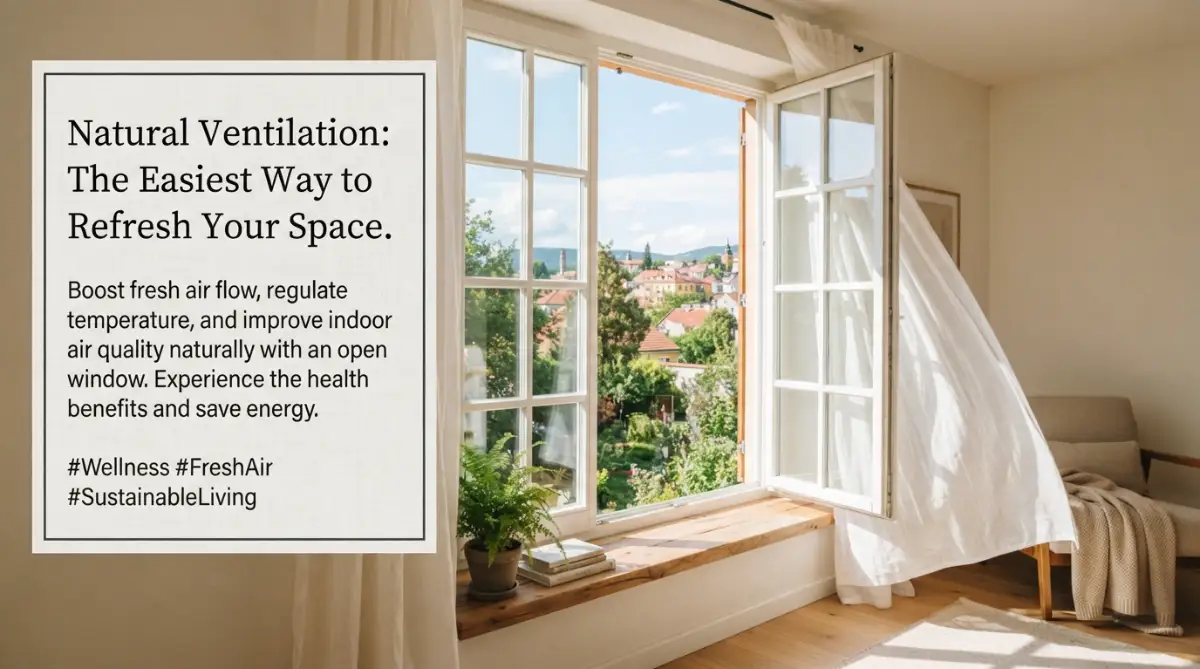
The first thing I learned is that we often seal our homes too tightly. We want to keep the heat in or the AC cool, so we close every gap. While this saves energy, it also traps every bad thing inside with us. Opening your windows for just fifteen minutes a day can make a massive difference in how you feel.
I started doing this every morning, even when it was a bit chilly outside. I would open windows on opposite sides of the house to create a cross-breeze. This simple act pushes the old, stale air out and brings in fresh, oxygen-rich air. I noticed my morning brain fog started to lift almost immediately after I made this a habit.
Another big factor is the stuff we bring into our homes without thinking. I used to love those strong-smelling cleaning supplies and those "ocean breeze" air fresheners. I found out that these are often full of VOCs (volatile organic compounds). These chemicals stay in the air long after the scent is gone and can irritate your lungs.
Switching to natural cleaners was a game-changer for me. I started using things like vinegar, baking soda, and lemon. My house still smelled clean, but it didn't feel "heavy" with chemicals anymore. It is a small change that has a huge impact on the overall air quality in your living space.
My Go-To Safe Cleaning Swaps
Instead of buying heavily scented sprays, I started using these simple alternatives:
- Swap commercial air fresheners for a simple simmer pot (just boil water with lemon slices and cinnamon on your stove).
- Swap toxic glass cleaners for a quick 50/50 mix of white vinegar and water.
- Swap heavy carpet odor powders for plain baking soda. Just let it sit on your rug for 15 minutes, then vacuum it up.
- These tiny changes saved me money and instantly stopped my random sneezing fits.
Managing the Hidden Dust and Pet Dander
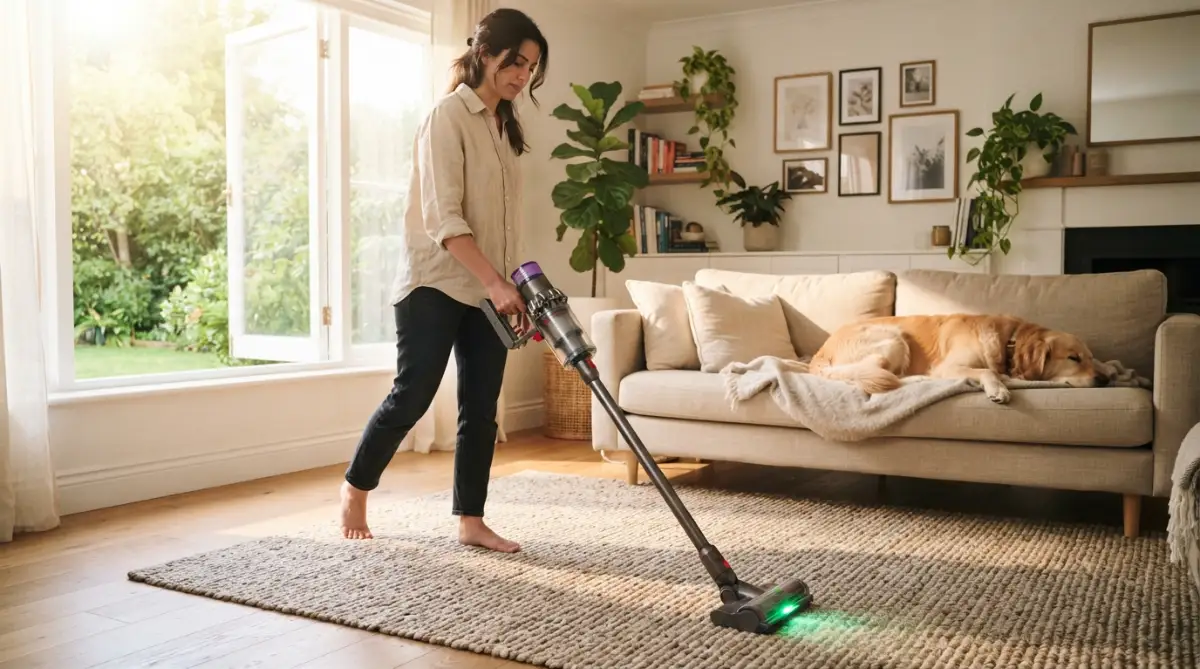
Dust is not just ugly to look at; it is a collection of skin cells, fabric fibers, and outdoor dirt. If you have pets like I do, you also have to deal with dander. I used to just use a regular broom, but that mostly just kicked the dust back up into the air for me to breathe.
I invested in a vacuum with a HEPA filter, and it changed everything. A HEPA filter is designed to trap tiny particles that normal vacuums just blow back out. I also started damp-dusting instead of using a dry cloth. Using a damp microfiber cloth traps the dust so you can actually remove it from your home for good.
Pro Tip: I used to think that keeping the windows closed all day would keep the dust out. I was so wrong! Most of the "dust" in our homes actually comes from inside, like our skin and clothing. I realized that by not ventilating, I was just letting that indoor dust pile up and circulate over and over again.
If you want to see a real expert explain how filters work and which ones are best for your home, you should check out this helpful guide. It really helped me understand what to look for when I was shopping for my first air purifier.
Watch this video to learn the science behind air filtration and how to choose the right gear for your home.
Controlling Humidity to Stop Mold Growth
One thing I never thought about was how much water is in the air. If your home is too humid, it becomes a playground for mold and dust mites. I used to see a little bit of black spots in the corner of my bathroom and just wiped them away, not knowing the real danger.
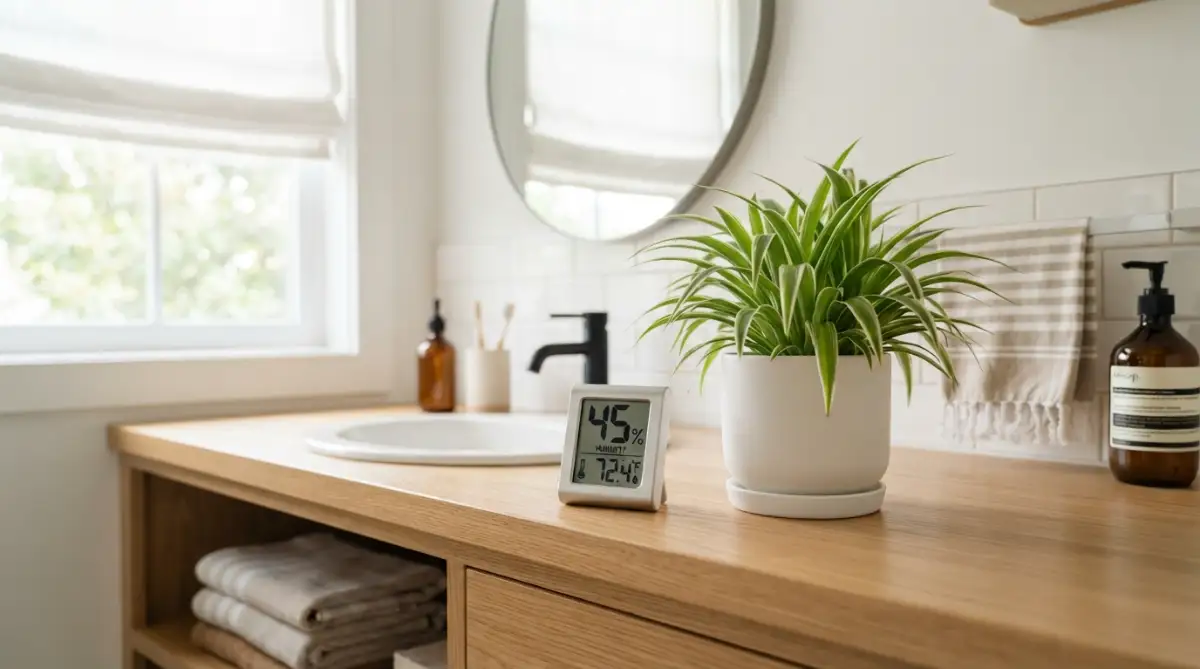
Mold releases spores into the air, and breathing those in is very bad for your lungs. I bought a cheap hygrometer to check the humidity levels in my house. I found out my basement was way too damp. Now, I try to keep my home's humidity between 30% and 50% to keep things healthy.
Using an exhaust fan in the kitchen and bathroom is a must. Whenever I cook or take a shower, I make sure the fan is running to pull that extra moisture out. It is such a simple step, but it prevents so many problems down the line. If you don't have fans, just cracking a window during a shower helps a lot.
The Role of Houseplants: Myth vs. Reality
I used to buy tons of plants because I heard they "clean the air." While I love how they look, the reality is a bit different than the myths. You would need a literal jungle in your living room to see a huge drop in pollutants. However, they do help in other ways.
Plants can help slightly with CO2 levels and they definitely boost your mood. I keep a few "easy-to-grow" plants like Spider plants and Peace Lilies around. Even if they aren't doing 100% of the cleaning, they make me feel more connected to nature. This mental boost is just as important for a healthy home environment.
Myth vs. Fact: Do Plants Really Clean the Air?
- The Myth: Having three or four potted plants in your bedroom will purify your air completely.
- The Fact: While plants are amazing for your mood, that famous plant study you always hear about was done in a tiny, sealed space chamber. In a normal, drafty house, you would need about 10 large plants per square foot to actually clean the air! Rely on your windows and HEPA filters first, and let your plants just be pretty decorations
Understanding Your HVAC System
If you have a central heating or cooling system, it is the "lungs" of your home. I used to forget to change my filters for months at a time. When I finally looked at the old filter, it was thick with gray fur and dust. I was horrified to think that all the air I breathed was passing through that mess.
Now, I set a reminder on my phone to change the filter every three months. I also started using filters with a higher MERV rating. These are better at catching smaller particles like smoke and pollen. It makes the system work a little harder, but the air coming out of the vents feels so much fresher.
Keeping your air vents clean is also a big deal. I noticed that dust often builds up on the grates. Every time I vacuum, I take a second to suck that dust off the vents. It stops the dust from being blown right back into the room the moment the AC kicks on.
Creating a Smoke-Free Sanctuary
This might seem obvious, but I have to mention it. I used to let friends smoke on the balcony with the door open. I didn't realize how much of that smoke drifted right back inside and settled into my furniture and carpets. Second-hand smoke is one of the worst things for your indoor air.
I made a strict rule: no smoking anywhere near the house. Even things like burning incense or lots of candles can add particles to the air. I still love a good candle, but now I only use beeswax or soy candles without artificial fragrances. They burn much cleaner and don't leave that black soot on the walls.
The Importance of Cleaning Fabric Surfaces
Our curtains, rugs, and sofas are like giant magnets for pollutants. I realized that even if my floors were clean, my old rug was holding onto years of dust. I started taking my small rugs outside once a month to give them a good beating. You would be surprised how much dust comes out of a "clean" looking rug.
I also started washing my bedding in hot water once a week. This kills dust mites, which are a major cause of allergies. If you have heavy curtains, try to vacuum them with a brush attachment or wash them once a season. The less fabric "traps" you have, the easier it is to keep your air pure.
Final Thoughts on Starting Your Journey
Improving your air is not a one-time job; it is a lifestyle. I didn't do all of these things in one day. I started with the windows, then moved to the cleaners, and eventually got a good vacuum. Each step made me feel a little bit better and gave me more energy.
You don't have to spend a fortune to see results. Most of the best ways to clean your air are actually free or very cheap. It is about being mindful of what you bring into your home and how you let the air move. Your home should be a place where you can breathe deeply and feel safe.
I hope my experience helps you avoid the mistakes I made. If you start today, you will likely notice a difference in how you feel by tomorrow morning. Take it one step at a time, and your body will thank you for it. Clean air is not a luxury; it is something we all deserve to have in our own homes.Mastering the Long-Term Health of Your Home Environment
Once you have the basics down, you might think your job is done. But I found out the hard way that keeping your air clean is an ongoing process. It is about understanding the small things that build up over time.
For instance, I used to bring home brand-new furniture and never think twice about the smell. That "new furniture smell" is actually a sign of off-gassing chemicals. I learned that letting new items sit in a garage or a well-ventilated room for a few days makes a huge difference.
It is also about how we treat our walls and floors. If you are planning a renovation, look for "Low-VOC" or "No-VOC" paints. These products don't release the same harmful gases that traditional paints do. Making these choices helps you avoid that heavy, chemical feeling in your home for years to come.
I also realized that my kitchen was a major source of indoor pollution. Cooking, especially on a gas stove, releases nitrogen dioxide and carbon monoxide. I started making sure my exhaust fan was on before I even turned on the stove. This simple change keeps those invisible gases from spreading to the rest of the house.
If you are someone who struggles with feeling sluggish throughout the day, your home environment might be the culprit. I noticed that when I improved my kitchen ventilation, I didn't feel as tired after cooking. Understanding why you wake up tired every day often starts with the air you breathe while you sleep and work.
Another secret I discovered is the power of activated charcoal. While HEPA filters are great for dust, charcoal filters are amazing at catching smells and gases. I started placing small charcoal bags in closets and near pet areas. They soak up odors like a sponge without adding any fake scents to the air.
Advanced Strategies for a Truly Pure Living Space
If you want to go even further, you should look into air quality monitors. These little devices tell you exactly what is happening with your air in real-time. I was shocked to see how high the particle count went just from burning a piece of toast!
Seeing the numbers change helped me stay motivated. It turned a "hidden" problem into something I could actually see and fix. You can find high-quality data on healthy air standards from organizations like the American Lung Association to compare with your own home.
We also need to talk about the "Outdoor-Indoor" connection. Sometimes, the air outside is actually worse than the air inside, especially on high-pollen days. I started checking the local air quality index (AQI) every morning. If the outdoor air is bad, I keep my windows shut and rely on my indoor filtration system instead.
This is especially important if you live near a busy road or in a city with lots of construction. Dust and exhaust can easily find their way through small cracks in doors and windows. Using weather stripping not only saves energy but also acts as a barrier against these outdoor pollutants.
I also learned that my cleaning routine needed an upgrade. Instead of just surface cleaning, I started doing a "deep air clean" once a month. This involves washing all fabric items, including throw pillows and stuffed toys. These items are like giant filters that trap dust and skin cells.
Maintaining a clean environment is also about managing your waste properly. A smelly trash can is a sign of bacteria and mold growing in your kitchen. I followed some of these tips for a trash-free kitchen to keep my home smelling fresh naturally. It made a huge difference in the overall air quality of my living area.
The Hidden Traps That Keep Your Air Dirty
One of the biggest mistakes I made was trusting products labeled as "fresh" or "clean." Most of those sprays just mask the smell by coating your nasal passages with oil or overpowering the odor with chemicals. They don't actually remove the source of the problem.
In fact, using these sprays can make your air quality much worse. They add a load of synthetic chemicals that stay in your rugs and curtains for weeks. I felt so much better once I stopped using those artificial scents and started focusing on actually cleaning the air.
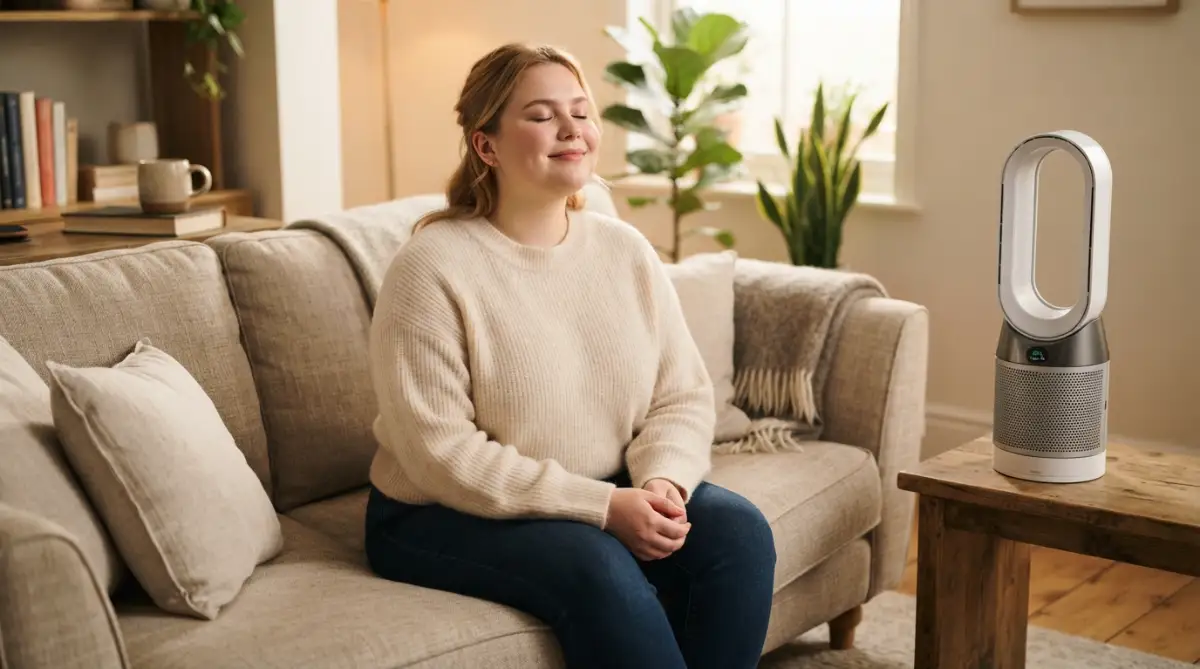
Another mistake is thinking that one air purifier can clean a whole house. These machines have a specific "Clean Air Delivery Rate" (CADR) for a reason. I tried using a small desktop purifier for my entire living room and was confused why it wasn't working. You need to match the size of the machine to the size of the room.
I also used to ignore my bathroom fan. I thought it was just for smells, but it is actually your best defense against mold. If you don't run it long enough after a shower, moisture stays in the walls and grows into a big problem. I now leave my fan running for at least twenty minutes after I finish my shower.
Many people also forget to clean the air purifier itself. If the pre-filter is clogged with hair and dust, the machine can't pull air through. I now check my filters once a month to make sure they are still doing their job effectively. Neglecting your equipment is like trying to breathe through a dirty mask.
Sometimes, our digital habits even impact our physical health in ways we don't realize. If you are constantly stressed by your phone, you might not notice the physical signs of poor air. Learning how to save your mental health from digital overload helped me become more mindful of my physical surroundings.
Why You Should Never Ignore These Air Warnings
If you start smelling a "musty" odor, that is a warning sign you shouldn't ignore. It usually means there is water trapped somewhere it shouldn't be. Mold can start growing in as little as 24 to 48 hours. I once found a small leak under my sink that I had ignored, and it cost me a lot to fix later.
Ignoring these signs can lead to long-term breathing issues and allergies. Your body is very good at telling you when something is wrong. If you find yourself sneezing every time the AC turns on, it is time to inspect your ductwork. You can read more about the health effects of indoor pollutants on Healthline to understand the risks.
We also tend to forget about our pets when it comes to air quality. Their dander and the dirt they bring in from outside can really clog up your home's air. I started brushing my dog outside to keep the loose fur from even entering my living room. It was a small change that kept my house much cleaner.
Another trap is using old vacuum cleaners that don't have a sealed system. If the vacuum leaks, it is just picking up dust from the floor and shooting it out the back into the air you breathe. This is why a high-quality HEPA vacuum is one of the best investments you can make for your home health.
I also realized that I was tracking in a lot of pollutants on my shoes. I started a "no shoes" policy in my house. It sounds simple, but it prevents pesticides, lead dust, and outdoor dirt from getting into my carpets. This one rule cut down the amount of cleaning I had to do by half!
Your Path to a Refreshing Home Sanctuary
Taking control of your indoor air is one of the best things you can do for your family. It is a journey that starts with small, intentional steps. You don't have to be perfect, but being aware is the biggest hurdle to overcome.
I have found that my sleep is deeper and my focus is much sharper now that I prioritize clean air. It is a wonderful feeling to walk into your home and have it smell like... nothing. That lack of scent is the truest sign of a clean and healthy environment.
Everything you do, from changing a filter to opening a window, adds up. These habits create a foundation for long-term wellness. You are not just cleaning a room; you are protecting your health and the health of the people you love.
I want to encourage you to pick just one thing from this guide and do it today. Maybe it is opening a window or finally throwing away those chemical air fresheners. Once you start feeling the difference, you won't want to go back to the way things were. My own journey started with just a single open window, and it changed my entire life at home.
How often should I really change my air filters?
Most experts suggest every three months, but if you have pets or allergies, you might need to do it every month. I check mine every 30 days, and if it looks gray or dusty, I swap it out immediately. This keeps your HVAC system running smoothly and ensures the air remains clean.
Are salt lamps or candles good for air quality?
Most salt lamps do not actually clean the air, even though they look very nice on a desk. Many scented candles actually release soot and chemicals, so it is better to avoid them if you want truly pure air. Stick to beeswax if you really want that cozy glow.
How can I tell if my air quality is bad without a monitor?
Look for signs like frequent sneezing, itchy eyes, or a lingering musty smell in your rooms. If you feel much better and more alert when you leave the house, your indoor air is likely the problem. Pay attention to how your body reacts to different rooms in your home.
Is it safe to leave an air purifier on all night?
It is actually very safe and even helpful to leave it on while you sleep. Most modern units have a quiet mode so they will not disturb your rest while they keep the air fresh. This is one of the best ways to ensure you wake up feeling refreshed.
Disclaimer:The information provided in this blog post is for educational and informational purposes only. I am sharing my personal experiences and the results of my own research to help you understand the basics of indoor air quality. This content is not intended to be a substitute for professional medical advice, diagnosis, or treatment. Always seek the advice of your physician or another qualified health provider with any questions you may have regarding a medical condition.
Furthermore, I am not a professional HVAC technician or environmental scientist. Before making any major changes to your home’s structural ventilation or electrical systems, please consult with a certified professional. Using certain cleaning chemicals or equipment improperly can cause harm, so always follow the manufacturer's instructions.