My Battle with the Grocery Store "Thieves"
You know that sinking feeling when you only ran in for milk, but suddenly you are standing at the checkout staring at a $150 bill? Yeah, I have been there too. I spent years thinking I just lacked self-control, until I realized the supermarket itself is built to empty our wallets. Let me show you how I finally figured out their mental tricks and started keeping my hard-earned cash where it belongs.
I felt like the store was somehow tricking me, but I couldn't prove it. My monthly budget was bleeding out, and I was honestly scared about my savings. I tried cutting out snacks, but I ended up unhappy and just bought more the next week. It was a cycle of guilt and overspending that I just couldn't break.
Then, I realized something that changed everything for me. The problem wasn't my diet or my hunger. The problem was my brain. I started looking into how stores are designed to make us spend.
It turns out, there is a whole science behind why we pick up that extra box of cookies. Once I learned these mental tricks, I started winning the game. My grocery bill dropped by 25% in the first month alone. And the best part? I didn't change a single thing about what I actually ate.
💡 The "Beat The Supermarket" Cheatsheet
- Stick to the edges: Fresh, healthy food lives on the perimeter. The middle aisles are designed to trap you into buying processed stuff.
- Look up and down: Expensive items sit right at eye level. Always check the bottom shelves for cheaper store brands.
- Chew mint gum: Block out the fake bakery smells that make you hungry and trigger sudden impulse buys.
- Ditch the big cart: Use a hand basket if you only need a few things. A giant, empty cart tricks your brain into buying more just to fill the space.
Why We Feel Helpless Against the Supermarket
Most of us feel a lot of stress when we see the total on the checkout screen. Prices seem to go up every week, and our paychecks just don't keep up. This creates a constant state of low-level anxiety.
We walk through the aisles feeling like we are making our own choices. In reality, we are often reacting to triggers that we don't even notice. These triggers mess with our mental peace and our financial goals.
This emotional weight is heavy. It leads to fights with partners about money. It leads to staying up at night wondering where the cash went. It is a struggle that millions of people face every day.
The Secret Geometry of the Grocery Store
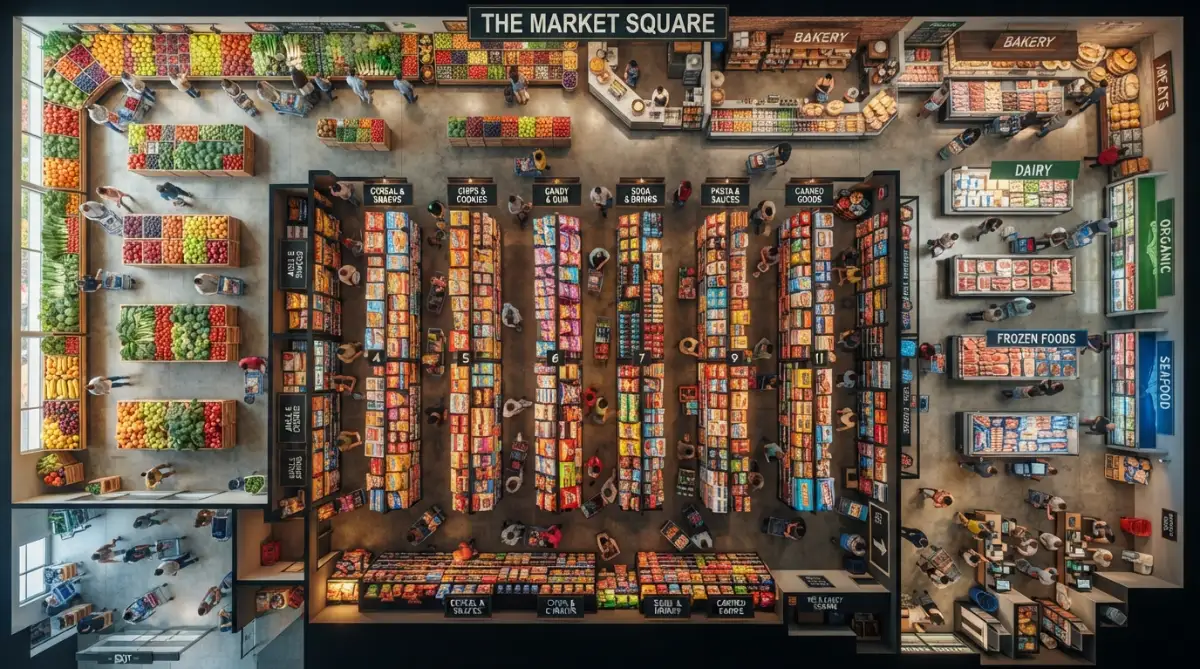
Have you ever noticed that the milk is always at the very back of the store? This is not an accident. The store wants you to walk past every single other item before you get to the basics.
Your brain sees hundreds of items on the way. Each one is a tiny "ask" for your money. By the time you reach the milk, your willpower is already tired. This is called decision fatigue.
To fight this, I started using a "Back-to-Front" mental map. I visualize exactly where the items I need are located. I try to create the shortest path possible to avoid the middle aisles.
The middle aisles are where the high-profit, processed foods live. They are designed to look attractive and easy. If you stay on the edges of the store, you usually find the fresh stuff you actually need.
I used to think I was just bad with money, but then I realized the store layout was literally designed to outsmart me. Now, I treat the store like a maze where the goal is to escape with only what I came for.
Avoiding the "Anchor" Price Trap
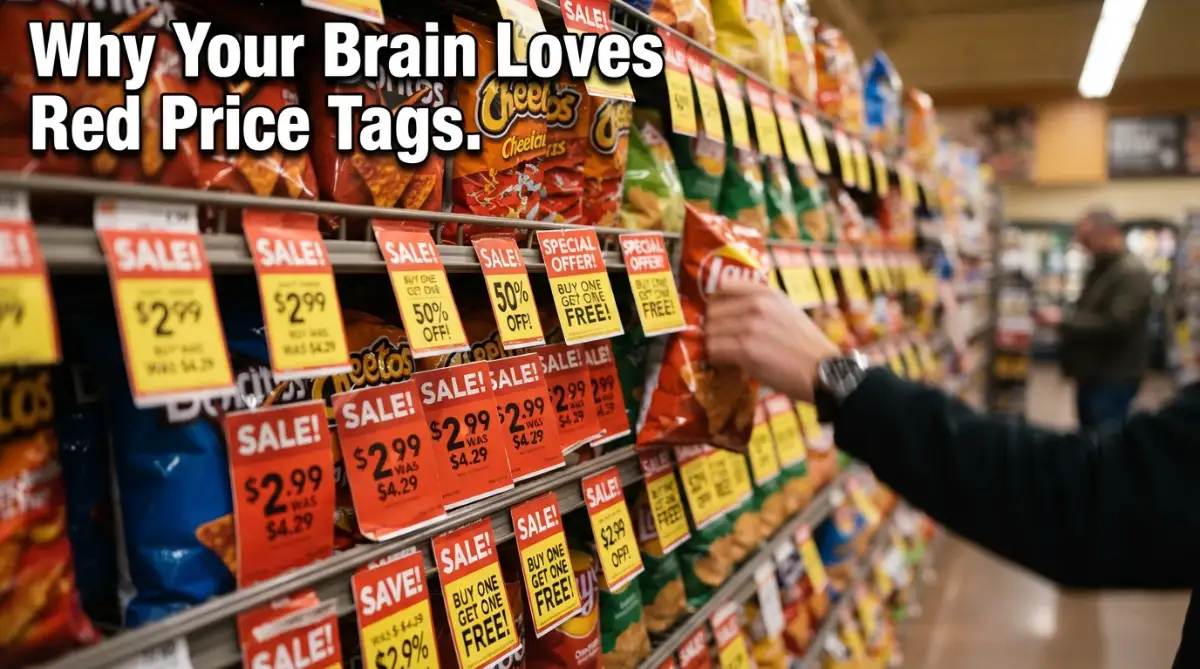
Stores love to put big signs that say "10 for $10." Your brain sees the number 10 and thinks it has to buy that many to get the deal. This is a classic psychological trick called "Anchoring."
Most of the time, you can buy just one for $1 and still get the same price. But because the sign said 10, you feel like you are losing out if you don't grab a bunch. I fell for this for years.
I started checking the fine print on those yellow tags. Usually, the "deal" is just the regular price disguised as a bulk bargain. Always ask yourself: "Would I buy ten of these if the sign wasn't there?"
If the answer is no, then don't let the anchor pull you down. Only buy the amount you actually need for your week. This keeps your pantry from overflowing with stuff you won't eat.
Quick Reality Check: Grocery Store Myths vs. Facts
- Myth: "Buy One, Get One Free" (BOGO) is always the best deal in the store.
- Fact: Stores often raise the base price of the item right before a BOGO sale. I always check the single unit price first—sometimes buying just one regular-priced store brand is cheaper!
- Myth: End-of-aisle displays feature discounted items.
- Fact: Nope! Brands pay big money to rent those endcaps. They are usually full-priced impulse items placed there just to catch your eye.
The Mystery of the Eye-Level Shelf
There is a reason why the most expensive brands are right at your eye level. Companies actually pay the store more money to put their products there. It is the prime real estate of the shopping world.
Your brain is naturally lazy. It wants to grab the first thing it sees that looks "good enough." The store knows this and puts the high-margin items right in your line of sight.
Next time you are looking for pasta or cereal, look down. The bottom shelves often have the exact same ingredients for half the price. These are usually the store brands or bulk options.
I made a rule for myself to always scan the top and bottom shelves first. It felt weird at first, like I was searching for hidden treasure. But the savings I found were very real.
Watch this video to see how supermarkets use science to influence your brain and how you can stay one step ahead.
The Danger of the "Free" Sample
We all love a free snack while we shop. But those tiny cups of cheese or crackers are dangerous for your wallet. It triggers a psychological feeling called "Reciprocity."
When someone gives you something for free, your brain feels a small urge to give something back. Often, that "giving back" is you putting the product in your cart. You feel a subconscious social pressure to buy it.
Also, eating a small, salty snack can make you hungrier. When you are hungry, you are more likely to make impulse purchases. Your brain shifts from "logic mode" to "survival mode."
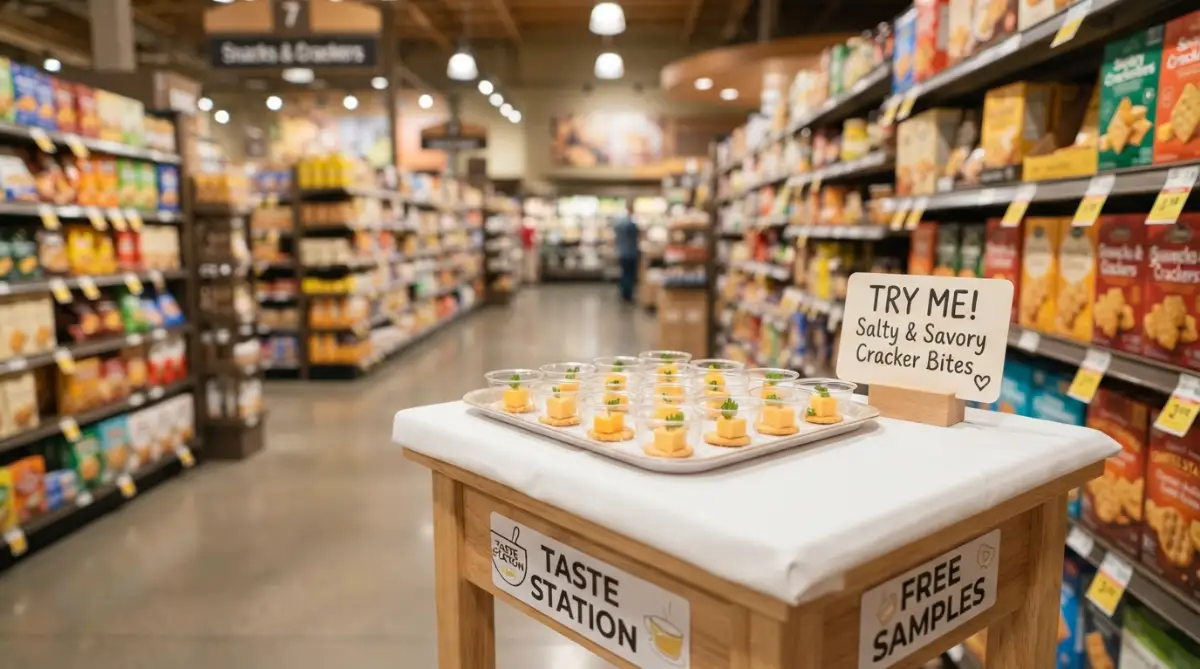
I started saying "No, thank you" to every sample, even if I really wanted it. Keeping your palate neutral while you shop helps you stay focused. It keeps your brain on the list and off the snacks.
The Power of the Physical List
Writing things down on a piece of paper does something special to your brain. It creates a "contract" with yourself. When you use a digital list on your phone, it is too easy to get distracted by notifications.
A physical list acts as an anchor for your focus. When you see something you want but don't need, the list reminds you of your goal. It is a visual representation of your plan.
I noticed that when I have a paper list in my hand, I move faster. I am not browsing; I am on a mission. The faster you get out of the store, the less money you spend.
It also helps to categorize the list by the store layout. Group all the produce together and all the dairy together. This prevents you from running back and forth, which usually leads to "oops" purchases.
Using Smaller Carts to Trick Your Vision
The size of grocery carts has grown significantly over the last few decades. Why? Because a big, empty cart makes us feel like we haven't bought enough yet. It looks "sad" to our brains.
Our brains love symmetry and fullness. If the cart looks empty, we subconsciously look for things to fill the space. This leads to buying items "just in case" or because they look "good."
If I am only getting a few things, I always grab a basket instead of a cart. If the basket gets heavy, it's a physical reminder that I have enough. It stops me from wandering around.
Even if you need a cart, try to visualize it as half-full from the start. Don't let the empty space dictate your spending. You are there to buy food, not to fill a plastic cage.
Understanding Unit Pricing Psychology
Stores often make it hard to compare prices. One brand sells a 12-ounce jar, while another sells a 15-ounce jar. The 12-ounce one looks cheaper at first glance.
But when you look at the "Price Per Ounce" on the shelf tag, the bigger jar might be the better deal. Or sometimes, the smaller one is actually cheaper per unit. Your brain hates doing math, so it guesses.
I started bringing a small calculator or using my phone to check the math. It only takes five seconds. Once you know the true cost, the "sale" often looks like a bad deal.
This simple habit saved me a lot of money on things like laundry soap and rice. It's about looking past the big bold numbers and seeing the real value. Don't let the marketing font fool your eyes.
The "Halftime" Cart Check
Before I head to the checkout line, I always find a quiet corner and look at my cart. I call this my "Halftime Review." I look at every item and ask if it really belongs there.
Usually, there are one or two items I picked up because I was bored or a label looked pretty. By taking them out before I reach the register, I save five to ten dollars every trip.
It is much easier to put an item back when you aren't standing in line with people behind you. The pressure of the checkout line makes us just "go with it" even if we regret the item.
Give yourself permission to change your mind. Your cart is not a final commitment until the cashier scans it. This one-minute habit can be a total game-changer for your monthly total.
Shopping with "Music Awareness"
Supermarkets almost always play slow, upbeat music. Research shows that slow music makes people move slower. When you move slower, you see more items, and you spend more money.
I started wearing headphones and playing fast-paced music or an interesting podcast. It creates a "bubble" around me. I don't get sucked into the "vibe" of the store.
When you control your own audio environment, you stay in charge of your pace. You aren't being led by the store's tempo. It sounds like a small thing, but it helps keep your brain in "task mode."
Try it next time you shop. You will be surprised at how much more focused you feel. It turns a chore into a focused activity and keeps your wallet closed to distractions.
The "Visualizing the Meal" Technique
When we see a cool new sauce or a strange fruit, we often buy it because it looks "interesting." But we don't have a plan for it. This is how food waste happens.
Before you put anything new in the cart, visualize exactly when you will eat it. What day? What time? What else will be on the plate? If you can't see the meal in your head, put it back.
Our brains love the idea of being "the kind of person who eats dragon fruit." But if we don't actually like it or know how to prep it, it's just wasted money. Stick to the reality of your life.
This strategy helps you stay honest with yourself. It ensures that every dollar you spend actually ends up in your stomach, not in the trash can. Realizing this saved me from buying so many "aspirational" vegetables.
Mastering the Mental Game of Grocery Savings
Now that we have covered how stores try to trick your eyes and ears, let’s talk about the deeper stuff. Saving money on food isn't just about what you do in the store. It is also about how you prepare your mind before you even walk through the sliding glass doors.
I have found that my biggest spending mistakes happened when I was mentally tired. When your brain is "low on battery," you stop making good choices and start making easy choices. Easy choices almost always cost more money.
One of the best tricks I ever learned is to treat a grocery trip like an athletic event. You wouldn't run a race without warming up, right? You should also warm up your brain for a budget-friendly shopping trip.
The "Mental Rehearsal" Trick
Before I leave my house, I spend exactly two minutes sitting in my car with the engine off. I close my eyes and visualize my route through the store. I see myself walking past the snacks and the soda without stopping.
This might sound a little strange, but it works. Research from the Association for Consumer Research shows that mental imagery can significantly reduce impulse buying. By "winning" the shopping trip in your head first, you are more likely to win it in real life.
I also take a quick look at my bank account before I go inside. Seeing that actual number reminds me why I am doing this. It makes the "future me" feel more real than the "hungry me" who wants a chocolate bar right now.
The Cash Connection and Spending Pain
In our modern world, we use cards and phones to pay for everything. This makes money feel like a video game or a "fake" number. When you swipe a card, your brain doesn't feel the "pain of paying."
I started carrying a $50 bill for my small grocery trips. When I see that physical piece of paper leave my hand, I feel it. It creates a psychological wall that stops me from adding "random" things to my cart.
When you use physical cash, you are much more likely to keep a running total in your head. You don't want the embarrassment of having too many items at the register. This forced discipline is a great way to start debunking common myths about debt consolidation loans and credit scores because it stops the debt before it ever starts.
Avoiding the "Decision Fatigue" Sinkhole
Every time you choose between two brands of bread, you use up a little bit of mental energy. By the time you get to the checkout line, your brain is "fried." This is why stores put candy and magazines right at the end.
They know your willpower is at its lowest point. To beat this, I try to shop during "off-peak" hours when the store is quiet. When there are fewer people and less noise, I don't get tired as fast.
I also avoid making big life decisions on the same day I go grocery shopping. If I had a hard day at work, I don't go to the store. I wait until Saturday morning when I am fresh and calm.
The Psychology of "Store Loyalty"
We often go to the same store every week because it is familiar. We know where everything is, and we feel comfortable there. But that comfort can be a trap.
When you know a store too well, you stop looking at the prices. You just grab the same items you always get. Sometimes, the store raises the price of your favorite items because they know you won't check.
I make it a point to try a different grocery store once a month. This "newness" keeps my brain alert. I find myself looking at prices more carefully because I don't have a "habit" in that new building.
According to a study on consumer behavior from Harvard University, breaking a routine is the best way to spot new opportunities. You might find that the "budget" store nearby has the exact same milk for two dollars less. Don't let comfort drain your savings account.
Using Scents to Stay Focused
Did you know that some stores pump the smell of fresh bread through the air vents? This is meant to make you hungry and happy. When you are hungry and happy, you spend more money.
I started chewing a strong piece of mint gum as soon as I walked into the store. The mint flavor "numbs" your sense of smell. It blocks those artificial food scents that try to trigger your hunger.
It also gives your mouth something to do. When you are chewing, you are less likely to crave the snacks you see on the shelves. It’s a simple, five-cent trick that has saved me hundreds of dollars over time.
This is a great example of "environmental control." You can't change the store, but you can change how you experience it. Just as you might learn how to secure your home wi-fi router from hackers fast to protect your data, you must protect your senses from marketing tricks.
The Danger of "Shopping for Your Future Self"
One of the biggest mistakes I used to make was buying food for the person I wished I was. I would buy kale, raw ginger, and bags of lentils. I told myself I would start a "super-healthy" diet on Monday.
But Monday would come, and I would be too tired to cook those things. The kale would turn yellow in the fridge, and I would order a pizza. This is called "Aspirational Buying," and it is a massive waste of money.
I had to be honest with myself. If I don't like cooking lentils on a Wednesday night, I shouldn't buy them. Now, I only buy food that the "Real Me" will actually eat.
Buying food that ends up in the trash is like throwing cash directly into the bin. It is a hidden financial trap that destroys 90 of new startups and families alike. Be honest about your habits, and your wallet will thank you.
Falling for the "Health Halo" Trap
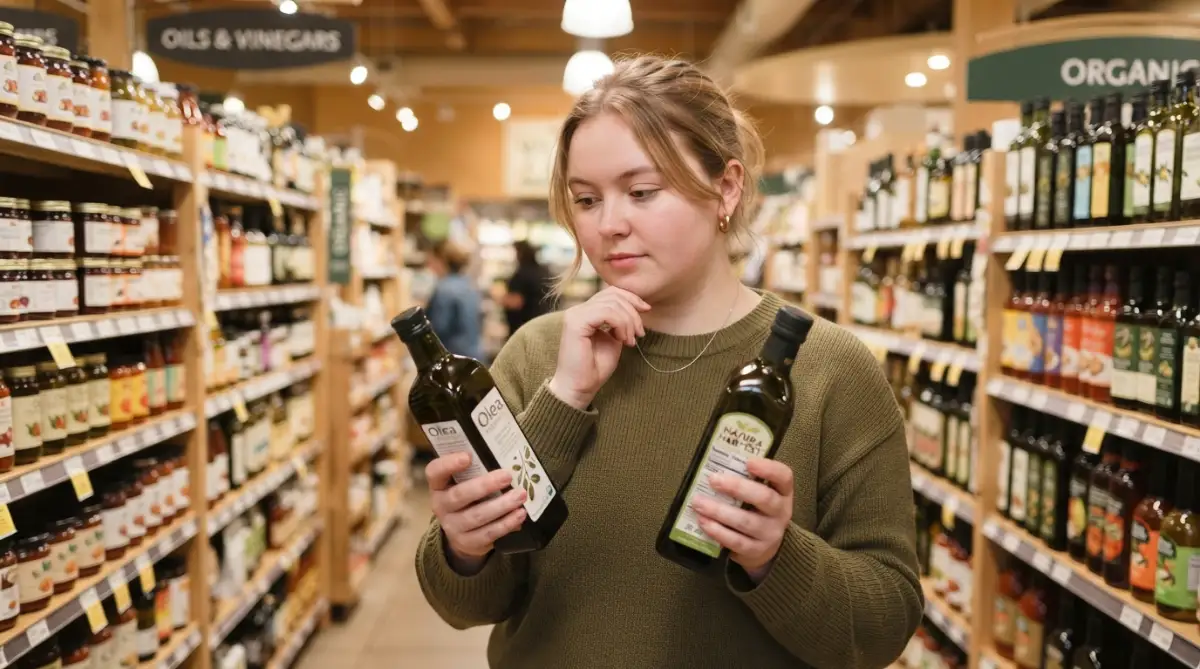
Have you ever noticed how some boxes look "earthy" with brown paper and green leaves? These products often use words like "Natural" or "Artisan." This creates a "Health Halo" in your mind.
Your brain thinks, "This is good for me, so the price doesn't matter." But if you look at the back of the box, the ingredients are often the same as the cheaper brand. You are paying extra for the feeling of being healthy.
I started ignoring the front of the packaging entirely. I only look at the nutrition label and the price tag. Once you see the numbers, the "magic" of the fancy box disappears.
Marketing is a powerful tool, but logic is stronger. Don't let a pretty picture of a farm trick you into paying double. Always look for the facts, not the feelings, when you are standing in the aisle.
The "Social Pressure" of a Full Cart
Sometimes, we buy things because we are afraid of what the cashier or the person behind us thinks. We don't want to look "poor" or "cheap." We want our cart to look full of high-quality items.
I used to feel embarrassed if my cart only had generic brands and no "fancy" snacks. But then I realized that the cashier doesn't care. They are just trying to get through their shift.
The person behind you in line is usually looking at their own phone anyway. They aren't judging your choice of toilet paper. This "imaginary audience" is a psychological trick our own minds play on us.
Once I stopped caring about the "social look" of my groceries, I felt so much more freedom. It’s the same feeling you get when you finally escape the burnout and find sustainable work habits. Realizing that nobody is watching you is a superpower for your budget.
Buying "Convenience" at a 400% Markup
Your brain loves the idea of saved time. This is why pre-cut onions and bagged salads are so popular. They promise to make your life easier.
But if you look at the price, you are often paying four times more for someone to chop a vegetable. Your brain sees the "saved time," but it forgets to see the "lost money." I call this the "Convenience Tax."
I started timing myself. It takes exactly 60 seconds to chop an onion. Is that one minute of work worth three extra dollars? For most of us, the answer is no.
I treat my time in the kitchen as a way to "earn" money. By doing the work myself, I keep that extra cash. It is a small mindset shift that adds up to big savings every single month.
The "Convenience Tax" Breakdown: Is it worth your time?
Here is a quick look at how much extra you actually pay for someone else to chop your food. I did the math on my last shopping trip:
| Grocery Item | Whole/Uncut Price | Pre-Cut/Packaged Price | The Markup |
| :--- | :--- | :--- | :--- |
| Fresh Pineapple | $2.50 (for the whole fruit) | $6.00 (small plastic cup) | + 140% |
| Block of Cheddar Cheese | $3.00 (8 oz block) | $4.50 (8 oz shredded bag) | + 50% |
| Whole Carrots | $1.00 (per pound) | $2.50 (bag of baby carrots) | + 150% |
Takeaway: Spending five minutes prepping your own food pays you back better than most side jobs!
The "Stockpile" Panic Mistake
Sometimes we see a big "Sale" sign and we buy five of an item "just in case." We think we are being smart and prepared. But often, we end up with a pantry full of stuff we don't need.
This "Scarcity Mindset" is a survival instinct from our ancestors. They had to store food for the winter. But we have grocery stores on every corner that are open 24/7.
I only stockpile items that I use every single day, like coffee or rice. For everything else, I buy only what I need for the week. This keeps my kitchen organized and my money "liquid."
Having your money tied up in twenty cans of beans isn't helpful if you need that money for a car repair. Just like planning a solar upgrade and avoiding electrical mistakes, you have to balance your long-term goals with your current needs. Don't let a "deal" lock up your cash.
Taking Control of Your Food Future
Saving money on groceries is not about eating less. It is not about eating "boring" food. It is about understanding the psychological battles that happen every time you go shopping.
When you start to see the tricks, they lose their power over you. You become the "manager" of your own money. It feels amazing to walk out of a store knowing that you only bought exactly what you needed.
This new mindset will bleed into other parts of your life, too. You will start to see marketing tricks in car ads, clothing stores, and even why unlimited bandwidth is the biggest lie in web hosting. Once your eyes are open, you can't close them again.
You have the power to change your financial story. It starts with a simple list, a piece of mint gum, and a calm mind. You can do this, and you can start right now.
I spent years feeling like I was "bad with money" until I learned these simple tricks. Now, I feel a sense of pride every time I see my grocery receipt because I know I outsmarted the system. I want you to feel that same win today, so grab a pen and start your list for your next trip!
Common Questions About Grocery Psychology
Does shopping online actually save money?
Yes, shopping online can be a huge help because it removes the physical "triggers" of the store. You aren't smelling the bakery or seeing the colorful "end-cap" displays. You can see your total in real-time, which stops you from overspending before you "checkout."
Why do I always buy more when I shop with my kids?
Kids are very sensitive to the "bright and shiny" marketing on lower shelves. Also, having kids with you increases your "decision fatigue" because you are busy managing them. This makes you more likely to grab easy, expensive snacks just to keep things moving quickly.
Is the "store brand" really the same as the name brand?
In almost all cases, yes. Many store brands are made in the exact same factories as the famous brands. The only real difference is the fancy box and the millions of dollars spent on TV commercials. Look at the ingredient list, and you will see that you are often paying for the name, not the quality.
Should I use coupons to save more?
Only use a coupon if it is for an item you were already going to buy. Coupons are often used as "bait" to get you to try a more expensive brand. If a coupon makes you buy something you don't need, you aren't saving money; you are spending it.
Disclaimer: This article is for informational purposes only. Personal finance situations vary, and you should consider your own budget and needs before making major changes. We do not provide professional financial or legal advice.