My Personal Battle with the Glowing Screen and How I Won
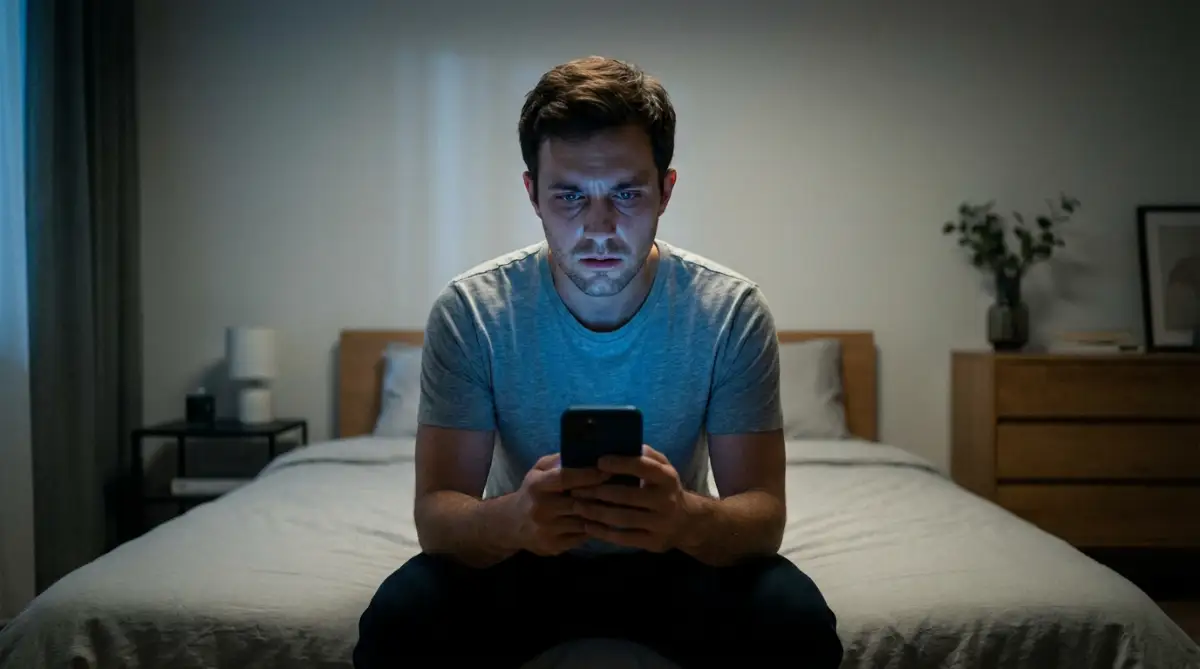
Let’s be honest. If you check your screen time right now, the numbers might actually scare you. I know mine did. I spent years acting like a zombie, letting tiny red notification dots boss me around before I even got out of bed. It took a lot of trial and error, but I finally figured out how to take my brain back. Today, I am going to show you the exact, simple steps I used to fix my focus for good.
It was honestly scary how much power my devices had over me. I would sit down to work, and an hour later, I was still watching random videos about things I didn't care about. I felt guilty, tired, and like I was failing at my life. I knew I had to stop the noise and find myself again.
Many people are feeling this same heavy weight today. You might feel like you are always "on" but never actually getting anything important done. It feels like your brain is being pulled in a thousand directions at once. This constant jumping from app to app is making us stressed and restless.
I spent months trying to figure out why I couldn't just "stop." I learned that it is not just about willpower. These apps are designed to keep us hooked. But once I understood the trap, I found a way out, and I want to help you do the same.
What You Will Learn Today (The Quick Summary)
- How tiny red dots are secretly draining your mental energy before noon.
- My simple "Paper First" morning routine that easily doubled my daily output.
- Why putting your phone in grayscale mode makes it boring on purpose.
- Easy ways to set up physical "no-phone zones" in your own house to sleep better.
Why Your Brain is Struggling to Stay Focused Right Now
Our brains were not built for the amount of data we feed them every day. Every time your phone pings, your brain gets a tiny hit of a chemical called dopamine. This makes you feel a quick "high," but it also makes you want more. It is a loop that never ends unless you break it.
Think of your focus like a bucket of water. Every notification is a tiny hole in that bucket. By noon, your bucket is empty, and you have no energy left for the things that actually matter. You are not lazy; you are just leaking energy everywhere.
Myth vs Fact: The Multitasking Lie
- The Myth: Checking your phone while working makes you a great multitasker.
- The Fact: Studies show that switching between tasks can cost you up to 40% of your productive time. You aren't multitasking at all; your brain is just frantically restarting over and over again, which leaves you totally wiped out by dinner.
The first step is to see these distractions for what they really are. They are not just "tools." Sometimes, they are thieves stealing your most valuable thing—your time. We need to stop the leaks before we can fill the bucket again.
I realized that I was using my phone to hide from hard work. Whenever a task felt difficult, I would pick up my phone for a "quick break." That break would last thirty minutes. I was training my brain to run away whenever things got tough.
Finding the Hidden Time Thieves in Your Daily Routine
You cannot fix what you cannot see. Most of us think we only spend "a few minutes" on social media. But the data usually tells a much more painful story. You need to look at your screen time settings right now.
When I first looked at my own stats, I was shocked. I was spending five hours a day on my phone. That is thirty-five hours a week! That is almost a full-time job spent just staring at a piece of glass.
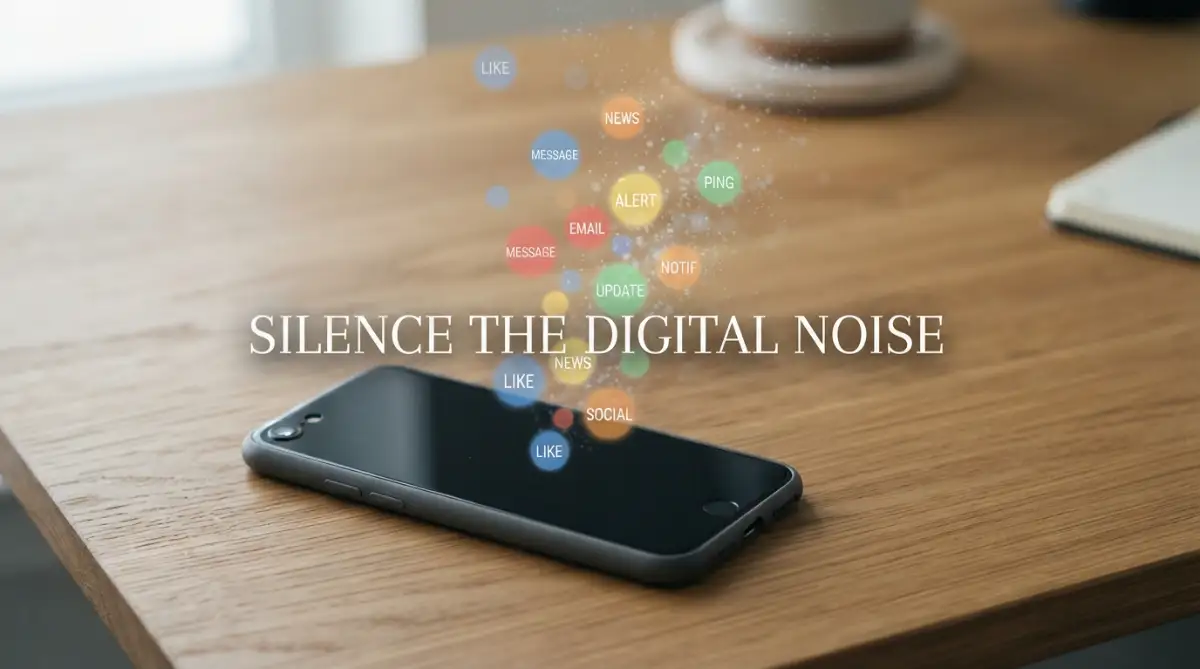
Identify which apps are your biggest "time sinks." For some, it is the news. For others, it is endless scrolling through short videos. Once you name the thief, it loses its power over you.
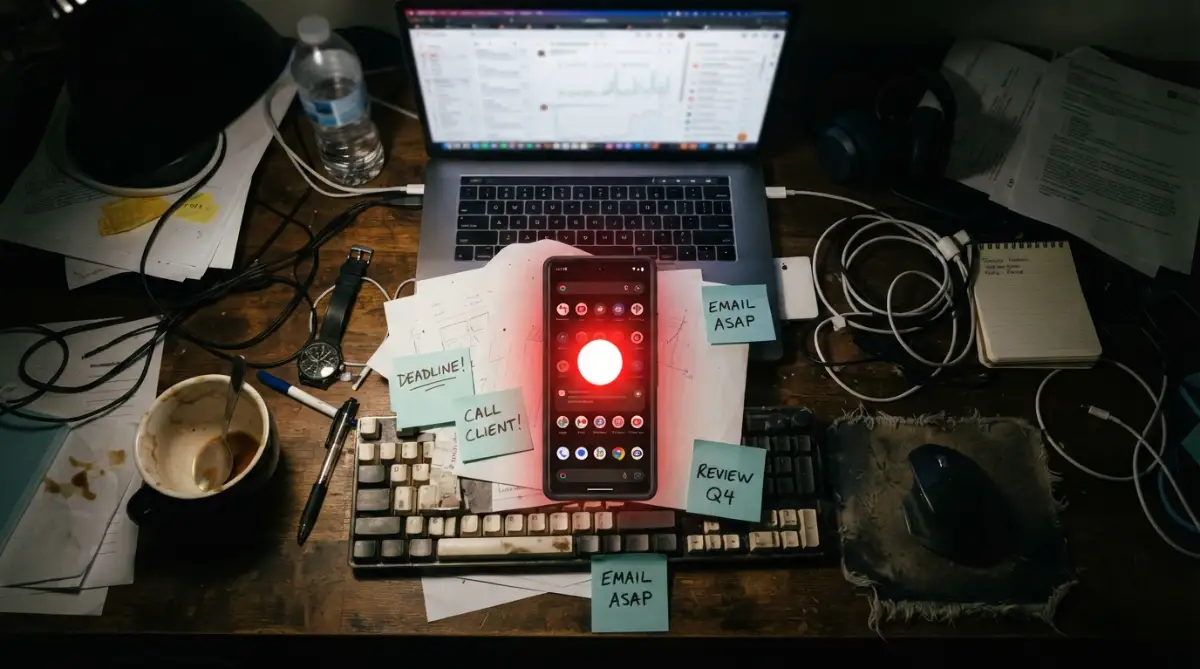
Pro Tip: I found that moving my most distracting apps to the very last page of my phone helped a lot. If I don't see the icon immediately, I often forget I even wanted to check it. It adds a small "speed bump" to my bad habits.
The Science of Why We Can't Put the Phone Down
Scientists have found that "switching costs" are real. Every time you look at a text while working, it takes your brain about twenty minutes to get back into a deep state of focus. If you check your phone every ten minutes, you are never actually focused.
We need to protect our mental space like it is a gold mine. Because in today's world, focus is the new super-power. If you can focus while everyone else is distracted, you will win at whatever you do.
Setting Up Your Digital Fortress for Success
You need to change your environment if you want to change your habits. If your phone is sitting right next to your keyboard, you will pick it up. It is an almost automatic reaction. Your environment is stronger than your willpower.
I started leaving my phone in another room during my work hours. At first, I felt anxious. I kept thinking I was missing something important. But after an hour, that feeling went away, and I finally felt a sense of calm.
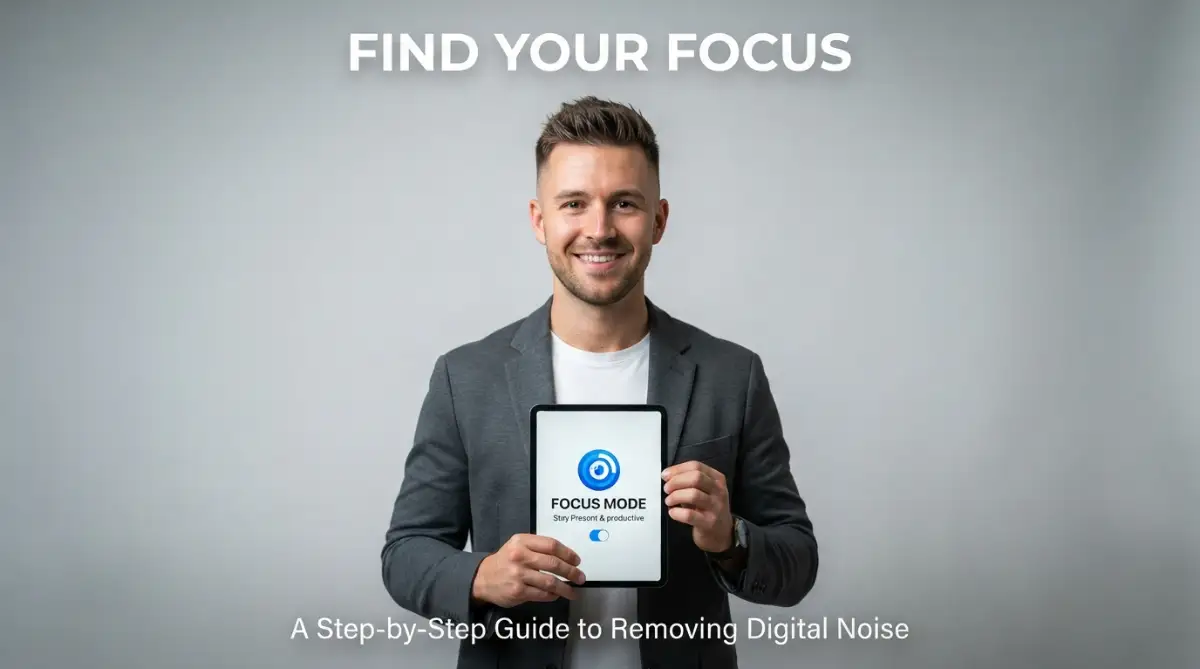
You can also use "focus modes" on your devices. These are built-in tools that block everything except what you really need. Set them up so that only your family can reach you in an emergency. Everything else can wait.
If you want to see a real-life example of how these settings work, watch this helpful guide below.
How to Set Up Focus Modes on Your Devices Quickly
Re-Training Your Brain to Enjoy Being Bored
One of the biggest problems is that we have forgotten how to be bored. The moment we have a second of quiet—like waiting for a bus or standing in line—we grab our phones. We are losing the ability to just sit with our own thoughts.
Boredom is actually where great ideas come from. When your brain isn't busy consuming content, it starts creating content. It starts solving problems you’ve been worried about. We need to invite a little bit of boredom back into our lives.
Try going for a ten-minute walk without your phone. It will feel strange at first. You might even feel bored or annoyed. But soon, you will notice the birds, the trees, and the thoughts in your head. This is your brain coming back to life.
I started doing this every evening. I would leave my phone on the kitchen counter and just sit on my porch. Those ten minutes became the best part of my day. It felt like I was finally meeting myself again after a long time.
The Power of a "Paper First" Morning Routine
How you start your day sets the tone for everything else. If you start with emails and news, you are starting in a "reactive" state. You are letting the world tell you what to think about. You are already distracted before your day even begins.
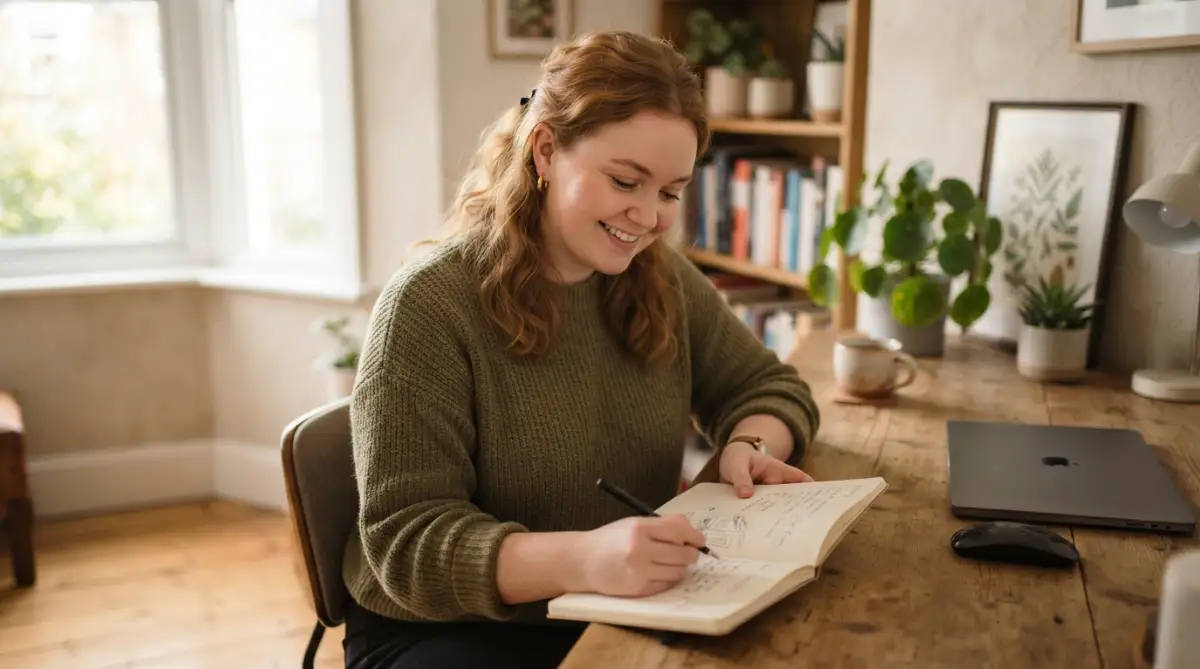
I switched to a "Paper First" morning. I spend the first hour of my day with a notebook and a pen. I write down my goals, I read a physical book, or I just plan my day. My phone stays off until I have finished my morning coffee.
This one change doubled my productivity. I felt like I was the boss of my day again. I wasn't responding to other people's needs; I was focusing on my own growth. It is a small shift that creates a massive result.
Creating a Physical "No-Phone Zone" in Your Home
Your home should be a place of rest, not a place of constant digital noise. Pick one room or one area where phones are never allowed. For me, that was the dining table and the bedroom.
Eating without a screen makes the food taste better. It makes the conversation with your family deeper. You actually look at the person across from you instead of a screen. It builds real human connection that an app can never give you.
In the bedroom, keep your phone away from your bed. Buy a cheap alarm clock so you don't use your phone as an alarm. This prevents you from scrolling late at night and as soon as you wake up. Your sleep will improve almost instantly.
I noticed that my stress levels dropped within just three days of making my bedroom a no-phone zone. I stopped worrying about things I couldn't control right before sleep. I woke up feeling more rested and ready to face the world.

The "One Tab" Rule for Better Computer Focus
When you are working on your computer, how many tabs do you have open? If you have twenty tabs open, you have twenty things fighting for your attention. Each open tab is a tiny "to-do" item that is draining your brain.
Try the "One Tab" rule. Only have the tab open that you are currently working on. If you are writing an email, only have your email open. If you are researching, only have your research tab open. Close everything else.
This sounds simple, but it is very hard to do at first. We like the feeling of having everything ready. But having everything ready means being distracted by everything. Focus on one thing, finish it, and then move to the next.
I found that this rule alone cut my work time by two hours. Because I wasn't jumping between tabs, I finished my tasks much faster. I stopped feeling busy and started being productive. There is a huge difference between the two.
My Quick "Tab Diet" Checklist:
Want to try the One Tab rule but feel scared? Here is how I do it without losing my mind:
- Pin your email tab, check it once, and completely close it while typing a response.
- Use a free "read later" browser extension for articles you want to read.
- Ask yourself out loud: "Do I really need this window open right this second?" If not, hit that X button.
Using "Grayscale Mode" to Make Your Phone Boring
The people who build apps use bright colors like red and blue to grab your attention. These colors are designed to excite your brain. Your phone is basically a tiny slot machine in your pocket.
There is a secret setting on almost every phone called "Grayscale." It turns your entire screen black and white. Suddenly, Instagram doesn't look so interesting. Those red notification dots don't look so urgent.
When I turned my phone to grayscale, I found myself looking at it much less. The "magic" was gone. It became just a tool, like a hammer or a screwdriver. It wasn't an entertainment center anymore. It was just a phone.
Give this a try for twenty-four hours. You will be amazed at how much less you want to check your apps. It is one of the easiest ways to break the habit of mindless scrolling without deleting any apps.
Building a "Deep Work" Schedule That Actually Works
Focus is a muscle. You can't expect to focus for four hours if you haven't practiced. You need to start small and build up your strength. This is where the concept of "Deep Work" comes in.
Set a timer for twenty-five minutes. During those twenty-five minutes, you do nothing but your main task. No phone, no bathroom breaks, no checking the weather. Just work. Then, take a five-minute break to stretch.
This is often called the Pomodoro technique. It works because it tells your brain that the "pain" of focusing has an end point. It is much easier to focus when you know a break is coming soon.
I started with just two of these sessions a day. Now, I can do four or five. My brain has learned how to stay in the "zone" for longer periods. It is like training for a marathon, but for your mind.
Dealing with the "Fear of Missing Out" (FOMO)
The biggest thing that keeps us attached to our digital distractions is the fear that we are missing out. We think if we don't check our messages, something bad will happen. Or we think we will miss a joke or a piece of news.
But the truth is, most "news" is just noise. Most messages can wait an hour or two. The world will not stop turning if you are offline for a few hours. In fact, most things get better when you take your time to respond.
When you let go of the need to know everything immediately, you gain something much better: peace. You realize that the most important things in your life are usually right in front of you, not inside a screen.
I had to remind myself that "missing out" on a social media post meant "tuning in" to my real life. I was missing out on my own thoughts and my own peace. Once I realized that, the fear went away.
Why Quality of Attention is Better Than Quantity of Time
We often focus on how many hours we work. But the real secret is the quality of those hours. One hour of deep, focused work is worth five hours of distracted work. You can get more done in a morning of focus than most people do in a whole week.
When you remove digital distractions, you are upgrading the quality of your life. You are giving your brain the space it needs to be brilliant. You are no longer a slave to the "ping." You are the master of your attention.
It takes practice and it takes patience. You will fail some days. You will find yourself scrolling again. That is okay. Just put the phone down and start again. Each time you choose focus over distraction, you are winning.
I hope this guide helps you see that you have the power to change. You don't have to be tired and distracted forever. You can reclaim your focus, your time, and your life. It starts with one small choice today.
Mastering Your Mental Space: Moving Beyond Simple Fixes
Once you have the basic settings on your phone figured out, it is time to look deeper. Taking control of your digital life is not a one-time event. It is a daily practice that keeps your mind sharp and ready for big things.
I found that the most powerful changes happened when I stopped looking at my phone as a toy. I started seeing it as a tool that needs very strict rules. If you don't set the rules, the apps will set them for you, and they don't care about your goals.
One advanced trick I use is called "Batching Your Digital Life." Instead of checking your email or messages twenty times a day, pick three specific times to do it. Maybe once at 10 AM, once after lunch, and once before you finish work.
When you do this, you give your brain a huge gift. You are telling your mind that it doesn't need to be "on alert" all day long. This reduces that hidden stress that many of us carry without even knowing it. Learning to stop multitasking is one of the best things you can do for your brain health.
Another big secret is the "Physical Distance Rule." If I am doing something that needs my full brainpower, my phone is not just face down; it is in another room. Science shows that just having a phone on your desk—even if it is off—takes away some of your focus.
Your brain knows the phone is there, and a tiny part of your mind is always waiting for it to do something. By moving it away, you free up that mental energy for your real work. This is how you move from being a distracted worker to someone who gets things done fast.
I also suggest looking into "Analog Alternatives." If you need to make a list, use a real notebook. If you need to check the time, wear a watch. The more you can do away from a screen, the less likely you are to get sucked into a "digital black hole."
I used to use my phone for everything—the weather, my calendar, my notes. But every time I checked the weather, I ended up on social media for twenty minutes. Now, I have a weather station on my wall and a paper planner on my desk. It sounds old-school, but it works better than any app ever could.
To keep these results for a long time, you need to find a "Deep Focus Buddy." Find a friend who also wants to be less distracted. You can check in with each other once a week to see how you are doing. It makes the journey less lonely and much more fun.
If you struggle with memory because of these digital habits, you might want to look into fixing toxic study habits. It is amazing how much our screen time affects our ability to remember simple things.
The Hidden Traps That Can Ruin Your Progress
Many people try to fix their focus and fail because they make a few simple mistakes. The biggest one is thinking that willpower is enough. You can't just "try harder" to ignore a device that was built by thousands of experts to be addictive.
If you rely only on your willpower, you will eventually get tired. And when you are tired, you will reach for the phone. You have to build a system that makes it hard to be distracted. Don't test yourself; protect yourself.
Another mistake is the "Just One Second" lie. We tell ourselves we will just check one message or one notification. But our brains don't work like that. That one second turns into a twenty-minute search for nothing.
Every time you "just check," you break your flow. It is like stopping a car every few feet; you never get any real speed. This habit is a silent killer of dreams because it keeps you from doing your best work.
I also see people trying to go "cold turkey" and failing. They delete every app and try to live like it is the 1800s. This usually lasts for two days, and then they go back to their old ways even worse than before.
It is much better to make small, steady changes that you can actually keep. Start with one "no-phone" hour a day. Then make it two. Build the habit like a muscle, not like a light switch.
People also forget to replace the "screen habit" with something else. If you take away your phone but have nothing to do, you will feel restless. You need to have a book ready, a hobby, or even just a plan for a walk.
Without a replacement, your brain will feel empty and bored. And a bored brain will always go back to the easiest source of excitement—the screen. I started keeping a book in my bag at all times so I never feel tempted to scroll while waiting in line.
We also tend to ignore how much blue light affects our rest. If you are on your phone late at night, you won't sleep well. And when you don't sleep, you have even less focus the next day. It is a cycle that can ruin your health if you are not careful.
Lastly, don't ignore the emotional side of this. Often, we scroll because we are stressed, lonely, or bored. If you don't deal with those feelings, the digital distractions will always find a way back in. Be kind to yourself as you learn to be more focused.
Your New Path to Mental Clarity and Peace
Taking these steps will change your life in ways you can't even see yet. You will start to feel calmer, your work will get better, and you will have more time for the people you love. It is about taking back your power from the machines and the apps.
Imagine a day where you wake up and feel in control. You finish your most important work before noon. You spend your evening talking to your family without looking at a screen. This is not a dream; it is what happens when you remove the noise.
I have seen people double their income just by learning how to focus for two hours a day. I have seen students go from failing to top of their class. The secret was never more talent; it was always more focus.
Think about how much energy you have been losing to random videos and endless news. When you stop that leak, all that energy stays with you. You will feel younger, sharper, and more excited about your future.
You might even find that your physical health improves. When I stopped being so distracted, my blood pressure became much more stable. Our bodies and minds are connected in ways that we are still learning about.
This journey is not about being perfect. It is about being better than you were yesterday. Some days you will be great, and some days you will spend too much time on YouTube. That’s okay. Just get back to your focus the next morning.
The world needs more people who can think deeply and stay calm. By choosing to remove digital distractions, you are becoming a leader in your own life. You are showing others that it is possible to live a quiet, focused, and meaningful life.
I know how hard it is to put the phone down for the first time. But I also know the feeling of peace that comes when you finally do. I want that peace for you more than anything else.
Helpful Answers to Your Focus Questions
Can I still use social media at all?
Yes, you can, but you should use it with a goal. Instead of scrolling for hours, decide to spend 15 minutes checking on friends, and then close the app. Treat it like a scheduled task, not a way to fill your empty time.
What if I need my phone for work?
If your work requires a phone, use a "Work Focus" mode that only allows work-related apps. You can also use the desktop version of apps like WhatsApp or Slack to avoid picking up your physical phone. This keeps your hands away from the device that has all the "0/" distractions.
How long does it take to see real results?
Most people feel a big difference in just three to five days. Your brain needs a little time to "reset" and get used to the lower levels of dopamine. Stick with it for a week, and the urge to check your phone will naturally start to fade away.
Is it okay to be bored sometimes?
Actually, it is very good for you! Boredom is when your brain rests and starts to think of new ideas. Try to see boredom as a "mental spa day" rather than something you need to fix with a screen. You will be surprised at the creative thoughts that pop up.
What should I do if I have a "digital relapse"?
Don't worry about it too much. Everyone has days where they scroll too much. The important thing is to notice it and get back to your routine the next day. A single bad day doesn't erase all the progress you have made so far.
Taking Your First Step Toward a Focused Life
I really believe that you have something amazing inside you that the world needs to see. But you can't show it to us if you are always looking down at a screen. You are more than a consumer of content; you are a creator of your own destiny.
I started this journey with a very messy brain and a lot of stress, and today I feel like a completely different person. My life is quieter now, but it is also much louder in the ways that count—more laughter, more deep talks, and more real success. I know you can feel this same freedom if you just take that first step and put the phone in the other drawer for a while.
Disclaimer: This article is for informational purposes only and does not provide medical or professional mental health advice. If you feel that your digital habits are causing severe distress or anxiety, please speak with a healthcare professional or a licensed therapist to get personalized support for your well-being.