My Personal Battle with the Midnight Glow
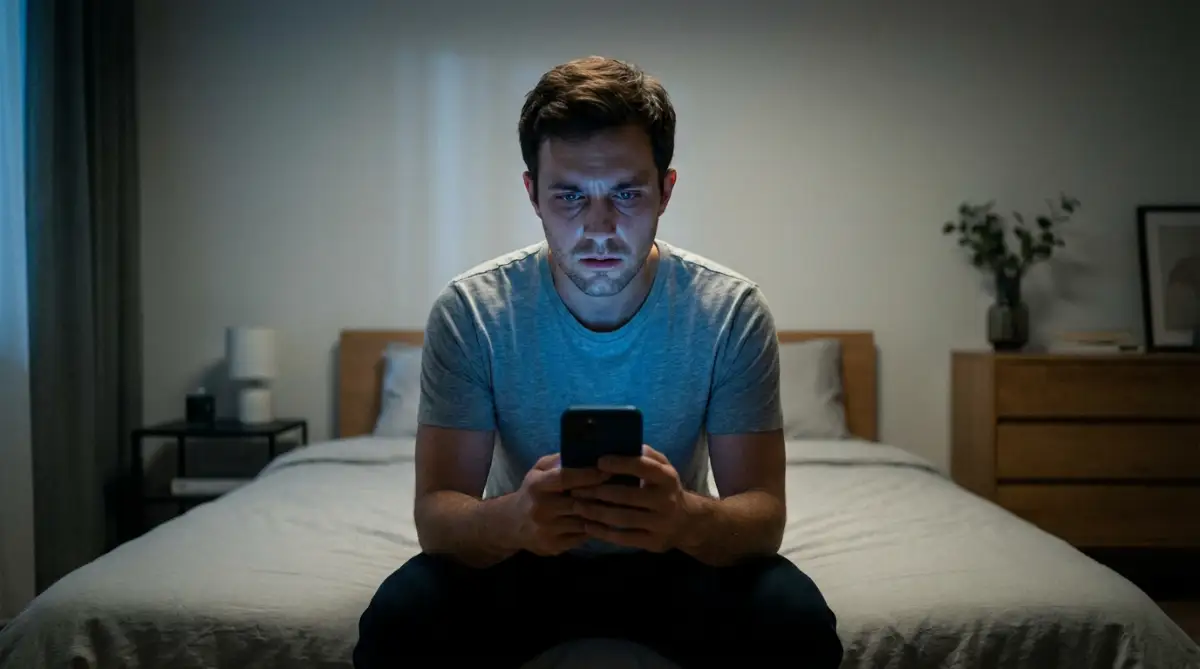
Let's be honest—we all know we shouldn't stare at our phones right before bed. But when it's midnight and the house is completely quiet, that glowing screen is almost impossible to ignore. I spent years fighting this exact same habit, waking up feeling totally drained and annoyed. It took me a long time to figure out that my late-night scrolling wasn't just a bad habit; it was actually confusing my brain's internal clock.
I would toss and turn for another hour, feeling frustrated and completely wide awake. The next morning was always a nightmare because I felt like a zombie at my desk. I tried drinking more coffee, but it didn't help the heavy feeling in my head.
I didn't realize that the tiny device in my hand was actually tricking my brain. It was telling my body that it was still daytime, even though the world was dark outside. This was my first real encounter with the hidden power of blue light.
Quick Takeaways: How to Sleep Better Tonight
- Start a Digital Sunset: Turn off all bright screens one hour before going to bed.
- Swap Your Bulbs: Use warm amber or red light bulbs in your bedroom lamps.
- Get Morning Sun: Step outside for 10 minutes right after waking up to reset your body clock.
- Follow the 20-20-20 Rule: Give your eyes a break from screens every 20 minutes to stop eye strain.
The Frustrating Reality of Modern Insomnia
Millions of people go through this same struggle every single night without knowing why. You might think you are just a "night owl," but the truth is much more scientific. Our modern lives are surrounded by artificial lights that mess with our internal clocks.
When you can't sleep, it doesn't just make you tired the next day. It starts to eat away at your mood, your focus, and your long-term health. You might find yourself snapping at your family or making simple mistakes at work.
The mental fog that comes from poor sleep is like walking through thick mud all day. It is exhausting to fight your own body just to stay awake and productive. We often blame stress, but the real enemy might be the LED bulbs and screens in our homes.
The Science of Why Screens Keep Us Awake
To fix the problem, we first need to understand what is happening inside our heads. Our bodies have a natural clock called the circadian rhythm that follows the sun. For thousands of years, humans went to sleep when it got dark and woke up with the light.
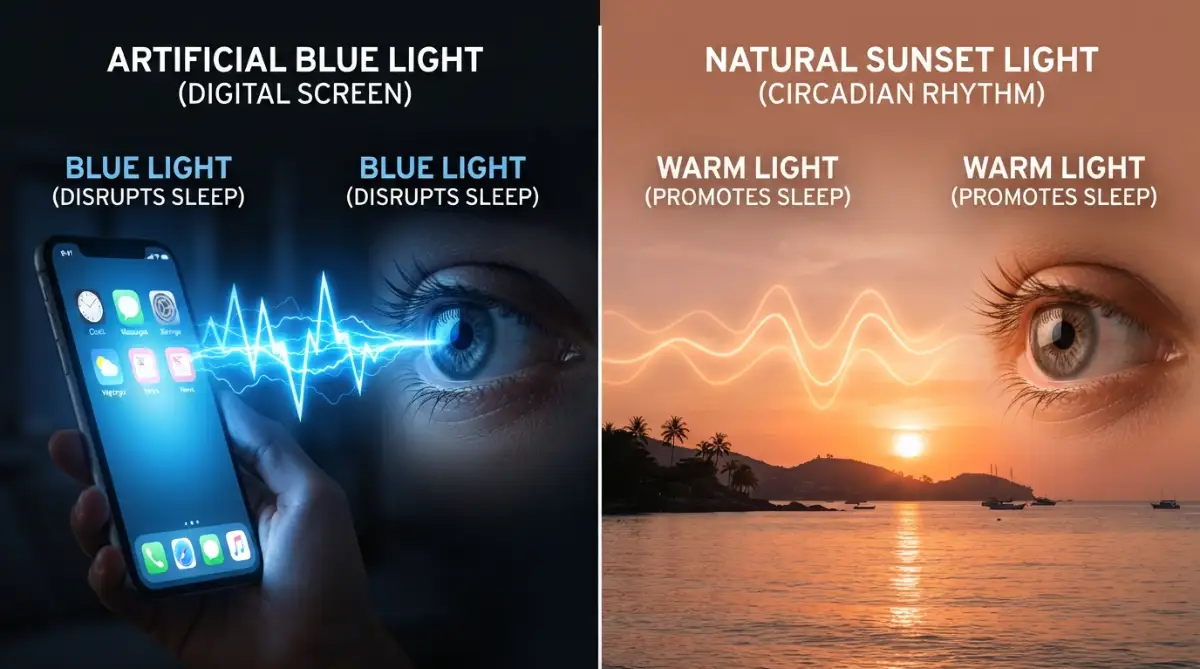
Blue light is actually a natural part of sunlight that helps us stay alert and focused during the day. However, our phones, tablets, and LED TVs are packed with this specific type of light. When we look at them at night, we send a false signal to our brain.
The brain sees this blue light and thinks, "Hey, it's noon! Let's stay awake and active!" This stops the production of melatonin, which is the chemical that helps us fall into a deep sleep. Without melatonin, your body stays in high gear when it should be slowing down.
To put this into perspective, think about the light levels we experience daily. Here is a quick breakdown of how much blue light hits your eyes:
- Midday Sun: ~100,000 lux (Signals your brain to be fully awake)
- Office Lighting: ~500 lux (Keeps you alert)
- Smartphone Screen at Night: ~50 lux (Just enough to block melatonin and ruin your sleep)
- Even that small amount of screen glow is enough to trick your nervous system into thinking the sun is still up!
How to Reclaim Your Sleep Without Giving Up Technology
You don't have to throw away your phone to get a good night's rest. The goal is to manage how and when you use these devices so your brain can relax. Here are some simple, science-backed ways to protect your sleep naturally.
Create a Digital Sunset Every Evening
The most effective thing I ever did was start a "digital sunset" routine in my house. About one hour before I want to sleep, I put all my bright screens away. This gives my brain the signal that the day is officially over.
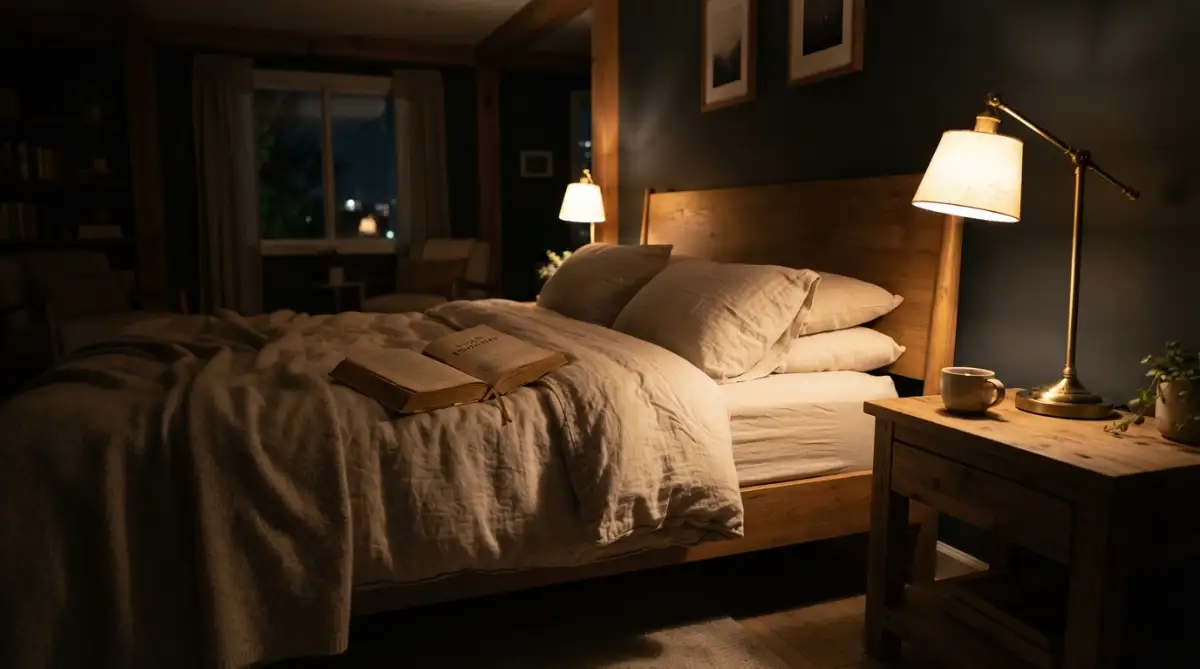
Instead of scrolling, I started reading physical books or listening to calm music. It was hard at first because I felt like I was missing out on things online. But after just three days, I noticed I was falling asleep much faster.
I used to think I needed my phone to relax, but I realized that the screen was actually making me more anxious. Now, my "no-phone" hour is my favorite part of the day because it feels like a mini-vacation for my mind.
Use Built-in Night Filters on All Devices
If you absolutely must use a screen late at night, make sure you use a blue light filter. Most modern smartphones have a "Night Shift" or "Blue Light Filter" setting in the display menu. This turns the screen a warm orange color, which is much easier on the eyes.
You can also find free software for your laptop that changes the screen color based on the time of day. While this isn't as good as turning off the device, it is a great middle ground. It helps reduce the harshness of the light hitting your retinas.
Watch this video to see exactly how blue light affects your brain chemistry and what you can do to stop it.
Switch Your Home Lighting to Warm Tones
Many people use bright white LED bulbs in their bedrooms, which is a big mistake. These bulbs emit a lot of blue light that can keep you awake even if you aren't looking at a phone. I replaced my bedroom lights with "warm white" or "soft amber" bulbs.
These warmer colors mimic the glow of a candle or a campfire. It creates a cozy environment that naturally makes you feel sleepy and relaxed. It is a very cheap way to upgrade your sleep quality without much effort.
Get More Natural Sunlight in the Morning
This might sound strange, but better sleep starts the moment you wake up. Getting bright, natural sunlight in your eyes during the morning helps set your internal clock. It tells your brain exactly when the day starts so it knows when to start feeling tired later.
I started taking a 10-minute walk outside every morning right after breakfast. Even on cloudy days, the natural light is much stronger than any indoor bulb. This simple habit helped regulate my mood and made my nighttime melatonin kick in right on schedule.
Myth vs. Reality: Blue Light Edition
The Hidden Connection Between Sleep and Eye Health
It isn't just about sleep; blue light also puts a lot of physical strain on your eyes. Have you ever noticed that your vision gets blurry after a long day of looking at a computer? This is called digital eye strain, and it can lead to headaches and neck pain.
When we stare at screens, we tend to blink much less than we normally do. This dries out the surface of the eye and makes the blue light even more irritating. By following natural sleep solutions, you are also giving your eyes the break they desperately need.
Practical Steps to Build a Sleep Sanctuary
Your bedroom should be a place for rest, not a second office or a cinema. I removed my television from the bedroom and stopped bringing my laptop to bed. This simple boundary helped my brain associate the bed only with sleeping.
If you use your phone as an alarm clock, try switching to a traditional battery-powered one. This stops the urge to check "one last notification" before you close your eyes. Keeping the phone in another room or across the room can change your life.
Understanding the 20-20-20 Rule
To keep your eyes healthy during the day, I highly recommend the 20-20-20 rule. Every 20 minutes, look at something 20 feet away for at least 20 seconds. This helps your eye muscles relax and reduces the impact of the blue light you see all day.
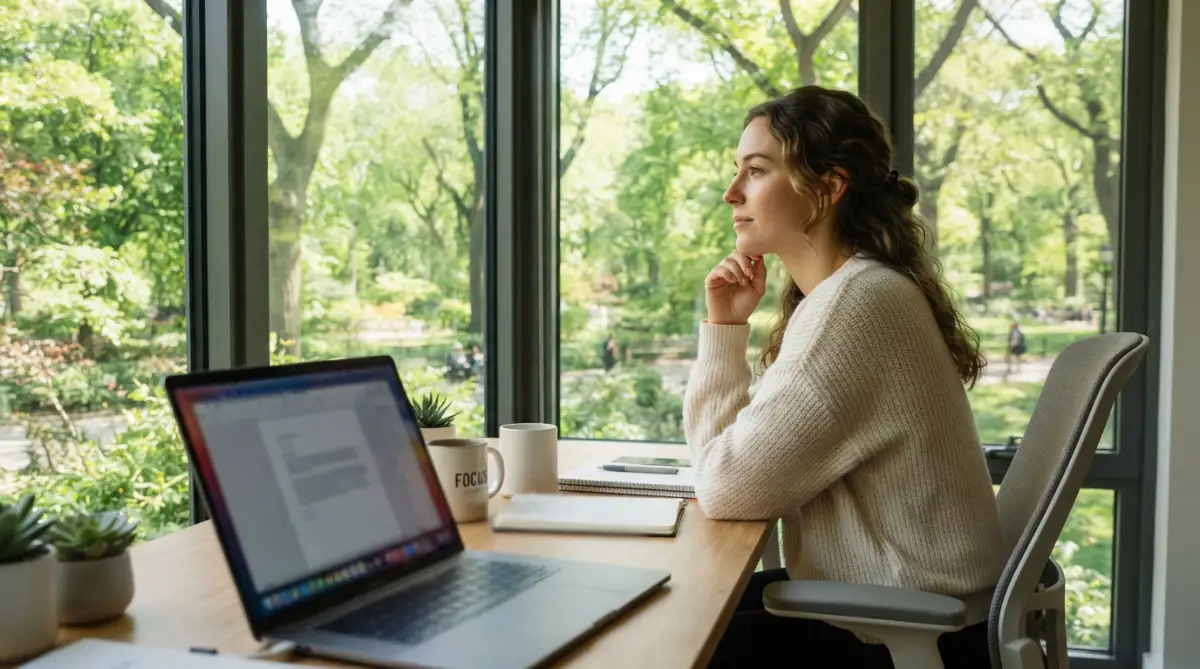
I found that doing this made me feel less exhausted by the time evening arrived. It prevented that "fried" feeling in my brain that usually leads to poor sleep. It's a small change that yields massive results for your overall wellness.
The Role of Nutrition in Sleep Quality
While light is a huge factor, what you put in your body also matters for sleep. I noticed that eating heavy, sugary snacks late at night made the blue light effect even worse. Sugar gives you a spike of energy that fights against your body's natural urge to rest.
Instead, I started drinking herbal teas like chamomile or peppermint in the evening. These natural drinks help soothe the nervous system and prepare you for a deep slumber. They are a perfect addition to a screen-free evening routine.
Why Consistency is Your Best Friend
When I first started, I felt bored at night without my gadgets. But soon, that boredom turned into a deep sense of peace. I started waking up before my alarm, feeling full of energy and ready to take on the world.
Pro Tip: The "Amber Glass" Secret
I found that wearing orange-tinted amber glasses in the evening was a total game-changer for me. They look a bit funny, but they block almost 100% of blue light from every source in the house. I wear them while I finish my chores or read, and I find myself yawning much earlier than usual.
Final Thoughts on Reclaiming Your Rest
Getting back your sleep quality is a journey, not a quick fix. We live in a world that wants us to stay connected every second of the day. But your health and your peace of mind are much more important than a social media feed.
By understanding how blue light works, you can take control of your environment. You don't need expensive pills or complicated equipment to sleep better. Often, the best solutions are the most natural ones that humans have used for centuries.
Start tonight by turning off one extra light or putting your phone away a little earlier. Your brain and your body will thank you for it tomorrow morning. You deserve to wake up feeling refreshed, happy, and truly alive.
Pro Secrets for a Perfect Night of Rest
Now that we understand the basics, let’s look at some advanced ways to protect your sleep. These tips go beyond just turning off your phone. They focus on how you can train your body to sleep better every single night.
One of the best things you can do is switch to red light bulbs in your lamps. Red light has a much lower color temperature than blue light. It does not trick your brain into thinking it is daytime. I started using a small red lamp for reading at night, and it made me feel sleepy within minutes.
Another secret is managing your body temperature along with your light exposure. Your brain needs to cool down slightly to enter a deep sleep state. If your room is too hot and too bright, you are fighting a losing battle. Try keeping your room cool and dark to help your internal clock stay on track.
You should also think about your morning routine as a way to fix your nights. Getting direct sunlight in your eyes within 30 minutes of waking up is a huge hack. This tells your brain to stop making melatonin and start the countdown for the next night. It makes your body much more predictable and helps you escape the burnout that comes from modern work life.
The Power of Magnesium and Morning Sun
Many experts agree that our diets also play a role in how light affects us. Magnesium is a natural mineral that helps your muscles and brain relax. I found that eating magnesium-rich foods like spinach and almonds helped my body respond better to my screen-free time.
When your body has the right nutrients, it can handle the stress of daily life much better. This is especially true for students who need to stay sharp. If you find yourself struggling to stay awake while reading, you might need to stop multitasking and focus on your light environment instead
Quick Reality Check: Does diet really affect sleep?
Absolutely. I tracked my own sleep for a month and noticed a massive difference on the days I ate a handful of almonds or a banana before bed. Both are packed with natural magnesium. If you are trying to cut out screens at night, pairing that habit with a warm cup of chamomile tea or a small magnesium-rich snack will speed up your results big time.
I also learned that the angle of light matters quite a bit. Overhead lights are like the midday sun to your brain. In the evening, try to use low-level lamps that sit on the floor or a side table. This mimics the setting sun and helps your brain prepare for rest naturally.
Using Technology to Fight Technology
It sounds funny, but you can use some gadgets to help you avoid blue light. There are special apps that track your sleep cycles and tell you exactly when to stop using screens. These apps use your local sunset time to adjust your screen's color automatically.
I also started using a smart light system that slowly fades to a warm orange as it gets later. This subtle change is very powerful because you don't even notice it happening. It creates a smooth transition from a busy day to a calm evening.
This kind of routine is very helpful if you travel a lot and need to fly like a pro across different time zones. Managing light is the fastest way to beat jet lag and get back to your normal life. According to researchers at the Sleep Foundation, even small changes in light exposure can shift your internal clock by hours.
The Hidden Traps That Keep You Tossing and Turning
Many people try to fix their sleep but make small mistakes that ruin their progress. One common trap is thinking that "blue light glasses" are a magic shield. While they can help, they do not stop the mental stimulation of scrolling through news or social media.
If you are watching an intense movie or arguing with someone online, your brain stays awake. It doesn't matter if you have a filter on your screen. The excitement and stress keep your heart rate up and your mind racing.
I see many people fall into the "just five more minutes" trap every night. They think they are relaxing, but they are actually feeding their brain new information. This forces your mind to stay active when it should be clearing out old thoughts. This is one of the 7 toxic study habits that can destroy your memory over time.
The Problem with Sleeping with the TV On
Some people think the flickering light of a TV helps them fall asleep. In reality, the blue light and the changing sounds keep you in a light sleep stage. You might wake up feeling like you haven't slept at all.
Your brain is still processing the light even through your closed eyelids. This prevents you from reaching the "Deep Sleep" and "REM" stages that your body needs to heal. It is much better to sleep in complete darkness or use a soft white noise machine instead.
Another big mistake is checking your phone the moment you wake up in the middle of the night. If you see that bright screen at 3 AM, your brain thinks the day has started. This can make it nearly impossible to fall back asleep for the rest of the night. According to studies by the National Institutes of Health, even a few seconds of bright light can reset your circadian rhythm.
Forgetting About Other Light Sources
We often focus on our phones but forget about the bright lights in our bathrooms or kitchens. If you brush your teeth under bright LED lights right before bed, you are waking up your brain. I started using a dim nightlight in the bathroom for my evening routine.
This small change keeps my brain in "sleep mode" while I get ready for bed. It keeps the melatonin flowing so I can jump straight under the covers and drift off. People often ignore these small details, but they add up to a big impact on your health.
If you use a digital boarding pass while traveling, be careful of the bright airport lights too. A female traveler holds a digital boarding pass often in high-stress, bright environments which can mess up her sleep for the whole trip.
A Brighter Future Through Better Nights
Changing your relationship with light will change your entire life. When you start sleeping better, you will notice that you have more patience and more energy. You won't need that third cup of coffee just to get through the afternoon.
I noticed that my skin looked better and my eyes were no longer red and tired. It felt like I had discovered a secret fountain of youth just by turning off some lights. This simple habit is more powerful than any expensive supplement you can buy.
You have the power to control your environment and protect your health. It starts with small steps, like setting a "phone bedtime" or switching a light bulb. These tiny wins lead to a lifetime of better rest and happiness.
Remember to take care of your devices too, as a well-working phone makes it easier to use filters correctly. You should stop killing your smartphone with bad habits so it stays helpful for your wellness journey.
Common Questions About Light and Sleep
Do blue light glasses actually work?
Yes, they can help block some of the light that hurts your eyes. However, they are not as good as simply putting your phone away. Use them during the day at work, but try to go screen-free in the evening for the best results.
Can I just use "Night Mode" on my phone all day?
You can, but it might make your screen look a bit strange. It is better to use it starting around sunset. During the day, you actually need some blue light to stay alert and keep your mood high.
What is the best light color for sleeping?
Red or deep orange is the best color for nighttime. These colors do not suppress melatonin production. Avoid bright white, blue, and green lights at least an hour before you want to go to bed.
How long does it take to fix my sleep cycle?
Most people start feeling better within three to four days of consistent light management. Your body is very good at healing itself if you give it the right environment. Just stick to your routine even on the weekends.
Does watching TV from far away reduce blue light?
Distance helps a little bit because the light is less intense. But the blue light still reaches your eyes and signals your brain to stay awake. If you must watch TV, try wearing amber-tinted glasses to block the blue rays.
Disclaimer: The information in this article is for educational purposes only and does not replace professional medical advice. Always talk to a doctor or sleep specialist if you have chronic insomnia or other health concerns. We do not promote any specific brands or products mentioned in this guide.