
The Hidden Nightmare of Crossing Time Zones
"Let’s be real: spending 14 hours in a pressurized metal tube is basically a heist on your health. You board the plane feeling fine and walk off feeling like a zombie. I’ve spent years trying to figure out why some trips leave me wrecked for a week while others are a breeze. It’s not just about luck; it’s about a few simple habits that keep your body from hitting the panic button when you cross the ocean."
That was my absolute biggest mistake as a traveler. My first three days of that highly anticipated dream vacation were completely ruined. I could barely keep my eyes open during the sunny afternoons.
When nighttime finally rolled around, I was wide awake and incredibly frustrated. My stomach was totally out of sync, making every meal feel terribly uncomfortable. I realized right then that forcing my body to adjust without a solid plan was a terrible idea.

The reality is that ignoring your body's internal clock does not just make you feel a little sleepy. It heavily disrupts your digestion, severely ruins your mood, and completely drains the joy out of your travel experience. You end up snapping at your family members or missing out on amazing morning tours because you physically cannot get out of bed.
Why Your Body Panics During Long-Distance Travel
"The 'No-Crash' Flight Plan: My Top 4 Rules
- Hydrate like it’s your job: Drink 8oz of water for every hour you’re in the air.
- Move your blood: Flex your calves and walk to the bathroom every 2-3 hours.
- Control the light: Use an eye mask to keep it dark when it’s 'night' at your destination.
- The No-Nap Rule: No matter how tired you are, don't sleep until 8 PM local time on day one."
Before we look at the solutions, we need to understand exactly why a 14-hour flight completely destroys your energy. Your body operates on a built-in 24-hour cycle known as the circadian rhythm. This internal clock tells your brain when to sleep, when to eat, and when to be fully alert.
When you fly across several time zones, you forcefully drag this internal clock into a completely new environment. Your smartphone updates to the local time the second you land. Unfortunately, your internal organs and brain cells do not have an automatic update feature.
Your eyes are seeing bright afternoon sunlight, but your brain firmly believes it is the middle of the night. This massive confusion causes your body to stop producing sleep hormones at the right time. As a result, you experience the horrible symptoms we collectively call jet lag.
The Physical Toll of Cabin Pressure
There is another massive factor that makes a 14-hour flight so physically draining. The air inside an airplane cabin is heavily pressurized and extremely dry. This creates an environment similar to standing on top of a high mountain in the desert.

Every time you breathe, you are losing precious moisture from your body. This rapid dehydration naturally thickens your blood and makes your heart work much harder. This is exactly why you feel so incredibly sluggish and heavy when you finally step off the plane.
Your muscles cramp up, and your skin feels terribly dry and tight. Combining this severe dehydration with major time zone changes creates the perfect storm for extreme fatigue. You are essentially fighting two major battles at the exact same time.
Actionable Steps to Prepare Before You Even Pack
Most travelers believe that fighting jet lag begins the moment they step onto the airplane. That is a massive misconception that will guarantee your failure. The smartest travelers start tricking their internal clock at least three to four days before departure.
Shifting Your Sleep Schedule Slowly
You need to gradually push your sleep schedule closer to your destination's time zone. If you are flying east, you will be losing time, so you need to go to bed earlier. Try going to sleep just 30 to 60 minutes earlier than usual for three days in a row.
If you are flying west, you are gaining time, which is usually a bit easier to manage. You simply need to force yourself to stay awake an hour later each night before you fly. This slow and steady shift heavily reduces the massive shock your body feels upon arrival.
"Quick Cheat Sheet: East vs. West Travel
Do not try to change your schedule by four hours in a single night. Your body will violently reject this, and you will just end up lying awake in bed. Small, manageable adjustments are the real secret to tricking your internal clock successfully.
The Pre-Flight Fasting Method
One of the most scientifically proven ways to reset your body clock is through your stomach. Your digestive system is heavily linked to your sleep cycle. When you eat at random times, your brain gets very confused about what time of day it actually is.
Many frequent flyers swear by a temporary fasting method just before their long journey. They stop eating large meals roughly 12 to 16 hours before they want to wake up at their new destination. This signals to the body that it is time to rest and conserve energy.
When you finally break that fast with a healthy meal in your new time zone, your body registers it as morning. This completely reboots your internal clock faster than almost any other method. Always check with your doctor before trying fasting, especially if you have health conditions.
I remember the first time I tried skipping heavy airport food before a massive trip to Asia. I drank plenty of water but completely avoided the greasy burgers near the terminal gates. When I finally landed and ate a big breakfast at the local time, my energy levels skyrocketed instantly. That small change alone reduced my jet lag by at least half.
Dominating the First Few Hours on the Airplane
The moment you find your seat and stow your luggage, your strategy needs to shift. The absolute first thing you must do is change your watch and phone to your destination's time zone. You must force your brain to start living in the future immediately.
If it is currently nighttime at your destination, you need to act like it is nighttime on the plane. Close your window shade, dim your personal screen, and put on your eye mask. Do not start watching a loud action movie if the people at your destination are sleeping.
If it is daytime where you are going, force yourself to stay awake and active. Keep the reading light on, read a book, or watch an engaging movie. You must align your current actions with the reality of the city you are flying toward.
Hydration: The Ultimate Defense System
We already know that the airplane cabin is basically a flying desert. Your number one job for the next 14 hours is to constantly replace the water you are losing. You should aim to drink at least one large glass of water for every hour you are in the air.
Watch this incredibly helpful video on exactly how flight attendants survive back-to-back long-haul flights. Their insider secrets on staying fresh and energized in the air will completely change the way you travel.
Do not wait for the flight attendants to bring you tiny plastic cups of water. Bring the largest reusable water bottle you can easily carry and ask the crew to fill it up. Having water constantly accessible stops you from getting dangerously dehydrated while you sleep.
You must strictly avoid alcohol and heavy caffeine during this entire process. A glass of wine might make you feel relaxed, but it severely ruins your sleep quality and dries you out. Coffee will simply give you a fake energy spike followed by a massive, painful crash.
The Reality of Airplane Food
Airplane food is typically packed with heavy amounts of sodium and refined carbohydrates. These ingredients cause massive bloating and make it very difficult for your stomach to rest. Eating a huge tray of pasta at 35,000 feet is a guaranteed way to feel terrible later.
If you must eat during the flight, only choose the lightest options available to you. Stick to fresh fruits, light salads, or a simple piece of protein if possible. Bringing your own healthy snacks like raw almonds or protein bars is always the smartest move.
When your digestion is working hard to process heavy food, your body temperature naturally rises. A higher body temperature makes it nearly impossible to fall into a deep, restorative sleep. Keep your stomach light so your body can focus entirely on resting and recovering.
Mastering the Impossible Art of Airplane Sleep
Getting actual, deep sleep sitting completely upright surrounded by hundreds of strangers sounds impossible. However, with the right preparation and gear, you can force your body to shut down effectively. Your physical comfort directly dictates your ability to mentally relax and drift off.
Layering Up for Changing Temperatures
Airplane cabins go through extreme temperature swings during a 14-hour journey. You might be sweating during boarding and shivering completely uncontrollably three hours later. You absolutely must wear multiple soft, breathable layers that you can easily add or remove.
Start with a highly breathable cotton t-shirt as your base layer. Add a warm sweater or a highly comfortable hoodie that does not feel restrictive around your neck. Never wear tight jeans or highly restrictive belts that dig into your stomach while sitting.
Compression socks are arguably the most important piece of clothing you can possibly wear. Sitting for 14 hours causes massive blood pooling in your lower legs, leading to swelling and pain. Good compression socks keep your blood flowing back to your heart, leaving your legs feeling light and fresh.
Blocking Out the Chaos
Your brain needs total darkness to naturally produce melatonin, the hormone that controls your sleep. The constant blinking lights from screens and reading lamps will keep your brain wide awake. A high-quality, contoured eye mask is a non-negotiable tool for a long flight.
Contoured masks are amazing because they do not smash directly against your eyelids. They allow you to blink naturally while still blocking out 100 percent of the surrounding light. Once you put it on, you instantly create a private, dark room for yourself.
Next, you need to eliminate the constant roar of the massive airplane engines. High-quality noise-canceling headphones or professional silicone earplugs will dramatically lower your stress levels. When you remove the visual and auditory chaos, your brain finally feels safe enough to sleep.
Positioning Your Body for Success
The standard airplane seat is terribly designed for human comfort and natural spine alignment. If you do not support your neck properly, you will wake up with massive pain. Throw away those cheap, U-shaped bead pillows you buy at the airport terminal.
Invest in a scientifically designed travel pillow that actually wraps around your neck and supports your chin. When your head is stopped from falling forward, your airway stays fully open. This simple adjustment prevents you from constantly waking yourself up throughout the flight.
If you have short legs, use your personal bag as a highly effective footrest. Elevating your feet slightly takes massive pressure off your lower back and improves your overall circulation. Finding a comfortable neutral position is the exact key to sleeping for longer than 30 minutes.
Managing Light Exposure to Control Your Brain
Light is the single strongest signal your brain uses to determine what time it is. Managing the light hitting your eyes is your ultimate secret weapon against jet lag. You have total control over this if you understand how to use it correctly.
The "Myth vs. Fact: Survival Edition
- Myth: Coffee is the best way to stay awake after landing.
- Fact: Water is better. Caffeine just masks the fatigue and makes the eventual crash way worse.
- Myth: You should eat every meal the airline gives you.
- Fact: Only eat if you’re actually hungry. Digestion takes a lot of energy that your body needs for recovering from the flight."
Myth of Movie Marathons
Many people think a 14-hour flight is the perfect time to binge-watch five action movies. This is a massive mistake that will heavily punish your body later on. Staring at a bright screen suppresses your natural melatonin production by a massive margin.
Myth: Staying awake for the entire flight watching movies will make you sleep better when you land.
Reality: You will arrive severely overtired, causing your body to pump out stress hormones that keep you painfully awake.
If you are trying to sleep, you must turn off all screens at least an hour beforehand. If you absolutely need entertainment to wind down, switch to an audio book or a relaxing podcast. Let your eyes rest in the darkness so your brain can prepare for real sleep.
Seeking Light at the Right Time
When you need to wake up and adjust to your new time zone, light becomes your best friend. If it is morning at your destination, open the window shade and let the bright sun hit your face. This instantly signals your brain to stop producing sleep hormones and wake you up naturally.
If you are landing in the middle of the day, do not put on dark sunglasses immediately. You need that natural daylight hitting your eyes to forcefully reset your circadian rhythm. Take a short walk outside the airport terminal to get as much natural sunshine as possible.
The strategic use of bright light and complete darkness is how frequent flyers avoid severe exhaustion. You are essentially hacking your own biology using the simplest tools available in nature. Once you master this light exposure trick, crossing oceans becomes significantly easier to handle.Next-Level Strategies for the Frequent Flyer
Once you have mastered the basics of hydration and sleep gear, it is time to step up your game. Professional travelers and flight crews use highly specific biological tricks to force their bodies to adapt. These are not just random ideas, but highly tested habits that actually deliver real results.
We spend so much energy figuring out how to stop using incognito mode for flights just to save a few dollars. Yet, we completely ignore investing in our physical well-being for the actual journey. If you want to arrive feeling completely energized, you need to treat your body like an athlete preparing for a marathon.
The Smart Approach to Natural Supplements
Many people completely misunderstand how to use sleep supplements when crossing massive time zones. Melatonin is a natural hormone your body already produces to signal that it is time for bed. Taking it at the wrong time will actually make your jet lag significantly worse.
You should only take a very small dose of melatonin right before your target bedtime in your new destination. Taking a massive dose on the airplane while the sun is still shining will just give you a terrible headache. According to the experts at the Sleep Foundation, less is actually more when using this supplement to reset your body clock.
I personally prefer using magnesium glycinate a few days before my trip and during the flight itself. Magnesium naturally relaxes your central nervous system and completely removes that tight, anxious feeling in your muscles. It helps you drift off to sleep gently without the heavy grogginess that comes from artificial sleep aids.
In-Seat Mobility and Blood Flow Hacking
Sitting completely still in a cramped seat for over a dozen hours is actually quite dangerous for your health. When your legs remain inactive, blood pools in your calves, which severely drains your overall energy. This heavy pooling is what makes your legs feel like lead blocks when you finally stand up in the aisle.
You need to actively manage your blood flow even while you are sitting down watching a movie. Every single hour, trace the letters of the alphabet with your toes to keep your ankle joints heavily engaged. Flex your calf muscles as hard as you can for ten seconds, then release them completely.
If you want to take this seriously, you must get up and walk to the bathroom area at least every three hours. Doing a few simple stretches in the back galley of the plane works absolute wonders for your circulation. Medical experts at the CDC Travel Health department strongly recommend these movements to prevent serious blood clots during long journeys.
Mastering the Strategic Layover
Sometimes, a direct 14-hour flight is simply too punishing for your body to handle all at once. Breaking up the trip with a highly strategic layover can dramatically reduce your physical exhaustion. It gives your body a much-needed break from the pressurized cabin air and the cramped seating.
Instead of choosing a stressful one-hour connection, I purposely book layovers that last three to four hours. This gives me plenty of time to find an empty gate, walk around freely, and stretch my back completely flat on the floor. Getting real oxygen into your lungs and eating a fresh, healthy meal on solid ground resets your mental state perfectly.
When you feel fresh and relaxed, navigating through airport security in a foreign country feels like a simple breeze instead of a stressful nightmare. You can use this layover time to splash cold water on your face, brush your teeth, and change your clothes. You will board your second flight feeling like a completely brand new person.

The Hidden Traps That Will Destroy Your Travel Week
Even if you follow a perfect routine on the airplane, you can still ruin everything immediately after landing. People make highly emotional decisions when they are tired, and these choices easily destroy their internal body clock. I have personally fallen into these traps, and it cost me days of feeling utterly miserable.
The "Just a Quick Nap" Disaster
This is undoubtedly the single most common mistake every long-distance traveler makes upon arrival. You check into your beautiful hotel room at 2 PM, drop your heavy bags, and look at that perfectly clean, soft bed. You tell yourself that you will just close your eyes for exactly thirty minutes to refresh your brain.
Four hours later, you wake up in a completely dark room feeling totally disoriented and slightly sick. You have just accidentally tricked your brain into thinking it is the middle of the night. By the time 10 PM actually rolls around, you will be staring at the ceiling, wide awake and deeply frustrated.
If you arrive during the day, you must fight the urge to sleep with absolutely everything you have. Drop your bags, take a quick cold shower, and get outside into the bright sunlight immediately. Keep your body moving, grab a coffee if you must, and force yourself to stay awake until at least 8 PM local time.
The Prescription Sleeping Pill Hangover
Many anxious flyers beg their doctors for heavy prescription sleeping pills before a massive international trip. They believe that forcefully knocking themselves out is the easiest way to teleport to their final destination. This strategy almost always backfires in the worst possible way.
These heavy medications forcefully suppress your nervous system, giving you fake, low-quality sleep. When you finally wake up, you will experience a massive "medication hangover" that lasts for several days. Your brain feels incredibly sluggish, your memory is completely shot, and you feel emotionally numb to your new surroundings.
When you land with extreme brain fog, you easily make silly and highly expensive mistakes at the airport. This exact lack of mental clarity is how stressed travelers end up facing issues like the 6 month passport rule completely unprepared. Stick to natural relaxation methods and accept that light sleep is much better than a heavily medicated coma.
The Airplane Alcohol Illusion
Free wine and spirits on international flights sound like a fantastic perk to celebrate your upcoming vacation. A heavy glass of red wine certainly makes you feel warm, fuzzy, and temporarily very relaxed in your seat. However, consuming alcohol at 35,000 feet is a massive biological mistake.
Alcohol is a massive diuretic, meaning it forces your body to flush out water at an alarming rate. We already know the airplane cabin is severely dehydrating, so drinking alcohol essentially doubles that dangerous effect. According to the National Health Service (NHS), dehydration is one of the leading causes of severe jet lag symptoms.
Furthermore, alcohol completely destroys your REM sleep cycle, which is the restorative sleep your brain desperately needs. You might pass out quickly, but you will wake up three hours later feeling incredibly thirsty and highly anxious. Stick strictly to water, herbal tea, or sparkling water with lemon to protect your energy levels.
Punishing Yourself for Being Awake
Sometimes, despite doing everything perfectly, you simply cannot fall asleep on the airplane. You toss and turn, aggressively checking the flight map every ten minutes to see how much time is left. You start doing the math in your head, realizing you will only get two hours of sleep before landing.
This creates a massive spike in cortisol, your body's primary stress hormone. You start getting angry at the noisy passengers, angry at the uncomfortable seat, and angry at yourself for failing to sleep. This extreme stress response basically guarantees that you will feel absolutely terrible when you walk off the plane.
Instead of panicking, simply accept the situation and change your mindset immediately. Tell yourself that resting your eyes in the dark, even while fully awake, is still highly beneficial for your brain. Listen to some calming music, practice deep breathing, and accept that you will just have a long day tomorrow.
Real Questions Travelers Ask About Jet Lag
How long does it actually take to recover from massive time zone changes?
Your body generally needs one full day to adjust to every single time zone you cross during your flight. So, if you travel across six time zones, expect to feel slightly off-balance for about four to six days. However, using the strong sunlight and proper hydration strategies mentioned earlier can easily cut this recovery time in half.
Should I eat the airplane breakfast right before we land?
Airlines usually serve a heavy, high-carbohydrate breakfast about ninety minutes before landing to wake everyone up. If it aligns perfectly with the morning time of your destination, eating a light portion is a great idea to reset your digestion. If you are landing late at night local time, skip the heavy breakfast entirely and just stick to water.
Can I exercise immediately after a really long flight?
Light, restorative movement is actually one of the smartest things you can do after dropping off your luggage. A brisk 30-minute walk outside or some gentle yoga in your hotel room gets your blood flowing and shakes off the airplane stiffness. Never attempt a heavy, high-intensity gym workout immediately, as your severely dehydrated muscles will easily cramp or tear.
Why do I feel sick to my stomach for days after flying?
Your entire digestive system operates tightly on your natural circadian rhythm. When your brain is confused about the time, your stomach physically stops releasing digestive enzymes at the normal hours. Eating smaller, highly digestible meals like warm soups or fresh fruits for the first two days helps your stomach slowly catch up.
Your Personal Action Plan for Healthy Flying
You now have a complete, highly effective system to protect your body against the brutal reality of long-haul travel. Escaping the massive exhaustion of crossing oceans is no longer just a lucky guess. It is a very specific science that completely relies on how you prepare your environment.
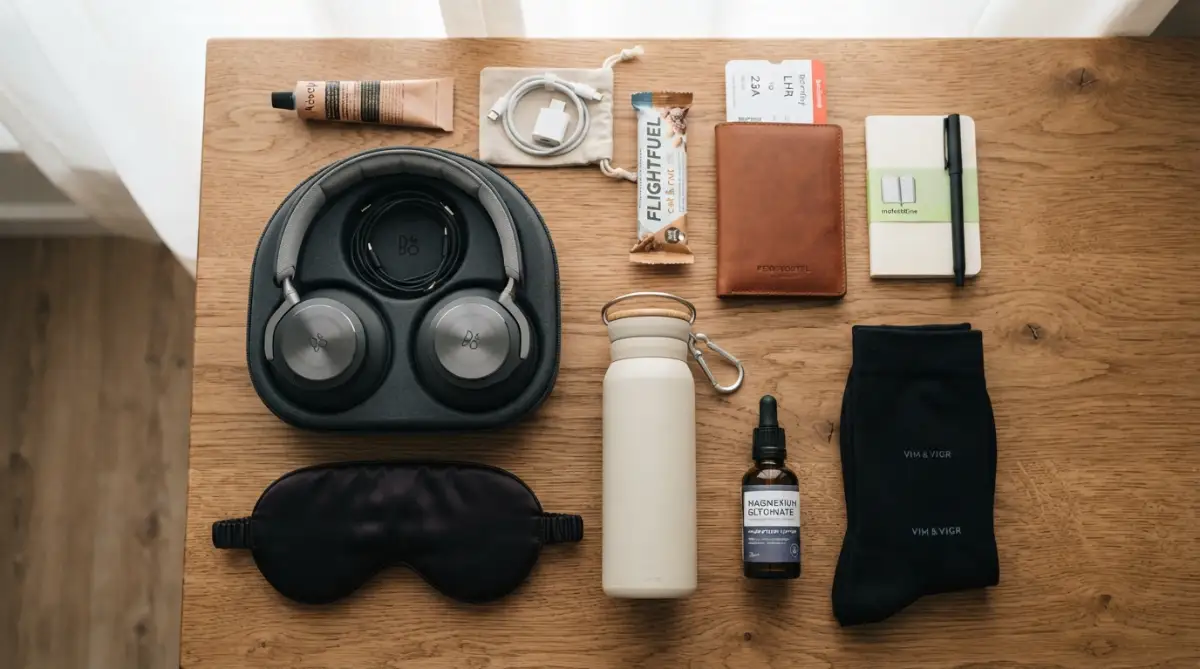
Start shifting your sleep schedule slowly a few days before your actual departure date. Pack your bags with highly functional gear, including a premium neck pillow, a massive water bottle, and a proper eye mask. Remember that controlling your exposure to light and heavy foods is your ultimate secret weapon.
Most importantly, you need to be incredibly kind and patient with your own body. Do not expect to sprint through a heavy travel itinerary on the exact same day you arrive in a foreign country. Give yourself a gentle buffer day to simply walk around, soak in the sun, and enjoy the reality that your vacation has finally begun.
I used to deeply fear the physical punishment of long airplane rides, thinking it was just the normal price to pay for exploring the world. But once I started applying these exact routines, my trips transformed from miserable endurance tests into highly enjoyable experiences. I promise that if you trust this process and respect your body's limits, your next big adventure will start on a wonderfully positive note.
Disclaimer: The information provided in this article is strictly for educational and informational purposes only and does not constitute professional medical advice. Always consult with a qualified healthcare provider or a licensed physician before starting any new supplements, fasting routines, or making massive changes to your sleep patterns, especially if you have pre-existing medical conditions.