
Why I Finally Stopped Believing the Internet's Biggest Travel Rumor
"Stop clearing your browser cookies. It’s not saving you a single cent on your flights. We’ve all seen prices jump after a quick refresh and assumed the airline was 'spying' on us. I used to believe that too, until I looked at the actual data behind how these booking engines work. In this guide, I’ll show you why incognito mode is a myth and what actually works to get those cheap seats."
The price I saw earlier that morning was surprisingly cheap, but I hesitated for a few hours. When I finally went back to the airline website to make the payment, the total fare had magically jumped by over a hundred dollars. Pure panic set in immediately as I watched my budget disappear.
I did what every single travel blog and social media influencer told me to do. I quickly opened a dark, private browsing window, hoping to outsmart the system. To my absolute horror, the price in that secret window was exactly the same ridiculously high amount.
That was the exact moment I realized I had been completely lied to. I felt so frustrated and helpless against this massive, invisible machine. This experience forced me to dig deep into how airline systems actually operate behind the scenes.
You end up constantly refreshing web pages, losing precious sleep, and second-guessing every single financial decision you make. Some people even ask their friends to check the same flight routes on different phones just to compare prices. This endless cycle of checking and re-checking totally destroys the joy and excitement of planning a trip.
Instead of dreaming about the beautiful places we will visit, we worry about whether a computer algorithm is secretly spying on our browser history. We live in constant fear of being penalized just because we wanted to check a schedule twice. This emotional rollercoaster is simply not fair to hard-working people who just want a fair deal.
It is time we finally break free from this stressful, unhelpful cycle of misinformation. You deserve to know exactly how your hard-earned money is being calculated by these massive travel companies. Today, I am going to share exactly what is going on behind that final checkout screen.
"Too Busy to Read? Here’s the Bottom Line:
- Forget Incognito: It doesn't lower prices. Use it only to keep your browser history clean.
- Fare Buckets Matter: Prices jump because the 'cheap' seats in a specific category sold out.
- Be a Location Hacker: Use a VPN to check prices from different countries; it actually works.
- The 24-Hour Hack: You can cancel almost any flight to/from the US for free within 24 hours. Use this to lock in prices."
The True Mechanics of Online Ticket Pricing Exposed
Let us completely clear the air and look at the actual science behind ticket pricing. The idea that clearing your cookies will suddenly drop a massive airfare is a complete misunderstanding of modern technology. Airlines are not sitting in a dark room manually raising prices just because you looked at a route to Paris.
The Myth of Cookie Tracking and Price Hikes
Most people strongly believe that airlines use tracking cookies to monitor your specific interest in a particular flight route. The theory is that when the system sees you returning to the same page, it artificially inflates the cost to create a false sense of urgency. This makes you panic and buy the ticket immediately before it goes up even higher.
In reality, major travel providers and global airlines do not base their pricing models on individual browser cookies. They are dealing with millions of searches every single minute from all across the globe. Changing prices on an individual level based on cookies would require an insane amount of real-time processing power.
| The Flight Pricing Myth | The Boring Reality |
| :--- | :--- |
| Incognito mode lowers prices. | Prices change because someone else booked that "cheap" seat bucket while you were waiting. |
| Airlines track your IP address. | They track global demand, not your specific computer. |
| Tuesday is the cheapest day. | Algorithms change prices every hour based on how many seats are left. |
| Clearing cookies resets the fare. | The fare is set in a global database (GDS) that doesn't care about your cookies. |
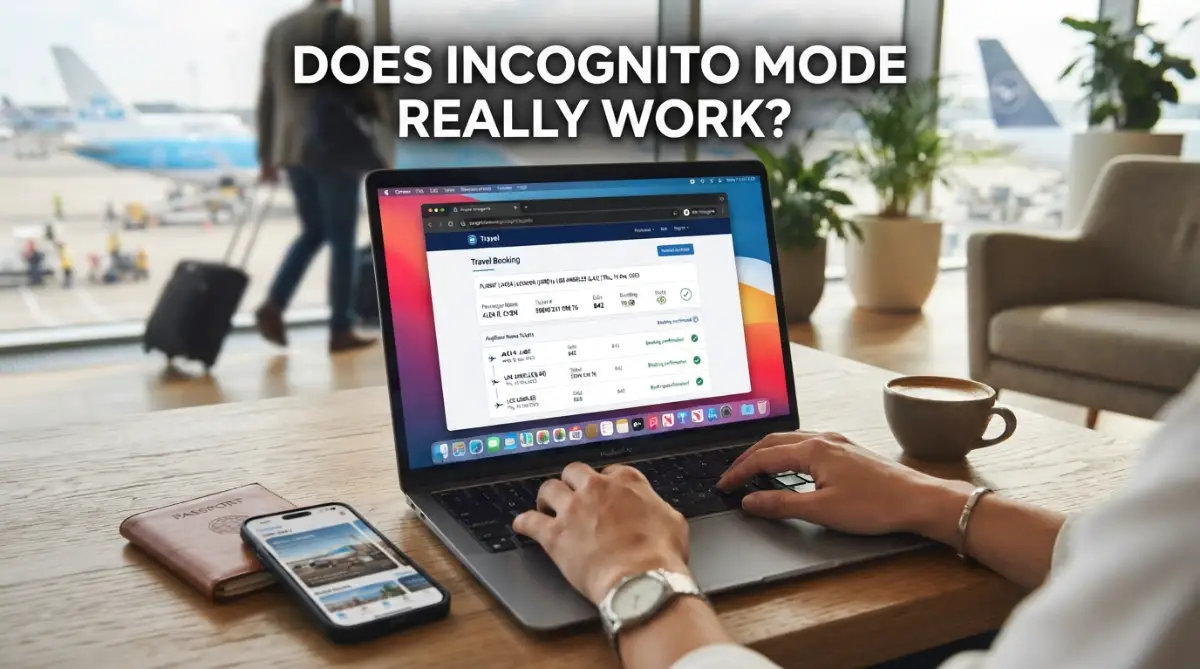
Furthermore, consumer protection laws in many regions strictly prohibit targeted price gouging based on user browser data. If major airlines were actually caught doing this, they would face massive lawsuits and completely lose public trust. The real reason you see prices jump is heavily tied to how they store their seat inventory.
Understanding Global Distribution Systems (GDS)
To truly master the art of booking tickets, we have to look at the Global Distribution System. When you search for a flight, your computer speaks to massive databases that hold all the airline seat inventories. These databases are shared among hundreds of different travel agencies, aggregator sites, and direct airline portals.
Do you want to know exactly how airlines legally trick you into paying more? Watch this incredibly simple breakdown that completely changed my booking habits forever.
[Insert YouTube Video Link Here]
When you click on a specific flight to view the final details, the system temporarily places a "hold" on that seat. This prevents someone else on the other side of the world from buying the exact same seat at the exact same second. If you decide not to buy and close the tab, that seat remains locked in the system for a short period.
If you immediately open a new tab and search again, the system thinks there is now less available inventory. Less inventory automatically triggers the algorithm to display the next, more expensive tier of pricing for that route. This is exactly why you see the price jump instantly, regardless of whether your browser is private or not.
How Seat Buckets Actually Work
Airlines do not just divide planes into simple First Class, Business, and Economy sections. They slice the Economy cabin alone into dozens of invisible alphabetical categories known as "fare buckets." Each bucket has a very specific price tag and a strictly limited number of seats attached to it.
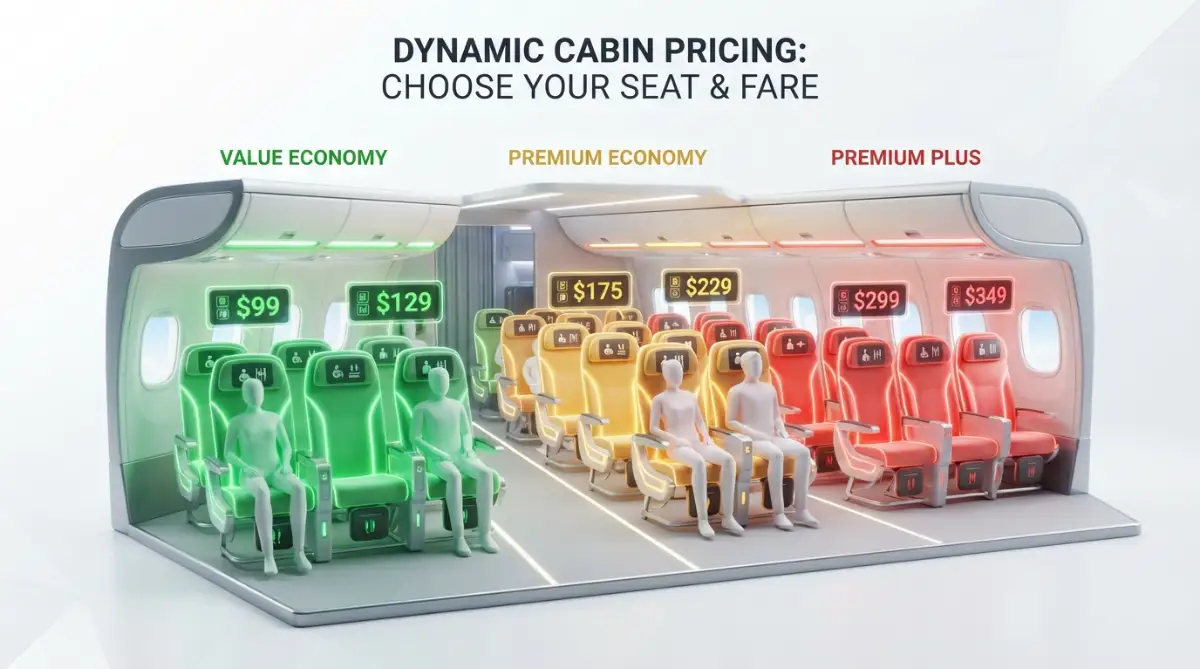
For example, the cheapest bucket might only contain exactly five seats on the entire aircraft. Once regular travelers or large corporate agencies buy those first five seats, that bucket is completely gone. The reservation system then automatically moves to the next available bucket, which is always more expensive.
This is a totally automated supply-and-demand process that happens without any human intervention. When a popular holiday approaches, multiple people are buying tickets simultaneously from various different websites. The cheap buckets sell out incredibly fast, leaving you staring at the expensive leftover seats.
The Real Impact of API Caching
Another major factor that confuses travelers is a technical term called API caching. Travel search engines like Skyscanner or Kayak do not always fetch live prices every single time you hit the search button. Pulling live data constantly from every airline on earth would crash their web servers instantly.
Instead, they often show you a recently saved, or "cached," price from a search someone else did a few hours ago. When you finally click through to the actual booking page, the site connects to the live database for the final check. If the cheap seats sold out during those few hours, the live price will suddenly update and look much higher.
This sudden price jump feels like a personal attack, but it is just a simple data synchronization delay. Your secret browser cannot fix this issue because the problem lies within the travel website's server, not your local device. Understanding this technical delay helps remove the emotional frustration of seeing prices change at checkout.
The Role of Business Travelers and Algorithms
We also have to consider who is actually buying the majority of these expensive tickets. Corporate travelers often book their flights at the very last minute because of sudden meetings or emergencies. Their companies are paying the bill, so they do not care if the seat costs three times the normal amount.
Airline revenue algorithms are incredibly smart and they know exactly when these business travelers are most likely to buy tickets. The computers intentionally hold back a few seats and raise the prices as the departure date gets closer. They are betting that a desperate corporate customer will eventually pay top dollar for that remaining spot.
This means that if you wait too long to book a family vacation, you get caught in the corporate pricing trap. The algorithm does not care that you are a regular person trying to save money on a personal trip. It only sees a decreasing supply of seats and an increasing likelihood of a high-paying corporate buyer.
Why Your Location Actually Matters More
While your search history does not change the price, your physical geographic location absolutely can. Airlines often practice something called "Point of Sale" pricing, which means the ticket cost changes based on the country you are booking from. A person buying a ticket in London might see a completely different price than someone booking the same flight from Bangkok.
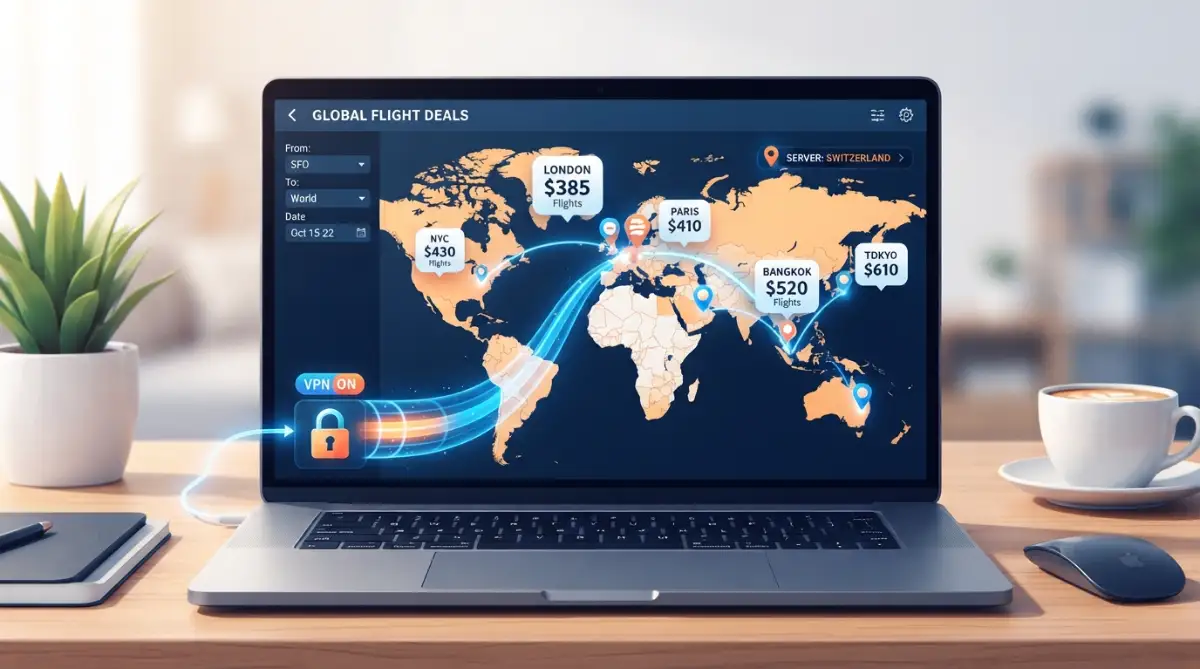
Airlines adjust these prices based on the average local income and the purchasing power of that specific region. If you are searching from a wealthy country, the system might naturally show you a higher base fare. This is one area where technology actually can help you, but it is not the private browsing mode.
Using a secure Virtual Private Network (VPN) allows you to temporarily change your digital location to another country. Sometimes, logging in through a server in a developing nation can reveal a cheaper Point of Sale fare for the exact same route. It does not always guarantee a massive discount, but it is a real strategy based on actual airline pricing structures.
The Myth of the Perfect Booking Day
Another massive rumor that heavily circulates the internet is the idea of a "magic" booking day. For a long time, travel experts confidently claimed that booking on a Tuesday afternoon would guarantee the cheapest possible fares. People would literally set their alarms and wait for hours just to hit the purchase button on a Tuesday.
This advice actually used to be somewhat true many decades ago before advanced computers took over. In the past, airline executives would manually load new fare sales into their basic systems at the beginning of the week. Competitors would see these sales and manually match the lower prices by Tuesday afternoon.
Today, advanced artificial intelligence and machine learning algorithms adjust ticket prices thousands of times a day automatically. There is absolutely no human waiting for a specific day of the week to lower the cost of a seat. The price drops whenever the algorithm detects that a specific flight is severely under-booked and needs more passengers.
How to Actually Outsmart the System
Now that we know the dark mode on your browser is practically useless, we need real, actionable strategies. The absolute best weapon you have against airline algorithms is deep flexibility. If you demand to fly on a Friday evening and return on a Sunday afternoon, you will always pay the maximum premium.
These are the exact times when everyone else on the planet also wants to travel. The algorithms know this peak demand is coming and they price those weekend buckets aggressively high. If you can slightly shift your travel dates to a Wednesday or a Saturday morning, you will often find massive savings.
You should always use tools like flexible date calendars on major flight aggregator websites. These calendars visually show you the price of your route across an entire month at a single glance. This completely removes the stressful guesswork and lets you instantly spot the cheapest days to fly without constantly refreshing the page.
The Power of Alternative Airports
Another highly effective way to beat the pricing game is to expand your geographical search radius. Many major cities have multiple airports, but people usually only search for the biggest, most famous one. The largest airports have significantly higher taxes and landing fees, which airlines directly pass on to your ticket price.
Smaller, secondary airports often charge airlines much lower operational fees to encourage more traffic. Budget airlines specifically target these smaller hubs so they can offer heavily discounted tickets to regular consumers. By simply checking a box to "include nearby airports," you might uncover a massive discount just a short drive away.
You do have to carefully calculate the cost of ground transportation from that secondary airport to your final hotel. Sometimes a cheap flight ends up costing more if you have to pay for an expensive two-hour taxi ride. However, if there is a reliable train or cheap bus available, this strategy can effortlessly save you hundreds of dollars.
Understanding One-Way vs Round-Trip Economics
We have been deeply conditioned to believe that buying a round-trip ticket is always the cheapest option available. Traditional legacy airlines used to heavily penalize travelers for buying one-way tickets to discourage complicated itineraries. However, the rise of modern low-cost carriers has completely changed this old financial rule.
Many budget airlines now price every single leg of a journey completely independently of the other. This means you can easily fly out with one airline and return with a completely different company for a cheaper total cost. You are no longer trapped into sticking with a single brand just to get a decent return fare.
Using this method, known as hacker faring, requires a bit more organization but the payoff is incredible. You might find that Airline A has a ridiculously cheap outbound flight, while Airline B has a massive sale on the return date. Combining these two separate tickets often beats the automated round-trip price offered by any single carrier.Proven Professional Tactics to Outsmart Airline Systems
Now that we know private browsing is a complete waste of your time, let us talk about what actually works. Instead of fighting imaginary tracking cookies, you need to understand the structural loopholes in the global aviation system. I have spent countless hours testing these specific methods, and they consistently save me hundreds of dollars on long-haul trips.
The Brilliant "Positioning Flight" Strategy
Most casual travelers simply type their local hometown airport into the search bar and accept whatever high price appears. They completely ignore the fact that major international hubs often offer base fares that are significantly cheaper. This is where the concept of a positioning flight becomes an absolute game-changer for your wallet.
Imagine you live in a smaller city like Cleveland and want to take a dream vacation to Tokyo. If you search for a direct itinerary from Cleveland to Tokyo, the airline will charge you an absolute premium for that convenience. The algorithm knows you are locked into their specific network for the entire journey.
Instead, search for flights to Tokyo from major coastal hubs like New York or Los Angeles. You will often find massive international fare sales from these big cities that drop the price drastically. Then, you simply buy a separate, cheap domestic ticket from Cleveland to that major hub to "position" yourself for the big flight.
Even when you add the cost of a cheap overnight hotel near the big airport, you often save a massive amount of money. This strategy completely avoids the how sudden financial traps silently drain your savings when booking complicated multi-city itineraries. You are essentially building your own custom connecting flight on your own terms.
Mastering the 24-Hour Legal Loophole
Here is a massive legal secret that most regular consumers know absolutely nothing about. In the United States, the US Department of Transportation consumer rights framework legally requires airlines to offer a 24-hour grace period. This specific rule applies to almost every single flight originating or landing in the country.
"My Quick '24-Hour Rule' Checklist:
- Book Directly: Always check if the airline website honors the 24-hour refund (most do if booked 7 days before travel).
- Set a Timer: Once you book, set a reminder for 23 hours later.
- Do One Last Search: Use those 23 hours to see if a better deal pops up elsewhere. If it does, cancel the first one for free!"
This rule means you can legally lock in a great price the exact second you see it without any financial risk. If you are waiting on your boss to approve your vacation days, just book the cheap ticket immediately. You have a full 24 hours to completely cancel the reservation and get a 100% refund back to your original payment method.
I use this exact method whenever I spot a sudden price drop but need time to coordinate with my family. It totally removes the intense anxiety of losing a great deal while you try to finalize your hotel plans. Just make sure you are understanding hidden terms in travel policies for the specific airline, as a few budget carriers try to hide this mandatory refund button deep in their menus.
The Currency Arbitrage Secret
Sometimes, the exact same flight is priced completely differently depending on the local currency of the departing country. This is especially true if you are booking domestic flights within a foreign country during a multi-stop vacation. The airline's regional website will often charge a much lower local rate compared to their main global website.
To take advantage of this, change the region settings on the airline’s homepage to the country you are visiting. Make sure you use a credit card that does not charge you any foreign transaction fees to pay for the ticket. You are essentially forcing the website to sell you the seat at the local economic rate rather than the inflated tourist rate.
While this sounds like a complicated Wall Street trick, it is actually just a simple menu adjustment on the booking page. Major financial institutions often publish reports detailing how global currency exchange rates affect e-commerce pricing, proving that regional digital pricing is a massive industry standard.
Leveraging Automated Price Trackers
Instead of manually checking prices every single morning, let the computers do the heavy lifting for you. Tools like Google Flights and Hopper allow you to easily set automated email alerts for your specific travel dates. You just type in your desired route, click the little bell icon, and completely walk away from your computer.
These sophisticated tracking tools monitor the live airline databases 24 hours a day without taking a break. The moment the airline algorithm drops the price to fill empty seats, you instantly get a notification on your phone. This completely prevents those bad habits that completely destroy your mental peace like endlessly refreshing the same web page.

The Heartbreaking Pitfalls That Empty Your Wallet
Even when people know the secrets, they still fall victim to deeply psychological pricing tricks designed to cause panic. Airlines employ massive teams of behavioral psychologists to design their checkout pages specifically to stress you out. If you are not mentally prepared, you will easily hand over way more money than you should.
Falling for the "Only 1 Seat Left" Trick
We have all seen that bright red text screaming "Only 1 ticket left at this price!" right next to our desired flight. This is a brilliant psychological trigger designed to make you stop thinking rationally and pull out your credit card instantly. The American Psychological Association research on scarcity marketing shows that this exact tactic directly causes consumers to make rushed, expensive decisions.
What the airline is not telling you is that this warning only applies to that specific, narrow fare bucket we talked about earlier. There might still be 150 empty seats on that massive airplane waiting to be sold. Once that single cheap ticket is bought, the price simply bumps up slightly to the next available fare bucket.
You do not need to panic and buy a ticket you are unsure about just because of a red warning label. Sometimes, taking a deep breath and waiting a few days can result in the airline opening up a brand-new block of discounted seats. Never let a computerized countdown timer bully you into a major financial commitment.
The Basic Economy Illusion
The biggest financial trap in modern air travel is the invention of the "Basic Economy" ticket. The initial price looks unbelievably cheap on the search engine, making you feel like you just won the lottery. However, these stripped-down tickets literally only cover a random seat on the plane and absolutely nothing else.
By the time you pay for a carry-on bag, select a seat next to your child, and print your boarding pass, the final price skyrockets. It almost always ends up costing significantly more than if you had just bought a standard main cabin ticket in the first place. You must always read the International Air Transport Association (IATA) baggage fee regulations and check the airline's specific bag policy before checking out.
If you accidentally book one of these tickets and realize your mistake at the airport counter, you are entirely out of luck. The gate agents will confidently charge you maximum penalty fees just to bring your small suitcase on board. This is a harsh reality that forces many families to look into securing emergency funds safely when plans go wrong right in the middle of the airport terminal.
Skipping Essential Travel Protection
Another massive mistake people make when hunting for cheap fares is ignoring the reality of travel disruptions. When you are hyper-focused on saving twenty dollars, buying travel insurance feels like an unnecessary extra expense. However, airlines lose thousands of bags every single day and cancel flights without any prior warning.
If your cheap connecting flight is severely delayed due to weather, a basic ticket will leave you sleeping on the airport floor. Good travel protection will immediately cover the cost of a comfortable hotel room and hot meals while you wait. Having this safety net is just as important as filing complicated property or luggage damage claims without stress when you finally return home.
Waiting Too Long for a Miracle Drop
While setting price alerts is smart, waiting forever for a magical massive discount is a terrible idea. Many travelers watch a perfectly reasonable fare slowly climb higher over a few weeks, stubbornly refusing to buy it. They are convinced that if they hold out until the very last minute, the airline will practically give the seat away.
In the modern travel industry, last-minute flight deals are practically extinct. As we discussed earlier, airline computers intentionally hike up prices in the final two weeks to squeeze money from desperate business travelers. If you see a price that comfortably fits your personal budget, just buy it and stop checking the route altogether. Constantly checking prices after you already bought your ticket only leads to unnecessary regret.
Taking Back Control of Your Travel Budget
It is time to officially retire the old browser tricks and start booking your trips with absolute confidence. The travel industry wants you to feel confused and powerless, but you now have the exact blueprint to beat their automated systems. You just need to shift your mindset from trying to trick the website to simply understanding how the massive databases operate.
Start playing around with flexible date calendars and exploring alternative airports near your desired destination. Set up automated email trackers a few months before your trip so you can monitor the real market trends. Debunking common financial myths that hurt your credit is just like debunking these travel myths; education is your absolute best defense.
The next time your friends start complaining about their cookies raising flight prices, you can calmly explain how the system actually works. You have the power to save your family a massive amount of money just by being a little more flexible and strategic. Traveling should be an incredibly exciting adventure, not a stressful financial burden that keeps you awake at night.
I honestly felt a massive weight lift off my shoulders the day I stopped playing silly games with my browser settings. My travel planning became so much more peaceful when I finally trusted the data instead of internet rumors. I want you to take these proven strategies, apply them to your next big vacation, and finally enjoy the stress-free booking experience you truly deserve.
Direct Answers to Your Biggest Airline Pricing Questions?
Does searching for flights multiple times increase the price?
No, searching for a flight multiple times does not automatically trigger a price increase on your specific device. Prices only go up when the cheap inventory buckets naturally sell out to other buyers across the globe. You are just seeing the live supply and demand changes happening in real-time.
What is the cheapest day of the week to buy airline tickets?
There is no longer a magic day of the week to buy cheap tickets, despite what old travel blogs claim. Modern artificial intelligence adjusts flight prices constantly every single day based entirely on seat availability. You should focus on setting automated price alerts rather than waiting for a specific Tuesday afternoon.
Do airlines actually track your IP address to change fares?
Major airlines do not track your personal IP address to maliciously raise prices just for you. This practice would require massive computing power and would severely violate multiple international consumer protection laws. Any price jumps you see are simply due to the global ticketing database updating its available seat numbers.
Is it cheaper to book flights at the very last minute?
Booking at the very last minute is almost always the most expensive way to fly. Algorithms are specifically designed to raise prices in the final weeks to target desperate corporate travelers who are forced to pay top dollar. You will get the best deals by booking at least one to three months in advance.
Do flight prices go down at night?
Flight prices do not automatically drop just because it is late at night in your specific time zone. The aviation database operates on a global scale, meaning someone is always awake and buying tickets somewhere in the world. Significant price drops only happen when an airline actively decides to launch a targeted regional sale.
Disclaimer: The information provided in this blog post is for educational and informational purposes only and does not constitute professional financial or legal travel advice. Airline pricing algorithms and policies change frequently, and we highly recommend double-checking all terms, fees, and conditions directly with your chosen airline before making any financial commitments. Always read the specific terms of service when using third-party travel aggregators or booking platforms.