
The Silent Weight of Unpaid Bills: My Personal Wake-Up Call
Stop hiding your phone under the pillow. If you've missed a few loan payments, your brain is probably telling you that the police are on their way or you'll lose everything by tomorrow morning. Take a deep breath—that’s just the panic talking. I've been in that dark hole of debt, and I'm going to show you exactly how to handle aggressive collectors, protect your money, and get your peace of mind back.
I had recently missed my third consecutive loan payment, and the collection calls were becoming completely relentless. I felt incredibly trapped, deeply embarrassed, and completely alone in my financial mess.
I would stare at my bedroom ceiling at 3 AM, wondering if they could freeze my bank accounts or suddenly show up at my workplace. The fear of the unknown was completely eating away at my mental peace.
I spent several weeks dodging calls, hoping the problem would somehow magically disappear if I just ignored it long enough. But ignoring a debt collector is honestly like ignoring a leaky pipe in your home; the damage only gets significantly worse over time.
The reality of living with a defaulted loan is terrifying for anyone who has never faced this dark situation before. You constantly feel like you are being hunted by aggressive agencies who only care about getting their commission check.
Every single text message notification sound makes your heart skip a beat. You start lying to your friends and family about why you seem so stressed out all the time, just to hide your shame.
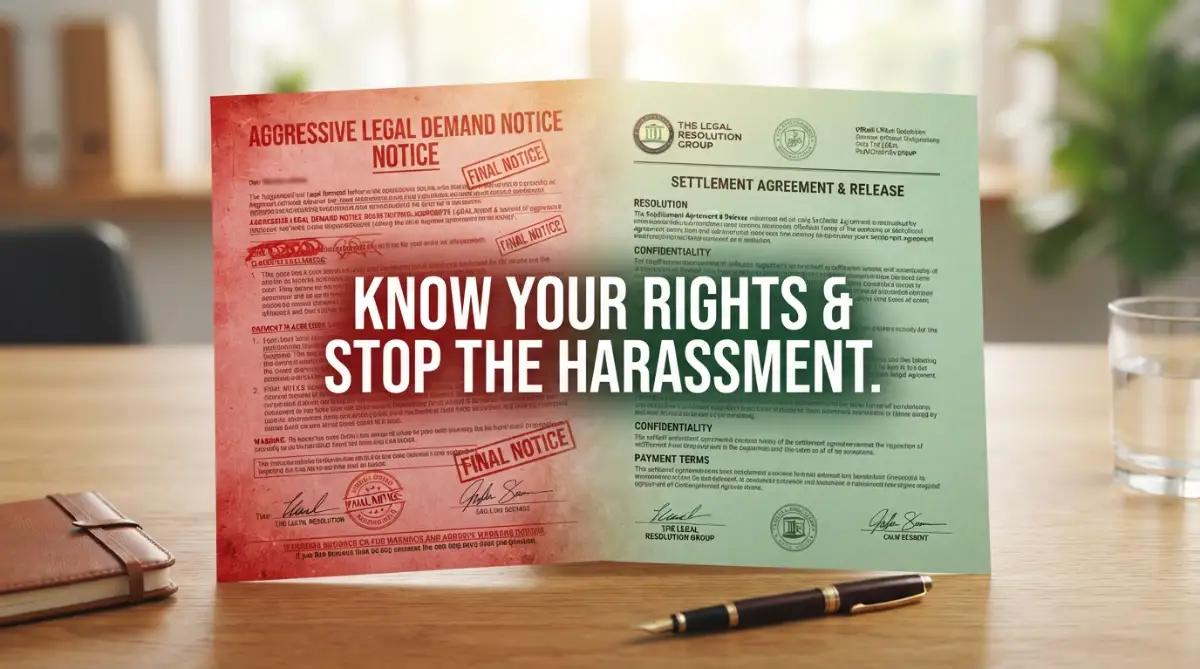
You absolutely do not have to live in this constant state of anxiety and fear. Today, I am going to walk you through exactly how this recovery system works and how you can confidently take back control of your life.
Quick Survival Guide (Read This First):
- You cannot go to jail for missing personal loan or credit card payments.
- Never agree to pay a random collector over the phone without seeing written proof first.
- Paying even a single dollar on an old debt can restart the legal clock against you.
- You have the federal right to demand they stop calling your phone and only contact you by mail.
Decoding the Behind-the-Scenes Collection Playbook
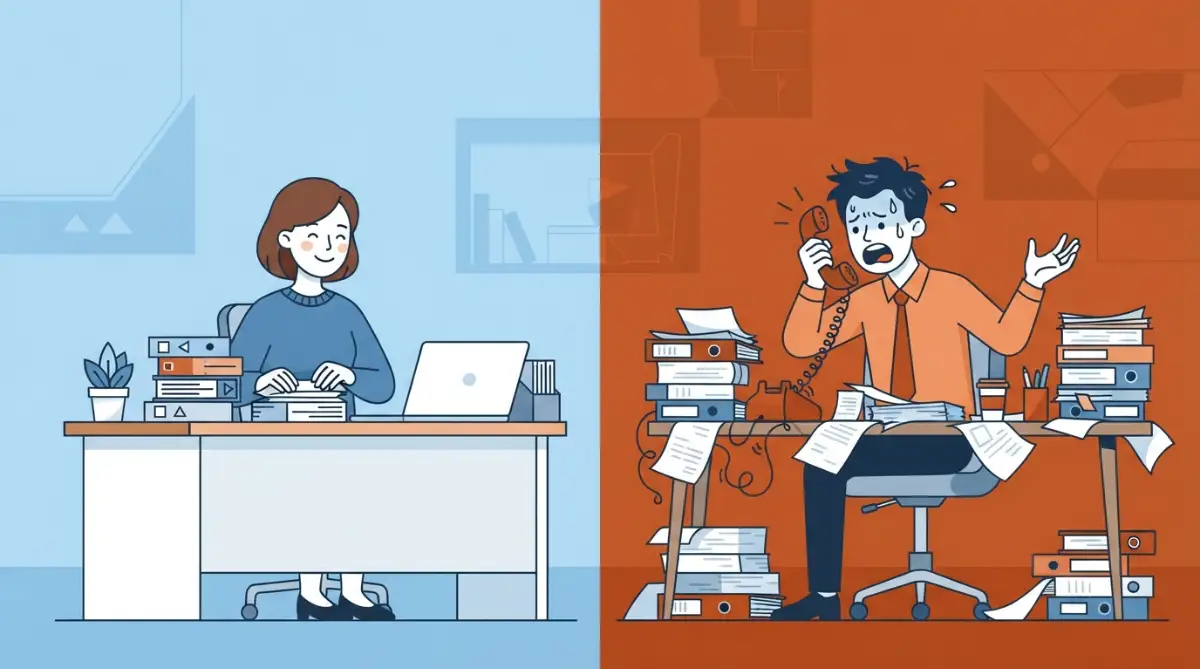
Most people assume that the exact moment they miss a payment, a massive legal team is immediately dispatched to ruin their lives. This is a massive misconception built entirely on fear and movie tropes.
Banks and direct lenders actually prefer to avoid legal action because it costs them a massive amount of money and time. They would much rather work out a basic, realistic repayment plan with you directly.
During the first few weeks of a missed payment, your account normally stays inside the bank's own internal recovery department. These are usually polite customer service representatives calling to gently remind you about your balance.
If you bravely answer these early calls, you can very often negotiate a temporary grace period. They might even offer to quietly waive your late fees if you calmly explain your temporary financial hardship.
The real aggression usually starts when your account is finally sold or transferred to a third-party collection agency. These aggressive agencies buy your old debt for pennies on the dollar and want to make a very quick profit.
Managing the Aggressive Third-Party Callers
Third-party debt collectors are specifically trained to use intense psychological pressure to make you pay immediately. They will often use urgent language and create completely fake deadlines to trigger your immediate panic.
You must always remember that these callers are essentially just salespeople working on a strict commission basis. They get a specific percentage of whatever money they can successfully squeeze out of you today.
If you are constantly getting harassed by debt collectors, watching this quick breakdown of your legal rights will completely change how you handle their next phone call.
Knowing exactly how to answer their tricky questions without accidentally admitting legal fault is a major game-changer. Never ever agree to a debt amount over the phone without seeing solid written proof first.
You hold a lot more power in this conversation than the caller wants you to believe. If you stay calm and stick to the facts, they quickly realize they cannot bully you into submission.
I used to make the terrible mistake of arguing with collectors over the phone, trying to explain my sad story in hopes for sympathy. My big realization was that these agencies simply do not care about my personal problems; they only care about paper trails and quick cash. Now, I always demand everything in writing before I even acknowledge the conversation, which instantly stops their aggressive phone tactics.
Instead of arguing or explaining yourself, you need to take control of the call. Keep a notepad near your phone and read this exact script the next time a collector calls you:
"I am keeping a record of this call. I do not acknowledge this debt. Send all proof and validation of this claim to me in writing via certified mail. Do not call this phone number again."
Hang up immediately after saying this. Do not wait for their response or answer any follow-up questions.
The Magic of Demanding Written Validation
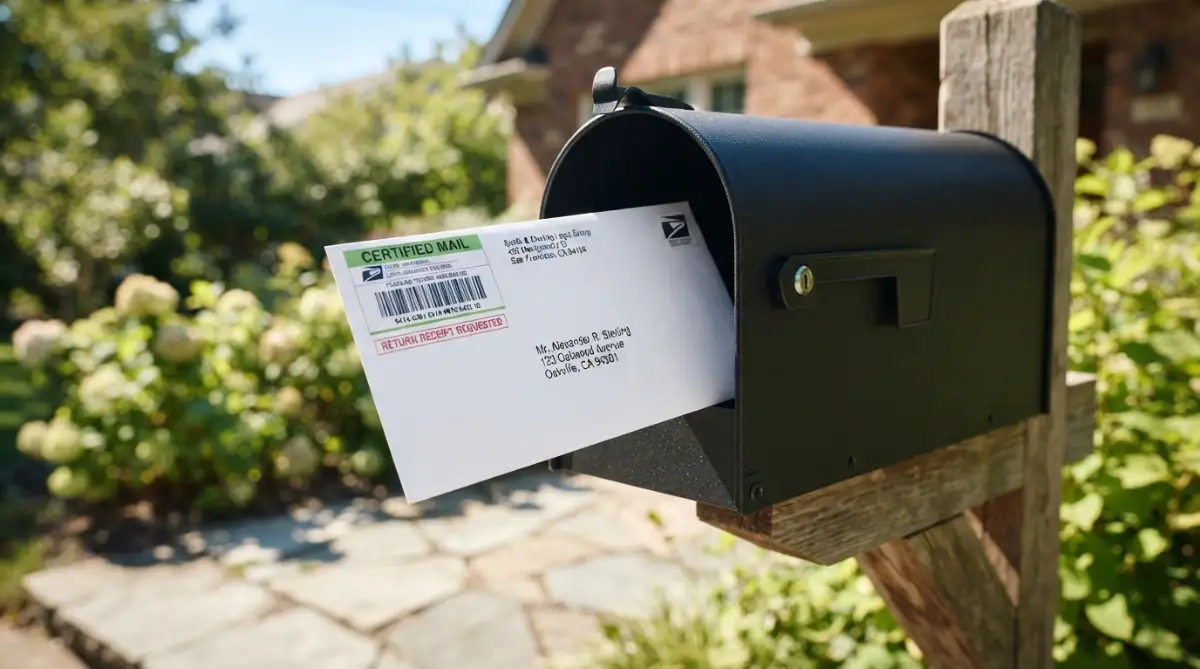
Every single time a new agency contacts you, you have a solid legal right to request a formal debt validation letter. This specific document legally proves that they actually have the real authority to collect the money from you.
Surprisingly, many sketchy collection agencies cannot actually provide this basic, essential paperwork. If they fail to officially validate the debt within a specific timeframe, they legally have to stop contacting you forever.
To easily trigger this protection process, you just need to send a simple certified letter stating you dispute the debt. Always make sure to send your letters via certified mail so you get a physical receipt of delivery.
Once they receive your validation request, the annoying phone calls must legally pause while they investigate the matter. This buys you precious time to breathe, organize your finances, and plan your next strategic move.
Understanding the Timeline of a Default
A loan does not instantly go into default the day after you miss a scheduled payment. There is actually a very specific timeline that most major financial institutions follow before declaring a total default.
Between days one and thirty, your account is simply considered past due or highly delinquent. This is the absolute best time to call your lender and beg for a temporary hardship program.
Let's break down exactly what happens and when. Here is a quick snapshot of the default timeline so you know what is coming:
Once you cross the ninety-day mark, the bank starts writing off your account as a serious loss on their books. This is the exact moment when the scary third-party collectors usually enter the picture to ruin your day.
After one hundred and twenty days, your credit score will take a massive, heavy hit that lasts for years. At this late stage, negotiating a lump-sum settlement becomes your absolute best strategy for survival.
Understanding this specific timeline helps you clearly predict exactly what is going to happen next. When you know what to expect, the fear of the unknown completely disappears from your mind.
Common Collection Myths vs Realities
There is so much terrible advice floating around the internet regarding unpaid loans and collection agencies. I want to break down a few of the biggest myths so you stop making bad decisions based on fake news.
Having this clear knowledge completely protects you from the manipulative lies that bad collectors tell over the phone. Always verify any legal threat they make, because most of them are totally empty bluffs.
Protecting Your Everyday Mental Health
Dealing with severe financial trouble is incredibly exhausting for your mind and your body. It is extremely common to experience severe depression, anxiety, and sleep loss during this highly stressful period.
You must actively protect your mental health while you navigate this tricky collection process. Constantly obsessing over your negative bank balance will only make you sick and entirely unable to work.
I strongly recommend setting a very specific time each week to deal with your debt-related paperwork. For example, only open collection letters or check your credit report on Saturday mornings for one hour.
Once that hour is over, you must force yourself to close the folder and go enjoy your normal life. You are so much more than your credit score or your current financial mistakes.
Talking to a trusted friend or a professional counselor can dramatically lighten the heavy emotional load you are carrying. Just speaking the words out loud takes away a huge portion of the shame and the daily stress.
The Difference Between Secured and Unsecured Trouble
It is very important to clearly understand what type of debt you are actually defaulting on. The collection process looks entirely different depending on whether your loan was originally secured or unsecured.
If you default on a secured loan, like a car payment or a home mortgage, the lender has real power. They can legally repossess your physical vehicle or start the brutal foreclosure process on your family home.
Because they hold physical collateral, secured lenders do not need to bother suing you in civil court first. They just send a recovery team to legally take back the property you promised them.
Unsecured loans, like personal credit cards or basic medical bills, are a completely different ballgame. The lender has absolutely no physical property they can automatically seize if you suddenly stop paying.
To force you to pay an unsecured debt, they must actually take the time to formally sue you. This makes unsecured creditors much more willing to negotiate a friendly settlement outside of the courtroom.
Preparing for the Worst: What if They Sue?
The absolute biggest fear most people have is getting a heavy knock on the door with a massive lawsuit. While being sued is certainly scary, it is definitely not the end of your financial world.
If you ever receive an official legal summons, the absolute worst thing you can do is ignore it. Ignoring a court date means the debt collector automatically wins a default judgment against you.
Once they secure a legal default judgment, they can suddenly gain access to your bank accounts. They might even be able to legally garnish a large percentage of your weekly paycheck.
You must always submit a formal written answer to the court within the required legal timeframe. Simply showing up and asking the collector to firmly prove the debt can sometimes result in the case being dropped.
If you are facing a massive lawsuit, this is the exact time to consult with an affordable consumer protection attorney. Many great lawyers will offer a completely free initial consultation to quickly review your specific case details.
Rebuilding The Foundations of Your Life
Surviving a painful loan default is only the very first step in your long financial journey. Once the aggressive calls finally stop, you have to slowly start rebuilding your completely broken credit.
This recovery process requires a lot of extreme patience and a completely new approach to managing your daily money. You have to learn how to budget strictly and save up a solid emergency fund to prevent future disasters.
Getting a secured credit card is usually the safest and fastest way to start generating positive new payment history. You simply put down a small cash deposit, and that becomes your strict new credit limit.
Use this small card for basic groceries, and then pay the entire balance off perfectly every single month. Over time, these small positive actions will completely bury the negative marks left by your old defaulted loans.
Never forget that a financial default is just a temporary roadblock, not a permanent life sentence. Millions of highly successful people have survived terrible bankruptcies and massive defaults to build amazing lives later on.
Beyond the Basics: Pro-Level Debt Defense Tactics
I learned very quickly that surviving the initial wave of collection calls is just the beginning of the journey. To truly win this heavy mental battle, you have to start thinking exactly like an industry insider.
These massive collection agencies rely heavily on your daily panic and your lack of legal knowledge. Replacing that blinding panic with a solid, step-by-step strategy changes the entire dynamic of the conversation.
Once you understand the hidden rules of their own game, you can completely turn the tables in your favor. Let me share some of the most effective, advanced strategies that helped me regain my financial sanity.
The Art of the "Pay for Delete" Negotiation
Most honest people just pay the legally settled amount and pray their credit score magically heals overnight. Unfortunately, paying an old collection account does not automatically remove the ugly mark from your credit history.
This is a massive missed opportunity for anyone trying to quickly buy a car or rent a new apartment. Before you hand over a single dime to a collector, you must clearly ask for a "pay for delete" agreement.
This specific arrangement means they promise to completely erase the negative account from your credit report once your payment clears. It is absolutely not a guaranteed legal right, but many smaller agencies will easily agree to this if they desperately want your cash.
Always force them to send this exact promise in writing through the regular mail before you agree to anything. When you are trying to master your debt managing unsecured loans without credit damage, getting absolutely every detail in writing is your best defense.
Creating a Dedicated Debt Shield
One of the absolute smartest things I ever did was purchase a very cheap, prepaid secondary mobile phone. I gave this brand-new number strictly to my active creditors and quietly updated my official bank accounts to reflect it.
This simple move immediately stopped my personal cell phone from ringing loudly during quiet family dinners and stressful work meetings. You can also easily set up a brand-new email address dedicated entirely to handling financial disputes and settlement offers.
Keeping all of this highly toxic communication neatly organized in one specific place heavily protects your daily mental peace. You get to completely decide exactly when and where you want to deal with your financial issues.
Under the specific rules set by the Federal Trade Commission regarding fair debt collection practices, you actually have the power to clearly dictate how these agencies are allowed to contact you. Use this powerful federal protection to immediately block them from calling your workplace and embarrassing you in front of your boss.
The Silent Power of the Cease and Desist
If a specific collector is becoming dangerously abusive, aggressively threatening, or calling you fifty times a day, you have options. You absolutely do not have to just sit there and silently take their verbal abuse.
You possess the total legal right to mail a formal cease and desist letter demanding they completely stop all communication. Once they legally receive this certified letter, they are only allowed to contact you one final time to confirm they are walking away.
Pro Tip: I used to foolishly think sending a cease and desist meant my unpaid debt would simply disappear entirely. I quickly realized this aggressive tactic just forces the agency to either drop the issue completely or formally take me to civil court.
You should really only use this extreme tactic if you are fully prepared to face a potential legal battle. If you are trying to figure out what to do right now if you can't make your car payment, communicating early with your original bank is always a much safer option than ignoring them.
Spotting the Phantom Debt Scam
As your financial data gets bounced around between different agencies, you become a major target for literal scammers. These fake collectors will violently call you demanding instant payment for a loan you do not even remember taking out.
They will boldly threaten to send the local police to your house within the hour if you do not buy digital gift cards immediately. A real, legally operating collection agency will never ever demand payment via retail gift cards or untraceable wire transfers.
If someone flat out refuses to mail you written validation of the money you owe, safely assume it is a total scam. Always protect your bank account numbers and never share your social security details with an inbound caller.

The Most Dangerous Traps That Will Destroy Your Progress
Navigating the complex debt recovery process often feels like walking blindly through a dark field full of hidden traps. Just one single wrong step can instantly undo months of hard work and careful settlement negotiation.
The heavy emotional stress makes people naturally look for the absolute fastest way out of the daily pain. Let me share some heartbreaking mistakes I see completely honest people make every single day out of pure desperation.
Avoiding these massive pitfalls will save you thousands of dollars and protect your family from total financial ruin.
Trap 1: The One-Dollar Reset Button
I completely understand the overwhelming daily guilt of owing a large company money. Sometimes, you might feel highly tempted to send an aggressive collector ten dollars just to show "good faith" and make them stop yelling.
This is honestly one of the most destructive and irreversible financial mistakes you can ever make during this process. Making even a tiny partial payment instantly resets the official statute of limitations on your very old debt.
You essentially just gave the collection agency several more years of legal power to aggressively sue you for the full amount. According to detailed consumer protection reports from the National Consumer Law Center on time-barred debts, restarting the legal clock is a primary trap collectors use against uneducated borrowers.
Never agree to make a small "temporary" payment over the phone just to get the agent off your back. If the debt is heavily aged, making a tiny payment brings a dead account right back to terrifying life.
Trap 2: Borrowing From Sharks to Feed the Wolves
When the daily collection pressure gets completely unbearable, your panicked brain naturally starts looking for instant cash solutions. Far too many terrified people take out extremely high-interest, short-term cash advances just to pay off an aggressive caller.
You are essentially taking a bucket of gasoline and pouring it directly onto a burning house fire. You must deeply understand the dangerous trap of payday loans and safe alternatives for emergency cash flow before you ever sign a new contract.
Swapping a standard, boring overdue balance for a highly aggressive new loan with a 400% interest rate will financially bury your family. Imagine you owe a local hospital exactly two thousand dollars, and the collector is yelling at you daily.
To stop the noise, you take a quick payday advance to settle the hospital bill by Friday afternoon. By next month, you now officially owe the new payday lender three thousand dollars, and they have direct access to empty your main checking account.
You just traded a very slow, manageable problem for a complete overnight financial nightmare. This terrible cycle is exactly why the danger of payday loans why high interest debt destroys lives is a topic you simply cannot ignore.
Trap 3: Believing Empty Verbal Promises
Debt collectors are highly trained professional salespeople who will tell you absolutely anything to secure their daily commission. They will happily promise to fix your credit score, waive all your massive fees, and leave you alone forever.
The harsh reality is that absolutely none of their sweet verbal promises matter if you end up in front of a real judge. If it is not clearly printed on official company letterhead and signed by a manager, it simply does not exist.
I once agreed to a great settlement over the phone and immediately sent them a check for five hundred dollars. A week later, a different agent called me demanding the remaining balance, claiming they had zero record of my previous phone agreement.
Always demand a physical settlement letter in your mailbox before you authorize any transfer of your hard-earned money. Treat every single phone call like a business transaction, not a friendly chat with a buddy.
Trap 4: Emptying Your Golden Nest Egg
I have sadly seen terrified parents eagerly cash out their heavily protected retirement accounts just to pay off an old unsecured credit card. This completely breaks my heart because designated retirement accounts are usually legally protected from basic consumer lawsuits.
You are willingly handing over your family's secure future just to silence a very rude voice on the telephone. If you are ever seriously considering touching your retirement funds, please stop and speak with a certified financial counselor first.
There is almost always a much better, safer path forward that heavily protects your long-term family assets. Sometimes desperate people even look into risky property options, but you really need the ultimate guide to self employed home refinancing to see if risking your safe house is actually worth the gamble.
If the debt is truly massive and completely unpayable, consulting with the American Bar Association resources for finding free legal help is a much smarter move than draining your 401k. Bankruptcy might sound incredibly scary, but it is often much safer than giving up the money you need to survive old age.
Your Personal Blueprint for Financial Freedom
You have finally learned exactly how the scary curtain is pulled back on these highly aggressive collection agencies. The heavy, dark fear that used to live permanently in your chest should be slowly shrinking away right now.
You now hold the actual, practical knowledge needed to confidently stand your ground and fiercely fight for your financial peace. Always remember that an unpaid bank balance absolutely does not define your personal worth or your true character.
It is simply a basic math problem that requires a cool, calm, and highly strategic daily solution. Start by organizing all your scary paperwork into one single manila folder tonight, so you know exactly who you owe.
Taking active steps to carefully rebuild your broken credit takes a lot of time, but utilizing free tools from trusted resources like AnnualCreditReport.com helps you track your real progress safely. If you are trying to deeply understand the actual banking systems, reading about the overlooked factors underwriters check before mortgage approval can heavily help you prepare for your future.
Next, draft your basic written validation letters and get them ready for the local post office by tomorrow morning. Take your total power back by aggressively forcing these rude callers to play strictly by your brand-new rules.
My biggest personal breakthrough happened the exact moment I stopped running away and finally decided to face the ugly numbers head-on. You absolutely have the inner strength to fix this messy situation, and your much brighter financial future truly starts the moment you mail that very first letter.
Clear Answers to Your Biggest Recovery Questions
Can a debt collector legally empty my daily bank account?
A third-party collector cannot simply take money straight from your personal checking account without your strict permission. They must first take you to a civil court, legally win a lawsuit against you, and get a judge to sign an official order. This is exactly why you should never ignore a formal court summons if one ever arrives in your daily mail.
How long does a defaulted loan actually stay on my credit profile?
Generally, a negative collection account will remain highly visible on your credit report for seven long years. However, its actual negative impact on your daily credit score naturally decreases as the specific account gets older. Building fresh, positive payment history with a new secured card can heavily help hide the old damage much faster.
What happens if I just hang up the phone on a collection agency?
Nothing legally terrible happens to you if you simply end a highly aggressive phone call to protect your daily peace. You are under absolutely no legal obligation to stay on the line and quietly listen to their scary threats. Just politely tell them to send all future communication in writing, and firmly hang up the phone immediately.
Will settling for less money ruin my future chances of getting good credit?
Settling an old account for less money than you originally owed is always much better than leaving it completely unpaid. It will show up on your report as legally "settled," which might slightly lower your score temporarily for a few months. But future banks heavily prefer seeing a settled account over an active, open collection that you are actively ignoring. This simple logic heavily applies when you wonder what actually happens when you pledge collateral for a secured borrowing option; resolved accounts always look much safer to new lenders.
Do I have to speak to collectors if I hire a real lawyer?
Absolutely not, and this is one of the best protections available to you. Once you officially hire an attorney to represent you, the collection agencies must legally direct all communication straight to your lawyer. If they keep calling your personal phone after knowing you have legal representation, they are actually breaking federal law.
Disclaimer: The information provided in this blog post is for educational and informational purposes only and does not constitute official legal or financial advice. We strongly recommend consulting with a certified financial planner, credit counselor, or legal professional regarding your specific financial situation before making any major monetary decisions.