The Heavy Burden of Carrying Endless Debt
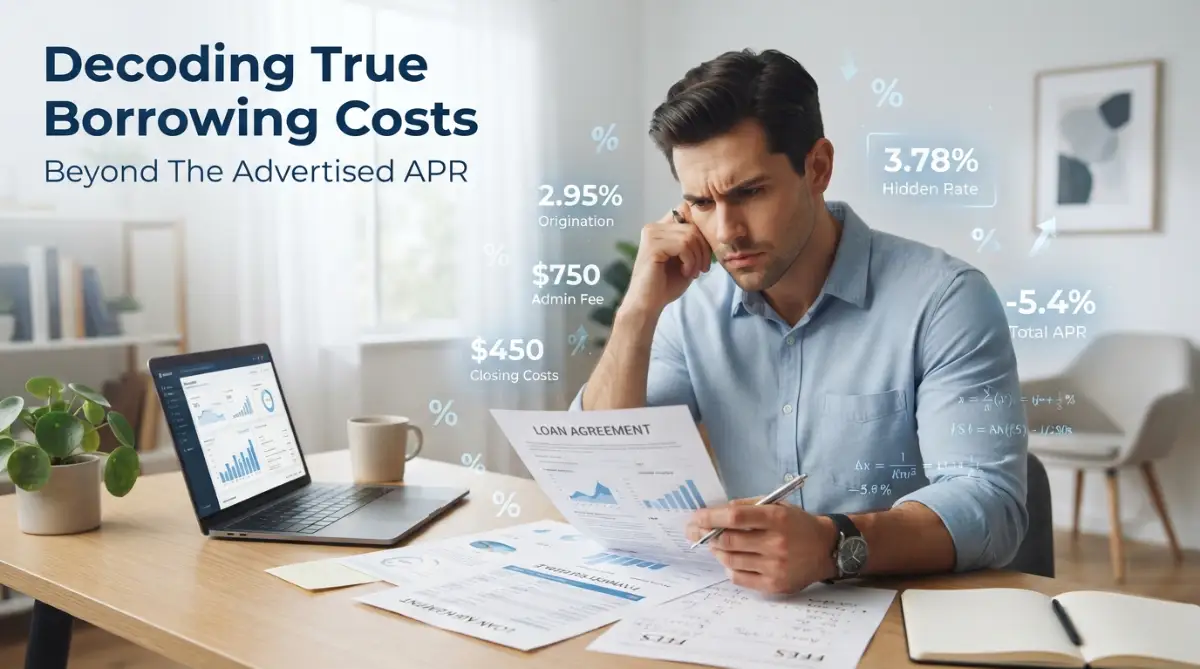
Let’s be honest for a second. If you only pay the required amount on your credit card this month, you are quietly handing the bank a massive tip. I used to think I was playing it safe by just covering that tiny number at the bottom of my statement to keep extra cash in my pocket. But the math tells a completely different story, and once you realize how much of your paycheck is evaporating into daily interest charges, you will never look at your credit card bill the same way again.
It felt like I was running on a treadmill that just kept speeding up while I was going absolutely nowhere. Every single month, I would transfer a tiny amount to the bank, thinking I was managing my money well. I did not realize my hard-earned cash was simply vanishing into thin air through interest charges. This was my hard wake-up call to how bad things really were.
When a huge chunk of your income goes straight to paying just the interest, your daily life takes a huge hit. You cannot save for emergencies, you cannot invest in your future, and you definitely cannot enjoy your money. The constant worry about owing money creates a dark cloud over everything you do.
What You Need to Know Right Now (Key Takeaways):
- Paying only what the bank asks for keeps you trapped in daily interest charges for years.
- Adding just an extra $50 to your monthly payment can cut your payoff time in half.
- The "Snowball Method" (paying the smallest card first) gives you the quickest mental win.
- Balance transfers are a great tool, but the hidden transfer fees can easily ruin your budget if you do not do the math first.
How Banks Make You Feel Safe While Taking Your Money
The financial industry is very smart about how they present your monthly bills. They always put the lowest possible payment option right at the top in big, bold letters. This is completely by design to trick your brain into feeling a sense of relief. You see a massive balance, but then you see you only need to pay thirty dollars to keep your account in good standing.
Your brain instantly tells you that everything is perfectly fine and under control. But this is the exact moment the trap snaps shut on your finances. The bank is not doing you a favor by asking for such a small amount. They are actually ensuring that you stay in debt for as long as humanly possible.
The longer you hold onto that balance, the more money they make off you through interest. The reality is that the small amount you send them barely even covers the cost of borrowing the money. Your actual debt remains completely untouched, waiting to generate even more interest the very next day.
The Hidden Math Eating Your Income
To really understand what is happening to your wallet, we need to look at how daily interest works. Most high-interest loans, especially credit cards, calculate your interest charges every single day. They take your Annual Percentage Rate (APR), divide it by the number of days in the year, and apply that tiny percentage to your balance daily.
Because you are only paying a fraction of the total balance at the end of the month, the principal amount stays large. This means the daily calculation keeps hitting a big number, generating a massive charge by the time your next bill arrives. Let me give you a clear example to show exactly how bad this gets.
Imagine you have a five thousand dollar balance on a card with a twenty-two percent interest rate. If your minimum payment is around one hundred dollars, almost all of that money goes straight to the interest charge. You might only be reducing your actual debt by ten or fifteen dollars a month.
Breaking Down the Real Cost of Waiting
Let us look at a quick comparison to make this completely clear. Seeing the actual numbers side by side usually helps everything click into place. Below is a breakdown of what happens when you settle for the lowest option versus paying just a bit more.
Notice how adding just a little bit extra to your monthly transfer completely changes the timeline. You save thousands of dollars and get your life back years earlier. This is money that belongs in your pocket, not in a bank executive's bonus fund.
Quick Reality Check: Minimum Payments (Myth vs. Fact)
- The Myth: Paying the minimum amount on time keeps my credit score perfect and saves me money.
- The Fact: While it stops late fees, paying only the minimum keeps your credit utilization dangerously high. Your score will actually drop because lenders see you maxing out your available limits month after month.
Practical Strategies to Smash High-Interest Balances
Now that we see exactly how dangerous this habit is, we need to talk about taking action today. You do not need to be a math genius to fix this problem and get your life back on track. You just need to change how you look at your monthly bills and make a few smart adjustments.
The very first thing you need to do is ignore the suggested payment amount on your statement. Pretend that number does not even exist because it is completely holding you back. You must set your own personal baseline that is much higher than what the bank asks for.
Even if you can only afford to send an extra twenty or fifty dollars, you have to do it consistently. Every single extra dollar you send goes directly toward the principal balance. This instantly reduces the amount of daily interest you will be charged tomorrow.
Watch This Expert Breakdown on Debt Strategies
If you want to completely change how you handle your money, you have to understand the powerful difference between the Snowball and Avalanche payoff methods. This short video perfectly explains how you can use these two strategies to destroy your debt months ahead of schedule.
The Danger of the Credit Utilization Trap
Another massive issue with keeping a high balance is how it completely destroys your credit score. Your credit utilization ratio is a huge factor in determining your overall financial trustworthiness. This is simply the amount of debt you have compared to your total available credit limit.
When you only pay the lowest amount, your balance stays very close to your maximum limit. This signals to other lenders that you are heavily relying on borrowed money to survive. A high utilization ratio will tank your score, making it impossible to get good rates on future loans.
If you ever want to buy a house or get a decent car loan, you need this score to be high. By aggressively paying down the principal, you quickly lower this ratio and boost your score naturally. This one simple habit protects your future borrowing power and saves you from high rates down the road.
My Personal Wake-Up Call About Extra Payments
I want to share a quick realization that totally shifted my approach to handling my money. I used to think that keeping extra cash in my checking account made me financially secure. But I realized I was paying twenty-five percent interest on my debt just to earn zero percent on my cash sitting in the bank.
My desire to feel safe by hoarding cash was actually costing me hundreds of dollars a month. I finally took a large chunk of my savings and threw it directly at my highest interest card. It was scary for a minute, but the relief of seeing that balance drop was the best feeling in the world.
Changing Your Daily Money Habits
To find the extra cash to throw at your debt, you have to look closely at your daily habits. Small leaks in your spending are likely draining the exact money you need to break free. You do not have to stop enjoying your life completely, but you do need to pause the mindless spending.
Think about the subscriptions you never use or the frequent takeout meals you order out of pure laziness. Redirecting just one hundred dollars from these random expenses toward your debt changes everything. It creates a powerful momentum that actually makes paying off debt feel incredibly rewarding.
You start checking your balance not with fear, but with excitement to see the number go down. You realize that you are finally in control of your own money. The banks are no longer dictating your financial future because you are actively fighting back.
The Snowball Approach for Quick Wins
Sometimes the math is not enough to keep you motivated, and you need a psychological boost instead. This is where focusing on your smallest balances first can be incredibly helpful for your mental state. You line up all your accounts from the smallest amount owed to the largest amount owed.
You continue paying the bare minimum on the big accounts so you do not get penalized. But you take every single extra dollar you can find and attack the smallest balance with everything you have. Before you know it, that small account is completely wiped out and closed forever.
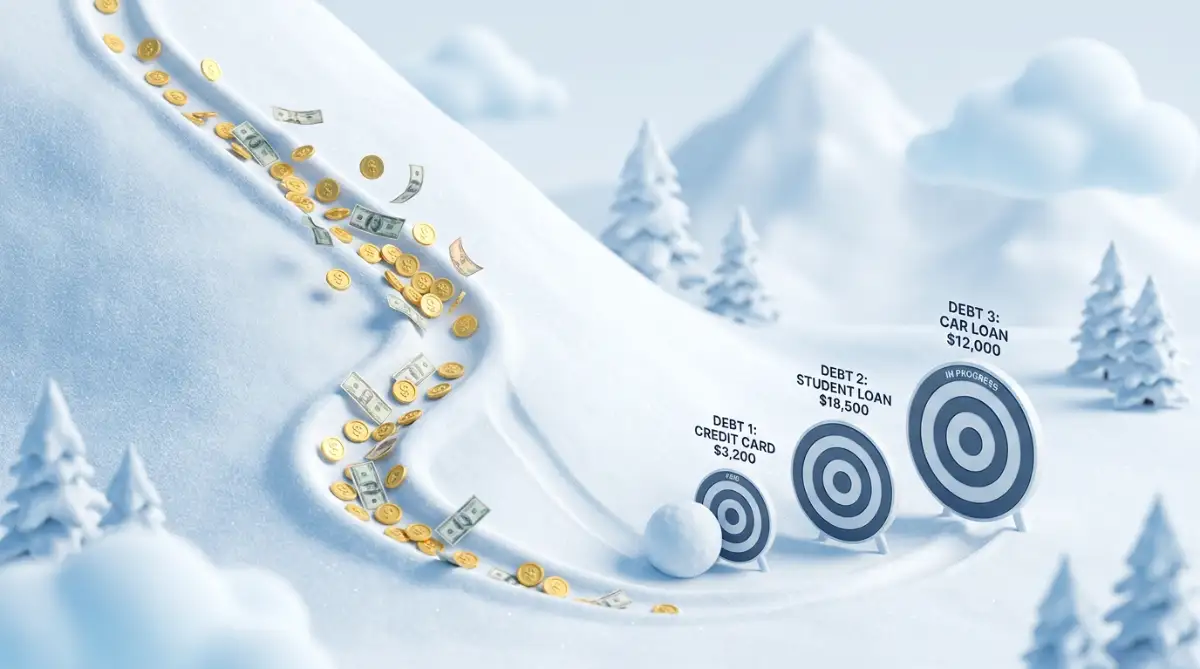
The feeling of crossing an entire debt off your list is incredibly powerful and addictive. You then take the money you were paying on that small debt and roll it into the next smallest one. Your payments grow bigger and bigger, much like a snowball rolling down a massive hill.
Protecting Your Future Wealth
Every dollar you hand over in interest is a dollar you cannot use to build your own wealth. We call this the opportunity cost of carrying revolving debt month after month. If you took that same money and invested it, it would be growing for you instead of working against you.
Your financial health depends entirely on keeping your own money in your own pockets. When you stop giving away your income to lenders, you finally have the freedom to build an emergency fund. You can start investing in stocks, real estate, or even your own personal business ideas.
Do not let the convenience of a small monthly payment trick you into funding someone else's profits. Take a hard look at your statements today and find exactly where you are losing money. Commit to sending just a little bit extra this month, and watch how quickly your financial life begins to change for the better.
Moving Beyond the Basics: Pro-Level Debt Crushing Secrets
If you really want to speed up your journey to financial freedom, you need to think like an insider. Banks rely on the fact that most people will just accept whatever terms they are handed. But you have much more power in this situation than you probably realize.
One of the smartest moves you can make is picking up the phone and calling your credit card issuer. Ask to speak to the retention department and politely request a lower interest rate on your account. You would be totally shocked at how often they say yes, especially if you have a solid history of on-time payments.
They know that the market is highly competitive, and they do not want to lose you to another bank. If they lower your rate by just four or five percent, a much larger chunk of your money will go toward the principal balance. This simple five-minute phone call can literally shave months off your repayment timeline.
The Magic of the Zero-Percent Balance Transfer
If your current bank refuses to lower your rate, it is time to look for a completely different home for your debt. A zero-percent balance transfer credit card is one of the most powerful tools you can use to protect your money. These cards offer a promotional period where you pay absolutely no interest for twelve to eighteen months.
When you move your high-interest balance over to one of these cards, something amazing happens to your budget. Every single dollar you send to the bank now goes straight to paying down the actual money you borrowed. You instantly stop the daily interest charges from draining your bank account.
However, you have to read the fine print carefully before you make this move. Most banks charge a one-time transfer fee of three to five percent of the total amount you move over. You also need to be extremely disciplined and pay off the entire balance before the promotional period ends, or the high rates will return.
My 3-Step Balance Transfer Safety Checklist:
- Check the Fee: Make sure the 3% to 5% transfer fee does not wipe out your interest savings.
- Set a Deadline: Divide your total balance by the zero-percent promotional months. That is your new mandatory monthly payment.
- Hide the Old Card: Do not close the old account, but delete it from your Apple Pay or Google Wallet immediately so you do not double your debt.
If you want to understand the legal side of how lenders apply these fees, you can read up on understanding credit card interest regulations directly from consumer protection agencies. Educating yourself on the rules puts you in the driver's seat of your own financial life.
Automating Your Way to Debt Freedom
Relying on sheer willpower to send extra money to your lender every month is a recipe for failure. Life gets busy, unexpected expenses pop up, and suddenly that extra payment feels too painful to make. The secret to long-term success is removing the human element from the equation entirely.
Set up automatic transfers from your checking account to your credit card the very day your paycheck clears. Do not even give yourself the chance to look at that money or think about spending it. If the money leaves your account immediately, your brain simply adjusts to living on what is left over.
Finding Hidden Cash in Your Daily Routine
To really accelerate your progress, you have to get aggressive about finding extra money in your normal routine. You do not need to work a million hours a week, but you do need to audit where your cash is going. Start by negotiating your fixed expenses like car insurance, internet bills, and mobile phone plans.
Call your providers and tell them you are thinking about switching to a competitor unless they can offer a better rate. Take the fifty or sixty dollars you save from these calls and add it directly to your automatic debt payment. It feels like finding free money, and it drastically cuts down the time you spend chained to your lenders.
Sometimes, unexpected emergencies make it hard to keep up with these aggressive strategies. If you ever find yourself struggling to keep up with other bills, you need to know how to secure an unsecured loan even with a less-than-perfect credit history. Keeping a backup plan ensures one bad month does not completely derail your entire financial recovery.

The Hidden Pitfalls That Can Destroy Your Hard Work
Fixing your financial health is an emotional rollercoaster, and it is very easy to make silly mistakes along the way. When people finally start seeing progress, they often get overly excited and make choices that accidentally hurt their credit scores. You have to navigate this process very carefully so you do not shoot yourself in the foot.
The stress of owing money causes many people to make rash decisions out of pure panic. The psychological burden of carrying debt can literally cloud your judgment and make you desperate for a quick fix. Let us walk through the most dangerous traps you need to avoid at all costs.
The Mistake of Closing Old Accounts Too Quickly
I completely understand the intense urge to grab a pair of scissors and destroy a card once you finally pay it off. Closing the account entirely feels like the ultimate victory over the bank that kept you trapped for so long. But hitting that "close account" button can actually cause your credit score to drop significantly.
Your credit score heavily relies on the total amount of credit you have available to your name. When you close an old card, you wipe out thousands of dollars of available credit history in an instant. This makes your remaining debt look much worse, which spikes your credit utilization ratio.
Instead of closing the account, simply cut up the physical card and delete the numbers from your phone. Let the account sit open with a zero balance so it positively impacts your credit profile every single month. A healthy credit file helps prevent the hidden reasons banks might deny your funding requests in the future.
Falling for the Debt Consolidation Illusion
Many people think that wrapping all their different balances into one single monthly payment will magically solve their problems. They take out a massive personal loan to pay off all their credit cards, feeling like they finally beat the system. This strategy can be helpful, but it also creates a very dangerous psychological illusion.
Because your credit cards now show a zero balance, you suddenly feel incredibly wealthy and free. If you have not fixed the bad spending habits that got you into trouble, you will just start using those empty cards again. Within a few months, you could find yourself stuck with the new consolidation loan plus a brand new pile of credit card debt.
You must be completely honest with yourself before you combine your debts into a new loan. Take the time to focus on sorting out the truth about debt consolidation strategies so you understand exactly what you are signing up for. If you cannot control your daily spending, a new loan will only double your total problem.
Getting Tricked by Scam Relief Programs
When you are drowning in interest charges, late-night television commercials promising to wipe away your debt look incredibly tempting. These so-called relief agencies promise to negotiate with your lenders and magically erase half of what you owe. They ask you to stop paying your banks entirely and send your money directly to them instead.
This is almost always a massive trap that leaves you in a much worse position than where you started. When you stop paying your banks, your credit score gets completely destroyed and the late fees pile up rapidly. You have to be incredibly careful and learn how to recognize spotting fraudulent debt relief programs before handing over your cash.
Nobody can magically wave a wand and make your borrowed money disappear without severe consequences. The safest and most effective way to handle your balances is to face them head-on using the snowball or avalanche methods. Keep total control of your own money instead of handing it over to shady third-party companies.
Helping Others While You Are Still Sinking
When you start becoming more financially responsible, your friends and family might start asking you for favors. They might ask you to co-sign on a vehicle or help them secure funding for their education. You might feel a strong moral obligation to help them out, especially if they are going through a hard time.
You cannot act as a bank for other people while you are actively trying to dig yourself out of a financial hole. If they miss a single payment, your lenders will instantly hold you responsible, and your credit score will tank. You really need to understand the heavy risks of putting your name on someone else's student loan before you sign any paperwork.
It is perfectly okay to say no to people in order to protect your own financial health. You have to put your own oxygen mask on first before you attempt to save anyone else around you. Once your high-interest balances are completely gone, you will be in a much stronger position to truly help your loved ones.
Ignoring Secured Debts in a Panic
Sometimes people get so obsessed with aggressively paying off their credit cards that they drop the ball on everything else. They start sending every extra penny to their unsecured lenders and accidentally fall behind on their actual living expenses. This is a massive mistake that can put a roof over your head at serious risk.
You must always prioritize debts tied to physical assets, like your home mortgage or your daily commuter vehicle. If you miss a credit card payment, your score drops and you get a late fee. But if you ignore a secured loan, the bank will literally repossess your car or foreclose on your house.
If you are ever forced to choose between feeding your family and paying a credit card bill, always choose your family. You should immediately look into handling a situation where you cannot meet your monthly vehicle obligation if things get too tight. Never sacrifice your basic survival needs just to please an aggressive credit card company.
Stepping Into Your New Life of Financial Freedom
Breaking away from the minimum payment cycle is not just about math; it is about completely reclaiming your personal freedom. You are actively choosing to stop funding the lavish lifestyles of bank executives and starting to fund your own dreams instead. Every extra dollar you send is a powerful declaration that you are finally taking your life back.
It takes genuine courage to look at your financial mess and decide you are not going to live this way anymore. There will be days when the progress feels incredibly slow, and you might want to just give up and go back to your old habits. But the day you see that massive balance finally hit zero, your entire perspective on money will change forever.
When you no longer owe a massive portion of your paycheck to a lender, your future suddenly opens wide up. You can start putting that exact same monthly amount into investments, retirement accounts, or saving up for a beautiful home. Understanding how borrowing costs are calculated for future home buyers becomes exciting when you actually have the cash to put down.
I remember the exact day I sent my final payment to the bank, and my shoulders finally dropped that heavy burden. My biggest hope is that you use these strategies to experience that same incredible relief very soon. You absolutely have the power to turn your financial life around, starting right now today.
Real Questions People Ask About Debt Habits
Will paying more than the minimum improve my credit score?
Yes, paying more than the lowest required amount directly lowers your credit utilization ratio. As your overall balance drops compared to your credit limit, the scoring models see you as a much lower risk. This will naturally cause your credit score to rise significantly over time.
Should I use my savings to pay off a high-interest credit card?
If your credit card charges twenty percent interest, but your savings account only pays two percent, you are actively losing money every day. It is usually extremely smart to use a portion of your savings to wipe out expensive debt. Just make sure you leave a small emergency fund so you do not have to borrow again if your car breaks down.
What happens if I just stop paying my credit cards entirely?
If you stop paying, the bank will hit you with massive late fees and your interest rates will skyrocket to the penalty APR. Your credit score will crash, making it nearly impossible to rent an apartment or buy a car. Eventually, the bank will send your account to a loud, aggressive collections agency that will relentlessly call your phone.
How does daily compound interest actually work against me?
Lenders calculate your interest charges based on your balance at the end of every single day. If you only pay a tiny amount once a month, that daily calculation keeps hitting a very high principal number. You end up paying interest on top of the interest you already owe, creating a cycle that is very hard to escape.
Can the bank suddenly increase my minimum payment?
Yes, if your balance grows too high or if you accidentally miss a payment, your bank can trigger a penalty clause. They can instantly raise your interest rate, which forces your required monthly payment to jump up significantly. This is why keeping your balances low and paying on time is so incredibly important for your safety.
Disclaimer: The information provided in this blog post is strictly for educational and informational purposes only and does not constitute professional financial, legal, or tax advice. Personal finance situations are highly unique, and you should always conduct your own research or consult with a certified financial advisor before making major monetary decisions or changes to your credit strategy. We are not responsible for any financial losses or damages resulting from the use of this information.