

That Paralyzing Fear of the Unknown at the Banker’s Desk
Have you ever looked at a mortgage document and felt like you were reading a totally different language? That was me a few years ago. You just want to buy a house, but suddenly you are drowning in acronyms like APR, fixed rates, and discount points. Let's cut through the confusing banker talk so you can actually enjoy buying your first home without wondering if you are making a massive financial mistake.
For the average person, this lack of knowledge creates an unbelievable amount of daily stress. You spend hours browsing real estate apps, imagining a happy life in a new home. But the moment you look at the financing section, your heart sinks.
People are losing sleep worrying if they are getting ripped off by their lenders. The sheer confusion ruins the mental peace that should come with buying a new house. Instead of celebrating, families end up arguing over budgets and hidden fees.
We often feel incredibly small and powerless when talking to big banks. They have all the information, and we just have a dream. This imbalance of power makes the whole borrowing experience feel like walking through a minefield blindfolded.
You might be terrified that one wrong signature will lock you into decades of financial struggle. That heavy feeling in your chest is completely normal, and you are definitely not alone in feeling this way.
Quick Action Plan: What You Need to Know Before Borrowing
- Check your credit report for silly errors at least three months before you start house hunting.
- Always compare the APR, not just the base interest rate, to spot hidden bank fees.
- Avoid opening new credit cards or buying large furniture on credit until you physically hold the house keys.
- Split your monthly mortgage bill in half and pay it every two weeks to knock years off your total loan.
The Secret Mechanics Behind the Cost of Borrowing
Let us completely change how we think about this topic. Imagine you are renting a car for a weekend road trip. You pay the rental company a daily fee to use their car, right?
Borrowing money for a house works in the exact same way. When you take out a home loan, you are simply "renting" money from a bank.
The interest rate is nothing more than the "rent" you pay the bank for using their money over time. It is a simple percentage of the total loan amount charged to you every single year.
Once you view it as renting money, the whole concept becomes much less intimidating. You are just paying a service fee for the convenience of buying a house today instead of waiting thirty years to save up the cash.
The True Cost of a Tiny Percentage Drop
Most beginners think a tiny fraction of a percentage does not really matter. They assume a small difference is just a few extra dollars a month.
Let us look at a real-life scenario to see why this is a massive misunderstanding. Meet two friends, John and Sarah. Both buy identical houses next door to each other, borrowing the exact same amount of money.
John rushes through the process and gets a slightly higher percentage on his loan. Sarah takes her time, improves her financial profile, and gets a rate that is just one percent lower than John’s.
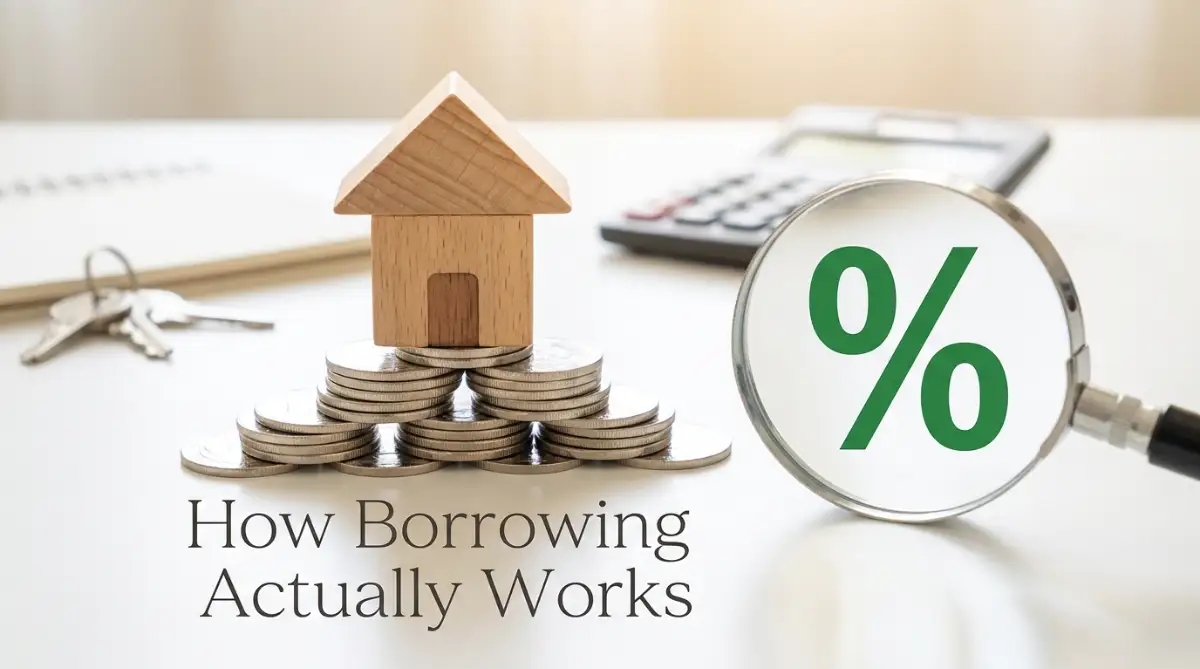
Over the lifetime of their thirty-year loans, Sarah will actually save tens of thousands of dollars compared to John. That one tiny percent is the equivalent of buying several brand-new cars in cash!
This is why understanding these numbers is the most important step you can take before house hunting. A little bit of education upfront will protect your hard-earned wealth for decades.
Peeling Back the Layers: What Actually Changes Your Rate?
You might wonder why your neighbor got a fantastic deal while your initial offer seems incredibly high. Banks do not just pick numbers out of a hat.
They use a very specific set of logical rules to decide how much risk you bring to them. If you seem like a safe bet, they give you a cheaper deal. If you seem risky, they charge you more.
Let's put some real numbers behind this idea so you can see what I mean. If you have a credit score of 760 or higher, you might get a 6.5% rate today. But if your score drops to 620 because of a few late payments, lenders might bump that rate up to 8% or more. On a $300,000 house, that difference will literally cost you hundreds of extra dollars every single month. I always recommend checking your score on free apps like Credit Karma long before you even talk to a loan officer.
Let us break down the exact things that shape the numbers you are offered.
The Heavy Weight of Your Financial Report Card
Your credit score is essentially your adult financial report card. It tells lenders exactly how well you have managed borrowed money in the past.

If you have a history of paying your credit cards and car loans on time, your score goes up. Banks look at a high score and see a responsible, trustworthy person.
Because they feel safe lending to you, they will reward you with the lowest possible borrowing cost. On the other hand, if you have missed payments in the past, your score will be much lower.
Lenders view a low score as a high risk that they might never get their money back. To protect themselves, they will charge you a significantly higher percentage every month.
My Personal Wake-Up Call: I made a massive mistake when I was younger by keeping my credit cards maxed out, even though I paid the minimums on time. I did not realize that using too much of my available limit was actively destroying my score. Once I aggressively paid down those balances, my score shot up, and the loan offers I received completely transformed overnight.
The Power of Your Initial Cash Investment
When you buy a home, you rarely borrow the entire purchase price. You usually bring a chunk of your own savings to the table first.
This upfront cash is called your down payment. The size of this initial payment has a massive impact on the deal the bank offers you.
If you bring a large amount of cash upfront, the bank has to lend you less money overall. This makes them feel incredibly secure about the transaction.
They know that if things go wrong, they can easily sell the house and recover their smaller loan amount. To say thank you for reducing their risk, they will offer you a much better percentage.
If you bring very little cash to the table, the bank takes on almost all the risk. Because they are taking a bigger gamble on you, they will protect themselves by keeping your borrowing costs high.
How the Broader Economy Pulls the Strings
Sometimes, you can do everything perfectly and still get offered a high number. This happens because home loans are deeply connected to the overall economy.
There are massive national financial institutions that set baseline rules for how money moves around the country. When inflation is soaring and everyday goods get expensive, these institutions step in to cool things down.
They do this by making it more expensive for local banks to borrow money. The local banks then pass those extra costs directly onto you, the homebuyer.
You cannot control the national economy, but you can control when you decide to buy. Keeping an eye on general economic trends helps you understand if you are buying during an expensive season.
Want to understand exactly which loan type is safest for your family right now? Check out this incredibly helpful video breakdown before signing any paperwork!
Myth vs Reality: Breaking Down Common Misunderstandings
When I first started looking into this topic, my family and friends gave me a ton of advice. Unfortunately, almost all of their advice was completely wrong.
Let us clear up some of the biggest myths that trap beginners every single day.
Myth 1: The number you see advertised online is exactly what you will get.
This is a huge trap. The shiny numbers you see on banking websites are best-case scenarios for perfect customers. They assume you have flawless credit and a massive pile of cash ready to go. Your actual offer will almost always look a bit different once they review your personal details.
Myth 2: You should always go with the lender your real estate agent recommends.
While agents mean well, their suggested lender might not have the best program for your specific needs. You should always shop around and speak to multiple different institutions. Comparing offers is the easiest way to force banks to compete for your business.
Myth 3: You are stuck with your initial loan forever.
Many people think that once they sign the papers, they are trapped for thirty years. In reality, you can often replace your old loan with a brand-new one if the economy improves. This process allows you to secure a cheaper deal down the road when times are better.
Choosing Your Path: The Two Main Flavors of Borrowing
When you finally sit down to pick a loan, you will basically have to choose between two main paths. Understanding the difference between them is the key to protecting your monthly budget.
Let us compare the two most common ways to structure your borrowing.
The Peace of Mind with a Steady Path
A fixed loan is exactly what it sounds like. The bank locks in your percentage on the day you sign the paperwork, and it never changes.
Even if the national economy goes crazy and prices skyrocket, your monthly housing bill remains completely untouched. This brings an incredible amount of mental peace to families living on a tight budget.
You will know exactly what you owe every single month for the next thirty years. It makes planning for groceries, vacations, and retirement so much easier.
Most beginners choose this path because it feels incredibly safe. You never have to wake up worrying that a letter in the mail will demand a higher payment next month.
The Calculated Risk of a Shifting Path
An adjustable loan plays by a completely different set of rules. The bank will give you a very cheap promotional number for the first few years.
During this initial period, your monthly bills will be wonderfully low. However, once that honeymoon phase ends, the bank will adjust your percentage to match the current national economy.
If the economy is doing poorly, your monthly bill could suddenly shoot up by hundreds of dollars. This path is like riding a financial rollercoaster.
It can be a smart move if you know for a fact you will sell the house before the adjustment happens. But for the average beginner wanting to settle down, it introduces a lot of unnecessary stress.
Actionable Steps You Can Take Right Now
You do not have to wait until you find a house to start improving your chances of getting a great deal. There are practical things you can do from your couch today.
Start by pulling a free copy of your financial report card online. Look for any silly mistakes or old bills you forgot about, and get them cleaned up immediately.
Next, start treating your savings account like a non-negotiable monthly bill. The more cash you can stack up for that initial payment, the better your future options will be.
Do not be afraid to walk into a local credit union just to ask questions. They are usually much friendlier to beginners than the massive corporate banks.
By simply educating yourself and taking these small steps, you are already miles ahead of the average buyer. You are no longer flying blind; you are taking control of your financial destiny.
Leveling Up: Insider Strategies for Long-Term Savings
Now that we understand the basic foundation of how banks charge you for borrowing money, it is time to step into the advanced territory. You do not just want to get approved for a home; you want to legally game the system to save as much money as humanly possible.
The biggest secret in the real estate world is that your initial offer from a bank is almost always negotiable. Lenders are running a business, and they desperately want you as a long-term customer.
Let us look at a few powerful strategies that wealthy investors use to keep their monthly housing bills incredibly low. These are simple, everyday tactics that anyone can learn and apply immediately.
If you want a deeper dive into organizing your overall wealth before taking these steps, you can always check out a trusted hub like SmartInfo36 for reliable daily money management advice.
The Hidden Truth Behind the APR
When you sit at the banker's desk, you will actually see two different percentages printed on your paperwork. One is called the Interest Rate, and right next to it is something called the Annual Percentage Rate, or APR.
Most beginners completely ignore the APR because it is always a slightly higher number. This is a massive mistake that can cost you thousands of dollars in hidden bank fees.
Your standard interest rate is just the basic cost of renting the bank's money. However, the APR includes all the extra sneaky fees, origination charges, and broker costs rolled into one single number.
Think of it like buying a cheap airline ticket online. The base ticket might be fifty dollars, but after adding baggage fees, seat selection, and taxes, the true cost is a hundred dollars.
Here is a quick look at how the math usually plays out in the real world:
Always ask the lender for the APR outright. If they try to dodge the question and only talk about the base rate, that is your cue to walk away.
To protect consumers from deceptive advertising, government watchdogs like the Consumer Financial Protection Bureau force banks to display the APR. When you are comparing offers from three different banks, always compare the APR, not just the base rate.
This is the only mathematically accurate way to see which lender is truly offering you the cheapest overall package.
Buying Down Your Cost with Discount Points
Imagine you are joining an expensive gym that charges a hundred dollars a month. The manager tells you that if you pay five hundred dollars in cash today, your monthly fee will drop to fifty dollars for the rest of your life.
This exact concept exists in the homebuying process, and it is called buying "discount points." You are literally paying the bank a chunk of cash upfront to permanently lower your borrowing cost.
One point usually costs exactly one percent of your total loan amount. In exchange for handing over this cash at the closing table, the bank will reduce your monthly percentage by a small fraction.
This strategy is an absolute goldmine if you plan to raise your family in this specific house for the next twenty years. Over a long period, the monthly savings will far outweigh that initial upfront cash payment.
However, if you plan to sell the house and move to a new city in three years, buying points is a terrible idea. You will never live in the house long enough to break even on that large initial cash investment.
The Magic of the Bi-Weekly Payment Hack
Most people blindly follow the standard rules and pay their housing bill exactly once a month. This results in twelve normal payments every single year.
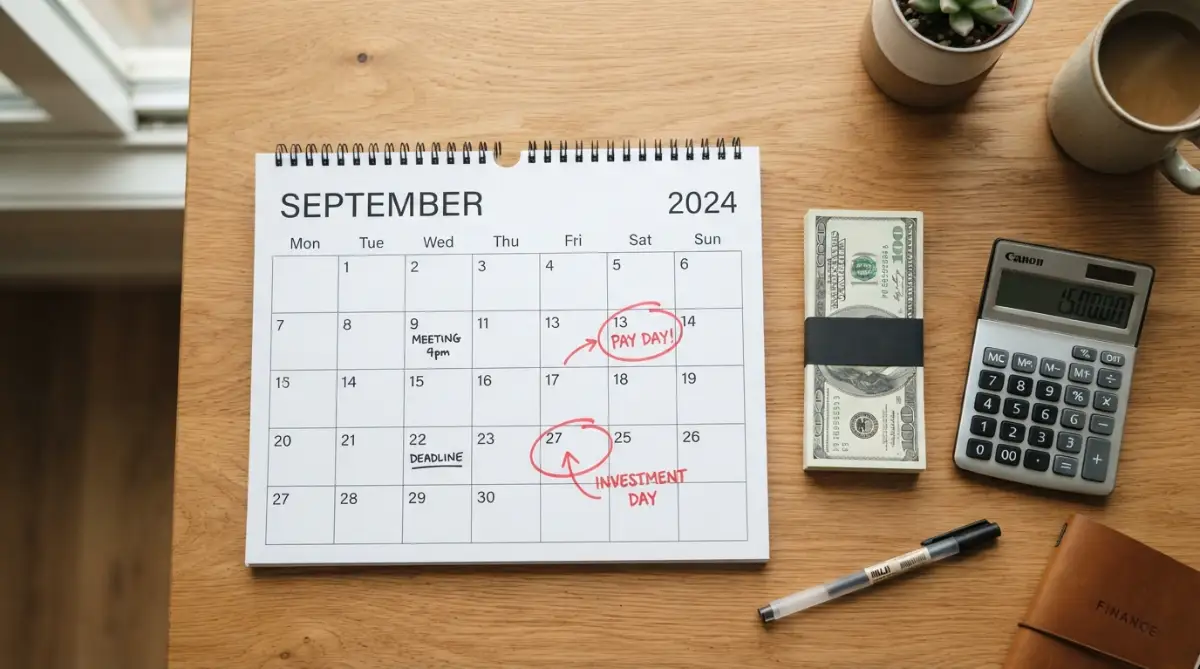
But there is a brilliantly simple math trick that can help you pay off your house years ahead of schedule without feeling the pinch in your budget. Instead of paying the whole bill once a month, you split that exact number in half and pay it every two weeks.
Since there are fifty-two weeks in a year, paying every two weeks means you will make twenty-six half-payments. When you add that up, it magically equals thirteen full payments over the course of the year.
That one extra sneaky payment goes directly toward paying down the actual debt, skipping the bank's profit margin entirely. This tiny adjustment can literally shave five to seven years off a standard thirty-year loan.
If you are currently struggling to manage your debts before buying a home, this same bi-weekly logic applies elsewhere. It is similar to debunking common myths about debt consolidation loans and credit scores, where a slight change in your payment rhythm completely changes your financial outcome.
Freezing Time with a Rate Lock
The numbers offered by national banks change every single day based on global economic events. You can actually track these wild daily shifts through trusted institutional databases like Federal Reserve Economic Data if you love looking at charts.
If you get a fantastic offer from a lender on a Tuesday, that exact same offer might completely disappear by Thursday afternoon. You cannot afford to just casually think about it for a week.
When you see a number that fits perfectly into your family budget, you must immediately ask your lo