
The Heavy Burden of Chasing Due Dates
Look, staring at a stack of loan bills and flashing due dates is terrifying. I get it. You are probably wondering how on earth you can juggle three credit cards and a personal loan without tanking your credit score. Let's skip the pity party and jump straight into exactly how you can organize this mess, talk to your lenders, and get your money back on track today.
I felt completely trapped and suffocated by the sheer number of due dates approaching at once. My anxiety was entirely through the roof, and I honestly thought my financial life was ruined forever. I had no idea how I would manage all these payments without completely destroying my hard-earned credit score.
This constant financial stress begins to steal your mental peace and ruins your focus at work. You start avoiding social gatherings because you simply cannot afford to spend a single extra dollar. Your relationships might even start to suffer because money worries make you highly irritable and constantly on edge.
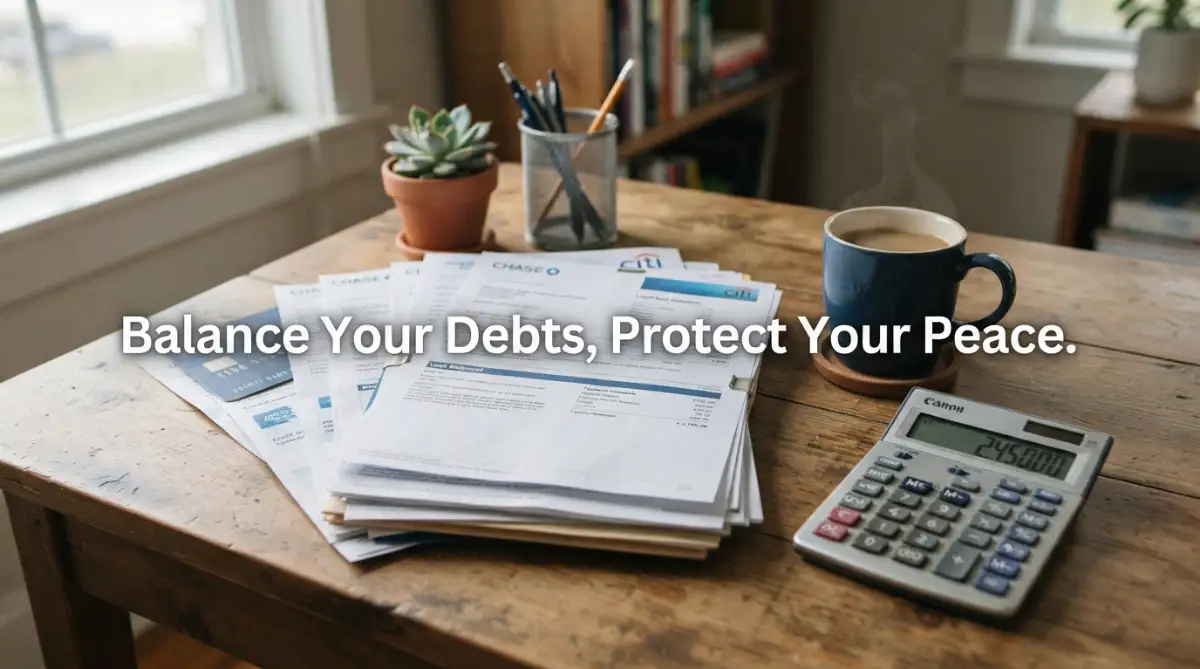
You deserve to sleep peacefully at night without dreaming about missed payments and late fees. You deserve to check your mailbox without feeling a sudden spike of deep fear. Let us look closely at how you can regain your financial control today.
Your Action Plan for Today:
- How to map out your exact debts without totally panicking.
- Why picking between the Snowball and Avalanche method dictates your success.
- The exact copy-paste script to use when asking your lender for a lower interest rate.
- Smart tricks to keep your credit score safe while you aggressively pay off balances.
Organizing the Financial Chaos Around You
The very first thing you need to do is face your financial truth completely head-on. You cannot fight an enemy that you refuse to look at directly. Grab a piece of paper or open a simple spreadsheet on your computer right now.
You need to list out every single unsecured loan and credit card balance you currently owe. Write down the total balance, the minimum monthly payment, and the specific interest rate for each one.
Pro Tip: I used to think hiding from my lenders was the safest option when I couldn't pay my bills on time. I quickly realized that ignoring those phone calls only made things worse, and reaching out to them actually opened doors to helpful hardship programs.
Seeing all your debts in one place might feel a bit scary at first. However, this simple exercise instantly takes away the fear of the unknown. You now have a clear map of your exact financial battlefield.

Once you have this list, you can clearly see which loans are costing you the most money every day. You will quickly notice how those high-interest credit cards are secretly draining your bank account. Having this visual map is absolutely necessary for making any smart payoff plan.
Choosing Your Winning Payoff Strategy
Now that everything is mapped out, you need a smart plan of attack. One highly effective method is known as the debt avalanche strategy. This approach is completely based on logic and math to save you the most money.
With the avalanche method, you focus all your extra cash on the loan with the highest interest rate. You still pay the minimums on everything else to protect your credit score. Once that expensive loan is gone, you move your money to the next highest rate.
This method is scientifically proven to save you hundreds of dollars in interest charges over time. It makes perfect mathematical sense for anyone wanting to clear debt efficiently. However, math is not the only thing that matters when dealing with personal finance.
Sometimes, human psychology plays a much bigger role in our daily success. If you need quick emotional wins to stay motivated, the debt snowball method might be better for you. With this strategy, you target your smallest debt balance first, regardless of the interest rate.
Clearing out that first small loan gives you a massive boost of confidence and pure joy. You instantly feel like you are actually making real progress. You then take the money you were paying on that small debt and roll it into the next smallest balance.
Here is a great resource to help you understand these strategies even better. Watch this quick breakdown to see which method fits your personal lifestyle:
Quick Reality Check: Myth vs. Fact
- The Myth: You always have to pay off the highest interest rate first.
- The Fact: Math says yes (Avalanche method), but human psychology says no. If you need a fast win to stay motivated, knocking out a tiny $300 medical bill first (Snowball method) gives you the exact mental boost you need to keep going. Pick the strategy that stops you from giving up.
Merging Your Debts for Easier Management
If juggling five different due dates is making you crazy, it might be time to simplify things. Debt consolidation is a powerful tool when used correctly and carefully. It basically means taking out one large, new loan to pay off all your smaller unsecured debts.
Instead of tracking multiple payments, you only have one single payment to worry about each month. This instantly reduces your mental stress and lowers the chances of missing a due date. Missing a due date is exactly what hurts your credit score the most.
By consolidating, you often get a much lower overall interest rate as well. A personal loan from a local credit union usually has better terms than a standard credit card. This means more of your money goes toward the principal balance rather than just paying bank interest.
However, you must be extremely honest with yourself before choosing this path. Consolidation only works if you completely stop using your old credit cards. If you clear your card balances and then start shopping with them again, you will end up in double the trouble.
You have to treat consolidation as a strict financial reset button. Cut up those credit cards if you know you cannot resist the temptation to swipe them. Your main goal here is to protect your future, not to finance more immediate purchases.
Communicating Directly with Your Lenders
Many people mistakenly believe that banks and lenders are heartless machines. The truth is that lenders actually want you to succeed in paying them back. If you default on your loan, they lose a massive amount of money and time.
If you are genuinely struggling to make your minimum payments, pick up the phone immediately. Call your lender's customer service department and calmly explain your current financial hardship. Ask them directly if they have any internal relief programs available for honest customers.
Many banks will willingly lower your interest rate for a few months to help you catch up. Some might even waive your recent late fees if you have a generally good payment history. You simply will never know what help is available until you bravely ask for it.
When you make these phone calls, always take detailed notes of the conversation. Write down the date, the time, and the specific name of the representative you spoke with. Keep a record of exactly what was promised to you during that phone call.
Steal My Negotiation Script:
Not sure what to actually say on the phone? Try reading this word-for-word: "Hi, I have been a loyal customer for a few years, but I am facing a temporary financial bump right now. Before I fall behind on my payments, do you have a hardship program that can temporarily lower my interest rate?" You will be surprised at how often a simple, honest question works in your favor.
This simple communication can completely save your credit score from taking a huge negative hit. Lenders appreciate proactive customers who communicate before a payment is actually missed. It shows them that you are taking your financial responsibilities very seriously.
Restructuring Your Monthly Cash Flow
You cannot outsmart bad spending habits with just a clever payoff strategy. You need a solid budget to act as the foundation for your financial recovery. Think of your budget as a helpful GPS system that guides your money to the right destination.
Start by tracking exactly where every single dollar goes for one full month. You might be completely shocked to see how much you spend on takeout coffee or digital subscriptions. These tiny leaks in your budget can quickly sink your financial ship if left unchecked.
Once you identify these money leaks, instantly redirect those funds toward your unsecured loans. You do not have to live a miserable life of total deprivation to succeed. Just focus on cutting out the things that do not actually bring you deep, lasting joy.
Try using a simple cash envelope system for your daily variable expenses like groceries and gas. When the cash in the envelope is gone, you physically stop spending until the next week. This creates a hard physical boundary that prevents accidental overspending.
Every extra twenty dollars you find in your budget helps you get closer to freedom. It might feel a bit restrictive at first, but this discipline is entirely necessary. The temporary sacrifice you make today will build a beautiful, stress-free life for tomorrow.
Safeguarding Your Precious Credit Score
While you are aggressively managing these unsecured loans, your credit score needs special attention. Your credit score is basically your financial reputation in the eyes of the modern world. Protecting it requires consistent, intentional actions every single month.
First and foremost, you must completely commit to paying on time, every single time. Payment history makes up the biggest portion of your overall credit score calculation. Even a single payment that is thirty days late can drop your score significantly.
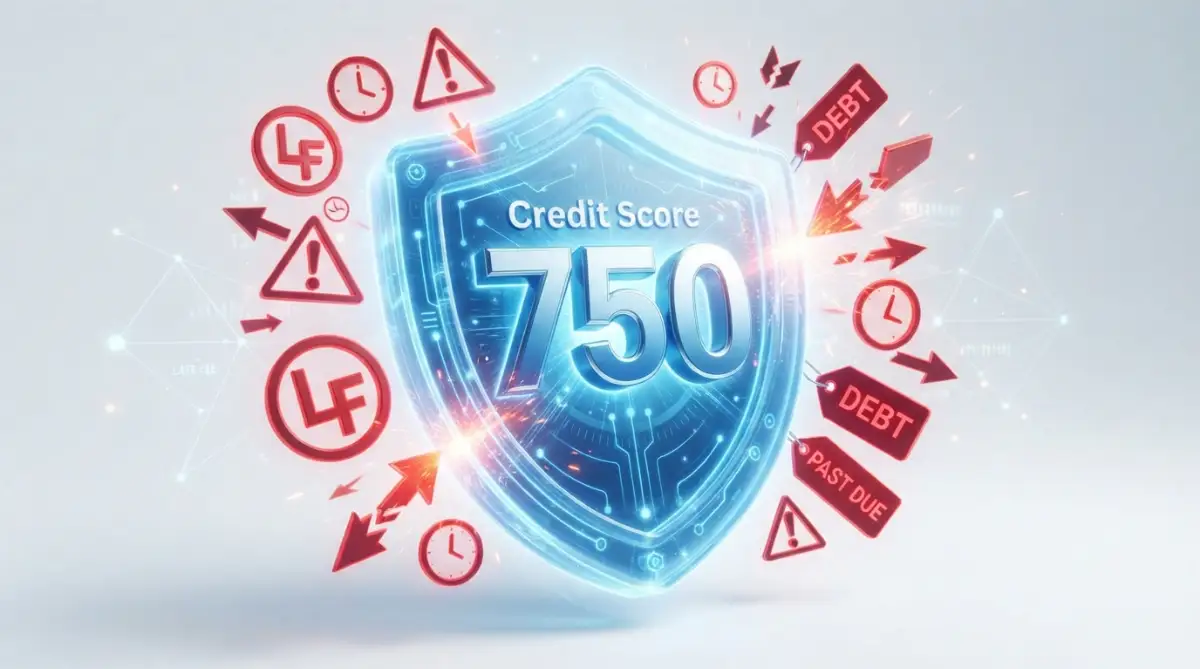
Set up automatic minimum payments for all your unsecured loans through your bank account. This guarantees that you will never accidentally miss a due date simply because you forgot. You can always log in later and make additional manual payments to speed up the process.
Also, pay very close attention to your credit utilization ratio across all your accounts. This is the amount of credit you are actively using compared to your total available limits. Keeping this ratio low shows future lenders that you are highly responsible with borrowed money.
If you pay off a credit card completely, do not automatically close the account right away. Closing an old account can actually lower your score by reducing your total available credit. Just put that zero-balance card in a safe drawer and let it positively impact your credit history.
Building a Shield Against Future Emergencies
Managing your current unsecured loans is only half of the real battle. You also need to make sure you never fall back into the same debt trap again. The best defense against new debt is a properly funded emergency savings account.
Life is highly unpredictable and unexpected expenses will always pop up when you least expect them. A car will break down, a medical issue will arise, or a home repair will become necessary. Without cash savings, you will be forced to swipe a credit card to survive the crisis.
Start by saving just a tiny bit each week until you reach a quick beginner goal. Having just one thousand dollars set aside can cover most minor everyday emergencies. This cash buffer sits happily between you and the temptation of taking out new unsecured loans.
Once your high-interest debts are finally paid off, you can grow this savings fund even more. Imagine how peaceful it will feel to have three to six months of living expenses saved up. You will no longer live in fear of losing your job or facing a sudden financial shock.
Staying the Course When Motivation Drops
Paying off multiple unsecured loans is truly a marathon, not a quick sprint. There will definitely be months where you feel incredibly tired and want to quit entirely. It is completely normal to experience debt fatigue during this long journey.
When you feel like giving up, remind yourself exactly why you started in the first place. Look back at the stress and anxiety you felt when the debt was completely out of control. Picture the incredible feeling of making that final payment and being totally free.
Celebrate your small victories along the way to keep your spirits high. When you completely clear one loan, treat yourself to a nice, affordable dinner at home. Acknowledging your hard work helps keep your brain highly motivated for the next challenge.
Surround yourself with positive financial influences to keep your mindset strong. Read books about personal finance, listen to helpful podcasts, and talk to friends with similar goals. You are absolutely capable of mastering your debt and securing a bright, wealthy future.
Mastering the Advanced Game of Debt Management
Once you have your basic budgeting and payment strategies in place, it is time to level up your approach. The banking system is incredibly smart, but you can be even smarter if you know the right moves. There are several advanced tactics you can use to melt away your unsecured debts much faster.
One of the most effective hidden tricks is switching to a bi-weekly payment schedule. Most people simply pay their credit card or personal loan bill once a month when it is due. However, interest on unsecured debts is usually calculated on a daily basis by the bank.
If you split your monthly payment in half and pay it every two weeks, you reduce your daily average balance faster. This means you will mathematically pay less interest over the lifetime of the loan. You also end up making one extra full payment each year without even feeling the pinch in your wallet.
Another incredibly powerful tool is utilizing a zero percent introductory APR balance transfer card. This involves moving your high-interest debt onto a brand new card that charges zero interest for a promotional period. Sometimes, this interest-free window can last anywhere from twelve to eighteen full months.
This gives you a massive advantage because every single dollar you pay goes directly toward wiping out the principal balance. However, you must read the fine print before jumping into this strategy blind. There is almost always a transfer fee involved, usually around three to five percent of the total amount moved.
Before you make this move, it helps to spend time debunking common myths about debt consolidation loans so you understand exactly how it impacts your credit report. You need to be completely sure you can pay off the transferred balance before the promotional period suddenly ends. If you fail to do so, the interest rate will skyrocket back up to normal levels.
The Art of Direct Bank Negotiation
Many borrowers are completely unaware that credit card interest rates are sometimes highly negotiable. You do not always have to accept the terrible interest rate the bank originally assigned to you. If you have been a loyal customer with a decent payment history, you actually have some hidden bargaining power.
Pick up the phone and call the retention department of your credit card company. Simply explain that you are trying to pay off your debt and another bank has offered you a much better rate. Ask them directly if they can lower your current interest rate to keep your business.
According to the Consumer Financial Protection Bureau (CFPB) guidelines on negotiating credit terms, lenders often have internal programs specifically designed to retain customers who are at risk of leaving. They might refuse your request the first time, but do not let that completely discourage you. Call back a few days later, speak to a different representative, and politely ask the exact same question again.
Handling Unexpected Financial Windfalls
Throughout your debt payoff journey, you might occasionally receive some unexpected extra money. This could be a nice tax refund, a bonus at work, or even cash from selling old items online. It is extremely tempting to use this surprise cash to treat yourself to a nice vacation or a new gadget.
If you are truly serious about securing your financial future, that windfall needs to go straight toward your unsecured loans. A sudden lump sum payment can shave several months off your overall payoff timeline. It completely destroys a large chunk of the principal balance, saving you heavy interest charges down the road.
Some people worry that paying off loans too fast is a bad idea, and it is smart to learn why your early debt payoff strategy might actually cost you more if your loans have hidden prepayment penalties. Thankfully, most standard credit cards and unsecured personal loans do not charge you fees for paying them off early. Always double-check your loan agreement just to be absolutely safe before making a massive lump sum payment.

Dangerous Pitfalls That Keep You Trapped
When you are desperately trying to manage multiple payments, it is very easy to panic and make terrible decisions. Fear causes incredibly smart people to fall into financial traps that completely destroy their credit scores. You must be extremely careful to avoid these common mistakes on your journey to freedom.
Trading One Problem for a Worse Nightmare
The absolute worst mistake you can make when struggling with debt is taking out a payday loan to cover your minimum payments. When the pressure gets too high, people sometimes look for immediate cash relief without looking at the horrible terms. These short-term loans often come with interest rates that easily exceed four hundred percent.
This creates a terrifying cycle where you are borrowing money just to pay the interest on other borrowed money. It is a mathematical black hole that is almost impossible to escape once you fall inside. Understanding the danger of payday loans and high-interest debt is the best way to protect your family from total financial ruin.
If you absolutely need temporary cash, look for much safer alternatives instead. You can always explore how to safely get unsecured loans with bad credit through trusted local credit unions or peer-to-peer lending platforms. Never ever hand over your bank account access to a predatory lender just to survive the weekend.
The False Hope of Debt Relief Scams
Late late at night, you might see television commercials promising to legally erase all your unsecured debt for pennies on the dollar. These shady companies call themselves debt settlement or debt relief agencies. They usually instruct you to completely stop paying your creditors and send your money directly to them instead.
They claim they will hold your money in a special account and negotiate a massive discount with your banks later. What they do not openly tell you is that missing those payments will completely destroy your credit score for up to seven years. You will likely face aggressive collection calls, massive late fees, and even potential lawsuits from your lenders.
The Federal Trade Commission's warnings on debt relief scams clearly state that many of these companies charge huge upfront fees and fail to deliver on their promises. If you need professional help negotiating, always seek out a certified, non-profit credit counseling agency instead. They can actually set up a safe management plan that works directly with your banks without ruining your life.
Punishing Your Credit Score by Mistake
There is a very common emotional reaction that happens when someone finally pays off a frustrating credit card. They immediately call the bank and enthusiastically close the account forever to prevent future spending. While this feels like a great personal victory, it actually hurts your credit score right away.
Part of your credit score is based on the average age of all your open accounts. When you close your oldest credit card, you instantly shorten your credit history. You also reduce your total available credit limit, which makes your credit utilization ratio spike upward.
Instead of closing the account, simply cut the physical plastic card into tiny pieces with scissors. Delete the card information from your phone and your favorite online shopping websites. Leave the account open with a zero balance so it continues to build positive history on your credit report.
Your Personal Action Plan for Lasting Freedom
Managing multiple unsecured loans without damaging your credit is entirely possible if you follow a logical plan. It does not require any special math skills or a background in high-level finance. It simply requires raw honesty, strict daily discipline, and the courage to face your numbers.
You now understand how to organize your financial chaos and choose a payoff strategy that fits your personality. You know how to communicate properly with your lenders and avoid the dangerous traps that keep most people broke. The path is clearly laid out in front of you, but you have to take the very first step yourself.
Tomorrow morning, do not just wake up and worry about your bills again. Sit down with your favorite cup of coffee and physically write out your exact debt numbers on a blank sheet of paper. Creating that physical list is the most powerful thing you can do to reclaim your deep mental peace.
If you feel completely overwhelmed, remember that you do not have to fix everything in a single day. You can always reach out to organizations like the National Foundation for Credit Counseling for completely free, unbiased guidance. They have expert counselors who talk to normal people about these exact struggles every single day.
Building strong, lasting smart money habits and financial tips will naturally protect you from ever returning to this stressful place. Celebrate your small wins, forgive yourself for past mistakes, and keep moving steadily forward. Your future self will be incredibly thankful for the hard work you are putting in right now.
Personal Note from Me: I know exactly how scary it feels to open those bills, because I used to hide my own statements in a dark drawer. My biggest breakthrough came the day I finally stopped avoiding my problems and simply asked for help. You have incredible strength inside you, and I promise that the heavy weight on your shoulders will get lighter very soon!
Common Questions About Managing Multiple Debts
Does paying off a loan early hurt my credit score?
Paying off an unsecured loan early will not severely hurt your credit, though you might see a tiny, temporary drop in your score. This happens because an active account gets marked as closed, but the massive financial relief and saved interest are entirely worth it. Your score will quickly bounce back stronger than before.
Should I use my savings to clear unsecured debts?
It is generally not a smart idea to empty your entire emergency savings just to pay off debt. You should always keep at least a small cash buffer in your bank account for unexpected life emergencies. If you drain your savings completely, any surprise expense will force you right back into new credit card debt.
Can a bank force me to pay all my loans at once?
As long as you are making your agreed minimum monthly payments on time, a bank cannot suddenly demand the full balance. However, if you default and miss several payments, they can accelerate the loan and demand everything you owe. Always communicate with them early if you are going to be late.
How fast will my credit improve after paying down my cards?
Your credit score can actually improve very quickly once you start heavily reducing your credit card balances. Credit bureaus usually update your utilization ratio every single month based on reports from your lenders. Many people see a nice boost in their score within just thirty to forty-five days of making a large payment.
What happens if I accidentally miss one single loan payment?
If you miss a payment by just a few days, you will likely face a late fee, but your credit score might be safe. Banks typically do not report a missed payment to the credit bureaus until it is fully thirty days past due. If you realize you forgot, call the bank immediately, make the payment, and politely ask them to waive the late fee.
Disclaimer: The information provided in this article is strictly for educational and informational purposes only and does not constitute professional financial, legal, or tax advice. We highly recommend consulting with a certified financial advisor or credit counselor before making any major decisions regarding your personal debts, loans, or credit score. The author and publisher are not responsible for any financial losses or damages resulting from the use of these strategies.