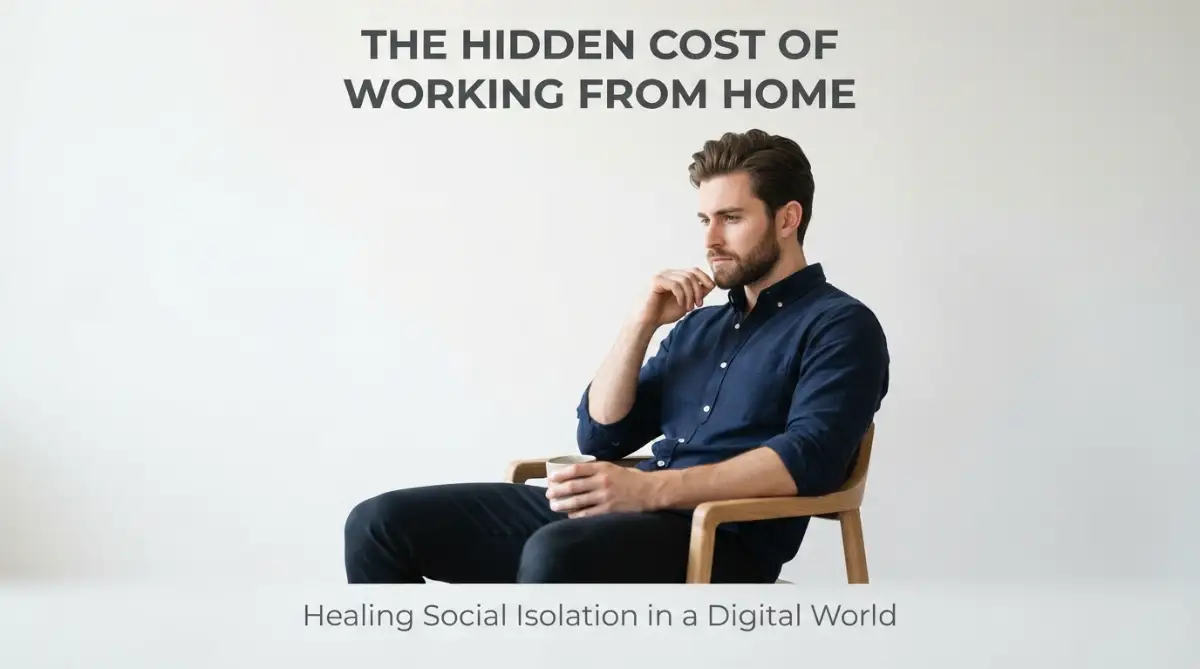
The Quiet Reality of My Life Behind a Screen
My laptop screen was the only thing lighting up my face at 11 PM last Tuesday. No one had called. No one had visited. I realized I was becoming a ghost in my own apartment. If you work from home, you know that heavy, silent feeling in your chest. It’s not just "being tired"—it’s your brain starving for a real human face. Let's talk about how to get your life back without quitting your job.
I checked my phone, hoping for a message. There were plenty of Slack notifications and emails. But none of them felt real. I felt like a ghost living inside a machine.
My home used to be my sanctuary. Now, it feels like a high-tech cage. I work where I sleep, and I sleep where I work. The lines have blurred so much that I don't know who I am without my Wi-Fi connection.
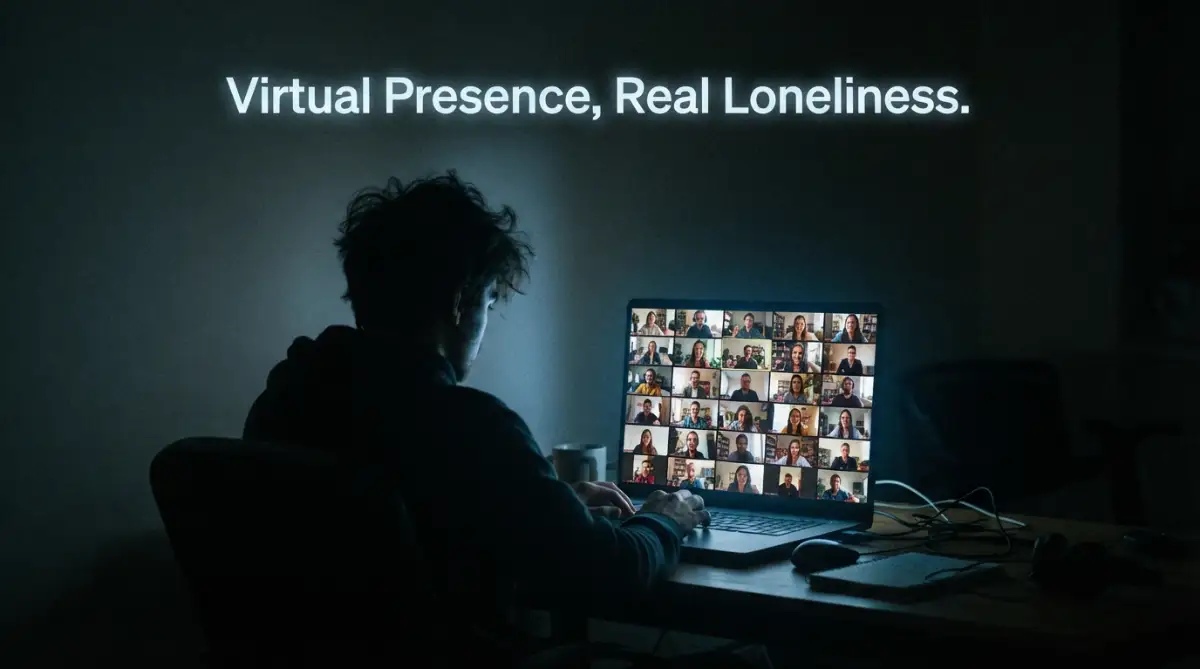
This isn't just about missing office coffee. It is about a deep, heavy feeling in my chest. I call it the "digital hollow." My brain is tired of seeing faces in 2D boxes on Zoom.
I missed the random jokes by the water cooler. I missed the way a coworker would nod when they walked past. These small things kept my spirit alive. Without them, I started feeling invisible to the world.
Quick Summary: How to Stay Sane While Working Solo
If you're feeling the "digital hollow," here is your 3-step survival plan:
- Fake the Commute: Walk around your block before and after work to trick your brain into "Home Mode."
- Micro-Dose Socializing: Spend 5 minutes daily talking to a real human (the mailman, a neighbor, or a cashier).
- Kill the 'Always-On' Ghost: Move your work apps off your phone's home screen so you don't check Slack at dinner.
The Emotional Weight of Living at the Office
Most people think working from home is a dream. They see the pajamas and the extra sleep. But they don't see the silent struggle that happens after months of isolation.
When you stay home every day, your world shrinks. You start to feel anxious about simple social tasks. I noticed I was getting nervous just talking to the delivery guy. My "social muscles" were getting weak and thin.
The "Working from Home" Reality Check
We miss the body language and the small smiles. We miss the shared energy of a room. This loss creates a unique kind of sadness. It is a slow, quiet pain that builds up over time.
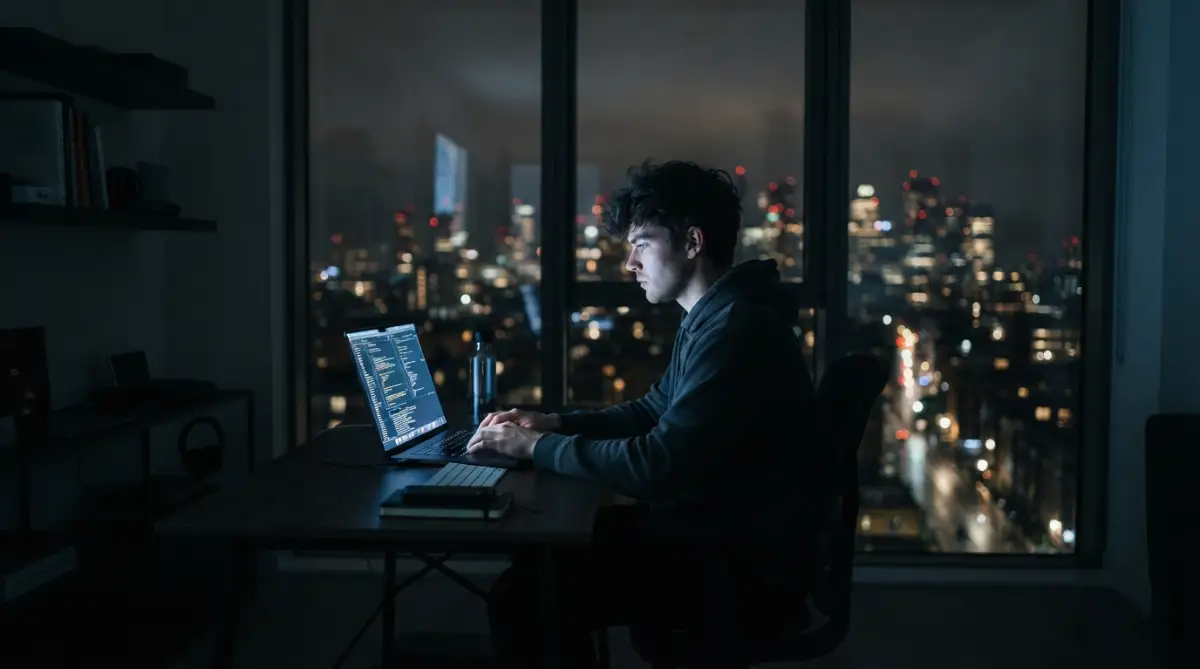
Many of us are suffering from "presence hunger." We are surrounded by digital "friends" but we feel completely alone. This ruins our mental peace and makes us less creative. It makes every task feel like a giant mountain to climb.
Reclaiming Your Human Spark in a Virtual World
You don't have to feel this way forever. There are ways to fix the damage done by long-term isolation. We can rebuild our social lives without quitting our remote jobs.
The first step is realizing that "online social" is not "real social." A text message is not a conversation. A Zoom call is not a hangout. Once you accept this, you can start making real changes.
Create a Physical Boundary for Your Brain
Your brain needs to know when work ends and life begins. When you work on your couch, your brain stays in "work mode" all night. This makes it impossible to relax and enjoy your family or friends.
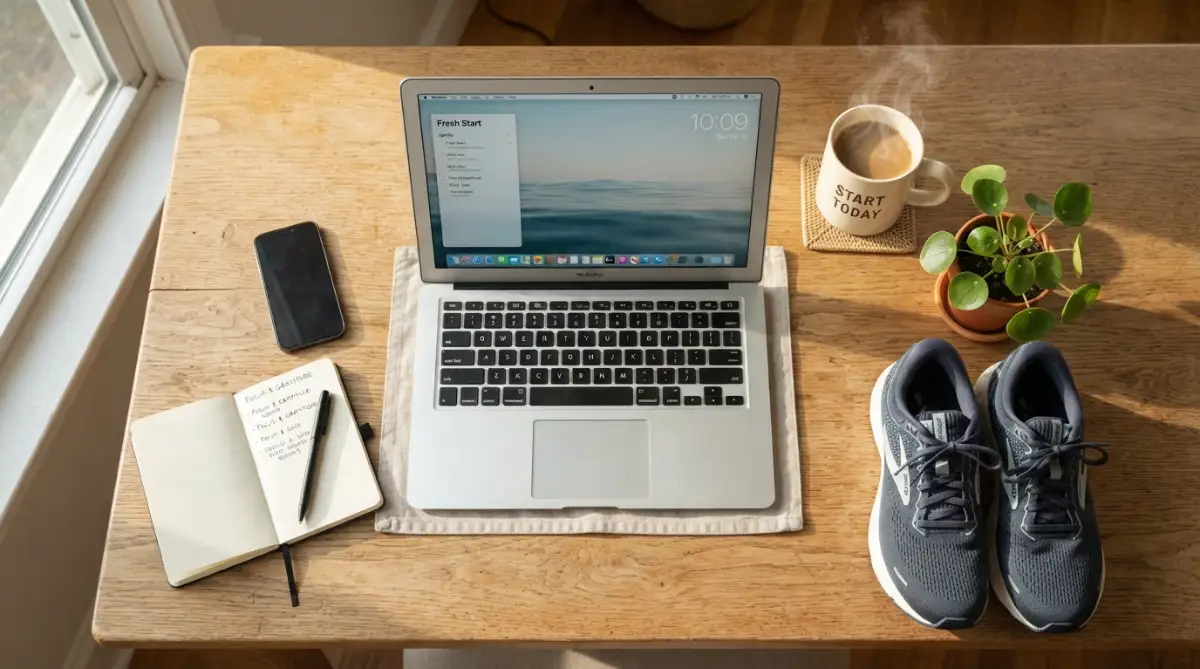
I started a habit of "commuting" to my home office. I put on my shoes and walk around the block before I start. I do the same thing when I finish. This tells my mind that I am leaving the digital world.
This small walk changed my mood. It gave me a moment to see the sky and hear the birds. It made me feel like I was part of the physical world again. You should try this tomorrow morning.
This is a small tip from my own journey. I used to work until the very second I ate dinner. I felt angry and tired all the time. Now, I give myself 20 minutes of "offline time" before talking to anyone. It makes my conversations much better.
The Power of Intentional Micro-Connections
We often wait for big parties or events to be social. But our brains actually crave small, daily interactions. These are called micro-connections. They are the "soul food" of our social lives.
Try talking to the person at the grocery store. Say hello to your neighbor when you take out the trash. These 30-second chats tell your brain that you are still part of a community.
Myth vs. Fact: The Remote Work Trap
- Myth: "I'm an introvert, so I don't need people."
- Fact: Even introverts need "passive social time"—like working in a coffee shop where you don't talk but just feel the buzz of humans.
- Myth: "Zoom calls count as social time."
- Fact: Your brain treats Zoom like a task. It doesn't release the "happy chemicals" like a real handshake or a shared lunch does.
Why Human Interaction is the Secret Sauce to Productivity
Watch this video to understand how our brains react to isolation. It shows why we need people to stay sharp at work.
Scheduling Your Social Life Like a Meeting
In an office, social stuff just happens. At home, it never happens unless you plan it. You have to be aggressive about your social time.
I started putting "Social Hours" on my calendar. I treat them like a meeting with my boss. I don't cancel them for work. Whether it is a coffee date or a walk in the park, I make it happen.
If you don't schedule it, work will swallow that time. Work is like a gas; it expands to fill every corner of your life. You have to build walls to keep your social life safe.
The Science of Face-to-Face Interaction
Our brains release a chemical called oxytocin when we are near people. This is the "bonding hormone." It lowers our stress and makes us feel calm.
Digital calls don't release much oxytocin. In fact, they often release cortisol, the stress hormone. This is because our brains have to work harder to read faces on a screen.
To fix this, try to have at least one face-to-face meeting a week. It doesn't have to be about work. Just being in the same physical space as another human is healing. It resets your nervous system and helps you sleep better.
Moving Beyond the "Always-On" Culture
One big problem with remote work is the feeling that we must always reply. We stay on Slack and Teams all day and night. This makes us feel like we are "performing" sociality rather than living it.
This constant performance is exhausting. It is one reason why we feel so drained at the end of the day. We have no energy left for our real friends and family.
Set clear "DND" (Do Not Disturb) times. Tell your team when you are stepping away. Most of the time, they will respect it. This gives you the mental space to actually talk to people in your house.
Comparison: Virtual vs. Physical Connection
The Myth of the "Introvert's Paradise"
Many people think remote work is perfect for introverts. I used to think so too. I thought I didn't need people. But I was wrong.
Even if you love being alone, you need a tribe. You need people who know your name and your story. Don't let your introversion become a wall that hides you from the world.
Finding Your "Third Space" Outside the House
A "Third Space" is a place that is not work and not home. It could be a library, a park, or a local cafe. This space is vital for your mental health.
When I started working from a library twice a week, my mood lifted. I wasn't even talking to people. Just being around other humans doing things made me feel less lonely.
It broke the cycle of staring at the same four walls. It reminded me that the world is big and full of life. If you feel stuck, change your environment. Even a small change can have a big impact on your brain.
Practical Exercises for Daily Connection
- The 5-Minute Call: Every day, call one friend for just five minutes. Don't text. Hear their voice. It does wonders for your mood.
- No-Screen Lunch: Eat your lunch away from your desk. If you can, go outside. Focus on the taste of your food and the air around you.
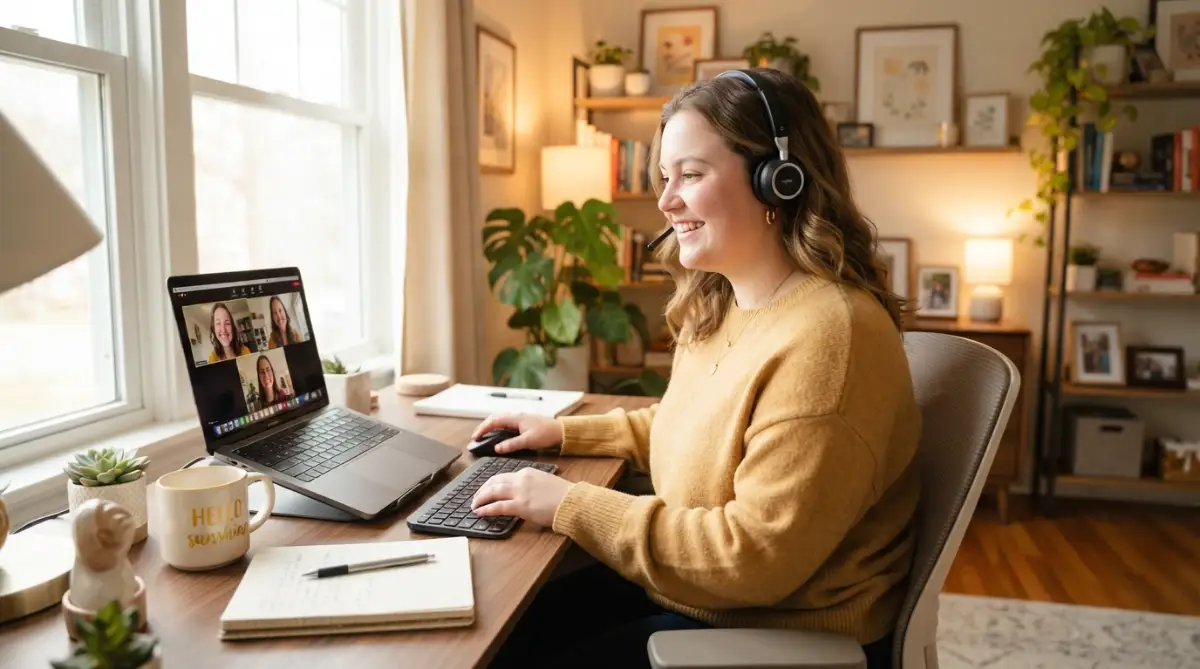
- Active Listening: When you are on a video call, try to look at the camera, not yourself. This creates a better sense of eye contact for the other person.
- Join a Hobby Group: Find a local club that has nothing to do with your job. Whether it is gardening or gaming, do it in person.
Dealing with Digital Overload
Sometimes, the best way to connect is to disconnect. We spend so much time on social media that we think we are "connected." But social media often makes us feel more alone.
We see everyone's "highlight reel" and feel bad about our own lives. This adds to the psychological weight of remote work. We feel like we are failing at life while we sit in our pajamas.
Try a "Digital Sabbath." Pick one day a week where you don't touch your phone or computer. Use that day to talk to real people. Read a real book. Go for a long walk. Your brain will thank you for the silence.
Building a Support System at Work
Even if you are remote, you can build better bonds with your team. Instead of always talking about tasks, spend the first 5 minutes of a meeting talking about life.
Ask about their weekend. Share a funny story. These "human moments" build trust. They make the work feel less like a transaction and more like a collaboration.
I started a "Virtual Coffee" habit with one teammate every Friday. We don't talk about projects. We talk about movies and food. It made me realize I have friends at work, not just colleagues.
Why Your Environment Matters for Your Mind
Your physical workspace affects your mental state. If your desk is messy, your mind feels messy. If your room is dark, your mood will stay dark.
Open your curtains. Let the sunlight in. Put a plant on your desk. These small things make your home feel more like a living space and less like a bunker.
Sunlight is a natural mood booster. It helps your body produce Vitamin D and serotonin. Both are essential for fighting the "work from home blues."
The Importance of Physical Movement
Loneliness and inactivity often go together. When we feel down, we sit still. When we sit still, we feel more down. It is a dangerous loop.
Physical movement changes your brain chemistry. It releases endorphins that make you feel capable and strong. Even a 10-minute stretch can change how you feel about your social life.
When I feel the "lonely weight" coming on, I go for a run. I usually come back feeling more ready to reach out to people. Movement is the fastest way to get out of your own head.
Final Thoughts on Staying Human
We are living in a new age. Remote work gives us freedom, but it also takes something away. We have to be careful not to lose our human connection in the process.
It takes effort to stay socially healthy. It is not automatic anymore. But that effort is worth it. You deserve to feel connected, seen, and heard.
Don't let the screen be the only window to your world. Step out, reach out, and remember that you are more than just an email address. You are a person, and you need people.
Mastering Your Social Life While Working From Home
Living and working in the same space can make your brain feel very crowded. When I first started working remotely, I thought I could handle the silence. I was wrong. It takes more than just a quick chat on Slack to keep your mind healthy.
You need a plan that goes beyond the basics of just "going outside." One of the best things I did was start social micro-dosing. This means I don't wait for a big Friday night party to feel connected. I find small, 5-minute windows during the day to interact with a real person.
I might call a friend while I make my coffee. Or I might walk to the local bakery just to say hello to the staff. These tiny moments add up and keep the "lonely feelings" away. If you don't do this, the silence of your house will eventually feel very heavy.
Building Your Own Coworking Tribe
You don't need a fancy office to have coworkers. I started looking for other people in my neighborhood who also work from home. We began meeting at a local library once a week. We don't even talk much while we work, but physical presence changes everything.
Knowing someone is sitting next to you makes the work feel less like a chore. It is also a great way to save your mental health from digital overload today. Just seeing another person focus helps your own brain stay on track.
This is a pro-level secret that many people ignore. They think they are being more productive by staying alone. In reality, your brain gets tired faster when it lacks human energy. A tribe keeps you sharp and keeps your mood stable over the long term.
The Art of Intentional Vulnerability
In a digital world, we often hide behind "I am fine" or "I am busy." But real connection happens when we share our struggles. I started being honest with my remote team about how I felt.
If I was feeling drained, I would say it during our morning check-in. To my surprise, others felt the same way. This created a bond that was much stronger than just talking about project deadlines.
When you show your human side, others feel safe to do the same. This is how you escape the burnout and build sustainable work habits. It turns a cold, digital workspace into a supportive community.
The Role of Physical Wellness in Social Health
It sounds strange, but how you treat your body affects how social you feel. If you are sitting in a bad chair all day, your body is in pain. When you are in pain, you don't want to talk to anyone.
I learned the hard way that your expensive chair might be hurting your spine. This physical stress made me grumpy and unwilling to reach out to my friends.
Once I fixed my workspace and started moving more, my social energy returned. You need to keep your body happy so your mind has the strength to be social. According to the Mayo Clinic, social support is a two-way street that requires physical energy to maintain.
Managing the Stress of a Single Environment
When your home is your office, your brain never feels "off." This leads to a constant state of low-level anxiety. This anxiety makes you want to hide from people instead of connecting with them.
I found that managing a single income without constant stress becomes harder when you are socially isolated. You have no one to talk through your worries with.
To keep your results good over a long time, you must leave your "work zone" every evening. Close your laptop. Put it in a drawer. This physical act of hiding your work helps your brain switch to "social mode."
The Dangerous Traps That Keep Us Isolated
Many of us fall into the "Texting Trap" without even knowing it. We think that sending twenty text messages a day means we are being social. It is actually the opposite.
Texting is a very thin form of communication. It lacks tone, facial expressions, and warmth. I noticed that the more I texted, the more lonely I felt. My brain was getting the "data" of a conversation, but not the "feeling" of it.
If you rely only on text, you are starving your social brain. This can lead to deep sadness that feels like it came from nowhere. Research from Oxford University shows that high-quality interactions are needed for true well-being.
Ignoring the Signs of Digital Fatigue
Another big mistake is ignoring that "tired" feeling after a day of video calls. We call it Zoom fatigue, but it is actually a psychological drain. Your brain is working ten times harder to read social cues on a screen.
I used to push through this fatigue and try to go out with friends at night. But I was so drained that I couldn't enjoy myself. I was physically there, but my mind was blank.
You have to protect your social energy. If you have a day full of meetings, give yourself an hour of silence afterward. Don't check your phone. Don't look at a screen. Let your brain reset so you can actually be "present" with the people you love.
The Blurring of Work and Life Boundaries
If you answer work emails while sitting at the dinner table, you are destroying your social connectivity. I did this for months. My family was right in front of me, but I wasn't with them.
This mistake ruins your relationships over time. People stop trying to talk to you because they assume you are always "at work." Eventually, you find yourself alone even when the house is full of people.
This is a heavy price to pay for a job. You must draw a line in the sand. Work stays in the work hours. Personal time belongs to the people who matter. If you struggle with sleep because of this, it might be the science of blue light keeping you awake.
Waiting for Others to Reach Out
The biggest mistake is being passive. We wait for a friend to call us. We wait for an invite to a lunch. In the remote work world, everyone is busy and everyone is a bit isolated.
If you wait, you will be waiting for a long time. I realized I had to be the one to start the conversation. I had to be the one to suggest a meeting.
It felt awkward at first. I felt like I was "bothering" people. But I soon learned that most people were just as lonely as I was. They were so happy that I reached out. Being the "social leader" in your friend group is a great way to stay connected.
A New Way to Thrive Together
You can have a great career from home and a rich social life. It is not an "either-or" situation. It just requires you to be more intentional than before.
Start by making small changes today. Reach out to one person. Walk outside for ten minutes. Remind yourself that you are part of a world that is bigger than your screen.
When you prioritize your social health, your work gets better too. You become more creative and more patient. You start to enjoy the freedom of remote work without the heavy cost of loneliness.
Frequently Asked Questions About Staying Connected
How many social hours do I need to stay healthy?
There is no perfect number, but most experts suggest at least 3 to 5 hours of "quality" interaction per week. This means face-to-face or voice-to-voice time where you are not talking about work. Even a few minutes a day can make a big difference.
Is virtual social interaction as good as in-person?
No, it is not. While it is better than nothing, our brains need the physical presence of others to feel truly safe. Try to balance your video calls with real-life meetups whenever you can.
How do I deal with social anxiety after being home for so long?
It is normal to feel nervous about going out again. Start small. Go to a quiet park or a small cafe first. You don't have to go to a big party right away. Your social muscles will get stronger with practice.
Can I stay connected if I live in a remote area?
Yes, but you have to use more voice and video calls. Try to find local community groups or online clubs that share your hobbies. You can also find free high-quality art in public domain archives to share and discuss with others online to build common interests.
Does social media help with remote work isolation?
Usually, it makes it worse. Social media is like "junk food" for your social brain. It feels like connection, but it leaves you feeling empty. Focus on direct messages or calls with specific people instead of scrolling through feeds.
How can I build a better relationship with my remote boss?
Try to have occasional "non-work" chats. Ask about their hobbies or their weekend. This builds a human connection that makes the work relationship much smoother and less stressful.
A Note for Your Journey Ahead
I want you to know that feeling lonely while working from home is not a sign of weakness. It is a sign that you are human. I have been through the dark days of feeling invisible, and I promise you can find your way back.
Take one small step today to reconnect with someone. Whether it is a text to an old friend or a walk to your local shop, do it for your own peace of mind. You are worth the effort, and the world is waiting to hear from you again.
Disclaimer: The information provided in this blog post is for educational and informational purposes only. It is not intended to be a substitute for professional mental health advice, diagnosis, or treatment. Always seek the advice of your physician or other qualified health providers with any questions you may have regarding a medical or mental health condition. If you are in a crisis, please contact your local emergency services or a crisis hotline immediately.