The Secret Struggle of Finding Great Visuals Without Breaking the Bank
Let's be honest, finding decent pictures for your projects without emptying your wallet is a total nightmare. Last week, I stared at my screen for hours, digging through the same tired free photo sites, and every single shot looked fake and stiff. If you are sick of using the same boring pictures everyone else uses, I have a secret to share with you. There is a massive stash of amazing, high-quality images out there that won't cost you a dime.
Visuals can make or break a project, but constantly shelling out for premium stock photos will drain your budget faster than a leaky bucket. If you’re tired of relying on those same overly-posed, artificial-looking free images everyone else uses, there’s a massive, untapped goldmine waiting for you. Let's dive into the world of public domain archives—where millions of high-resolution, culturally rich, and completely free assets are hiding in plain sight.
I realized I couldn't keep going like this. I needed a better way to find high-quality, legal, and free stuff. That’s when I stumbled into the world of public domain archives. It felt like finding a hidden gold mine in my own backyard.
The relief was instant. I found thousands of stunning, high-resolution images that were completely free to use. No hidden fees. No lawyers. Just pure creative freedom.
Key Takeaways: How to Master Free Visuals
- Ditch the Stock Sites: Swap out fake, robotic stock photos for rich, historical assets from archives like the Library of Congress or NASA.
- Hunt for the CC0 Label: Always verify licenses and aim for "Creative Commons Zero" (CC0) to ensure 100% free, legal commercial use.
- Organize Like a Pro: Build a dedicated "Public Domain Gold" folder on your PC, and always save the source links to avoid future copyright anxiety.
- Remix to Stand Out: Don't just use images as they are; colorize black-and-white portraits or blend vintage elements with modern graphics for a high-end, custom look.
Turning the Old Into Gold: Your Guide to Public Domain Treasures
Most people think "public domain" just means old, dusty books. They are so wrong. It is actually a massive collection of art, photos, maps, and even music. These are items whose copyrights have expired or were never protected in the first place.
This means you can take these assets and use them for anything. You can put them on a t-shirt. You can use them in a YouTube video. You can even sell them as part of a new artwork. This is a game-changer for anyone on a tight budget.
Finding the Best Starting Points for Your Search
You might be wondering where to even look. The internet is big, and not every site is safe. I usually start with the big players. These are government or educational institutions.
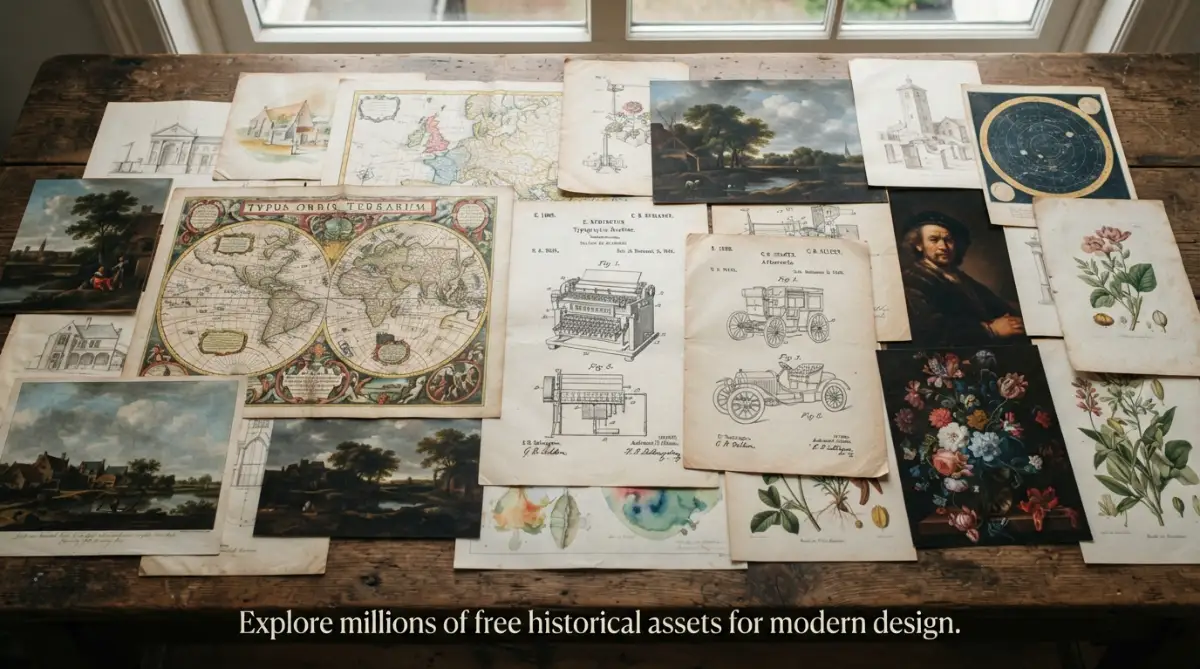
The Library of Congress is a great place to begin. They have millions of items. You can find photos of old cities, posters from wars, and even early drawings of famous inventions. It’s like a time machine for your computer.
Another favorite of mine is NASA. Did you know almost every photo NASA takes is in the public domain? If you need a stunning shot of the stars or a planet, they have you covered. You don't have to pay a cent to use a photo of the moon in your project.
Top 3 Public Domain Archives at a Glance:
- Smithsonian Open Access: Best for 2D/3D historical artifacts (4.5M+ assets).
- NASA Image and Video Library: Unbeatable for space, tech, and planetary visuals.
- Biodiversity Heritage Library: The ultimate source for vintage botanical and animal illustrations.
The Magic of the Smithsonian Open Access
The Smithsonian is another giant in this space. They released millions of images into the public domain recently. You can find 2D and 3D models of historical artifacts.
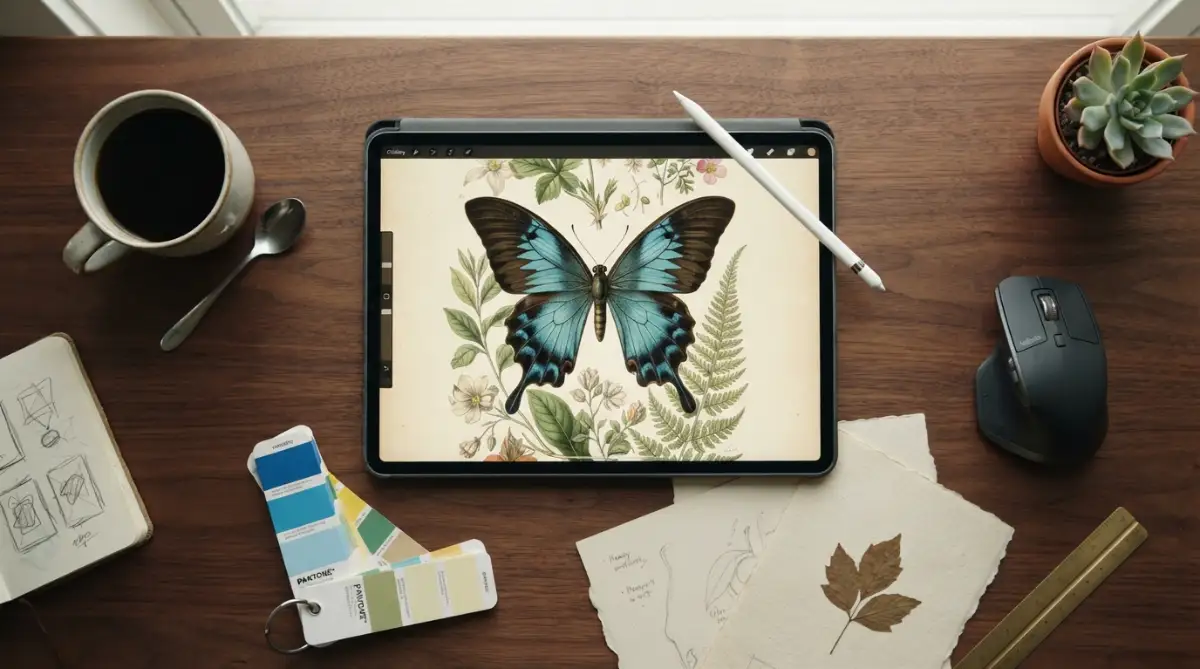
I once needed a very specific drawing of a butterfly for a website header. I searched for hours on Google. Then I went to the Smithsonian site. I found a hand-painted illustration from the 1800s that was more beautiful than any modern photo.
Using these old images gives your work a "premium" feel. It looks curated and professional. People will wonder where you got such unique visuals. You don't have to tell them it was free unless you want to!
Pro Tip:
I used to get confused by all the different licenses. My advice is to always look for the CC0 (Creative Commons Zero) label. This is the "gold standard" of freedom. It means the creator has given up all rights. When I see CC0, I know I can sleep easy at night knowing my project is 100% legal.
Why Public Domain Assets Beat Standard Stock Photos
Standard stock photos often feel "cold." You’ve seen the same "smiling office worker" a thousand times. Public domain art has character. It has texture and history.
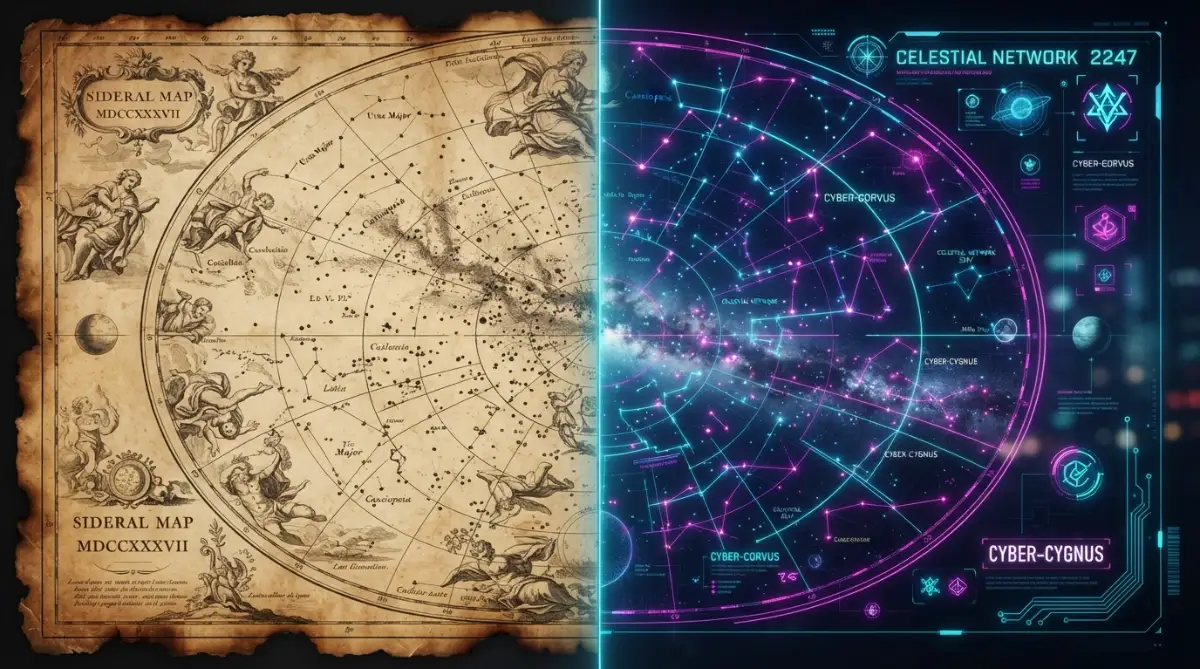
When you use a map from the 1700s as a background, it tells a story. It adds a layer of depth that a modern digital pattern just can't match. This helps your project stand out in a crowded digital world.
Also, these archives are huge. We are talking about millions of files. The variety is much larger than what you find on sites like Unsplash or Pexels. You can find very niche things, like old botanical sketches or vintage circus posters.
Watch this helpful video to see how to navigate these digital libraries effectively.
How to Verify if an Image is Truly Free
I have made mistakes before. I once used an image I thought was free, but it wasn't. It was a huge headache. Now, I follow a simple system to stay safe.
First, I check the source. Is it a trusted library or museum? If yes, that's a good sign. Second, I look for the copyright statement. Most archives have a clear "Usage" section.
If the site says "Public Domain" or "No Known Copyright Restrictions," you are usually good to go. If you are still unsure, do a reverse image search. See where else the image appears. This extra step takes two minutes but can save you months of legal trouble.
Creative Ways to Use These Assets Today
Don't just use the images as they are. The real fun starts when you remix them. You can take an old black-and-white photo and add modern neon colors to it.
You can cut out figures from vintage paintings and put them in a modern collage. This "old meets new" style is very popular right now. It looks trendy and artistic.
Real-Life Example: The popular graphic design platform Canva built a massive portion of its early vintage element library entirely by curating public domain botanical sketches and maps. This proves that even billion-dollar companies rely on these exact same free historical assets for premium designs.
I often use old paper textures from archives as backgrounds for my blog posts. It makes the text easier to read and looks much better than a plain white background. It gives the whole page a warm, organic feel.
Building Your Own Personal Resource Library
I recommend starting a folder on your computer called "Public Domain Gold." Every time you find a cool image, save it there. Note down where you got it.
Over time, you will build a massive library of unique assets. The next time you have a project, you won't have to spend hours searching. You will already have a collection of beautiful things ready to go.
This saves so much time and mental energy. Instead of searching, you can focus on the fun part: creating. It turns a stressful task into an inspiring one.
The Power of Museum Collections
Many world-class museums now have "Open Access" programs. The Metropolitan Museum of Art is a huge one. They have over 400,000 images of artworks that you can use.
Think about that for a second. You can use a painting by Van Gogh or Monet in your project for free. You can zoom in on the brushstrokes and use them as a texture. This level of quality was once only available to people with a lot of money. Now, it's available to everyone with an internet connection.
This levels the playing field. A student in a small town can now use the same high-quality resources as a big design agency in a major city. This is the true power of the public domain. It democratizes art and history.
Finding Hidden Gems in Old Patents
If you want a "technical" or "industrial" look, check out old patent drawings. These are the sketches inventors submitted to the government. You can find the original drawings for the lightbulb, the bicycle, or even a flying machine.
These drawings are beautiful in their simplicity. They look great as wall art or as elements in a tech-focused design. Most people never think to look in the patent archives, which makes these assets even more unique.
I used a patent drawing of an old camera for a photography blog I worked on. The client loved it because it looked so much more "authentic" than a modern icon. It gave the site an instant sense of authority and history.
Exploring the World through Vintage Maps
Maps are some of the most versatile public domain assets. You can find maps of the stars, maps of ancient cities, or maps of the deep ocean.
They work perfectly as backgrounds for websites or as printed materials. Because they are often very detailed, you can crop small sections and use them as abstract patterns.
I once used a map of the moon from the 1960s for a client's presentation. It made the whole slide deck look like a high-budget production. It’s these small details that make your work look expensive and well-thought-out.
The Importance of High-Resolution Downloads
When you find an image you like, always look for the highest resolution possible. Many archives offer "TIFF" or high-res "JPG" files. These are much better than the small images you see on the screen.
High-resolution files allow you to print the art without it looking blurry. They also give you more room to crop and edit the image. It’s always better to have too much detail than too little.
I always download the biggest file available. Storage is cheap, but a blurry image can ruin a whole project. Take the extra time to get the best quality version.
Connecting with History through Your Work
Using these archives is about more than just getting free stuff. It’s about connecting with the past. When you use a photo from 100 years ago, you are bringing that moment back to life.
You are giving new meaning to old work. It’s a way of honoring the artists and photographers who came before us. This adds a layer of emotional weight to your creative projects.
It makes your work feel part of a bigger story. And in a world where everything feels temporary and digital, that sense of history is very powerful. It makes people stop and look a little longer. It creates a connection that modern stock photos simply cannot replicate.
Taking Your Creative Projects to the Next Level with Expert Archive Hacks
I have spent years looking through digital basements to find the perfect art pieces for my work. It wasn't always easy, and I made a lot of mistakes along the way. But once I learned the "pro" way of doing things, everything changed for me.
If you want to get the best results, you have to look beyond the first page of search results. Most people just type a word into a search bar and hope for the best. You need to be more strategic than that.
One of my favorite secrets is using "Boolean operators" when searching large databases like the Digital Public Library of America. This sounds fancy, but it just means using words like "AND," "OR," and "NOT" to narrow down what you see. For example, if I want an old photo of a cat but not a black one, I search for "cat NOT black."
This simple trick saves me hours of scrolling through things I don't need. It helps me find those hidden gems that others usually miss. You should try this the next time you are looking for something very specific.
Another big secret is learning how to "upcycle" these old assets. I don't just take a photo and slap it onto a webpage. I use modern tools to clean up the grain or adjust the lighting. This makes the old art look fresh and intentional.
I found that when I take an old sketch and give it a clean, modern background, people can't believe it's a hundred years old. It looks like a custom piece of art made just for my project. This is how you create a "high-end" look without spending any money on expensive designers.
Building a System to Keep Your Creative Flow Moving
Finding great art is only half the battle. If you don't stay organized, you will end up feeling overwhelmed. I used to download dozens of images and then forget where I got them or what the license was.
It was a total mess, and it almost made me quit. Then, I decided to treat my collection like a professional library. I started categorizing everything by theme and source.
If you want to avoid this headache, you should check out this guide on how to stop losing information and build a personal digital library. Having a system makes you a faster and more relaxed creator. It allows you to spend more time on the actual art and less time hunting for files on your hard drive.
I also recommend keeping a small text file with every image you download. In this file, I paste the link to the original archive page. This helps me if I ever need to double-check the copyright details later on.
Being organized is like a superpower for creators. It takes a little extra work at the start, but it pays off every single day. You will feel much more in control of your work when you know exactly where everything is.
The Magic of Colorizing and Remixing History
Did you know that many public domain images are black and white? This is actually a great thing. It gives you a blank canvas to work with.
I love using free online tools to add a splash of color to old portraits. It brings the people in the photos back to life in a way that feels almost magical. You can match the colors to your brand or the mood of your project.
You can also combine different pieces to make something entirely new. I once took a flower from an old botanical book and a bird from a different museum archive. I put them together to create a stunning logo for a friend’s shop.
Because both pieces were in the public domain, we didn't have to worry about any legal issues. This kind of "remixing" is what the public domain is all about. It’s a gift from the past that we can use to build the future.
If you are a solo creator, this is a great way to escape the burnout and build sustainable work habits. Instead of starting from zero every time, you are standing on the shoulders of giants. It makes the whole creative process much more enjoyable and less tiring.
Why You Should Explore Global Archives Beyond Your Own Country
Don't limit yourself to archives in your own language. Some of the most beautiful art in the world is tucked away in European or Asian digital libraries.
I often visit Europeana, which is a massive collection of art and photos from across Europe. Even if you don't speak the language, the visuals speak for themselves. You can find unique textures and patterns that you won't see anywhere else.
Searching global archives gives your work an international feel. It makes your projects look more diverse and interesting. It shows that you have done the extra work to find something truly special.
I once found a set of old Japanese woodblock prints that were absolutely stunning. I used them as backgrounds for a presentation, and everyone wanted to know where I bought them. They were shocked to hear they were free and open for anyone to use.
Protecting Your Digital Workspace While You Search
When you are spending a lot of time on various archive sites, you need to be careful about your digital safety. Most major museum sites are very safe, but some smaller archives might not be.
I always make sure my internet connection is secure before I start downloading large batches of files. It’s also a good idea to keep your system updated. You don’t want a simple afternoon of research to turn into a technical nightmare.
For some quick tips on staying safe online, you can read about how to secure your home wi-fi router from hackers fast. It’s always better to be safe than sorry when you are building a digital business or a creative career.
I also suggest using a dedicated browser for your research. This keeps your search history and downloads separate from your personal life. It helps you stay focused and keeps your main computer clutter-free.
Avoid These Heartbreaking Mistakes When Using Free Assets
It isn't all sunshine and rainbows in the world of public domain. If you aren't careful, you can run into some real trouble. I have seen creators lose their hard work because they ignored a few simple rules.
The biggest mistake is assuming everything "old" is free to use. This is a dangerous trap. Sometimes, a museum might have a photo of an old painting, but they own the rights to that specific photo.
You must look for words like "Public Domain" or "No Rights Reserved." If you see "For Editorial Use Only," stay away from it for your commercial projects. This mistake can lead to your website being taken down or even a legal bill that you can't afford.
It’s heartbreaking to see a great project get destroyed because of a small licensing error. Always take that extra minute to read the fine print. It protects your work and your peace of mind.
Another mistake is downloading the smallest version of an image. It might look okay on your phone, but it will look terrible on a big screen or in print. Always go for the highest quality file you can find.
I once spent days on a design only to realize the main image was too blurry to use. I had to start all over again. It was a huge waste of time and it made me feel very frustrated with myself.
The Trap of Ignoring Model and Property Releases
Just because a photo is old doesn't mean you can use the people in it for anything you want. In some places, people have "personality rights." This means you can't use their face to sell a product without permission, even if the photo is in the public domain.
This is especially true for photos that aren't very old. I always avoid using clear photos of people's faces for commercial ads unless I am 100% sure about the rules in my area.
The same goes for famous buildings or private property. Some modern landmarks are protected by trademarks. Even if you find a "free" photo of them, using that photo to promote a business can be tricky.
When I am unsure, I use abstract art, landscapes, or objects instead of people or famous buildings. This keeps my work safe and professional. It's one of the best ways to manage your creative projects without constant stress.
Staying on the right side of the law is not just about avoiding fines. It’s about being a respectful creator. It builds your reputation as someone who does things the right way.
The Danger of Messy File Management
I talked about organization earlier, but it’s worth repeating. If you lose the source link for an image, you shouldn't use it. It's too risky.
I have a folder on my computer full of beautiful images that I can't use. Why? Because I forgot where I got them and I can't find the license info anymore. It’s a graveyard of lost potential.
Don't Forget to Give Credit Where It's Due
Even if a license says "no attribution required," I still try to give credit. Why? Because it’s the nice thing to do. It also helps other people find the same great resources.
I usually put a small note at the bottom of my page or in my project credits. I mention the museum or the archive where I found the art. This builds a good relationship with the community.
Archives are run by people who love history and art. When they see their collections being used and credited, it encourages them to keep scanning more items. It helps the whole creative world grow.
Plus, it makes your work look more "academic" and trustworthy. It shows that you know your stuff and that you respect the history of the art you are using. It’s a win-win for everyone involved.
Your Path to a More Creative and Affordable Future
Starting this journey might feel a bit big at first. But remember, every great creator was once a beginner. You don't have to learn everything in one day.
The best way to start is to just go and explore. Pick one site, like the British Library on Flickr, and just browse. See what catches your eye.
Don't worry about being perfect. Just focus on finding things that inspire you. The more you look, the more your "creative eye" will develop. You will start seeing possibilities where others just see old paper.
This path has changed the way I work. I no longer feel limited by my bank account. I feel like the whole history of human art is sitting right there on my desk, waiting for me to use it.
It’s a very exciting feeling. It turns work into a treasure hunt. And the best part is that the treasures you find are yours to keep and share with the world.
I really want you to feel that same excitement. I know how hard it can be to create when you feel stuck or limited. But these archives are the key to breaking those chains.
I want to encourage you to take that first step today. Don't wait for the "perfect" project. Just go find one beautiful image and think about how you could use it. My life changed when I stopped looking at what I lacked and started looking at the abundance of history available for free. I promise that once you start, you will never want to go back to boring stock photos again!
Common Questions About Public Domain Archives
Can I really use these images for my business without paying?
Yes, you absolutely can if the image is truly in the public domain or has a CC0 license. Many businesses use these archives to create unique branding, social media posts, and even products like t-shirts or journals. Just always double-check the specific archive's rules to be 100% safe.
How do I know if an image is high enough quality for printing?
You should look at the "pixel dimensions" of the file. For a good print, you generally want at least 300 DPI (dots per inch). If the file size is several megabytes (MB) rather than kilobytes (KB), it is usually a good sign that the quality is high.
What should I do if I can't find the license for an image?
If you can't find clear proof that an image is in the public domain, the safest thing is not to use it. You can try a reverse image search on Google to see if other reputable archives have the same image with more clear licensing information.
Do I need to mention the museum when I use their art?
In many cases, you don't legally have to if it's a CC0 or public domain image. However, it is a great practice to do so. It adds credibility to your work and shows respect for the institutions that spend time and money digitizing these beautiful pieces for us.
Disclaimer: The information provided in this article is for educational purposes only. I am a creative professional, not a copyright lawyer. While I have made every effort to ensure this information is accurate, copyright laws can vary by country and change over time. Always verify the licensing status of an asset before using it for commercial purposes. Using digital archives is at your own risk.