Why Constant Noise is Ruining Your Daily Peace
Have you ever noticed how a simple humming fridge or a distant lawnmower can totally drain your energy by 3 PM? I used to think I just hated working in loud offices, but it turned out my brain was secretly fighting a war against background noise. Let's talk about why your ears feel completely exhausted by the end of the day, and how you can actually fix it without moving to a desert island.
I didn't realize it then, but the noise was draining my energy. My brain was working overtime just to filter out the junk sounds. It felt like I was fighting a war inside my own head. My ears actually felt tired, which sounds strange until you experience it yourself. I tried cheap foam earplugs, but they just made my ears itch and feel blocked.
Then I bought my first pair of headphones with active noise cancellation. The moment I flipped that switch, my world changed. It wasn't just quiet; it felt like a heavy weight was lifted off my shoulders. I could finally breathe and think clearly again. This was the moment I started looking into the science of why this happens.
The Quick Read: What You Need to Know Today
- Your brain constantly fights background sounds, draining your daily energy without you even noticing.
- Active noise cancellation uses smart sound waves to block stress-inducing noise, acting like a mirror for sound.
- Finding a perfect physical fit with your earbuds is just as important as the tech inside them.
- Lowering the "treble" on your music app can save you from afternoon headaches and ear pressure.
The Invisible Stress of Noise Pollution
Living in a loud world is more than just a small annoyance. It is a real problem for our bodies and our minds. When we hear loud or constant sounds, our brains stay on high alert. This is an old survival instinct that used to keep us safe from predators.
Today, that same instinct is triggered by buses, sirens, and loud offices. This constant state of alert makes our bodies pump out stress hormones. You might feel tired, worried, or even physically sick. Most of us don't even know that the noise around us is the cause.
How Your Ears Get Tired
Your ears are very sensitive organs that never sleep. Even when you are resting, your ears are picking up vibrations. When there is too much noise, the tiny hair cells in your inner ear get overworked. This leads to something called ear fatigue or auditory exhaustion.
Quick Fact Check: The Decibel Danger Zone
Most people don't realize that standard city traffic hits around 85 decibels. If you sit in that kind of noise for more than eight hours, you are risking permanent hearing damage. I always tell my friends to use the "blender rule." If the background noise in your room feels as loud as a kitchen blender, your ears are actively taking damage, and you need to step away.
When your ears are tired, you might find it hard to follow a conversation. You might feel a dull ache in your head or a sense of pressure. This is your body telling you that it needs a break from the sound. Sadly, many people just turn up their music louder to hide the noise, which makes things worse.
The Science of Fighting Sound with Sound
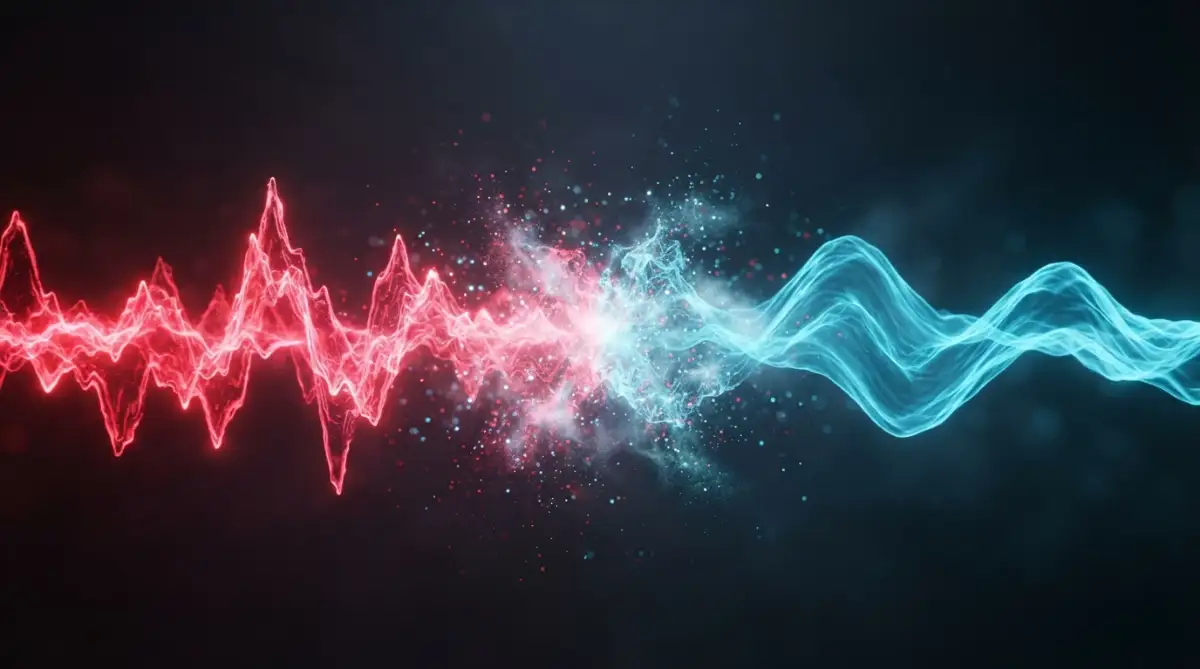
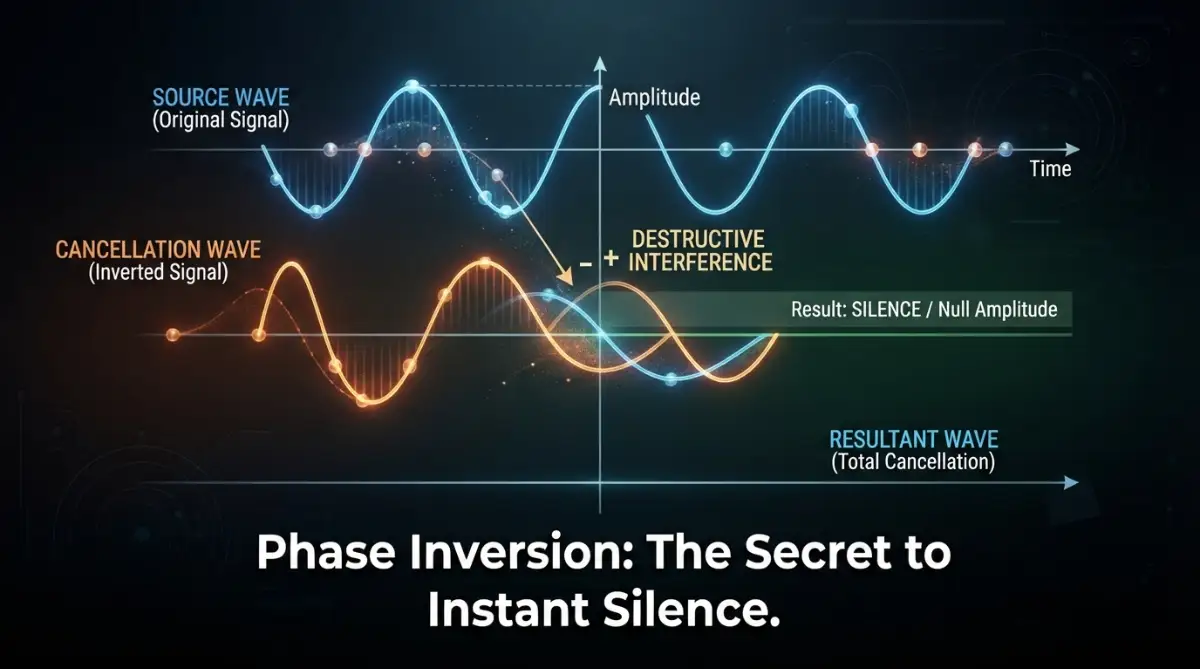
Active Noise Cancellation (ANC) is a smart way to solve this problem. It doesn't just block sound like a physical wall. Instead, it uses physics to cancel the noise out. Think of it like a mirror for sound waves.
The headphones have tiny microphones that listen to the noise around you. They then create a sound wave that is exactly the opposite of that noise. When these two waves meet, they cancel each other out. You are left with a beautiful, deep silence that feels like a hug for your brain.
A Simple Guide to Better Hearing Comfort with ANC
If you want to protect your ears and feel more relaxed, understanding how to use ANC is a great start. It is not just about buying a gadget. It is about creating a space where your hearing can rest and recover.
Finding the Right Fit for Your Ears
The first step to better hearing comfort is how the device fits your head or ears. If a headphone is too tight, it causes physical pain over time. If it is too loose, the noise cancellation won't work well because sound will leak in.
I used to make the mistake of buying the cheapest pair I could find. My ears would hurt after just thirty minutes of wearing them. Now, I always look for soft cushions and adjustable headbands. A good fit means you can enjoy the quiet without any physical pressure.
Reducing the "Cocktail Party Effect"
Have you ever been in a crowded room and struggled to hear the person right in front of you? This is called the "Cocktail Party Effect." Your brain has to work very hard to pick one voice out of a sea of noise. This is very tiring for your mental energy.
ANC helps by lowering the background roar. This makes the sounds you actually want to hear much clearer. You don't have to strain your ears or your brain to listen. This leads to much better comfort during long meetings or flights.
If you want to see exactly how these sound waves disappear in real-time, you have to watch this amazing visual breakdown.
Preventing Volume Creep
One of the biggest dangers to our hearing is "volume creep." This happens when we turn our music up to drown out the noise of a bus or a train. Over time, we keep turning it up higher and higher without noticing. This is a fast way to damage your hearing forever.
With ANC, you don't have to do that. Because the background noise is gone, you can keep your music at a very low and safe level. I found that I could hear every detail in my favorite songs at just 30% volume. This is much better for the long-term health of my ears.
Giving Your Brain a "Quiet Break"
Our brains need silence to process information and lower stress. Using noise-canceling tech allows you to create a "quiet bubble" anywhere. Even if you aren't listening to music, just turning on the ANC can help. It feels like stepping out of a busy street and into a library.
I often wear my ANC headphones with no music playing at all. It helps me focus on writing or just gives me ten minutes of peace during a busy day. This simple habit has made me much more productive and less stressed.
The Role of "Anti-Noise" in Mental Health
There is a deep link between what we hear and how we feel. Constant noise can lead to high blood pressure and poor sleep. By using technology to control our sound environment, we are taking care of our mental health.
Studies show that people in quiet environments have lower heart rates. They also have lower levels of cortisol, which is the main stress hormone. ANC isn't just a luxury for music fans. It is a tool for anyone who wants to stay calm in a loud world.
Myth vs. Reality: Does ANC Hurt Your Ears?
Some people say that noise cancellation feels like pressure on their eardrums. This is a common feeling when you first start using it. However, it is not actually physical pressure. It is just your brain being confused by the sudden lack of low-frequency sound.
Your brain thinks there is a change in air pressure, like when you are on a plane. In reality, your ears are perfectly safe. Most people get used to this feeling within a few days. Once you get used to it, the comfort far outweighs that initial strange sensation.
Choosing Between ANC and Passive Isolation
It is important to know the difference between blocking noise and canceling it. Passive isolation is just using thick padding to stop sound. This works well for high-pitched sounds like a whistle or a baby crying.
ANC is much better for low-pitched, constant sounds like engines or fans. For the best hearing comfort, the top devices use both. They use good foam to block some sound and smart tech to cancel the rest. This dual approach gives your ears the best protection possible.
Using ANC in the Office Environment
It allowed me to stay in "the zone" for longer periods. I didn't get distracted by every little sound around me. If you work in a cubicle or an open office, this technology is a life-saver for your productivity.
Why Quality Matters for ANC
Not all noise cancellation is created equal. Cheap versions often create a "hissing" sound that can be annoying. This hiss can actually cause more ear fatigue if you are sensitive to it. It is usually worth it to get a device that has a clean and high-quality chip.
A good ANC system will feel natural. It won't make you feel like you are underwater. Instead, it will just feel like the world around you got much, much quieter. This high-quality experience is what truly provides hearing comfort.
A Quick Pro Tip for Better Sleep
I found that using ANC earbuds with soft tips can be a miracle for sleeping in loud hotels. If you travel a lot, the sound of hotel hallways or street traffic can ruin your rest. Using a small pair of comfortable ANC buds helps me stay asleep all night. Just make sure they are designed for sleeping so they don't hurt your ears when you turn over.
The Future of Personal Soundscapes
We are moving toward a world where we can control everything we hear. Imagine being able to mute a loud siren but still hearing someone call your name. This is the direction the science is going. It is all about giving us more control over our sensory experience.
By embracing this technology now, we are protecting our hearing for the future. We only get one set of ears, and the world isn't getting any quieter. Taking steps to reduce the load on our auditory system is one of the smartest things we can do for our long-term health.
How to Ease Into Using ANC
If you are new to this, don't wear your headphones for eight hours on the first day. Start with short sessions of 20 or 30 minutes. Let your brain adjust to the new "quiet" environment. You will soon find that you don't want to go back to the noisy world without them.
Environmental Awareness and Safety
While hearing comfort is the goal, you must also stay safe. Most modern ANC headphones have a "transparency mode." This lets you hear the world around you when you need to, like when crossing a street.
Always use this mode when you are walking in traffic or in places where you need to be alert. The goal is comfort, but safety always comes first. You can flip between total silence and full awareness with just a tap. This makes the technology very practical for real life.
Final Thoughts for Part 1
Taking care of your ears is a big part of taking care of your whole body. Active Noise Cancellation is a scientific breakthrough that helps us do exactly that. It reduces stress, prevents ear fatigue, and lets us enjoy our audio at safe levels.
In the next part, we will look even deeper into the specific ways ANC affects brain waves and long-term auditory health. For now, remember that silence isn't just a lack of noise; it's a tool for a better life.
Getting the Most Out of Your Quiet Space
Now that you know the basics of how noise cancellation works, I want to share some advanced tricks I’ve learned. It isn't just about turning the power on and hoping for the best. To truly protect your hearing, you need to understand how to tune your environment.
One of the best things I ever did was start using "Pink Noise" along with my noise cancellation. While ANC is great at stopping low hums, it sometimes struggles with sharp, sudden sounds like a door slamming. By playing soft pink noise at a very low volume, you create a layer of sound that masks those sudden spikes.
This combo is a game-changer for anyone trying to stay focused in a busy house. I found that my brain stopped jumping every time a car drove by outside. If you are interested in why noise cancellation feels good, you will love how this setup feels. It makes the silence feel deeper and much more natural for your ears.
The Magic of a Perfect Seal
I see so many people wearing their earbuds loosely, and it honestly hurts my soul. If the air can get in, the sound can get in too. When this happens, your ANC has to work twice as hard, and you often end up turning the volume up.
Take five minutes to try every single ear tip that came in the box. Even if they feel "okay," try the others just to be sure. A perfect seal should feel like a gentle suction that blocks out some noise even before you turn the power on.
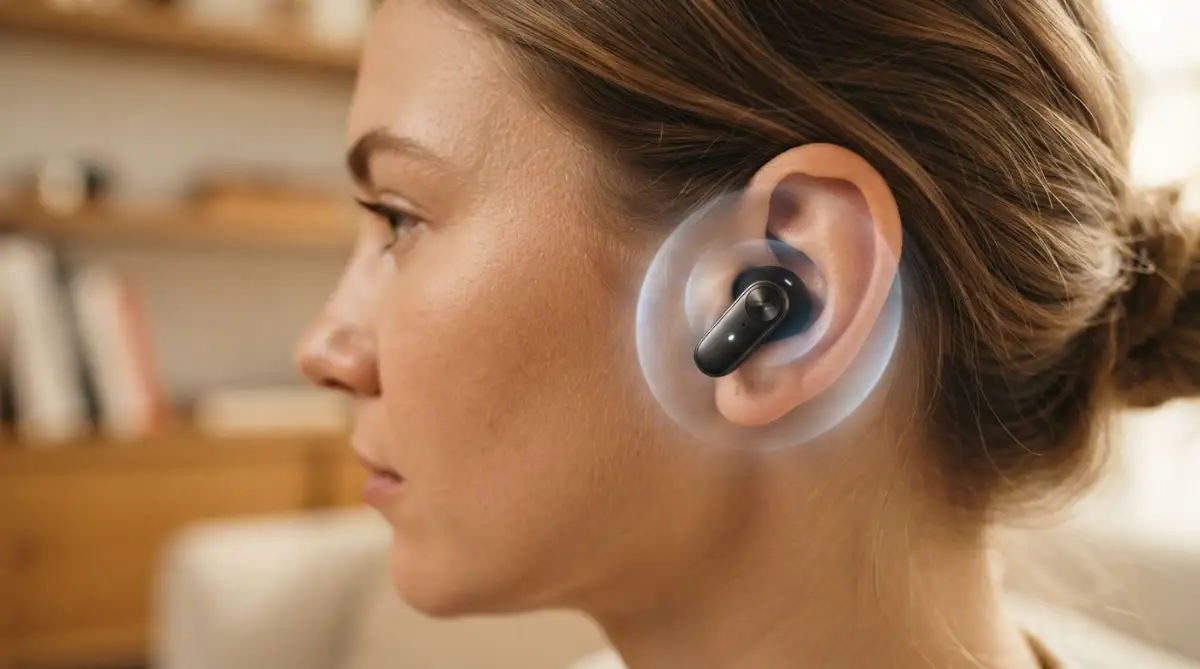
This simple step alone can save your hearing from years of unnecessary volume strain. According to research from the National Institute on Deafness and Other Communication Disorders, even small reductions in decibel levels can prevent long-term damage. Don't ignore the physical fit of your device.
Customizing Your EQ for Hearing Health
Most high-end headphones now come with an app that lets you change the "Equalizer" or EQ. I highly recommend lowering the "Treble" or high-pitched frequencies if you find yourself getting tired quickly. High-pitched sounds are often what cause the most irritation to the tiny hairs in your ears.
I personally set my EQ to a "Warm" profile, which boosts the mid-range sounds. This makes voices sound clearer without having to blast the music. It is a much gentler way to listen to podcasts or audiobooks while you work.
My 10-Second EQ Cheat Sheet for Ear Health:
- For Podcasts: Drop the bass by 10% and boost the mids by 15%. This makes voices crystal clear so you don't have to turn the volume up.
- For Focus Music: Lower the treble by 20%. High-pitched sounds cause ear fatigue way faster than low thumps.
- For Sleep: Flatten everything out. A flat equalizer stops sudden sharp noises from waking you up in the middle of the night.
When you combine this with protecting your mental health, you create a shield against the world. You aren't just blocking noise; you are curating exactly what enters your brain. This level of control is something our ancestors could only dream of.
Creating a "Quiet Ritual" Every Day
I make it a point to use my noise-canceling gear for at least 15 minutes of total silence every afternoon. No music, no podcasts, just pure ANC silence. I call this my "brain reset" period.
It helps lower my heart rate and clears the mental fog that builds up by midday. If you find that you wake up tired, it might be because your brain never got enough quiet time the day before. Silence is like a recharge for your central nervous system.
Try doing this in a dark room or with your eyes closed. You will be surprised at how much tension you are holding in your jaw and neck because of noise. This ritual has helped me more than any cup of coffee ever could.
Fatal Errors That Most People Make
Even though this technology is amazing, I’ve seen people use it in ways that actually cause harm. One of the biggest mistakes is using noise cancellation to ignore your body’s signals. If your ears feel "clogged" or painful, don't just keep the headphones on.
Some people try to use ANC to sleep every single night without giving their ears a break. Your ears need airflow to stay healthy and avoid infections. If you trap moisture and heat in your ear canal for 8 hours every night, you are asking for trouble.
I learned this the hard way after getting a nasty ear itch that wouldn't go away. Now, I make sure to clean my earbuds with alcohol wipes every few days. It takes two seconds but saves you from a lot of discomfort later on.
The Danger of "ANC Volume Creep"
There is a weird psychological thing that happens when you use noise-canceling tech. Because the background is so quiet, you might feel like your music isn't "loud enough." This leads people to turn the volume higher than they normally would.
Even if it doesn't "feel" loud because the background is gone, the sound pressure is still hitting your eardrums. I always check my phone's volume slider to make sure I’m staying below the 50% mark.
Think of it like being in a very dark room; a small candle looks very bright. In a quiet environment, low volume is all you really need. If you are struggling with fixing sleep issues, checking your sound habits is a great place to start.
Ignoring the World Around You
Safety is something we can't ignore when talking about silence. I once walked nearly into the path of a silent electric car because I was in "Total Silence" mode. It was a terrifying wake-up call for me.
Never use full noise cancellation when you are walking near traffic or in unfamiliar areas. Most devices have a "Transparency Mode" for a reason. Use it! It lets you stay safe while still keeping the most annoying noises at a lower level.
Being aware of your surroundings is part of being a responsible adult. Silence is a gift, but it shouldn't come at the cost of your physical safety. Always stay sharp when you are out in public.
Relying Too Much on Technology
Another mistake is thinking that ANC can solve every focus problem. While it helps a lot, it isn't a magic wand for productivity. If you find yourself stopping multitasking, you still need to put in the mental work.
Sometimes, we use noise cancellation as a way to hide from our problems rather than solving them. If your office is too loud, maybe you need to talk to your boss instead of just wearing headphones all day. Technology should support your life, not replace your voice.
I found that balance is key. Use your tools when they help, but don't become a slave to them. Sometimes, the natural sounds of birds or wind are exactly what your brain needs to feel human again.
Taking Charge of Your Auditory Health
I want you to feel empowered by what you’ve read today. We live in a world that is louder than ever, but we also have the best tools in history to deal with it. Protecting your hearing isn't just about avoiding deafness; it's about maintaining your quality of life.
When you reduce the noise around you, you gain more than just quiet. You gain the ability to think deeply, to stay calm under pressure, and to sleep better at night. If you want to learn more about the science of rest, check out this guide on blue light and sleep.
Every small choice you make adds up over time. Choosing to wear protection in a loud crowd or using ANC in a noisy office are wins for your future self. Your ears will thank you ten or twenty years from now.
I really hope you take these tips to heart and start making changes today. I started by just being more aware of the noise in my house, and it changed my whole mood. You deserve to live in a world that feels peaceful and comfortable. Go ahead and flip that switch to quiet—you’ve earned it!
Expert Answers to Your Questions
Does active noise cancellation cause long-term ear damage?
No, ANC itself does not damage your ears because it uses sound waves to cancel out other sounds. The real danger comes from playing your music too loud inside that quiet space. As long as you keep your volume at a safe level, ANC is actually a great tool for protecting your hearing.
Why do I feel a "pressure" in my ears when I turn on ANC?
This is often called "eardrum pressure," but it is mostly a trick played on your brain. When low-frequency sounds disappear suddenly, your brain thinks the air pressure has changed. It is a very common feeling that usually goes away as you get used to the technology.
Can ANC help people with sensitive hearing or sensory issues?
Yes, it is a wonderful tool for people with conditions like hyperacusis or autism. It allows them to control the "input" of the world and prevents sensory overload. Many people find they can stay in public spaces much longer when they have their "quiet bubble" with them.
Should I buy expensive ANC headphones or are cheap ones okay?
While cheap ones can work, they often have a "hiss" or white noise that can be annoying. High-quality sets provide a much cleaner silence and better comfort for long-term use. If you plan to wear them every day for work, it is usually better to invest in a well-reviewed pair.
Disclaimer: The information in this article is for educational purposes only and is not a substitute for professional medical advice. Always talk to a doctor or an audiologist if you have concerns about your hearing or ear health. We do not promote any specific brands or products in this post.