The Silent Weight of Being the Only Provider
Managing a whole family on just one paycheck feels like doing a high-wire act without a safety net. You constantly check your bank app, do mental math in the grocery aisle, and wonder how other families make it look so incredibly easy. I am here to tell you that you are not failing at all—the modern economy just wasn't built for us. However, we can absolutely outsmart it, and today I will show you exactly how to plug those money leaks and finally get ahead.
Managing a household on one salary is not just about math; it is about survival and emotional strength. Most people in this situation feel like they are walking on a thin wire high above the ground. One wrong step, one unexpected bill, and everything could come crashing down. This constant worry creates a dark cloud over your daily life, making it hard to enjoy the things that actually matter.
When you are the sole earner, the pressure to make every dollar count is huge. You might feel guilty for buying a simple cup of coffee or a new shirt. You see your friends going on vacations or buying new gadgets, and you feel left behind. This "single-income trap" can lead to sadness, arguments at home, and a feeling of being stuck in a hole you can't climb out of.
I realized that the problem wasn't just the amount of money. The real issue was how I was looking at my resources. I needed a way to make my money stay longer and work harder. I had to learn how to move from just "getting by" to actually building something that would last.
Fast Track to Financial Control:
- Audit your hidden leaks: Find and cancel those "ghost" subscriptions today.
- Save before you spend: Move at least $20 to savings the exact day you get paid.
- Stop the emotional spending: Wait 24 hours before buying anything that is not basic food or shelter.
- Build your safety wall: Aim for a rapid $500 emergency fund to cover sudden daily surprises.
Changing Your Mindset About Single-Salary Living
The first thing I had to do was stop looking at my single income as a weakness. It is simply a reality that requires a different set of rules. When you have two incomes, you can be a bit messy with your spending. But when you have one, you have to be like a master chef who knows exactly how much salt is in every dish.
You need to understand that your money is a limited tool. If you use a tool the wrong way, it breaks. If you use it the right way, it builds a house. I started by looking at my spending as a map of my life. Where was my money going? Was it going toward things that made me feel safe, or things that I forgot about five minutes later?
Logic tells us that we cannot spend more than we earn, yet so many of us do it through credit cards. This is like trying to fill a bucket with a hole in the bottom. To stop the leak, you must face the numbers, even if they are scary to look at. I promise you, knowing the truth is much better than the fear of the unknown.
The Foundation of Smart Resource Distribution
Before you can save or invest, you must know where your money is currently sleeping. I like to call this the "Financial Audit." This isn't about being mean to yourself. It is about being honest. For one week, I tracked every single cent I spent, from the big rent payment to the tiny pack of gum.
What I found shocked me. I was spending nearly $100 a month on "ghost" subscriptions I didn't even use. That was $100 that could have been in my emergency fund. When you have a single income, these small leaks are what sink the ship. You have to be the captain who plugs those holes immediately.

Creating Your Custom Priority List
Most people follow a standard budget, but those don't always work for single-income homes. You need a list that reflects your specific life. I found that dividing my money into "Must-Haves," "Safety Nets," and "Life Enjoyment" worked best. This helped me see exactly what was happening with my resources.
Money Myth vs. Reality Check:
Myth: A 50/30/20 budget works perfectly for everyone.
Reality: When you are living on a single income, a 60/20/20 split (60% Needs, 20% Savings, 20% Wants) is often much more realistic. Your housing and grocery costs will naturally take up a bigger slice of your pie, and that is completely okay! Do not beat yourself up trying to fit into a template made for dual-income homes.
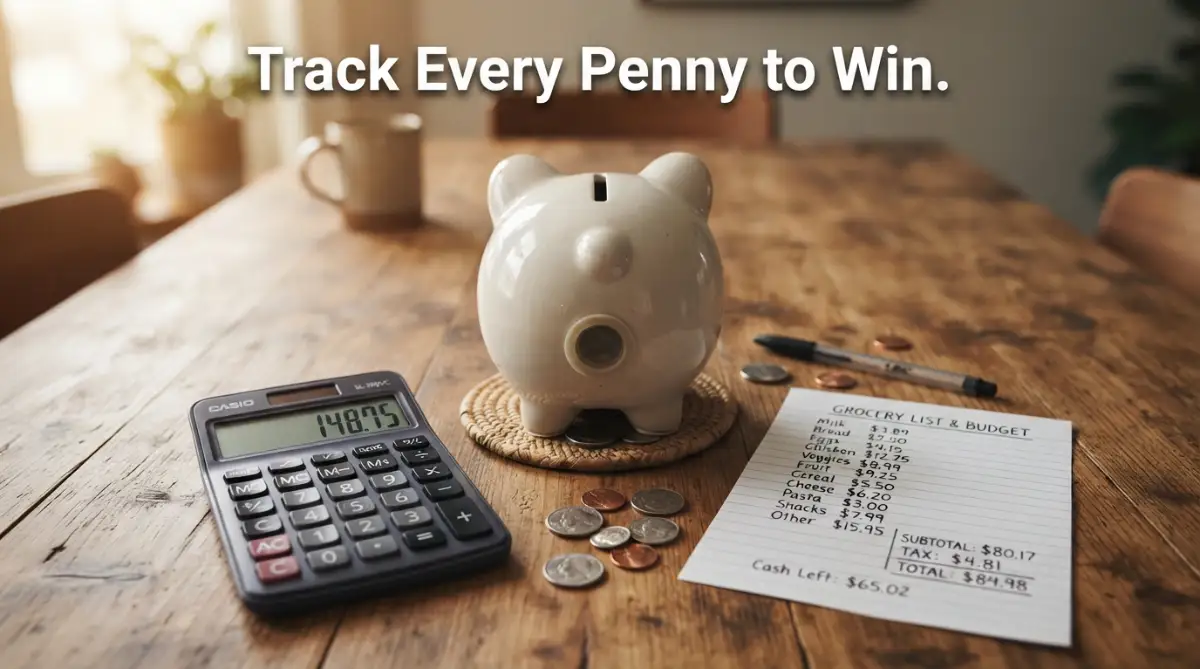
The "Must-Haves" are things like housing, basic food, and lights. These come first, no matter what. The "Safety Net" is your savings and insurance. Many people put this last, but that is a mistake. When you are the only earner, your safety net is your most important asset.
I once made the mistake of thinking I would save whatever was left at the end of the month. I quickly learned that there is never anything left at the end of the month. I had to start paying my savings account first, even if it was just $20. That small habit changed my life more than any big paycheck ever did.
The Science Behind Spending Habits
There is actually a lot of logic behind why we spend money when we are stressed. When you feel the pressure of being the sole provider, your brain looks for a quick hit of happiness. This often comes in the form of a "treat" or an impulse buy. Understanding this helps you stop the cycle.
If you can wait 24 hours before buying anything that isn't a necessity, you will find that the "need" often goes away. This simple rule has saved me thousands of dollars. It gives your logical brain time to catch up with your emotional brain. In a single-income home, your logical brain needs to be the boss.
Check out this helpful guide on building a stress-free budget that actually works for families like ours.
Building Your Emergency Wall
An emergency fund is not just a savings account; it is your "peace of mind" account. For a single-income household, this isn't just a suggestion. It is a requirement. Without it, you are always one car problem away from a total disaster.
I recommend starting with a small goal. Try to save $500 as fast as you can. Don't worry about big numbers yet. Just get to $500. Once you have that, you will feel a shift in your chest. You will breathe a little easier. Then, you can work on building it up to three months of expenses.
This "wall" protects you from the unexpected. If you lose your job or get sick, the wall holds the weight while you figure out your next move. It keeps you from having to use high-interest credit cards that will only make your life harder in the long run.
The Power of the Weekly Meal Plan
Food is usually the biggest area where money "leaks" out of a household. When I was tired from work, I would just order pizza or go through a drive-thru. It seemed easy, but it was costing me a fortune. I realized I was spending three times more on food than I needed to.
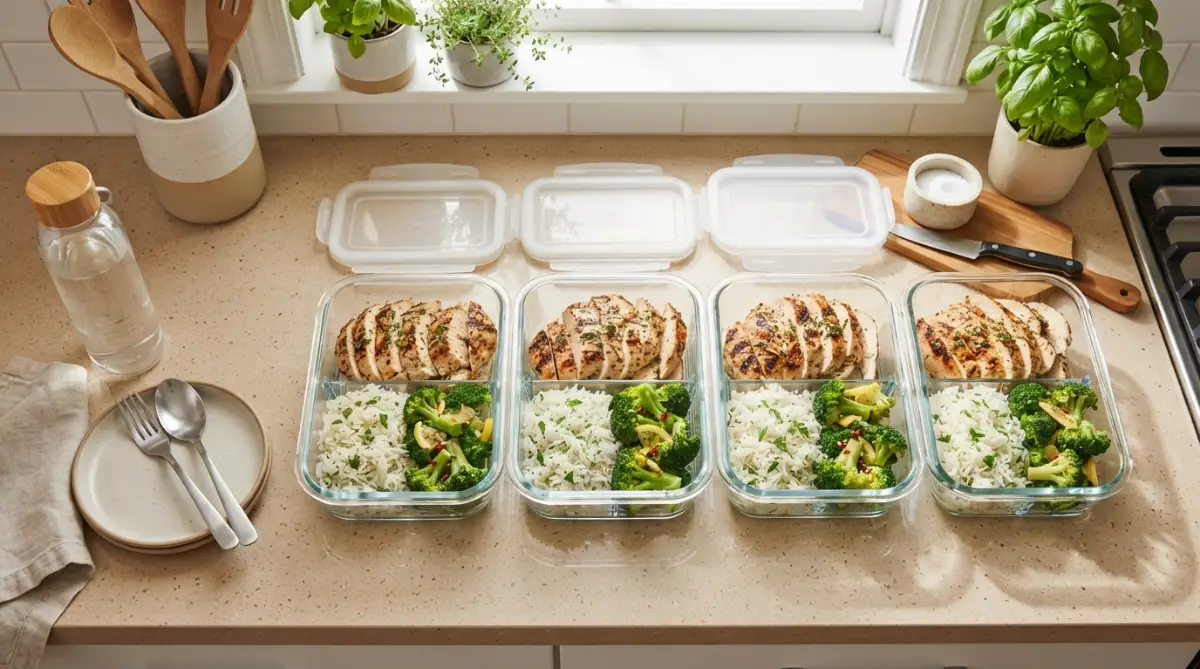
By spending just 30 minutes on Sunday planning my meals, I took control of my kitchen. I bought only what I needed for those meals. I stopped buying random snacks that looked good on the shelf. This didn't just save me money; it actually made me eat healthier, too.
Try to cook in big batches. If you make a large pot of soup or a big tray of pasta, you have lunch for the next three days. This reduces the urge to spend money on expensive lunches at work. Every lunch you bring from home is a small victory for your bank account.
Managing the "Hidden" Costs of Life
We often remember the big bills like rent, but we forget the things that happen once or twice a year. Things like car registration, holiday gifts, or school supplies can ruin a budget. I used to get caught off guard by these every single time.
The way to fix this is to create "Sinking Funds." This is just a fancy way of saying you save a little bit every month for these specific things. If you know you spend $600 on gifts in December, start saving $50 every month starting in January. When December arrives, the money is already there. No stress, no debt.
This proactive approach takes the "surprise" out of life. In a single-income household, surprises are usually expensive. The more you can turn a surprise into a planned expense, the more stable your life will become. It’s all about looking ahead instead of just looking at today.
Smart Shopping Tactics for Resource Optimization
When you do have to buy something, never pay full price if you can help it. I am not saying you should spend hours cutting coupons. Instead, use simple technology. Use browser extensions that find discount codes or apps that give you cash back on groceries.
Also, consider buying generic brands for things like cleaning supplies or basic pantry items. Most of the time, the quality is exactly the same, but the price is much lower. You are paying for the fancy label, not a better product. Those small price differences add up to big savings over a year.
I also learned to love the "second-hand" market. Whether it’s furniture, clothes, or electronics, you can often find high-quality items for a fraction of the cost. This allows you to have the things you need without draining your resources. It’s a sustainable way to live that respects your hard-earned money.
Real-Life Savings Breakdown (Name Brand vs. Generic):
Let me show you a quick snapshot of how my grocery bill changed just by ignoring fancy labels for one month:
- Cleaning Spray: Name Brand (
4.50)vs.StoreBrand(
4.50)vs.StoreBrand(
- 1.99)
- Pasta Sauce: Name Brand (
3.49)vs.StoreBrand(
3.49)vs.StoreBrand(
- 1.25)
- Basic Pain Medicine: Name Brand (
8.99)vs.StoreBrand(
8.99)vs.StoreBrand(
- 3.50)
- By making these tiny swaps, I saved about $45 a month. That is over $500 a year staying in my pocket, just for buying the exact same ingredients in a plainer box!
Involving the Whole Family in the Journey
If you have a partner or children, you cannot do this alone. Even though you are the one earning the money, everyone is using the resources. I found that when I sat down with my family and explained our goals, they actually wanted to help.
We made it a game to see how much we could save on the electric bill. We started having "home movie nights" instead of going to the cinema. This didn't feel like we were losing out; it felt like we were working together toward a bigger goal. It turned a stressful situation into a bonding experience.
When everyone understands the "why" behind the spending rules, there is much less friction. You stop being the "mean person who says no" and start being the leader of a team. This emotional shift is vital for long-term success. It creates a supportive environment where everyone feels invested in the household's stability.
Avoiding the Debt Trap at All Costs
Debt is the enemy of a single-income household. When you owe money, a portion of your income is already gone before you even receive it. High-interest debt, like credit cards, is particularly dangerous. It can keep you trapped for years, making it impossible to allocate your resources effectively.
If you have debt, making a plan to kill it should be your top priority. Use the "Debt Snowball" method—pay off the smallest debt first to get a quick win. This gives you the momentum to keep going. As each debt disappears, you gain more control over your single income.
Investing in Yourself as a Resource
When you are the sole earner, you are the most important resource in the household. This means you need to take care of your health and your skills. If you get burnt out or sick, the income stops. Sustainable resource allocation must include "investing in the provider."
This doesn't mean spending a lot of money. It means getting enough sleep, eating well, and taking time to relax. It also means keeping your job skills up to date. Spend some time each week learning something new in your field. This makes you more valuable and gives you more job security.
Think of yourself as a high-performance engine. If you don't change the oil or give it the right fuel, it will eventually break down. By taking care of yourself, you are protecting your family's financial future. This is perhaps the most sustainable strategy of all.
Small Wins Lead to Big Changes
Don't try to change everything overnight. If you try to cut every single expense and live on nothing, you will likely give up within a month. Start with one or two changes. Maybe you start meal planning this week, and next month you tackle your subscriptions.
Every time you hit a small goal, celebrate it. If you saved $100 this month, acknowledge that win. These small successes build the confidence you need to keep going. Over time, these habits will become second nature, and you won't even have to think about them anymore.
Sustainable financial resource allocation is a marathon, not a sprint. It is about making choices today that your future self will thank you for. With patience and a clear plan, you can turn a single income into a powerful tool for a happy, secure, and fulfilling life.
Mastering the Flow of Your Household Cash
Once you have the basics down, you need to think like a pro. Managing a single income is like driving a car on a long trip with just enough fuel. You have to know when to speed up and when to coast to make it to the end.
One of the best secrets I ever learned is the "Percentage Rule." Instead of just paying bills as they come, I started giving every dollar a job. I used a simple 50/30/20 plan, but I changed it to fit my life.
I put 50% toward needs, 30% toward future safety, and 20% toward living life. This kept me from feeling like I was just working to pay for a house I never got to enjoy. It gave me a sense of order that I never had before.
I also started using automated transfers for everything. The moment my paycheck hits, money moves to my savings and bill accounts automatically. I don't even see that money, so I don't feel the urge to spend it.
This "out of sight, out of mind" trick is a game-changer. It stops you from making emotional choices on a Friday night after a long week. You can learn more about how your mind can play tricks on you in this post about how my brain was robbing me at the grocery store.
Another expert tip is to negotiate every recurring bill you have. I used to think the price on the bill was final, but it’s often not. I spent one afternoon calling my internet provider and insurance company.
I simply asked, "Is this the best price you can offer for a loyal customer?" That one hour of work saved me over $70 every single month. That is $840 a year that stayed in my pocket instead of going to a big company.
You should also look into tax-advantaged accounts that your employer might offer. Even small contributions can lower the amount of tax you pay. This means you actually get to keep more of your single salary for your family.
The Consumer Financial Protection Bureau offers great resources on how to handle these types of accounts. It is a trusted place to find clear facts about your rights as a consumer. Knowing these rules makes you much stronger in your financial journey.
The Secret Power of the Annual Resource Review
Most people only look at their money once a month, but that is not enough for us. I do a big "Deep Clean" of my finances twice a year. I look at every subscription, every insurance policy, and every spending habit.
During one review, I realized I was paying for three different streaming services. I only actually watched one of them regularly. Cutting the other two was like finding a $20 bill in my pocket every month.
I also look at my utility usage during these reviews. Sometimes, a small leak in a faucet or an old light bulb can add up. Fixing these tiny things is a way to respect your resources and make them last longer.
You can find some great ideas on keeping your home efficient in this guide on simple ways to make your home air fresh and clean. A clean and organized home often leads to a more organized bank account. It is all connected in a way that helps you stay calm.
I also recommend keeping a "Value Diary" for a month. Before you buy something, ask yourself if it will make your life better in six months. If the answer is no, then it’s probably not a good use of your single income.

The Danger of Living for Today Only
One of the biggest mistakes I see people make is ignoring the future because today is hard. I know it is tempting to spend your extra cash on a nice meal when you feel stressed. You feel like you deserve a reward for working so hard as the only earner.
But "stress spending" is a trap that keeps you stuck in the same place. It gives you a few minutes of joy but leads to weeks of worry later. I used to do this all the time, and it made my anxiety much worse.
If you are struggling with this, you might need to look at your digital habits. Constant ads and social media can make you feel like you need things you don't. Check out these tips on how to save your mental health from digital overload.
Another trap is relying on credit cards for emergencies. When the fridge breaks, it’s easy to just swipe the card and forget about it. But that debt will grow with interest, making your future even harder.
If you don't have an emergency fund, you are essentially gambling with your family's safety. It sounds harsh, but it is the truth I had to face myself. A single income needs a thick buffer to survive the unexpected turns of life.
Many people also make the mistake of not talking about money with their partner. If you are the one making the money, you might feel like you should make all the choices. This creates a huge wall between you and your loved ones.
It can lead to "financial infidelity," where one person hides spending from the other. This destroys trust and makes it impossible to manage your resources as a team. You need to be on the same page to make a single salary work for everyone.
Why Ignoring Small Problems Leads to Big Disasters
In a single-income home, a small car noise or a tiny roof leak is a warning sign. Many people ignore these because they don't want to spend the money right now. They hope the problem will just go away on its own.
But small problems always turn into big, expensive ones. A $50 repair today can easily become a $500 replacement next month. I learned this the hard way when I ignored a small leak in my bathroom.
That tiny drip eventually ruined the floor, and I had to spend a lot of my savings to fix it. Being proactive with maintenance is a way of protecting your resources. It keeps your costs predictable and low over the long term.
If you find yourself in a spot where you can't pay a big bill, don't hide from it. There are often ways to get help if you act fast. You can read about what to do right now if you can't make your car payment to see how to handle those tough spots.
You also need to be careful about helping others before you are stable. It feels good to lend money to a friend or family member. But if you are on a single income, you have to be very careful with your "extra" cash.
I once lent money I didn't really have to a friend, and it put my own family in a bad spot. I had to learn that saying "no" is sometimes the most responsible thing you can do. You can't help someone else if your own ship is sinking.
The Myth of "I'll Start Saving Later"
Waiting for a better time to save is like waiting for a train that isn't coming. There will always be a new bill, a holiday, or a reason to spend. The "perfect time" to manage your resources is right now, with exactly what you have.
I used to tell myself I would save when I got a $5,000 raise. But when I got that raise, I just bought a more expensive car. This is called "Lifestyle Creep," and it is a silent killer of wealth.
As your income grows, your spending should stay the same for a while. This allows you to build a massive safety net that gives you true freedom. Freedom isn't about buying whatever you want; it’s about not worrying about money.
Research from groups like the National Endowment for Financial Education shows that habits are more important than the amount of money you make. People with lower incomes who have good habits are often more stable than high earners who spend everything.
If you are thinking about using a loan to fix your problems, be very careful. There are so many lies out there about borrowing money. I highly suggest debunking common myths about debt consolidation before you sign any papers.
Your Journey to a Stress-Free Financial Life
Taking control of your money is one of the most powerful things you can do for your family. It isn't always easy, and there will be days when you want to give up. But every time you choose to save instead of spend, you are building a better future.
You are the leader of your household's financial destiny. By being smart with your resource allocation, you are providing more than just money. You are providing security, peace, and a clear example for your children to follow.
I want you to know that it is possible to live a rich life on a single income. A "rich life" is one where you have what you need, you are safe from emergencies, and you have peace of mind. You don't need a million dollars to feel like a success.
I started this journey with nothing but a pile of bills and a lot of fear. If I could turn it around, I know that you can too. Just take it one day at a time, make one good choice after another, and watch how your life changes.
Common Questions About Managing a Single Salary
How much should I keep in my emergency fund?
For a single-income home, you should aim for at least six months of living expenses. Since you are the only one bringing in money, you need a bigger safety net than a two-income home. Start with a goal of $1,000 and then slowly build it up over time.
Is it possible to invest while only having one income?
Yes, it is definitely possible and very important. You don't need a lot of money to start investing. Many apps let you start with just $5 or 10$. The key is to be consistent and let your money grow over many years.
What should I do if my expenses are higher than my income?
You have two choices: lower your costs or increase your income. Start by cutting every "want" from your budget for 30 days. If that isn't enough, you may need to look for a small side job or a way to move to a more affordable living situation.
How do I talk to my kids about our budget without scaring them?
Be honest but positive. Instead of saying "We are broke," say "We are choosing to spend our money on the things that matter most to us right now." This teaches them about values and smart choices rather than making them feel afraid.
Should I pay off debt or save for emergencies first?
You should do both at the same time, but focus on a small emergency fund first. Having $1,000 in the bank stops you from using credit cards when something goes wrong. Once you have that small buffer, put as much as you can toward your highest-interest debt.
Disclaimer: I am sharing my personal experience and general financial tips for educational purposes. I am not a certified financial advisor. Every family’s situation is unique, so please consult with a professional or do your own research before making major financial decisions.
I truly believe that you have the power to change your family's future starting today. I have seen how a few small changes can lead to a lifetime of freedom and happiness. Take that first step right now, and don't look back!