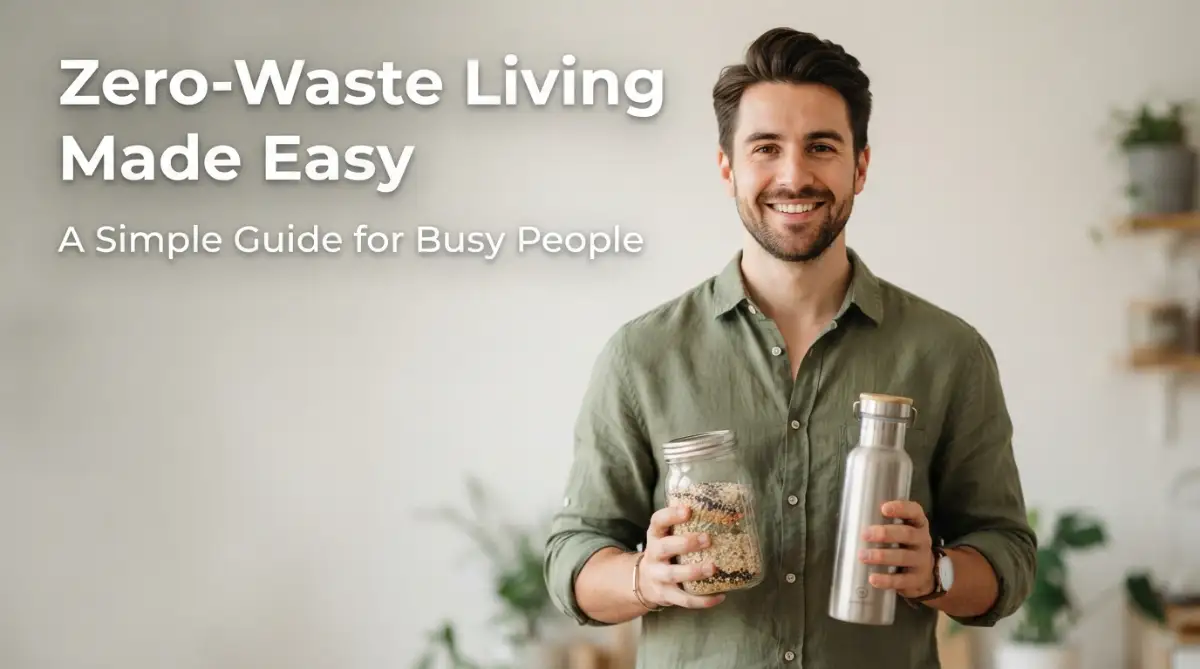
The Honest Truth About My Messy Trash Can
Let’s be honest: my kitchen trash can used to be a nightmare. It was packed with plastic wrap, greasy boxes, and things I didn't even remember buying. I felt like a planet-wrecker every time I took the bag out. If you've seen those influencers who fit a year's worth of trash in a tiny jar and felt like a failure—stop. You don't need a mason jar; you just need a better plan. Here is how I stopped hating my trash can without losing my mind.
I tried to change everything overnight. I threw away all my plastic, bought expensive glass jars, and tried to make my own toothpaste. It was a disaster. My teeth felt weird, my kitchen was a mess, and I was more stressed than ever. I realized that trying to be perfect was the reason I was failing. I was trying to run a marathon before I could even walk.
My journey really started when I stopped trying to be perfect and started being practical. I had to find a way to make sustainability fit into my real, busy life. I am not a monk living in the woods; I have a job, a family, and very little free time. If you feel like you are drowning in plastic and don't know where to start, I want you to know that I have been there too. It is okay to be messy at first.
💡 Your 2-Minute Cheat Sheet
If you are in a hurry, here are the big ideas from my journey:
- Audit First: Don't buy anything new yet. Look at your trash for a week to see your "waste patterns."
- Forget Perfection: Being 80% sustainable is better than being 100% perfect for two days and then quitting.
- The Kitchen Hack: Replace paper towels with old rags and use plates to cover leftovers instead of plastic wrap.
- Repair > Replace: A $2 sewing kit can save a $50 pair of jeans. Respect the stuff you already own.
Why Most People Quit Before They Even Start
The biggest problem isn't that people don't care. It’s that they feel overwhelmed by the pressure of "zero." The word "zero" is scary. It sounds like you can never make a mistake. When we see people on social media with their perfect minimalist homes, we think we need to be like them to make a difference.
I see so many friends start this journey with big energy. They buy all the bamboo gadgets and fancy bags. But after a week, they realize that their life doesn't look like a Pinterest board. They get tired of the extra work and go back to their old habits. This cycle of excitement followed by burnout is very common. We need to stop looking at zero-waste as a trend and start looking at it as a slow shift in how we live.
The Secret to Staying Calm While Saving the Planet
If you want to keep your sanity, you have to realize that your peace of mind is just as important as the planet. You cannot help the Earth if you are constantly stressed out. A lot of people lose their joy because they focus too much on what they are doing wrong.
In my own experience, the best way to handle the guilt is to focus on one small win at a time. I started by just looking at what I was throwing away. I didn't change anything for a week; I just watched. This helped me see that most of my trash came from just two or three habits.
When you simplify the problem, the solution feels much easier. You don't need to save the whole world by Tuesday. You just need to make your own home a little bit lighter. Once I understood this, the heavy feeling in my chest started to go away. Sustainable living should feel good, not like a chore you hate doing.
Starting Your Audit: The "Bin Scan" Method
How Much I Actually Saved (Monthly Estimates)
I tracked my spending for three months. Here is what happened when I switched from "disposable" to "reusable."
The first step to changing your life isn't buying something new. It is looking at what you already have. I call this the "Bin Scan." For one week, I want you to look into your trash can before you take it out. What do you see the most?
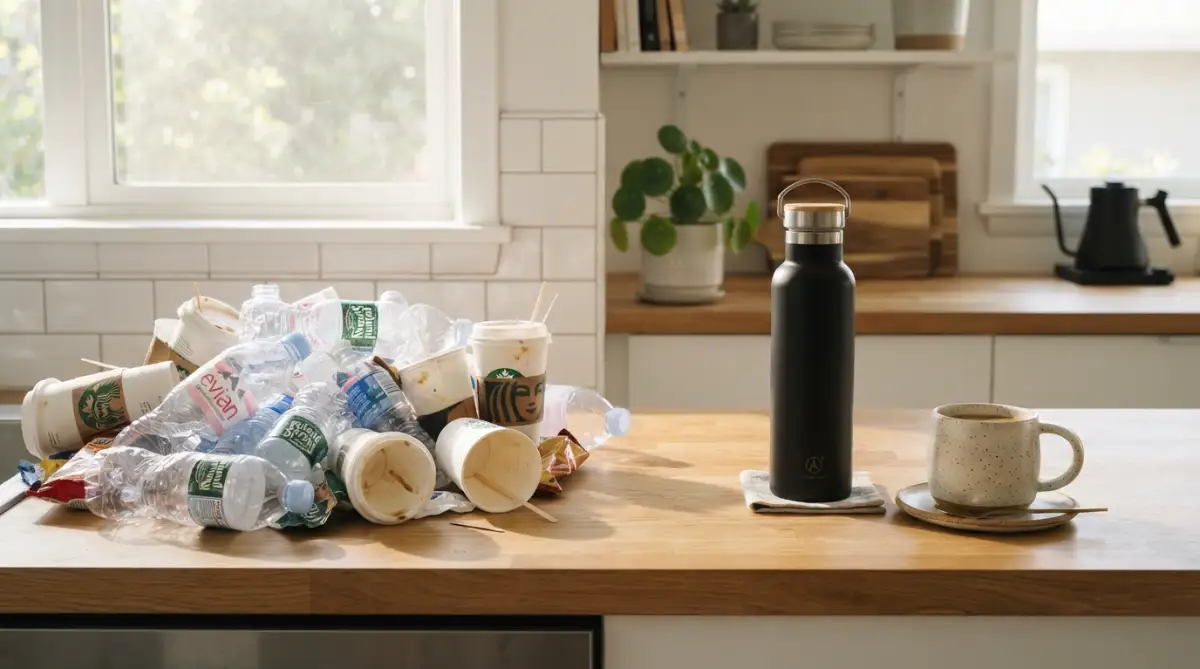
For me, it was coffee cups and plastic water bottles. I was shocked at how many I used. By doing this audit, I realized I didn't need to change my whole life. I just needed to carry a bottle and a mug. That one small change cut my trash by 30%.
Pro Tip: I used to think I had to buy fancy "sustainable" jars to organize my food. Then I realized I was throwing away perfectly good spaghetti sauce jars every week. I started washing them and using them for storage. It saved me money and kept those jars out of the landfill!
You should do this for your kitchen, your bathroom, and even your office. Don't judge yourself. Just look at the data. This is a scientific way to see where your waste comes from. Once you know the "why," the "how" becomes very simple.
Changing Your Kitchen Habits Without Moving Mountains
The kitchen is usually the place where the most waste happens. But it is also the easiest place to start. You don't need to replace everything at once. In fact, please don't do that. Use what you have until it is broken or gone.
Instead of plastic wrap, you can just use a plate to cover a bowl. Instead of paper towels, you can use old t-shirts cut into squares. These are old-fashioned ways of living that our grandparents used. They weren't trying to be "zero-waste"; they were just being smart with their money.
Watch this short video to see how simple kitchen swaps can save you hours of cleaning and tons of money:
I hope that video gave you some quick ideas. The goal is to make these things feel natural. If a swap makes your life harder, you won't stick with it. Find the things that make your kitchen feel cleaner and more organized.
The Power of Buying in Bulk (The Right Way)
Buying in bulk is a great way to reduce packaging. However, many people do it wrong. They go to a bulk store and buy things they never eat just because they look pretty in jars. This leads to food waste, which is even worse for the planet.
I learned to only buy the basics in bulk. Things like rice, beans, oats, and pasta are perfect. You can bring your own bags or jars to the store. If your local store doesn't allow that, just buy the largest bag possible instead of many small ones.
This habit also helps your budget. When you buy just the food and not the fancy packaging, you pay less. It takes a little more planning, but it feels so rewarding to see your pantry full of healthy food without a mountain of plastic trash.
Re-Thinking Your Bathroom Routine
The bathroom is another area where plastic hides. Think about your shampoo, soap, and toothpaste. Most of these come in plastic bottles that we throw away every month. But you don't have to switch to everything at once.
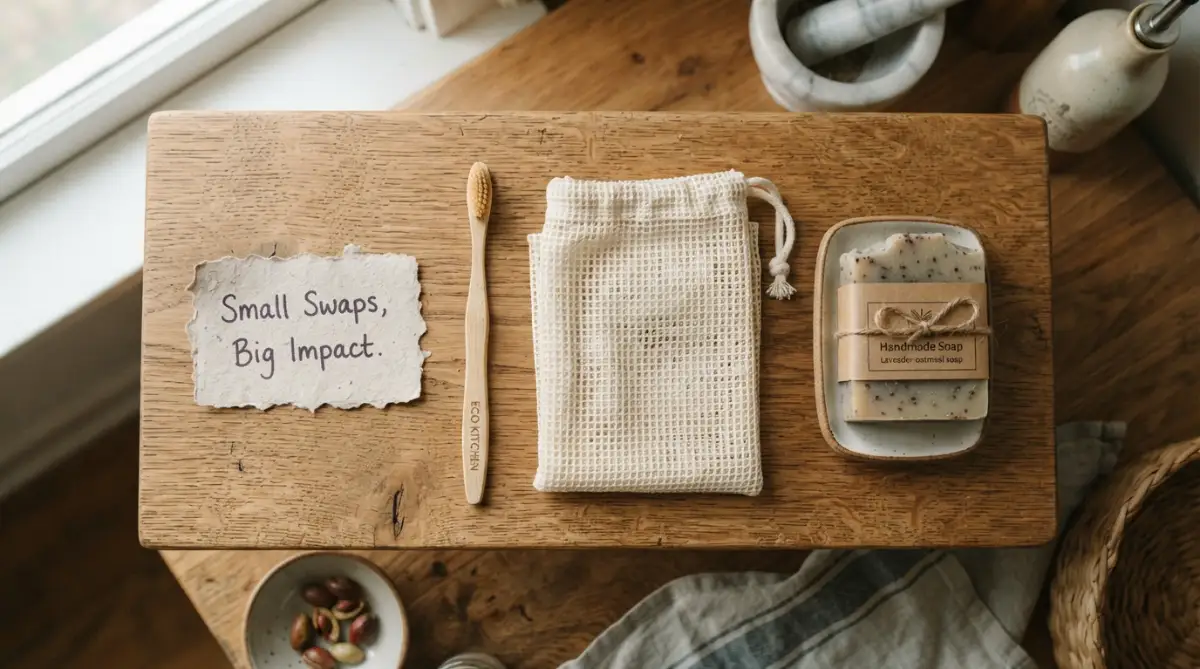
When your bottle of body wash runs out, try a bar of soap instead. Bar soap usually comes in a simple paper box or no packaging at all. It lasts longer and is often better for your skin.
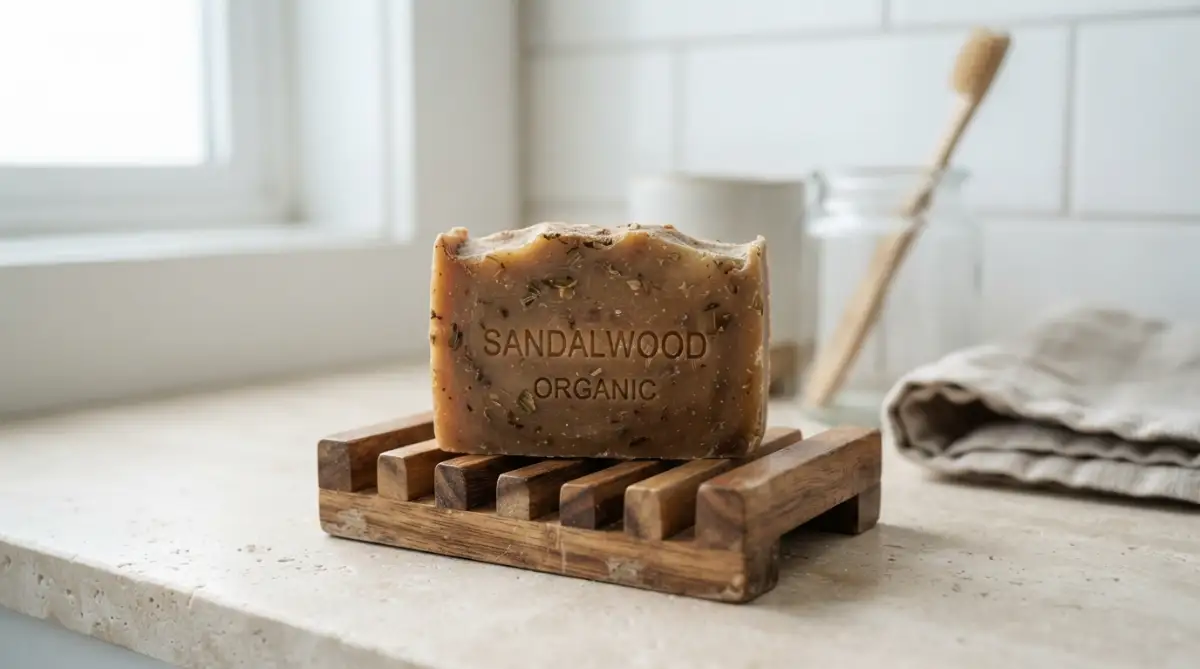
I also switched to a bamboo toothbrush. It feels exactly like a plastic one, but it won't stay in the ocean for 500 years. These are tiny changes that don't change your daily routine at all. You still brush your teeth and wash your body; you just do it with a different tool.
Handling Social Pressure and "Eco-Guilt"
One of the hardest parts of this journey is talking to friends and family. Sometimes people will judge you. They might make jokes about your reusable straw or ask why you care so much. This can make you feel lonely.
Quick Reality Check: Myths vs. Facts
- Myth: You have to buy expensive "Eco-Friendly" kits to start.
- Fact: The most sustainable thing is the plastic container already sitting in your cupboard. Use it until it breaks.
- Myth: Recycling is the ultimate solution.
- Fact: Most plastic never actually gets recycled. Reducing what you buy is 10x more powerful than putting it in the blue bin.
Step 4: AI Image Generation
I found that the best way to handle this is to not be "preachy." I don't tell people what to do. I just do my own thing. When they see how much money I am saving or how clean my house looks, they usually get curious.
It is also important to let go of "eco-guilt." If you are out and you have to use a plastic fork because there is no other choice, don't beat yourself up. You are doing your best. One plastic fork doesn't ruin all your hard work. The goal is progress, not perfection.
The Role of Mindful Shopping
Zero-waste is not just about where the trash goes. It is about what comes into your house in the first place. We live in a world that wants us to buy everything right now. Amazon makes it too easy to click a button and have a box arrive the next day.
I started a "30-day rule." If I want something that isn't food or medicine, I wait 30 days. Most of the time, I realize I didn't actually need it. This reduces the amount of stuff that eventually becomes trash.
When you buy less, you have more space in your home. You have more money in your bank account. And you have much less to worry about. This is the "minimalist" side of zero-waste that people don't talk about enough. It is very peaceful to own fewer things.
Practical Swaps for Your Daily Commute
If you work in an office or travel a lot, waste can pile up fast. Think about the coffee cups, the lunch containers, and the plastic bags. Most of these things are used for 10 minutes and then thrown away.
I started packing my own lunch. Not only did this save me about $150 a month, but it also stopped a lot of trash. I use a simple metal box that I've had for years. I also keep a set of bamboo utensils in my bag so I never need a plastic spoon.
These habits take a few minutes of planning in the morning. But after a week, it becomes a habit. You don't even think about it anymore. It just becomes "the way you live." This is how you transition without feeling overwhelmed. You build the habit until it is automatic.
Understanding the Science of Decomposition
Natural things like food scraps also don't break down well in landfills because there is no air. They create methane gas, which is bad for the climate. This is why composting is so powerful. Even if you live in a small apartment, you can find ways to compost.
When you understand that your trash has a "life" after you throw it away, it changes how you look at objects. You start to see the value in things that can return to the earth safely. This knowledge gave me the motivation to keep going even when I felt tired.
How to Involve Your Family Without Fighting
If you live with other people, going zero-waste can be tricky. You can't force them to change. I tried that with my roommate, and it just caused arguments. Instead, I made the sustainable choice the "easy" choice.
I put a nice bin for recycling right next to the regular trash. I bought high-quality cloth napkins and put them on the table so they were easier to reach than paper ones. When the better choice is the easier choice, people naturally move toward it.
Be patient with the people you love. They might not see the world the same way you do yet. Lead by example, and show them that a zero-waste life is actually a better, happier life. They will notice the positive changes in you.
Celebrating Your Small Wins
We are so quick to look at what we didn't do. We forget to celebrate what we did do. If you used a reusable bag today, that is a win. If you finished a whole tube of toothpaste before buying a new one, that is a win.
I keep a small journal of my progress. Not every day, just once a week. I write down one thing I did better. This helps me see that I am actually moving forward. It builds confidence.
When you feel confident, you are more likely to try the next step. This is a journey of a thousand miles, but it is made of tiny, simple steps. Don't look at the mountain; just look at your feet. You are doing great.
Taking Your Sustainable Journey to the Next Level
Now that we have covered the basics of checking your trash and making simple kitchen swaps, it is time to look at the bigger picture. Moving toward a zero-waste life is like learning a new language. At first, you only know a few words, but soon you can have a full conversation.
One of the most powerful things you can do is to look at your food waste more closely. Even if you eat every bite on your plate, there are always scraps like banana peels or eggshells. Instead of tossing them in the bin, you can start a simple compost bin.
If you live in a small apartment, you might think you can't compost, but that isn't true. I started with a small worm bin under my sink, and it didn't smell at all. It felt like magic to see my food scraps turn into rich soil for my indoor plants. This small act keeps organic waste out of landfills where it would otherwise create harmful gases.
Mastering the Art of "Repairing Instead of Replacing"
In our modern world, we are taught to throw things away the moment they have a small scratch or a loose thread. This "disposable" mindset is a huge part of the waste problem. I used to be the person who would buy a new shirt just because a button fell off.
Then, I decided to learn how to sew. I’m not talking about making fancy clothes, just a simple stitch to fix a hole or a button. It is very satisfying to save a favorite pair of jeans from the trash. You can find many guides on IFIXIT that show you how to fix almost anything, from electronics to clothes.
Repairing things gives them a second life. It also saves you a lot of money over time. When you fix what you already own, you stop the cycle of constant buying. This is a big step toward a truly waste-free life because it respects the energy and resources that went into making that item.
Dealing With Hidden Waste in Your Digital Life
We often think of waste as things we can touch, but digital waste is real too. Every email you store and every unused app on your phone takes up space on a server somewhere. These servers require a massive amount of electricity to keep running.
I spent a weekend cleaning out my inbox and deleting old files I didn't need. It made my phone faster and gave me a sense of mental clarity. If you feel overwhelmed by your digital files, you should check out this guide on how to stop losing information a roadmap to your personal digital library.
Cleaning your digital space also helps you be more mindful of your online habits. You start to unsubscribe from newsletters that only tempt you to buy more stuff. This reduces the "mental clutter" that often leads to impulsive shopping. It is a win for the planet and a win for your peace of mind.
The Magic of Community and Local Sharing
You don't have to buy everything yourself. One of the best "advanced" secrets is the power of sharing within your neighborhood. Many towns have "Buy Nothing" groups where people give away things for free.
I once needed a ladder for just one day. Instead of buying a brand new one that would sit in my garage for years, I asked a neighbor. They were happy to lend it to me. This prevents a new product from being manufactured and eventually becoming waste.
Building these connections makes your life richer. You start to realize that a sustainable lifestyle is not just about trash; it’s about people. When we help each other, we all need to own less. This community spirit is exactly what we need to make the world a cleaner place.
Mindful Grocery Shopping to Save Your Budget
When you walk into a grocery store, the layout is designed to make you buy things you don't need. All those bright packages and "deals" are traps for your brain. I used to fall for them every single time.
I learned that my brain was actually working against me when I was hungry or tired at the store. To fix this, I started making a very strict list and sticking to it. If you want to know more about how to stop these habits, read about how my brain was robbing me at the grocery store.
Buying only what you will actually eat is one of the best ways to reduce waste. It sounds simple, but it takes practice. When your fridge is organized and you only have what you need, you feel much more in control. You stop finding rotten vegetables at the bottom of the drawer two weeks later.
The "Great Purge" Mistake: Don't Throw Away Your Plastic!
One of the biggest mistakes I see people make is getting excited about zero-waste and then throwing away all their plastic containers. They think they need to replace everything with glass jars right now.
This is actually the opposite of being sustainable. If you have a plastic tub that still works, use it! The most eco-friendly item is the one you already own. Throwing away a perfectly good plastic bottle just to buy a "green" one creates more waste.
I kept using my old plastic food containers until they finally cracked. Only then did I look for a glass or metal version. This slow transition is much better for your wallet and the earth. Don't let the "aesthetic" of zero-waste make you do something wasteful.
Buying Into the "Green-Washing" Trap
Another common pitfall is falling for products that look eco-friendly but aren't. Some companies use green colors and pictures of leaves to make you think their product is good for the planet. They might call something "natural" without any proof.
This is called green-washing. I once bought a "biodegradable" soap that turned out to have harmful chemicals in it. I felt so cheated. It is important to look at the ingredients and the packaging closely.
You can use resources like The Story of Stuff Project to learn more about how products are actually made. Being a skeptical shopper is part of being a zero-waste expert. Just because it says "eco" on the front doesn't mean it is the best choice for you.
Trying to Be 100% Perfect Every Day
I mentioned this before, but it bears repeating because it is the number one reason people quit. You will have days where you forget your reusable cup. You will have days where you are tired and just want a quick meal in a plastic container.
When this happens, don't tell yourself that you failed. A few bad days don't erase months of good work. The stress of trying to be perfect can actually hurt your mental health. I learned that being "mostly" zero-waste is much better than giving up because I couldn't be perfect.
If you find yourself feeling stressed about your lifestyle choices, it might be time to take a break. You can read about how to save your mental health from digital overload today to find more ways to stay calm. Sustainability should be a marathon, not a sprint. Take it slow and be kind to yourself.
Ignoring the "Invisible" Waste in Your Home
Sometimes we focus so much on the trash we can see that we ignore the waste we can't see. Think about your electricity and water use. Leaving the lights on or taking very long showers also uses up the Earth's precious resources.
I started making small changes like turning off the tap while brushing my teeth. I also started air-drying my clothes instead of using the dryer every time. These things don't create "trash" in a bin, but they reduce your overall footprint.
Even the air in your home can be improved without using chemical sprays. There are simple ways to make your home air fresh and clean that don't involve plastic bottles. These invisible changes make your home a healthier and more sustainable place to live.
The Power of Living With Less Stuff
At its heart, a zero-waste lifestyle is about minimalism. It is about realizing that you don't need a lot of things to be happy. When I stopped buying random gadgets, I found that I had more time and energy.
Cleaning my house became faster because there was less clutter. I felt less stressed because I didn't have to manage so many belongings. This shift in mindset is what makes the lifestyle stick long-term.
If you want to dive deeper into how to live with less, you might find this guide on a trash-free kitchen for normal people very helpful. It shows that you can have a functional, beautiful home without all the extra waste. Once you experience the freedom of having less, you will never want to go back to your old ways.
A Fresh Start for Your Sustainable Future
Transitioning to a zero-waste lifestyle is one of the most rewarding things I have ever done. It changed how I see the world and how I see myself. I no longer feel like a mindless consumer; I feel like a person who makes choices with purpose.
Remember that every single piece of plastic you refuse makes a difference. Even if it’s just one straw or one bag, it matters. You are part of a global movement of people who care about the future. It is an exciting time to be making these changes.
I want you to walk away from this feeling empowered. You don't need to be an expert today. You just need to be a little bit better than you were yesterday. I have found so much joy in this journey, and I know you will too if you just take that first small step.
Action Plan for Your First Week
If you are ready to start, here is a simple plan. For the first two days, just watch your trash. On the third day, pick one thing to replace, like a plastic water bottle with a glass one. By the end of the week, try to find one thing in your house that you can repair instead of throwing away.
This slow approach keeps you from feeling overwhelmed. It makes the changes feel like a game rather than a chore. Share your progress with a friend or a family member to keep yourself motivated.
I truly believe that if I could make this change, anyone can. I was the person with the most trash in the building, and now I am the one with the smallest bin. My life is simpler, my bank account is fuller, and I feel much lighter every single day.
Common Questions About Going Zero-Waste
Is a zero-waste lifestyle more expensive for a normal family?
Actually, it usually saves you money in the long run. While some items like glass jars or high-quality tools cost more at first, you stop buying disposable items every week. You save money by buying in bulk and by not purchasing things you don't really need.
What should I do if my local area doesn't have a bulk store?
Don't worry! You can still reduce waste by choosing the largest size available to reduce packaging. You can also look for items in cardboard or glass instead of plastic, as these are easier to recycle. Focus on what you can control, like bringing your own bags.
How do I handle parties or social events without being rude?
You don't have to be the "trash police." I usually bring my own reusable water bottle or cup to events. If someone gives me something in plastic, I just say "no thank you" if I can. If I can't avoid it, I just recycle it later and don't worry too much about it.
Can I go zero-waste if I have a very busy job and no free time?
Yes, you can. In fact, zero-waste can save you time. Packing your own lunch and having a minimalist pantry means you spend less time shopping and less time cleaning up. Start with the "low-hanging fruit" like reusable bags and bottles that require very little effort.
What happens to the trash I already have?
The best thing to do is to use it up. If you have plastic bags, use them as trash liners. If you have half-empty bottles of soap, finish them. The goal is to stop the flow of new trash coming into your home, not to instantly get rid of everything you already own.
Disclaimer: This article is for informational purposes only. The suggestions provided are based on personal experience and general sustainability practices. Always follow local recycling laws and safety guidelines when handling waste or making household changes. Some lifestyle changes may require personal adjustment based on your specific health or living situation.
I really hope my story and these tips help you feel ready to start. I used to be so stressed about my impact on the world, but once I started taking these small steps, that weight lifted off my shoulders. Just remember to be patient with yourself and celebrate every tiny win you have along the way!