The Day the Lights Went Out: My Expensive Solar Mistake
Let's be honest, nothing ruins a peaceful summer afternoon faster than the sudden, terrifying silence of a dead solar inverter. One minute you are enjoying free electricity, and the next, you are staring at a blank screen, smelling burnt plastic, and panicking about a massive repair bill. If you think your expensive solar setup is completely maintenance-free, you might be setting yourself up for a very costly wake-up call. I learned this the hard way, so you do not have to.
This unexpected failure completely disrupted my daily life. Without a working energy system, my family was suddenly thrown back into the mercy of random neighborhood power cuts. We had to endure sleepless, sweaty nights without fans or air conditioning. The food in our refrigerator started to spoil, adding unnecessary grocery expenses to an already tight monthly budget.
But the mental toll was honestly much worse than the physical discomfort. Every time the lights flickered, I felt a sharp spike of anxiety, worrying about how much the replacement parts would cost. I felt like I had thrown thousands of dollars down the drain simply because I did not understand how to properly care for the heart of my energy setup.
When your main power conversion unit fails, your entire home comes to a grinding halt. You are left staring at a useless wall of solar panels on your roof, generating power that has absolutely nowhere to go. It is a frustrating, helpless feeling that completely drains your peace of mind and your wallet.
What You Will Learn in This Guide (Key Takeaways):
- Why trapped heat and direct sunlight are the biggest enemies of your solar setup.
- How tiny pests and common house dust can destroy an expensive motherboard.
- The exact 3-foot clearance rule you need to follow to prevent sudden system failure.
- Why updating your equipment's software is just as important as keeping it physically clean.
The Silent Assassins Aging Your Equipment
Let us talk about the real reasons your expensive power conversion unit might be slowly dying on the wall right now. The main issue is that most of us treat these highly sensitive electronic devices like basic household appliances. We think we can just plug them in, walk away, and forget about them forever.
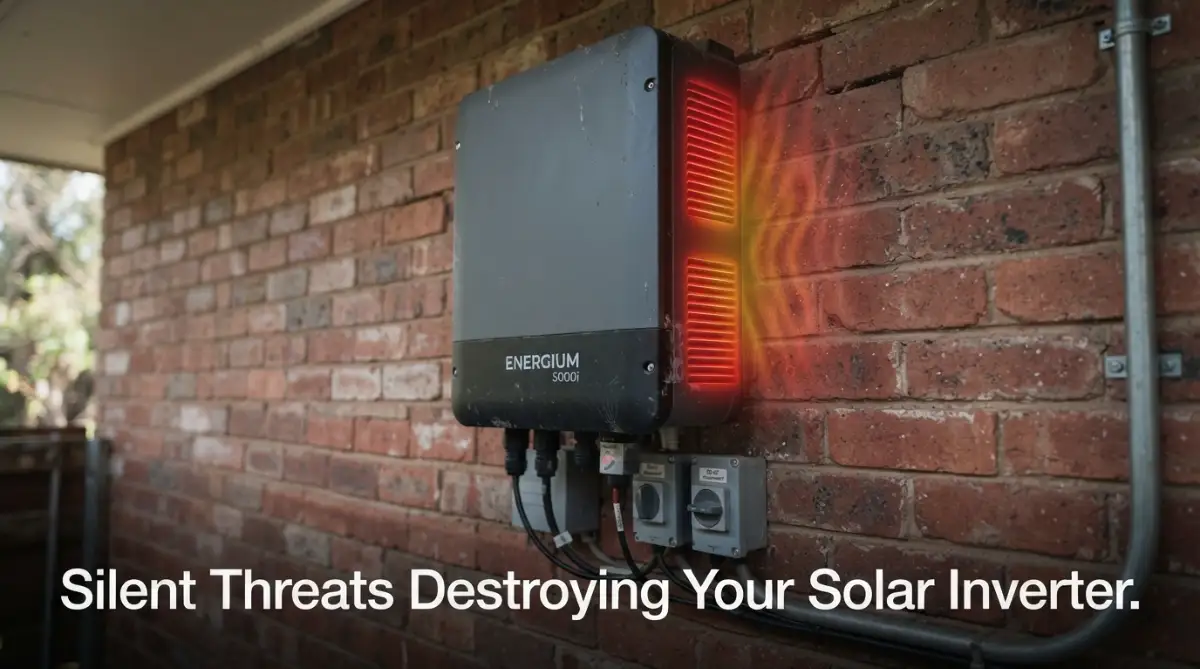
However, this central machine is actually a highly complex computer. It is constantly working incredibly hard to transform raw, unstable sunshine into smooth, usable electricity for your television and refrigerator. This heavy lifting creates intense internal stress that you cannot easily see from the outside.
Quick Look: Solar Maintenance Myths vs. Facts
- Myth: You can install the power unit anywhere as long as it stays dry.
- Fact: Airflow is just as important as keeping it dry. Cramped spaces will slowly cook the internal boards.
- Myth: Once installed, you never need to touch or check the system.
- Fact: A simple 2-minute visual check every month can catch tiny issues before they become $2,000 problems.
The Heat Trap: When Your System Cannot Breathe
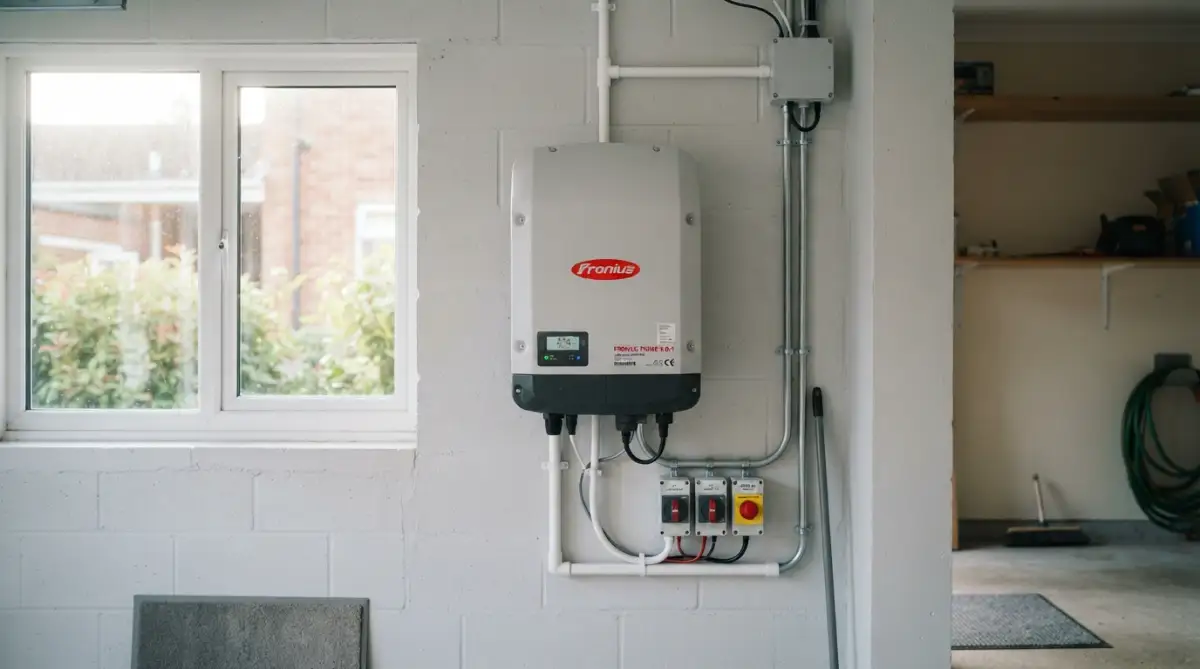
The single biggest enemy of any electronic device is unmanaged heat. Every time your system converts direct current into alternating current, it naturally generates a significant amount of heat energy. If this heat cannot escape quickly, it becomes trapped inside the sealed outer casing.
When the internal temperature rises above safe limits, the sensitive electrolytic capacitors inside begin to dry out and degrade. These capacitors are basically tiny energy storage tanks that help smooth out the electrical flow. Once they start taking heat damage, their capacity drops significantly.
To survive the heat, the machine will often initiate a process called thermal derating. This simply means it will automatically reduce its own power output to try and cool down. You might notice your daily energy savings dropping, but you probably will not realize that your unit is actively trying to save its own life.
If you are still unsure how much breathing room your equipment really needs, this quick breakdown will completely change how you mount your next unit.
The Danger of Direct Sunlight and UV Damage
Many installers take the easy way out and mount the main unit right next to the outdoor electrical meter. While this saves them a bit of extra wiring, it often leaves your sensitive equipment exposed to direct afternoon sunlight. This is a massive mistake that can cut the machine's life expectancy in half.
The intense ultraviolet rays from the sun do not just bake the internal electronics. They also slowly destroy the digital display screen on the front panel. After a few months of direct sun exposure, the plastic screen can become cloudy, cracked, and completely unreadable.
If you absolutely must install the machine outdoors, you have to build a protective shade cover for it. A simple wooden or metal awning can block the direct rays while still allowing plenty of fresh air to circulate around the cooling fins. It is a very cheap afternoon DIY project that will easily save you thousands of dollars down the road.
Grid Rollercoasters and Unseen Power Spikes
Most people assume that their local power grid supplies a steady, calm stream of electricity. The terrifying truth is that grid voltage is actually bouncing up and down wildly all day long. When large factories nearby turn on their heavy machinery, or when a neighborhood transformer malfunctions, a massive invisible spike of voltage can shoot directly into your home.
Your conversion unit is the very first line of defense against these violent surges. It tries to absorb the shock to protect the rest of your house. But repeated beatings from these random grid spikes will quickly weaken the internal safety relays.
I used to think my inverter could handle any random power spike the neighborhood grid threw at it. I learned the hard way that spending a little extra on a dedicated surge protector board would have saved me a massive repair bill. It is much better to let a cheap, replaceable fuse take the hit rather than your main processing unit.
Myth vs. Reality: Pushing the Limits
There is a very common belief in the solar community that you should heavily oversize your roof panels. The idea is that connecting a huge amount of solar panels to a smaller conversion unit will help you generate more power on cloudy days. While this strategy can slightly boost your winter production, it is incredibly dangerous if done incorrectly.
The Myth: Packing 30% more solar capacity than your inverter can handle is totally safe because the machine will simply block the extra power.
The Reality: While modern units can legally block or "clip" excess energy, doing this every single day puts extreme stress on the internal tracking components.
When the bright midday sun hits an oversized panel array, it sends a massive wave of raw power down the wires. Your unit has to work frantically to reject all that extra energy, turning the rejected power into even more internal heat. It is exactly like driving a small car at maximum highway speeds all day long. The engine might survive for a while, but it will definitely break down much faster than a car driven at a normal, relaxed pace.
The Unseen Invaders: Dust, Moisture, and Pests
You would be amazed at how many system failures are caused by tiny bugs and common household dust. Most modern units are built to be highly water-resistant, but they still have tiny ventilation gaps to allow airflow. These small gaps are an open invitation for local wildlife.
In cooler weather, spiders, ants, and small geckos love to crawl inside the warm casing. They set up nests right on top of the main circuit boards. When one of these creatures accidentally touches two live electrical pins at the same time, it creates an instant micro-short circuit.
I have seen countless expensive motherboards completely destroyed by a single tiny lizard. You must regularly inspect the area around your equipment for spider webs, ant trails, and other signs of unwanted guests. Wiping down the outer casing with a dry cloth every few weeks will also stop heavy dust from clogging the external cooling fins.
A Quick Action Plan for Everyday Homeowners
You do not need an advanced engineering degree to keep your system running perfectly. You just need to build a few simple, common-sense habits into your regular home maintenance routine. Taking action today is much cheaper than waiting for a complete system breakdown tomorrow.
The key to a long-lasting energy system is simply treating it with respect. If you notice that your unit is making a louder buzzing noise than usual, do not ignore it. That loud hum is often a clear warning sign that the cooling fans are struggling or the internal components are loose.
Pay close attention to the small warning lights on the front panel. If you see a flashing red or orange light, grab your instruction manual right away. Most people just reset the machine and hope the error goes away. But resetting does not fix the root cause of the problem. It just forces the machine to keep running while it is actively injured.
Make it a habit to check the digital production numbers on your smartphone app at least once a week. If you notice a sudden, unexplained drop in your daily energy harvesting, it is time to investigate. Catching a small ventilation issue or a loose wire early can easily extend the life of your equipment by five to seven extra years.Expert-Level Secrets to Outsmart System Failures
Most people completely ignore the software side of their home energy setup. They assume that a heavy metal box on the wall only deals with hardware and raw electricity. However, your modern energy conversion unit is basically a highly intelligent computer.
Just like your smartphone, this machine runs on complex internal coding to manage heavy workloads. Manufacturers frequently release hidden firmware updates to fix bugs and improve cooling efficiency. If you are running an outdated software version, your system might be working much harder than it actually needs to.
My 3-Step Firmware Update Routine:
- Open your brand's official smartphone app (like SolarEdge, Enphase, or SMA).
- Go straight to the "Settings" or "System Status" tab.
- Look for a small badge saying "Update Available." Tap it, let it run for 5 minutes, and enjoy a smoother, cooler running system!
You should regularly check your manufacturer's smartphone app to see if an update is available. Pushing a simple digital update can dramatically improve how the machine manages daily heat cycles. For a deeper understanding of how software manages your grid connection, you can read more about advanced solar system management directly from energy experts.
The Hidden Danger of "Dirty Power"
We rarely think about the quality of the electricity bouncing around inside our house walls. Not all electricity is smooth and clean. Cheap household appliances can actually create a massive amount of electrical noise or "harmonic distortion."
When you plug in low-quality LED dimmers or heavy power tools, they send chaotic electrical feedback straight back into your main power hub. Your main processing unit has to work overtime to filter out this messy electrical noise. It is surprisingly similar to maintaining a complex hybrid engine, where smooth operating conditions are strictly required for long-term survival.
To protect your sensitive equipment, always try to buy high-quality, certified household appliances. Avoid running heavy industrial tools on the exact same electrical circuit as your main energy hub. Keeping your internal home grid calm and stable will easily add extra years to your central equipment.
The Pet Hair and Dust Bunny Trap
If your system is installed inside a garage, it is fighting a silent daily battle against airborne debris. Every time you open your car doors or sweep the floor, millions of tiny dust particles float directly toward the cooling fans. If you have dogs or cats, loose pet hair floating in the air makes this problem ten times worse.
These cooling fans act exactly like a vacuum cleaner over several months. They suck in the pet hair, which immediately gets trapped deep inside the delicate metal cooling fins. A thick blanket of pet hair acts just like a warm winter sweater, trapping massive amounts of internal heat.
I strongly recommend buying a simple can of compressed air from your local hardware store. Once every two months, gently blow out the external cooling vents to dislodge any hidden dirt. For comprehensive safety standards, you can easily review the official guidelines for residential solar maintenance provided by industry professionals.
Smart Load Scheduling for Afternoon Relief
Your equipment faces its most stressful moments during the peak afternoon hours. The sun is blasting at maximum intensity, sending a massive wave of raw power down from the roof. If you turn on your air conditioner, electric oven, and pool pump all at the same time, you are demanding maximum output from a machine that is already fighting extreme heat.
Instead of demanding everything at once, try spacing out your heavy electrical chores. Run your washing machine in the early morning when the equipment is still nice and cool. Shift your heavy cooking or dishwashing routines to the late afternoon when the sun starts going down.
Taking the pressure off your machine during peak sunlight hours prevents extreme thermal spikes inside the main circuit board. Much like protecting your EV battery from rapid charging stress, gentle energy management keeps the internal electronics happy and healthy.
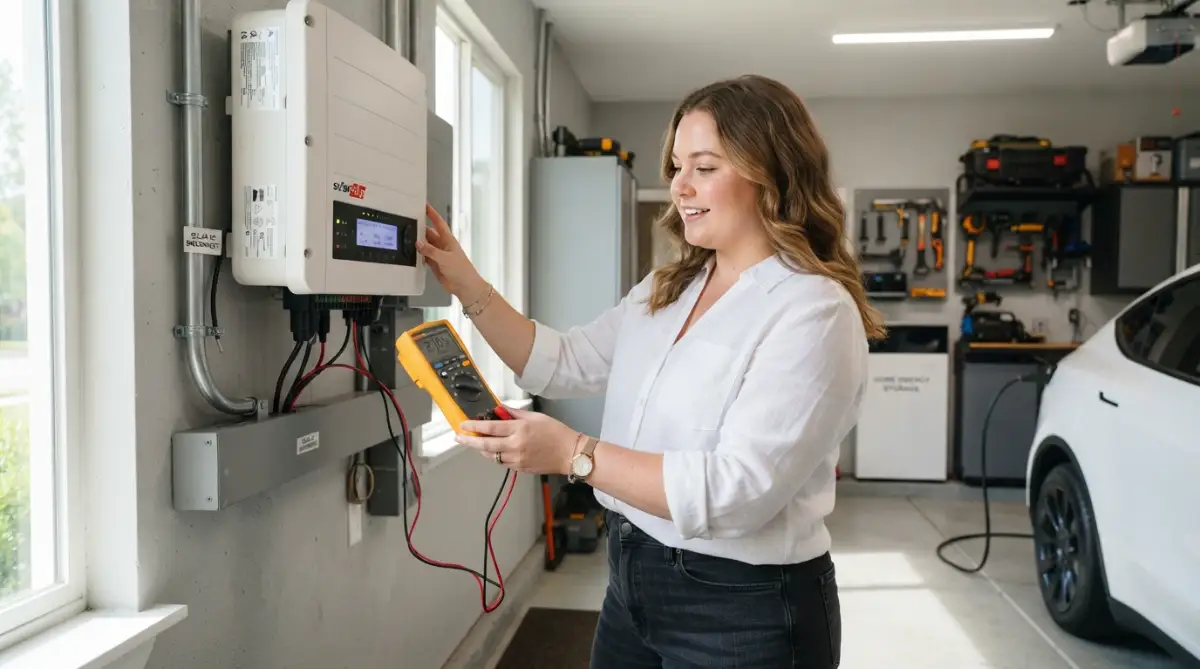
The Heartbreaking Blunders Costing Homeowners Thousands
It always hurts to see a perfectly good energy setup destroyed by a completely avoidable human error. We often make innocent mistakes because nobody ever sat us down and explained the basic rules of ownership. These simple daily blunders are quietly burning up thousands of dollars in replacement costs.
Let us break down the worst possible habits you might be doing right now. Recognizing these bad behaviors today will save you from a massive financial headache tomorrow.
The Garage Clutter Catastrophe
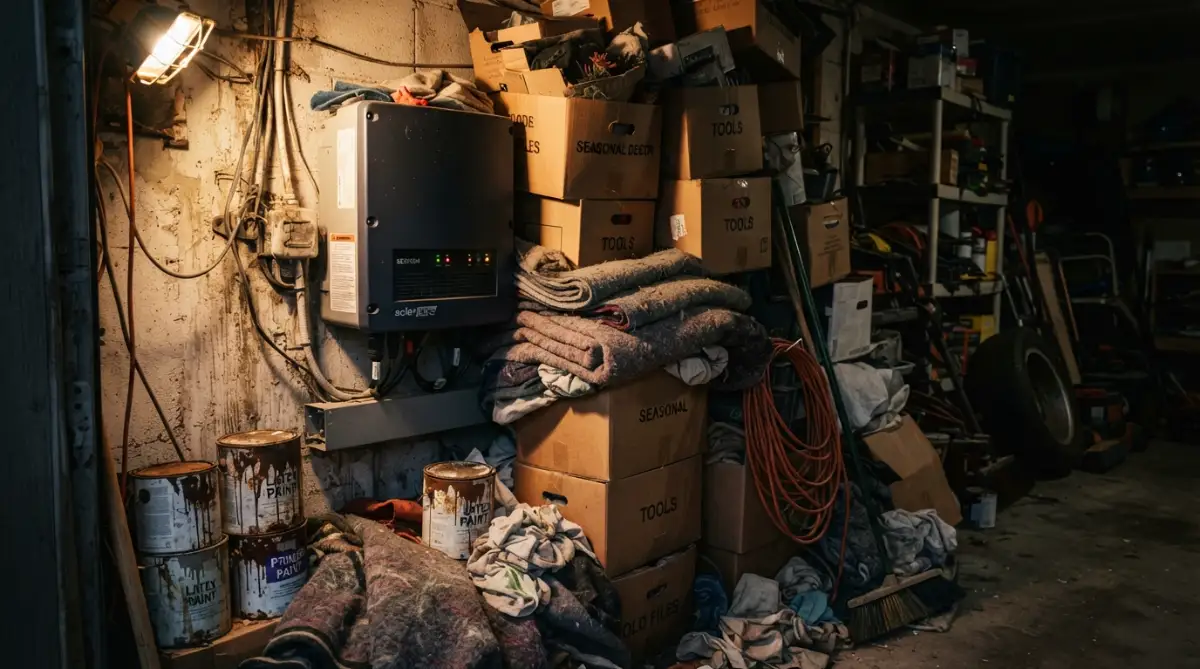
We all have a bad habit of using our garage as a massive storage unit for random junk. It usually starts with just one empty cardboard box pushed up against the wall. Before you know it, you have stacked old paint cans, winter coats, and spare tires directly underneath your sensitive power equipment.
This is arguably the most common and dangerous mistake a homeowner can make. Stacking items near the unit completely destroys the natural airflow needed to keep the machine cool. Worse still, if a small electrical spark ever occurs, those dry cardboard boxes create an immediate and terrifying fire hazard.
I once saw a family lose their entire setup simply because they stacked heavy winter blankets over the external battery case. If you cause a fire through clear personal negligence, you will definitely face an uphill battle when filing a property damage claim with your insurance company. Always maintain a strict three-foot zone of completely empty space around your equipment.
The High-Pressure Washing Disaster
Spring cleaning is a wonderful tradition, but it can quickly become a deadly event for outdoor electronics. Some homeowners decide to wash the side of their house using a high-pressure water hose. They casually spray right over the main power box, assuming the plastic casing is completely waterproof.
While outdoor units are designed to handle heavy rain, they are absolutely not built to survive pressurized water jets. A high-pressure hose will force microscopic water drops straight through the rubber weather seals. Once that moisture gets trapped inside the warm casing, it creates a highly destructive green corrosion on the main motherboard.
Never use a water hose to clean your outdoor energy equipment. A dry microfiber cloth is the only tool you will ever need to wipe away surface dirt. If you want to learn more about how severe weather impacts these electronics, you can look into the latest research on photovoltaic reliability published by national laboratories.
Ignoring the Silent Roof Issues
Sometimes the problem tearing up your processing unit actually originates right above your head. The equipment on your wall is directly connected to the heavy panels sitting up on your roof. If a rooftop cable becomes loose during a bad wind storm, it creates a wildly unstable electrical connection.
This unstable connection sends dangerous, unpredictable voltage spikes directly down the wires into your central hub. The machine will constantly turn itself off and on again, trying to protect your house from the weird power fluctuations. This aggressive starting and stopping will quickly wear out the internal magnetic switches.
You should always have a certified professional inspect your roof connections after a severe storm. Fixing a cheap rooftop wire today is much better than replacing a totally fried machine next month. Remember that neglecting the roof is one of the biggest factors reducing your solar panel efficiency overall.
The "Vacation Shutdown" Trap
When families go on a long summer vacation, they often try to save money by turning off everything in the house. Some people mistakenly pull the main heavy disconnect switch on their solar equipment before heading to the airport. They think giving the machine a long rest is a smart and responsible choice.
Shutting down the central processing unit while the sun is still blasting the roof panels is a terrible idea. The roof panels are still actively generating massive amounts of raw electricity, but now that energy has absolutely nowhere to go. This creates intense static pressure inside the disconnected cables, which can damage the sensitive input terminals.
Unless a severe hurricane or flood is approaching, you should always leave your system completely turned on while you travel. It is heavily programmed to manage itself and smoothly feed excess power back into the neighborhood grid. Turning it off completely simply creates an unnatural shock to the entire electrical ecosystem.
Your Action Plan for Uninterrupted Power
You now hold the exact knowledge needed to keep your home energy system running flawlessly for years to come. Maintaining this expensive equipment does not require heavy tools, complicated math, or a professional engineering license. It simply requires a tiny bit of daily awareness and a lot of common sense.
By managing your heavy appliance usage, keeping the cooling vents clear, and protecting the unit from direct sunlight, you are instantly ahead of most homeowners. You are taking active, powerful steps to protect your hard-earned financial investment. Every small positive habit you build today directly translates to cheaper electricity bills tomorrow.
I completely changed how I care for my home electronics, and the results have been incredibly rewarding. My system runs completely silent now, and I never have to stress about random power failures ruining my day. I strongly encourage you to walk out to your garage right now, clear away the clutter, and give your equipment the breathing room it truly deserves.
Common Questions About Protecting Your Energy Hub
How long should this equipment actually last?
Most standard units are designed to last around a decade before needing major repairs. However, if you keep them cool, shaded, and free of dust, they can easily push past their expected expiration dates. Good daily habits directly equal extra years of life.
Can I open the main box to clean the dust inside?
You should absolutely never open the main metal or plastic casing yourself. The internal capacitors hold enough raw electricity to cause severe injury, even when the machine is turned off. Always hire a certified technician if you believe the inside needs deep cleaning.
Why is my unit making a loud clicking noise early in the morning?
That morning clicking noise is completely normal and nothing to worry about. It is simply the internal magnetic switches waking up and connecting to the local grid as the sun begins to rise. You will usually hear this exact same clicking sound when the sun sets in the evening.
Does turning my Wi-Fi off affect how the machine works?
Losing your home internet connection will not stop the machine from generating clean electricity for your house. However, it will stop sending daily performance data to your smartphone tracking app. It is always best to keep it connected so you can quickly spot hidden performance drops.
What should I do right after a massive lightning storm?
Once the heavy storm has safely passed, check your main smartphone app for any bright red warning alerts. Walk outside and visually inspect the equipment to ensure the protective screen is still completely blank and normal. If you smell burning plastic, turn off the main breaker immediately and call a professional.
Disclaimer: The information provided in this blog post is for general educational and informational purposes only. It should not be considered professional electrical or financial advice. Always consult with a licensed, certified solar technician or electrician before attempting any maintenance, repairs, or physical inspections on your home energy system. We are not responsible for any damage or injury resulting from the application of these concepts.