My Shocking First Month with Solar Panels (And Why You Might Feel Betrayed)
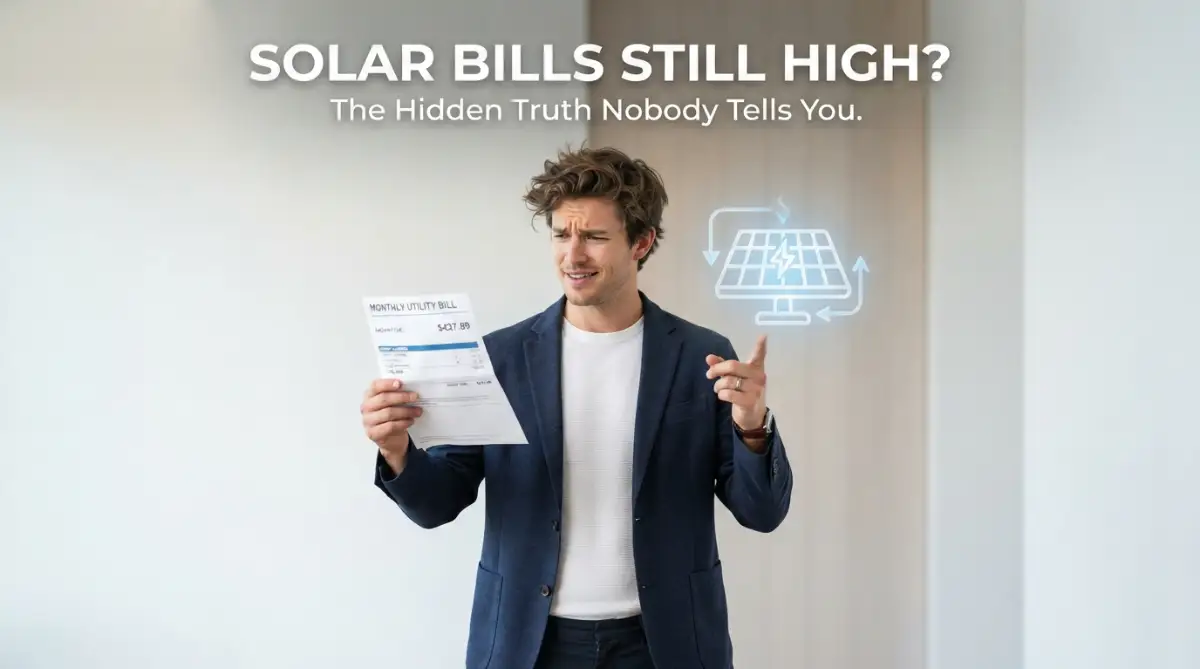
I ripped open that envelope expecting a big, fat $0 at the bottom. Instead, the number staring back at me made me sick to my stomach. I had just dropped a small fortune on solar panels, so why was my power company still treating me like their personal ATM? If you are staring at a massive utility bill right now and feeling completely scammed, take a deep breath. You are not crazy, and your system is probably working just fine. Let me show you what is actually draining your wallet and how to fix it today.
Instead, the paper in my hands showed a number that made my jaw drop. I felt completely betrayed by the sales pitch I had heard. I thought to myself, "Did I just get scammed, or is my system broken?"
This exact feeling of frustration is something thousands of new solar owners experience every single month. You do everything right, make the green choice, and still end up paying the power company a massive chunk of money. It feels incredibly unfair and stressful.
I know exactly how much this hurts because I walked in those exact same shoes. But after making endless phone calls to my utility company and doing my own deep research, I finally found the hidden truths. I want to share exactly what is happening to your money and how you can stop the bleeding today.
Inside This Guide (Your Quick Fixes):
- The Net Metering Trap: Why selling power to the grid during the day and buying it at night is costing you money.
- Vampire Energy: How your TV and microwave slowly eat your solar credits while you sleep.
- The Timing Trick: Why shifting your laundry and dishwashing to high-noon can instantly lower your next bill.
- Smart Thermostat Hacks: How to pre-cool your home for free before expensive peak hours start.
The Invisible Leaks Draining Your Wallet
When you first install solar panels, it is easy to assume you are completely disconnected from the grid. Most people think their home is now a self-sustaining power island. But unless you spent a massive fortune on a giant battery bank, you are still heavily connected to the utility company.
This connection is exactly where the financial bleeding usually starts. You are still buying power, but you just do not realize when or how it is happening. Understanding this daily cycle is the very first key to getting your money back.
Myth vs. Reality: The Daytime Illusion
Let's look at one of the biggest misunderstandings in the entire solar industry. This simple confusion costs homeowners hundreds of dollars every single month.
The Common Myth: My panels make power all day, so my house runs for free 24/7.
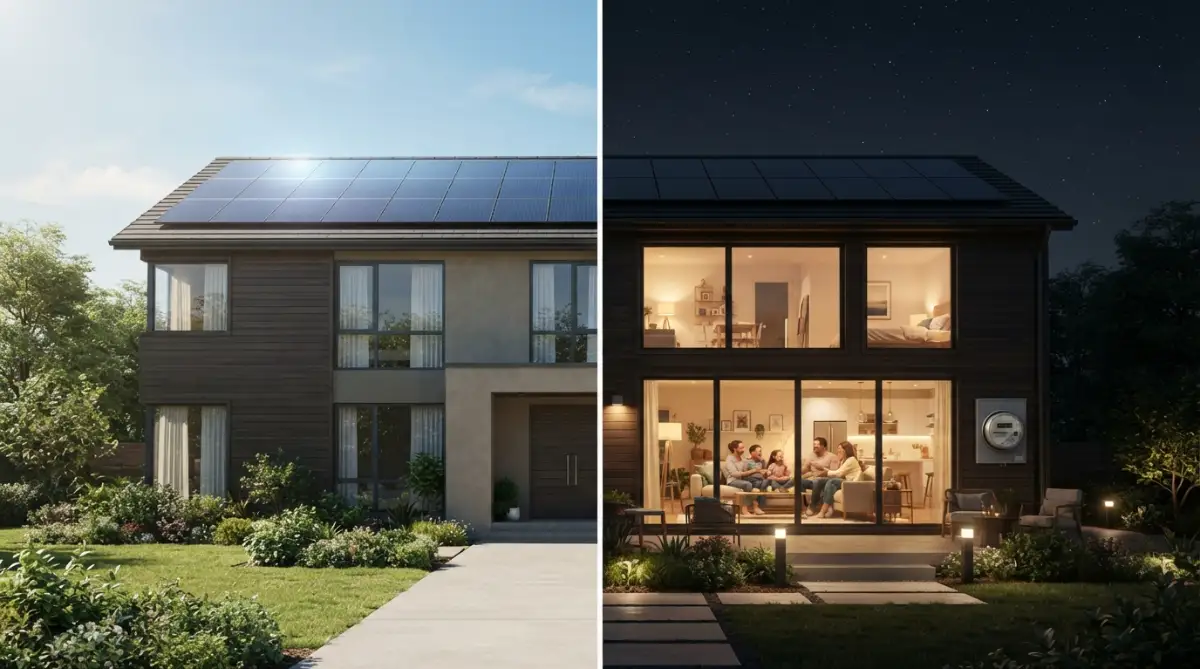
The Actual Reality: Your panels only power your home directly when the sun is physically shining on them. Once the sun goes down, your house goes right back to buying expensive power from the street.
Quick Look: The Solar Math That Tricks Us
Let's break down a very normal day for a solar owner:
- 12:00 PM (High Sun): You make 5kW of power, but only use 1kW. The grid takes your extra 4kW for pennies.
- 7:00 PM (No Sun): You make 0kW of power, but use 4kW to cook and cool the house. You buy this power from the grid at premium evening prices.
- See the problem? You are selling cheap and buying high.
If your family uses most of their electricity in the evening, you are missing out on your own solar energy. The beautiful sunshine energy you made at noon is not helping you cook dinner at 8 PM.
Understanding the "Net Metering" Trap
When your panels make extra power during the day, it flows backward into the grid. Your utility company gives you credits for this extra power, which is called net metering. It sounds like a perfect trade, but the rules are usually stacked against you.
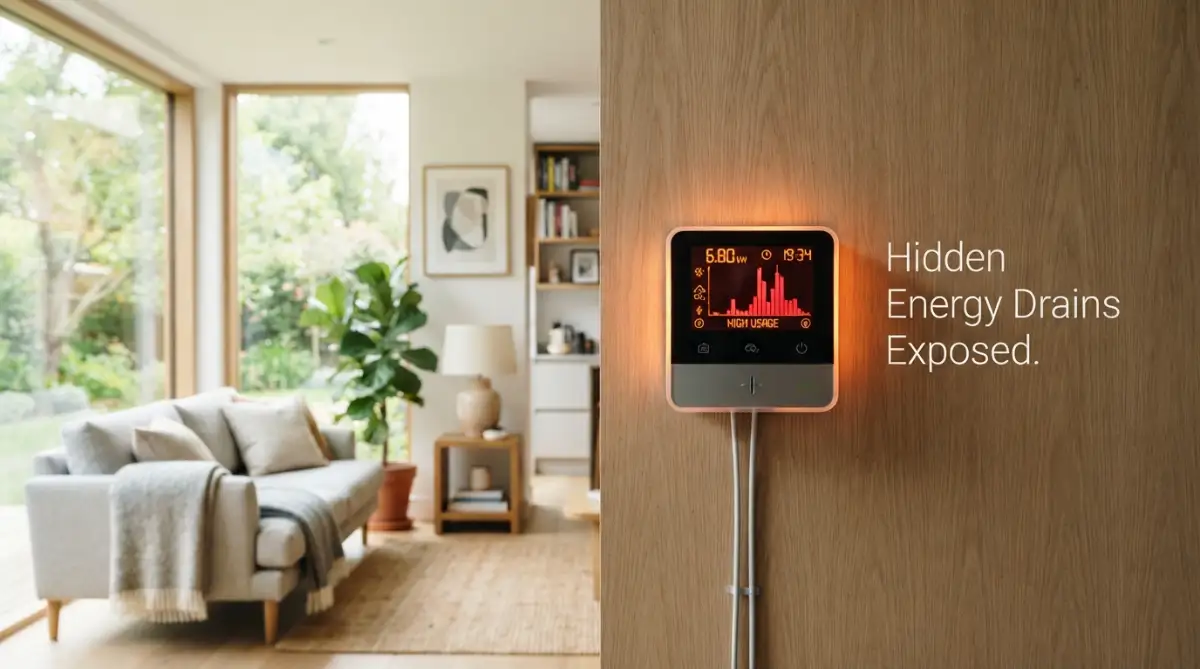
Many power companies do not give you a fair one-to-one trade for your electricity. They might pay you pennies for the power you send them at noon. But when you buy power back from them at night, they charge you a massive premium.
This unequal exchange rate eats away at your expected savings very fast. You could send them 20 units of power and buy back 20 units, but still owe them a lot of money. It is like selling a diamond for the price of a pebble and then buying it back at full retail price.
The Peak Hour Penalty
Most utility companies use something called Time-of-Use (TOU) billing rates. This means electricity costs different amounts depending on what time the clock shows. They charge the highest prices exactly when most families get home from work and school.
Did you know that running your dryer at 6 PM could cost three times more than running it at 11 AM? Your solar panels are usually winding down just as these expensive peak hours begin.
If you come home at 5 PM, turn on the air conditioner, start the oven, and run the dishwasher, you are buying the most expensive grid power available. Your solar panels are quietly resting while your meter spins out of control.
This amazing video breaks down exactly how Time-of-Use rates secretly steal your solar savings. Watch it now before you run your next load of laundry!
My 3-Step "Beat The Peak" Strategy:
I tested this out last summer, and it knocked $60 off my bill in a single month:
- Pre-chill your house: I drop my thermostat to 68°F at 2 PM when my panels are maxed out.
- The 4 PM cutoff: I push the thermostat back up to 74°F right before the expensive evening rates kick in.
- Appliance lockdown: I never touch the dishwasher or washing machine between 4 PM and 9 PM.
How Phantom Energy Slowly Eats Your Credits
There is a silent energy thief hiding inside your home right now. We call them vampire appliances or phantom loads. These are the devices that constantly pull power even when they are turned off.
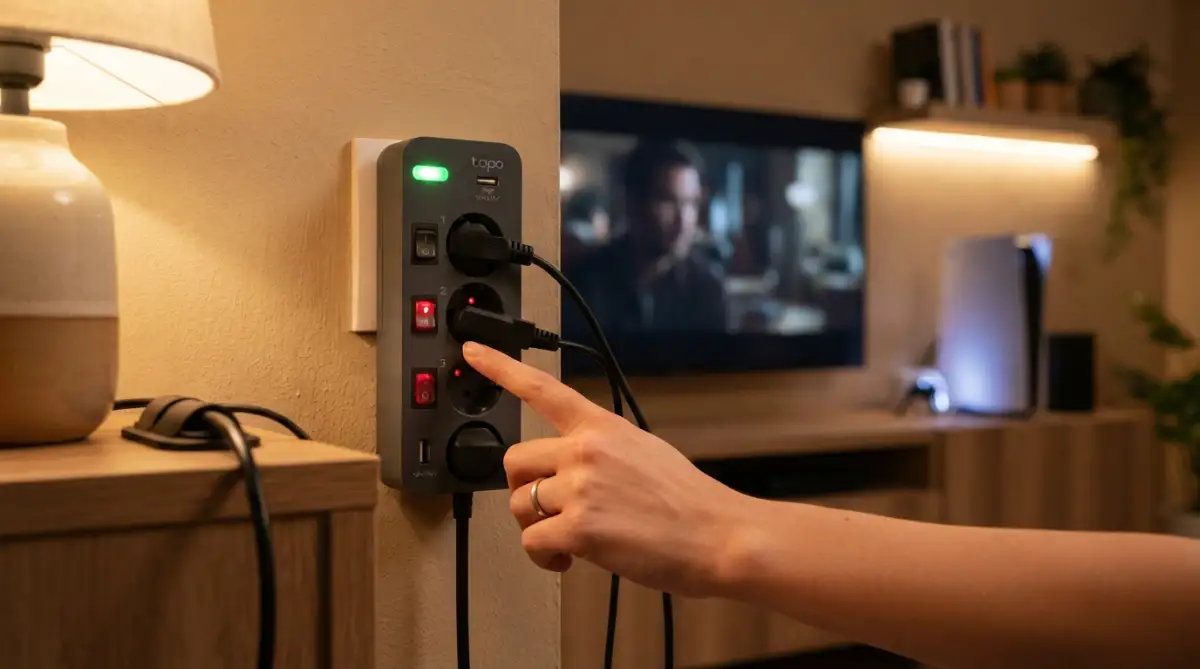
Your television, gaming consoles, microwave, and smart home hubs never truly sleep. They sit there drinking tiny sips of electricity 24 hours a day. While it seems small, this constant drain adds up to a massive amount over a full month.
During the night, these vampire devices are drinking expensive grid power. They are slowly eating away at the solar credits you worked so hard to build up during the daytime. You are literally paying for power that you are not actively using.
I remember finding out my old living room entertainment center was drawing 40 watts of power while completely shut off. My realization was painful, but fixing it was incredibly easy. I just plugged everything into a cheap smart power strip that cuts the power completely when I go to bed.
The Science of Home Inefficiency
Your house itself might be the real reason your bills refuse to go down. You can put the biggest, most expensive solar system on a bad house, and it will still struggle. Think of your home as a bucket, and the electricity is the water.
If your bucket has massive holes in it, no amount of water will ever keep it full. Bad insulation, old windows, and drafty doors are the holes in your house. Your heating and cooling system has to work twice as hard to keep you comfortable.
The Heavy Burden of Old HVAC Systems
Your heating and air conditioning unit uses more power than anything else in your home. If your system is old or badly maintained, it will completely overwhelm your solar production. It pulls massive spikes of electricity every time it turns on.
When your AC kicks on at night during those expensive peak hours, your solar savings vanish. The system runs longer and harder because it is fighting against a poorly insulated house. You are essentially trying to cool down the outside neighborhood.
Here is a simple look at how a badly insulated home compares to an efficient one during a hot summer day:
By simply changing when you cool your house, you change the entire financial game. Pre-cooling your home while the sun is shining uses your free solar energy. When the expensive evening hours hit, your home is already comfortably cold.
Is Your Solar System Actually Too Small?
Sometimes the hard truth is that your solar setup is simply not big enough for your modern life. When you bought the system, the sales team looked at your old energy bills. They built a system designed to cover your past habits, not your future needs.
Since getting solar, did you buy an electric vehicle and start charging it in the garage? Did you add a new hot tub in the backyard or start working from home every day? Every new lifestyle change increases the amount of power you need to survive.
Many homeowners unconsciously start using more power because they feel protected by their panels. They leave the lights on longer and run the air conditioning colder. This psychological shift is completely natural, but it destroys your original energy calculations.
If your daily power needs have grown by 30%, your panels are now falling behind every single day. The utility company is more than happy to sell you the difference at a premium price.
Practical Steps to Stop the Financial Bleeding
Now that we know exactly where the money is going, it is time to fight back. You do not need to spend thousands of dollars to fix these common issues. A few strategic changes in your daily habits will force your energy bill back down where it belongs.
Shift Your Heavy Chores to the Sunshine Hours
The most powerful weapon you have is the timing of your daily chores. You need to start matching your heavy power usage with the bright midday sun. If the sun is shining directly on your roof, that is your golden window of free energy.
Start running your dishwasher right after lunch instead of right before bed. Move your laundry schedule to Saturday morning when the panels are producing their maximum output. If you have a pool pump, set the timer to only run during peak sunlight hours.
By shifting these heavy loads to the middle of the day, you stop selling power to the utility company for cheap. You are consuming your own energy directly from the source. This single habit change can cut your grid reliance by a massive amount.
Take Control of Your Thermostat
Your thermostat is the steering wheel of your home's energy consumption. Stop letting it blindly guide you into expensive peak-hour pricing. Invest in a good smart thermostat that allows you to set specific schedules based on your utility company's rules.
Program the system to cool or heat your house aggressively between 10 AM and 3 PM. Let the solar panels do all the heavy lifting while the power is free. When 5 PM arrives, program the thermostat to relax slightly so it does not pull expensive grid power.
Your house will hold the temperature nicely through the evening if your doors and windows are closed. You will stay perfectly comfortable while watching your neighbors pay triple the price for their comfort.
Hunt Down the Phantom Drains
Take one hour this weekend to walk through your house and find the vampire devices. Look for anything that has a glowing light or a digital clock that you rarely use. The spare television in the guest room does not need to be plugged in all year round.
Buy a few smart plugs or power strips with physical switches. Group your entertainment center devices together on one strip. When you turn off the television for the night, click the power strip off to kill the phantom drain completely.
Get a Professional Energy Audit
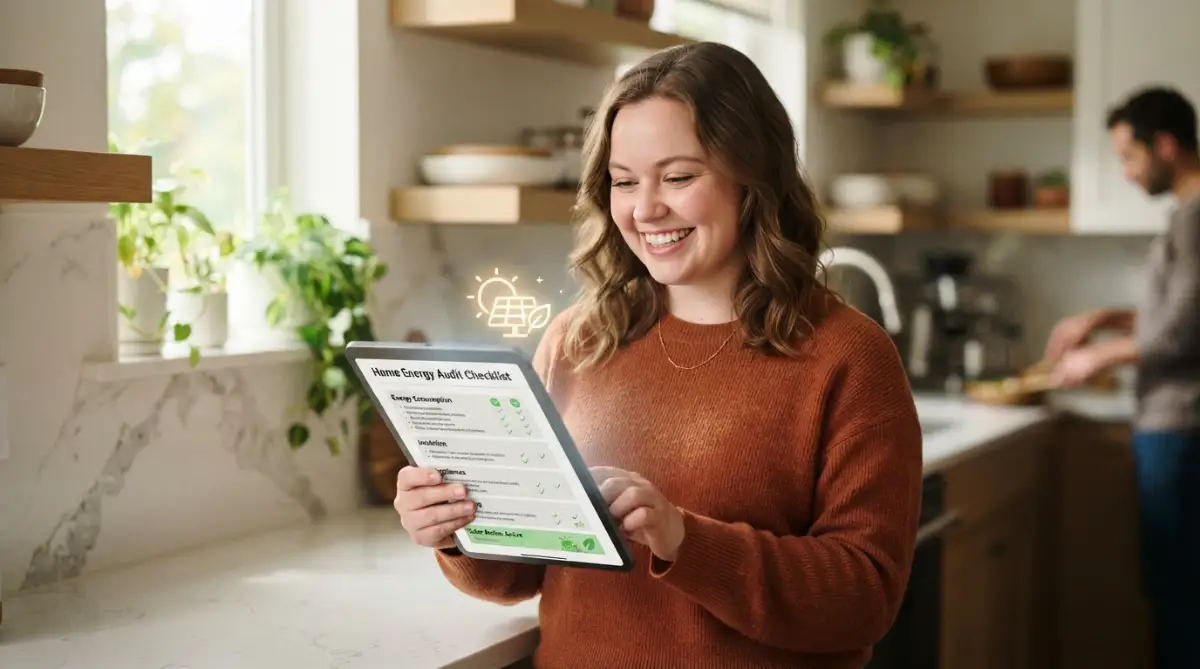
If you change your habits and the bill is still high, it is time to look at the house itself. Many utility companies offer free or deeply discounted home energy audits. A professional will come to your house with special cameras to find exactly where you are losing energy.
They will check your attic insulation, test your window seals, and inspect your ductwork. Finding a massive air leak in your attic is like finding a gold mine. Sealing that one leak could drop your energy needs enough to make your solar panels effective again.
Consider Adding Battery Storage
If you live in an area with terrible net metering rules, a home battery might be your best final defense. A battery catches all the extra sunshine your panels make during the day. Instead of giving it to the utility company for cheap, you store it in your garage.
When the sun goes down and peak pricing begins, your house switches over to the battery. You completely ignore the expensive utility rates because you are using your own stored sunshine. While batteries are a big investment, they are the ultimate shield against greedy power companies.
Do not let a high bill defeat you. Solar energy is still an amazing financial tool when you know how to play the game correctly. By making these smart adjustments, you can finally enjoy the massive savings you were promised on day one.Mastering Your Home's Energy Flow: Next-Level Strategies
Once you handle the basic habits of running your heavy appliances during the day, you are ready for the big leagues. Managing your own power production is a bit like managing a personal bank account. You need to know exactly when the deposits come in and when the withdrawals happen.
If you just let your house run on autopilot, the utility company will always find a way to charge you. To truly protect your wallet, we need to look at some advanced strategies that smart homeowners use. These are the secrets that solar sales representatives rarely explain during their glossy presentations.
Automate Your Savings with Smart Tech
You cannot physically stay at home all day to turn appliances on and off when the sun comes out. We all have busy lives, jobs, and families to manage. This is exactly where affordable smart home technology steps in to save your daily solar credits.
By upgrading your home with intelligent technology, you take the human error out of the equation. You can buy smart plugs and Wi-Fi-enabled timers for less than the cost of a good dinner. These tiny devices allow you to schedule your heavy power users perfectly around peak sunlight hours.
For example, if you are planning to add more appliances to your home, understanding how different devices drain power is incredibly helpful. You can set your electric water heater to only run heavily between noon and three in the afternoon. By the time you need a hot shower at night, the water is already heated using free sunshine.
Decode the Secret Language of Your Utility Bill
Most people just look at the final amount due on their bill and immediately feel stressed. To win this game, you have to look closely at how the utility company breaks down those charges. You will usually see two completely different categories: generation charges and delivery charges.
Your solar panels only help you offset the generation side of the bill. Even if you make enough power to cover your entire life, the utility company still charges you a delivery fee just for being connected to their poles and wires. Understanding this exact breakdown stops the monthly panic attacks.
Sometimes, high bills happen because your equipment is quietly malfunctioning behind the scenes. If your system is suddenly producing way less power, you might be facing silent issues destroying your solar output without even knowing it. Checking your solar monitoring app weekly is the only way to catch these silent hardware failures early.
The Weather Dependency Factor
We often forget that solar energy is a wildly unpredictable natural resource. A completely clear day in summer will give you massive amounts of power to run your air conditioner. However, a string of cloudy days in the winter completely changes the financial math of your home.
During heavy rain or dark winter months, your panels might only produce a fraction of their normal power. If you continue using electricity exactly the same way you do in the summer, you will accidentally buy massive amounts of expensive grid power. You have to adjust your living habits based on what the sky is doing outside.
Following basic national renewable energy guidelines helps you understand seasonal production drops. When the forecast shows three days of heavy clouds, you need to tighten up your power usage immediately. Skip the heavy laundry loads, turn off unused lights, and wait for the sun to return.
The Dangerous Pitfalls That Keep You Paying Utility Giants
Fixing a high energy bill is not just about doing the right things. It is equally about stopping the destructive habits that quietly ruin your solar investment. Many homeowners fall into the exact same traps because nobody warned them what to expect after the installation crew left.
These common mistakes will drain your bank account month after month if you ignore them. Let's look at the hidden dangers that might be happening in your home right now.
The "Set It and Forget It" Trap
The absolute biggest danger for new solar owners is a false sense of extreme security. Because you have shiny new panels on your roof, you suddenly stop caring about turning off the lights. You start running the air conditioning at freezing temperatures because you assume the power is completely free.
This careless behavior creates a massive spike in your overall power needs. Your solar panels were designed for your old lifestyle, not this new wasteful behavior. Before you know it, you are buying hundreds of extra kilowatt-hours from the street just to support your new habits.
If you are upgrading to energy-efficient appliances, it helps balance things out, but you still need discipline. You cannot out-solar a bad habit. Treating your electricity with respect is the only way to keep your bill at zero.
Ignoring Basic Hardware Maintenance
Your solar panels live outside in a harsh environment 365 days a year. They get covered in dust, pollen, bird droppings, and industrial pollution. Many homeowners think the rain will naturally wash them clean, but that is simply not true.
A thick layer of dirt can easily block sunlight and reduce your system's power output by an incredibly large amount. You are literally letting free money sit trapped under a layer of dust. If you live near a busy highway or in a dry area, the problem happens much faster.
Also, the brains of your system need regular checkups to survive long-term. Many people never bother looking into preventing an unexpected solar inverter failure until their entire system goes completely dead. A dead inverter means you are buying 100% of your power from the grid while your panels do absolutely nothing.
The Electric Vehicle Charging Disaster
Buying an electric car is a fantastic way to go green and save money on gas. But the moment you plug that massive battery into your garage wall, your home's power needs double overnight. If you plug the car in right when you get home from work, you are committing a massive financial mistake.
Evening hours are when grid power is at its absolute highest price. Your solar panels are already asleep, and your car is drinking electricity at premium rates. You could easily wipe out a whole week of solar credits in just one evening of bad charging habits.
If you are installing a home EV charger, you must set it up on a strict digital timer. Program your car to only accept a charge during the brightest part of the day, or deep in the middle of the night when utility rates are super cheap.
Misunderstanding True System Capacity
Salesmen want to close a deal, so they often promise you a system that covers "100% of your needs." But they base this promise on perfect weather conditions and ideal roof angles. Real life is rarely perfect, and trees grow taller every single season.
If a new tree branch starts casting a dark shadow across your roof every afternoon, your daily production drops. If you do not actively monitor these physical changes around your house, you will never understand why your bills are suddenly creeping up.
Before you make any massive changes, like planning a solar system upgrade, you should get a professional tree trimmer to evaluate your property. Sometimes, cutting back a single large branch will restore all your lost power instantly.
Always make sure you understand your legal rights regarding warranties and production guarantees. Reading up on consumer protection standards in the solar industry will help you hold your installation company accountable if they sold you a weak system.
Burning Questions About Stubbornly High Solar Bills
When homeowners get a shockingly bad bill, they naturally panic and start searching the internet for answers. I hear the same frustrated questions over and over again from people trying to figure out their new systems. Here are the clear, honest answers you need right now to understand your specific situation.
Do my solar panels run my house directly at night?
No, your solar panels completely stop producing electricity when the sun goes down. During the night, your home automatically pulls power directly from the regular utility grid. Unless you own a large home battery system to store your daytime power, you are always relying on the power company after dark.
Why is my delivery charge so high when I make my own power?
Utility companies spend billions maintaining the physical poles, wires, and transformers in your neighborhood. Even if you generate all your own electricity, they still charge you a mandatory delivery fee just to stay connected to their system. Think of it like a monthly subscription fee just for having access to their safety net.
Will adding more panels instantly solve my high bill?
Not necessarily, especially if your bad habits are the real cause of the problem. If you use all your heavy power at night during expensive peak pricing hours, extra daytime panels will not fix your timing issue. You must fix your energy consumption schedule first before you spend thousands on extra roof equipment.
Can I just disconnect from the grid entirely to stop paying?
Going completely off-grid is incredibly difficult, highly expensive, and illegal in many city limits. To survive without the grid, you would need a massive array of batteries and a backup gas generator for bad weather days. Staying connected to the grid is actually the smartest and safest option, as long as you learn how to manage your daily usage times.
How long does it usually take to see my utility bill drop?
If your system is properly sized and fully activated by the utility company, you should see a massive drop on your very next billing cycle. If two full months pass and your bill is still high, you either have a hardware failure or a massive hidden energy leak in your home. You need to call your installer immediately to run a digital diagnostic test.
Taking Back Your Power: The Road Ahead
You took a massive leap of faith when you decided to put solar panels on your roof. You wanted to protect the environment and shield your family from rising utility costs. Getting hit with an expensive bill after making such a big investment is incredibly frustrating, but it is not the end of your journey.
Now you have the knowledge to look past the sales pitches and see exactly how the energy game is actually played. You understand the sneaky nature of peak-hour pricing and the quiet drain of phantom energy loads. More importantly, you know exactly how to shift your daily chores to match the bright afternoon sun.
By taking control of your smart thermostat and stopping bad habits, you turn your home into an incredibly efficient machine. You no longer have to feel angry or confused when you open an envelope from the utility company. You hold the power to dictate exactly how much energy you buy and when you buy it.
I remember the exact moment my own utility bill finally dropped down to just the basic connection fee. It felt like I had successfully solved a massive puzzle that was stressing me out for months. I know you can get that exact same feeling of financial freedom if you apply these simple changes starting right now.
Disclaimer: The information provided in this blog post is for educational and informational purposes only. Home energy consumption, utility rates, and net metering policies vary significantly depending on your specific location and power provider. Always consult with a certified electrician or your local utility company before making major changes to your home's electrical systems or upgrading your solar equipment.