Why My Solar Dream Turned Into an Energy Bill Nightmare
So, you finally got those shiny new solar panels, expecting your power bill to magically drop to zero. Honestly, I thought the exact same thing—until my first post-solar electric bill arrived and practically gave me a heart attack. If you are sitting there wondering why your expensive roof setup is barely making a dent in your monthly expenses, you are not crazy, and you are definitely not alone. Let me show you exactly what is secretly eating up your energy production and how to fix it right now.
I thought I was completely done with high electricity costs and expected a bill close to zero. Instead, the paper in my hand showed an amount that made absolutely no sense. I was angry, confused, and honestly felt like I had been completely scammed by the installation company.
I spent days calling the customer service team, only to be told that my equipment was functioning perfectly fine. That is when I decided to take matters into my own hands and figure out what was really going wrong up on my roof.
What I discovered shocked me, and it completely changed how I look at renewable energy. I realized that my own daily habits and a few easily missed details were directly responsible for my system underperforming.
You see, solar panels are not exactly a "set it and forget it" kind of magic. Most homeowners, just like me, assume that as long as the sun is shining, the system is pumping out maximum power.
Instead, many of us end up constantly checking our energy apps with anxiety, wondering why the production numbers keep falling. The stress of not knowing where your money is going can easily ruin the joy of upgrading your home.
You start questioning your investment, worrying if you bought the wrong brand or if the installer did a terrible job. The continuous cycle of high expectations followed by disappointing energy bills creates a heavy mental burden.
What You Will Learn In This Guide:
- Why tiny shadows act like a total roadblock for your entire solar setup.
- The absolute worst cleaning mistakes that will instantly void your warranty.
- How to read your monitoring app to catch failing parts early.
- Simple daily habits that shift your power usage and save you a ton of money.
The Silent Energy Killers Lurking on Your Roof
Now that we understand the frustration, it is time to look at the actual causes behind this annoying problem. Most efficiency losses do not happen overnight from a massive system failure.
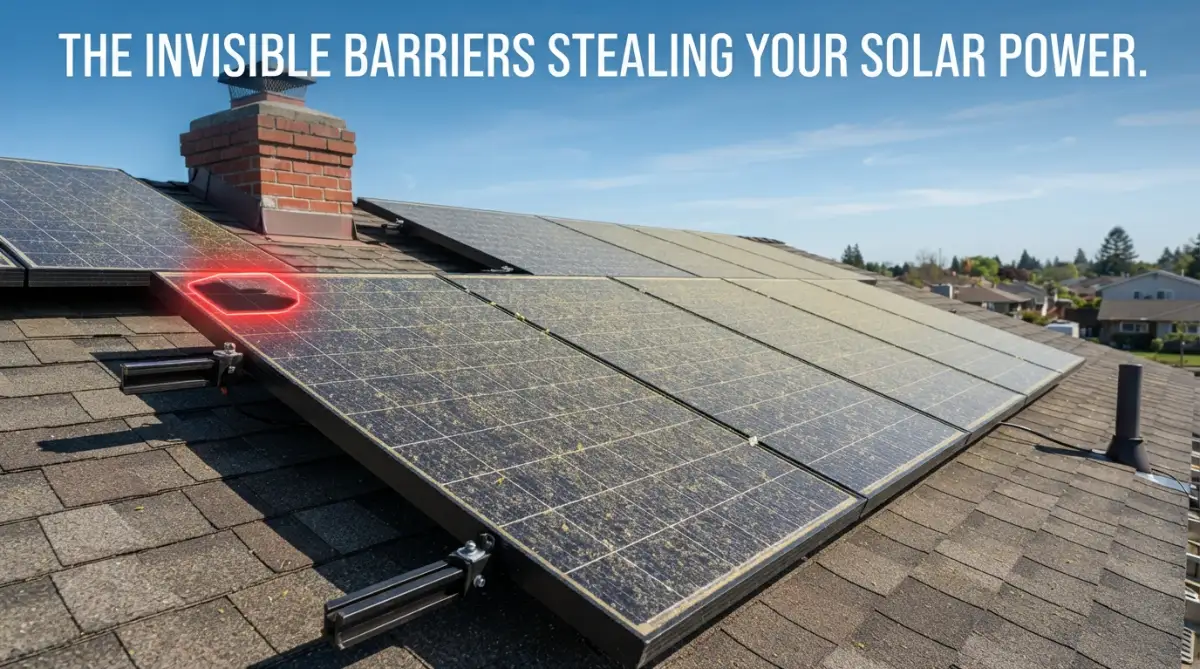
The Micro-Shadow Illusion Plaguing Your Panels
When we think of shadows blocking solar power, we usually imagine a giant tree covering the entire roof. But solar technology is incredibly sensitive, and even the smallest shadow can cause a massive drop in production.
I like to compare solar panels to a string of old Christmas lights. If one single bulb goes out or gets blocked, the entire string suffers and dims down.
If your neighbor builds a new chimney, or if a single branch grows just enough to cast a shadow on one corner of a panel, you have a big problem. This tiny block can trigger an issue where the output of the whole system drops to match the weakest performing spot.
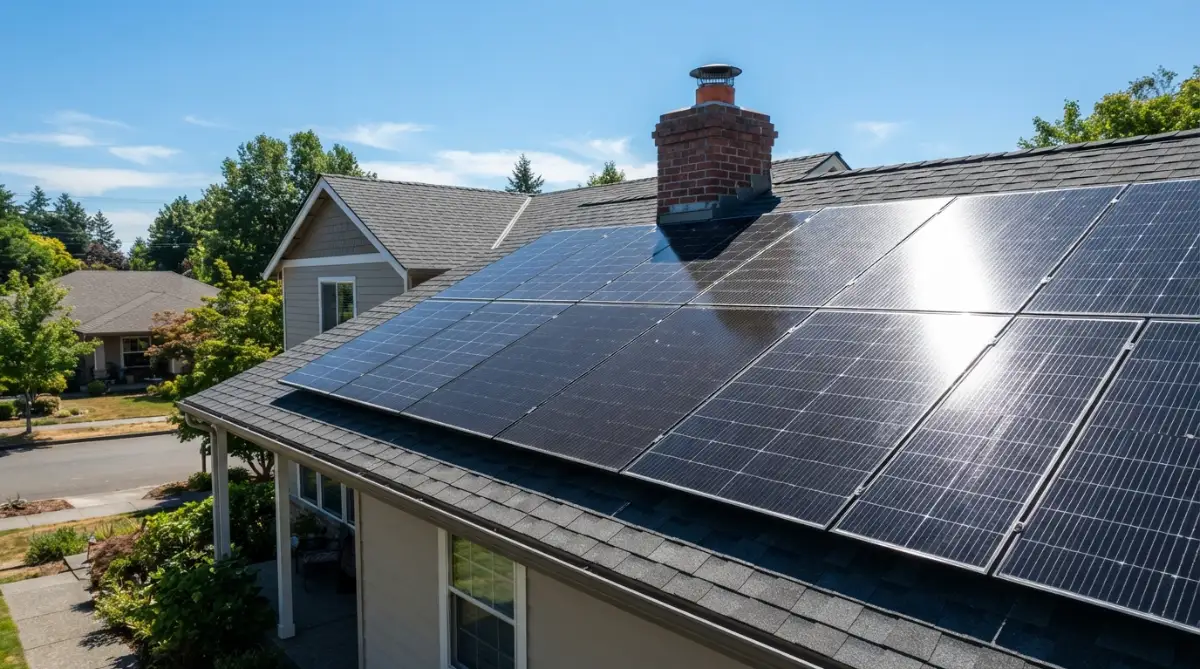
If you want to understand exactly how a tiny shadow can ruin your entire day of solar production, watch this quick breakdown below.
To solve this, you need to conduct a simple visual audit of your roof at three different times during the day. Go outside in the early morning, at noon, and in the late afternoon to see exactly where the shadows fall.
If you notice a newly grown tree branch casting a shadow, grab some tools and safely trim it back. Doing this one simple task can instantly restore a massive chunk of your missing energy production.
The Great "Self-Cleaning" Misunderstanding
Many solar sales representatives will tell you that rain will naturally wash away the dirt from your panels. While a heavy downpour does help a little bit, it is absolutely not enough to keep your system running perfectly.
Think about the windshield of your car after a light rainstorm. The water usually leaves behind a muddy, sticky residue that makes it even harder to see through.
The exact same thing happens to the glass surface of your solar system. Pollen, bird droppings, urban smog, and thick dust create a heavy film that blocks sunlight from reaching the active cells.
Here is a quick Myth vs Reality breakdown on keeping your panels clean:
- The Myth: Rainwater is completely sufficient to maintain peak performance.
- The Reality: Rain often mixes with airborne dust, leaving a muddy film that acts like a sunblock.
- The Fix: You need a proper manual cleaning routine using the right tools to restore crystal-clear glass.
When a thick layer of dust settles on the panels, the sunlight gets scattered and reflected away. This means the internal cells have to work twice as hard to capture the same amount of energy.
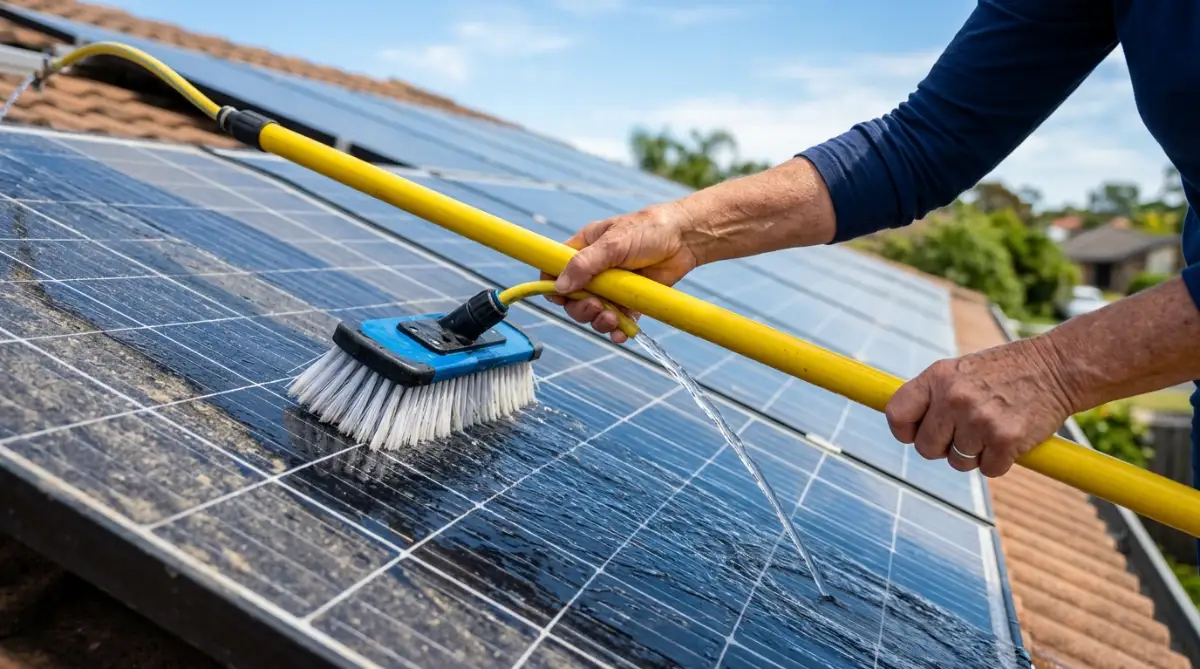
You should plan to safely wash your roof setup at least twice a year. Use a soft brush and a gentle hose, completely avoiding high-pressure washers that can easily shatter the glass.
The Hidden Thermal Overload Frying Your Production
Here is a scientific fact that surprises almost every new solar owner I talk to. Solar panels actually hate extreme heat.
We naturally assume that the hottest, brightest summer days will generate the absolute highest amount of electricity. However, extreme temperatures actually cause the electrical materials inside the panels to lose their natural conductivity.
When the surface temperature of the glass gets too high, the system goes into a state of thermal resistance. For every degree the temperature rises above normal limits, the overall power output drops by a specific percentage.
To give you a clearer picture, let's look at how heat impacts your system in a simple comparison:
This heat issue gets much worse if there is no breathing room between your roof tiles and the panels themselves. Good airflow underneath the heavy equipment acts like a natural cooling fan.
If your installer placed the racks too close to the roof surface, the heat becomes trapped with nowhere to escape. While you cannot control the summer weather, keeping the surface clean helps the glass reflect unwanted heat rather than absorbing it completely.
The Invisible Micro-Cracks Destroying Your Cells
Sometimes the biggest threats to our home investments are the ones we cannot even see with the naked eye. Inside your panels are extremely delicate silicon wafers that are as fragile as a thin sheet of glass.
During the manufacturing and shipping process, or even during a heavy hailstorm, microscopic cracks can form inside these cells. Over time, as the weather changes from freezing cold to burning hot, these tiny cracks slowly expand.
When these invisible cracks grow, they break the electrical pathways that push the energy down into your home. This forces the electricity to find a new path, causing intense hot spots that slowly burn out the panel.
I learned this the hard way after trying to clean my panels myself. I actually leaned my entire body weight directly onto the corner of a panel to reach a dirty spot, and I heard a tiny pop. I did not realize it right then, but my own mistake created a micro-crack that permanently reduced that panel's output by twenty percent.
Quick Check: How to Tell if Your Panels Have Hidden Damage
I tell my friends to look out for these three easy warning signs before calling a professional:
- The "Snail Trail" Effect: Do you see weird, shiny silver lines running across the glass? Those are actually tiny cracks reacting to moisture.
- Brown Spots on the Backsheet: If you can safely see the back of the panel, look for burn marks. This means a cell is frying itself.
- Weird App Data: If one specific panel always shows 10% to 15% less power than the panel sitting right next to it, you probably have a micro-crack.
You should never, under any circumstances, walk, lean, or put heavy pressure directly onto the glass surface. If you live in an area that gets severe weather, consider asking a professional to do an infrared scan of your system to spot these hidden damages.
Inverter Clipping and the Bottleneck Effect
Your panels are only one half of the entire energy equation on your property. The electricity they generate is completely useless to your home appliances until it passes through an incredibly important device called an inverter.
The inverter takes the raw, direct current power from the roof and transforms it into usable alternating current. But here is where a massive efficiency trap perfectly hides in plain sight.
Many installers will pair an extremely powerful set of panels with an inverter that cannot handle the total maximum output. They do this to save money on equipment costs, assuming your panels will rarely hit their peak numbers.
When a perfectly sunny day arrives and your panels produce a massive surge of energy, the smaller inverter simply cannot process it all. The excess energy hits a bottleneck and is completely thrown away.
This process is known in the industry as "clipping," and it silently wastes a huge portion of the power you rightfully generated. If you notice on your monitoring app that your power graph creates a flat plateau at the top instead of a smooth curve, your inverter is definitely clipping your power.
Upgrading to a higher capacity unit, or installing micro-inverters on each individual panel, can instantly solve this frustrating bottleneck. It allows every single drop of sunshine to successfully make its way into your home's electrical panel.
Ignoring the Power of Your Data Monitoring App
One of the biggest mistakes you can make is treating your solar monitoring app like a useless extra feature. Most modern systems come with a digital hub that tracks exactly how much electricity is flowing down from the roof.
Many homeowners look at this app once during the first week and then completely forget it exists. This is a massive mistake because that application is basically a health monitor for your entire expensive investment.
If a specific cable comes loose or a squirrel chews through a critical wire, the app will show an immediate drop in performance. Without checking the data, you might go several months pulling expensive energy from the regular grid without even noticing a problem.
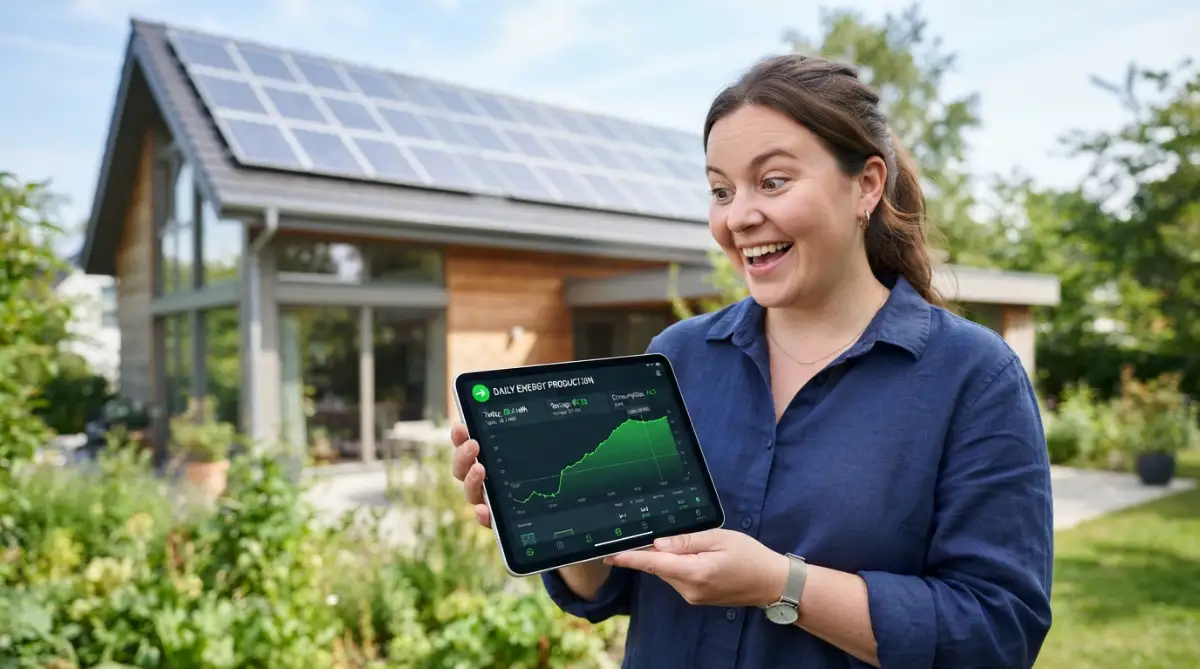
You should make it a daily habit to briefly glance at your production numbers while you drink your morning coffee. Learn what a normal, healthy energy curve looks like for your specific home on a standard sunny day.
If you see sharp, unexplained dips or completely dead zones in the data graph, you can act quickly. Catching a mechanical failure in the first forty-eight hours saves you a massive amount of money compared to discovering it on your next billing cycle.
Taking control of your energy means actively participating in its maintenance. A system left completely ignored will always find a way to slowly lose its efficiency over time.
By actively monitoring your panels, keeping them clean, and understanding the science behind the shadows, you take your power back. You transform your roof from a mysterious black box into a highly tuned, money-saving machine.Next-Level Strategies to Squeeze Every Drop of Sun Power
Now that we have covered the basics of shadows and dirt, it is time to look at the bigger picture. Keeping your panels clean is a great start, but true energy independence requires a slightly smarter approach to how your house actually consumes that power.
Most families have a completely backwards daily energy routine. We tend to wake up, leave the house for work or school, and return in the late evening.
During the brightest part of the day, when your roof is generating massive amounts of free electricity, the house is mostly empty. This means your system ends up pushing all that beautiful power back into the public grid.
Depending on where you live, the utility company might pay you pennies for that exported power. Then, when the sun goes down and you turn on your oven, television, and air conditioning, you end up buying power back from the grid at extremely high evening rates.
To fix this frustrating cycle, you need to master the art of "load shifting." This simply means moving your heaviest energy chores to the middle of the day.
If your washing machine and dishwasher have delay timers, set them to run exactly at noon. If you own an electric vehicle, schedule your charging sessions for the peak afternoon sun.
This habit becomes incredibly powerful if you decide to install a faster EV charger at home, allowing your car to soak up pure solar energy straight from the roof. You are essentially using your car as a giant, rolling solar battery.
My Personal "Energy Shifting" Schedule
To give you an idea of how this actually looks in real life, here is how I shifted my own family's energy habits to stop paying the grid:
| Home Appliance | Old Habit (Expensive) | Smart Solar Habit (Free) |
| :--- | :--- | :--- |
| Dishwasher | 8:00 PM (After dinner) | 12:30 PM (Delay start timer) |
| Laundry Machine | 7:00 PM (After work) | 1:00 PM (Weekend peak sun) |
| Electric Car (EV) | Plug in overnight | 11:00 AM to 3:00 PM |
Just making these three small changes dropped my evening grid usage by almost half. You can easily do this too!
The Magic of Thermal Drone Inspections
Even if you have the best daily habits, some mechanical issues are simply impossible to spot from the ground. As we discussed earlier, tiny micro-cracks and hot spots can completely ruin a panel's output.
Instead of climbing up a dangerous ladder and trying to guess which panel is failing, you can use modern technology to do the heavy lifting. I highly recommend hiring a local professional to do an infrared drone inspection every couple of years.
They fly a small drone equipped with a special heat-sensing camera right over your house. The camera instantly lights up any failing cells in bright red or orange colors on their screen.
According to advanced government research on solar technologies, thermal imaging remains one of the absolute best ways to catch early equipment failure. Spotting a defective panel early means you can quickly get it replaced under your manufacturer warranty before you lose months of potential savings.
Treating Your Home Battery with Respect
If you are lucky enough to have a wall-mounted battery pack connected to your solar setup, you have a massive advantage. These batteries store your extra afternoon power so you can use it completely free of charge while you sleep.
However, home batteries require specific care to maintain their maximum storage capacity over a long period. Constantly draining your battery all the way down to zero percent every single night puts heavy stress on the internal chemicals.
Much like the daily habits required for protecting your EV battery, you should configure your home storage system to keep a small buffer of power. Check your battery application and set a reserve limit of around fifteen or twenty percent.
This simple software adjustment prevents deep discharge cycles and can easily add several extra years of healthy life to your expensive storage equipment. Treat your energy storage with care, and it will reward you with reliable backup power during unexpected neighborhood blackouts.
Dangerous DIY Traps That Will Ruin Your Investment
It is extremely natural to want to take care of your own property and save money on maintenance costs. But when dealing with high-voltage electrical equipment on a slippery roof, good intentions often lead to absolute disasters.
I have seen countless homeowners accidentally destroy their entire system simply because they did not understand how fragile the components really are. Let's walk through the most common traps you must avoid to keep your setup safe and running perfectly.
The Pressure Washer Disaster
We all love the satisfying feeling of watching a high-pressure washer blast away years of grime from a driveway or a dirty fence. Naturally, many people think this is the perfect tool for cleaning a thick layer of sticky pollen off their roof panels.
This is arguably the worst mistake you can possibly make. The glass on your roof is completely surrounded by thick rubber seals that keep rain and moisture out of the sensitive electrical wiring.
When you hit those edges with a high-powered stream of water, you instantly blast right through the protective seals. Once water gets inside the panel casing, it creates immediate short circuits and permanent corrosion.
Not only will this completely destroy the panel, but the manufacturer will immediately deny your warranty claim because of improper handling. You will likely find yourself stressing out over filing a property damage claim with your home insurance just to cover the massive replacement costs.
Always stick to a soft-bristle brush attached to a long extension pole, and only use regular water from a standard garden hose.
Using Harsh Chemicals and Soaps
Another massive error happens when people decide to use heavy household detergents or harsh window cleaners on their roof. We assume that strong soap will break down the dirt much faster.
The reality is that these strong chemicals actually eat away at the anti-reflective coating painted onto the solar glass. This special coating is designed to pull maximum sunlight straight into the panel instead of bouncing it back into the sky.
Once you strip that coating away with heavy soap, your system will instantly lose a permanent chunk of its generating power. Furthermore, thick soaps usually leave behind a sticky, microscopic film on the glass when they dry.
This sticky film acts like a magnet for fresh dirt, meaning your roof will get filthy again twice as fast. If you must use a cleaning agent for heavy bird droppings, check with national solar industry guidelines to find approved, neutral cleaning solutions designed specifically for photovoltaic glass.
Ignoring the Local Wildlife Threat
A beautifully installed solar array creates the perfect, warm, sheltered environment for local birds and squirrels. Pigeons absolutely love to squeeze underneath the warm panels to build their nests and escape the cold wind.
While this might seem cute at first, it is a massive threat to your system's overall health. Thick nests completely block the natural wind from flowing under the equipment, causing severe overheating on sunny days.
Even worse, squirrels are notorious for chewing straight through the thick rubber cables connecting your panels together. A single chewed wire can take down an entire row of energy production, and finding the exact spot of the damage is incredibly frustrating.
Do not wait for animals to move in before taking action. Have your installation team install an inexpensive wire mesh guard around the outer edges of your system to permanently keep unwanted guests out.
The Wi-Fi Disconnect Trap
Earlier, we talked about the immense value of checking your mobile monitoring application every day. But there is a silent trap hidden within this digital habit that catches many smart homeowners completely off guard.
Sometimes, your home internet router resets, or the connection to your outdoor inverter simply drops. When this happens, your mobile application stops receiving fresh data and might just show a frozen screen from three days ago.
Many people assume everything is perfectly fine because they see positive numbers on their phone, not realizing the screen is completely frozen. Meanwhile, the actual physical equipment on the side of the house might be showing a flashing red error light.
You should make a habit of physically walking outside to look at your main inverter box at least once a month. Make sure the green lights are glowing solidly and that the digital display matches the data showing up on your phone.
Relying entirely on a wireless connection without ever doing a physical check can leave you blind to serious hardware failures. Staying highly engaged with your equipment is the only way to guarantee a long, profitable lifespan for your home setup.
Your Blueprint for Maximum Energy Savings
Taking complete control of your energy production does not have to be an overwhelming or stressful job. It all comes down to building a few smart habits and protecting the physical health of your equipment.
By understanding how shadows manipulate your output, keeping the glass spotless, and timing your heavy chores for the middle of the day, you unlock the true power of your investment. You shift from being a passive energy consumer to an active, smart energy manager.
Every single small adjustment you make adds up to massive savings over the decades you will own your home. If you treat your system with regular care, rely on solid National Renewable Energy Laboratory data for best practices, and avoid the dangerous DIY cleaning traps, you will always come out on top.
You invested in this amazing technology for a reason, and you deserve to see those utility bills drop all the way down to zero. The power to make that happen is sitting right above your head, waiting for you to clear the path.
I really hope sharing these hidden traps saves you from the deep frustration I felt when my own system was struggling. I am going outside right now to double-check my own panels for dust, and I highly recommend you do the same today!
Quick Answers to Common Solar Questions
How often do I actually need to wash my panels?
You should aim to give your system a gentle, thorough cleaning about twice a year to maintain peak performance. However, if you live near heavy construction zones, dirt roads, or experience thick spring pollen, you might need to wash them every three months.
Do solar panels lose their generating power as they get older?
Yes, all solar technology naturally degrades at a very slow pace, usually losing about half a percent of efficiency every single year. A high-quality system will still produce massive amounts of power even after twenty-five years on your roof.
Will a single cloudy or rainy day completely ruin my energy production?
Cloudy weather definitely lowers your daily power output, but your panels will still capture scattered sunlight and generate some electricity. On dark, heavy rain days, you will produce much less, but the rain acts as a free, natural gentle wash for the glass.
Can I monitor my system's health if my home Wi-Fi goes down?
Most modern inverters have a small digital screen or a set of colored LED lights directly on the physical box outside. Even without internet access, you can manually check these lights to ensure the system is actively converting power safely.
Is it safe to trim tree branches myself if they are shading the roof?
If a small branch is easily reachable from the ground with an extension pole, you can carefully trim it yourself. However, if the tree is large, near power lines, or requires climbing a ladder, you should absolutely hire a professional tree service to avoid dangerous accidents.
Disclaimer: The content provided in this blog post is for general informational and educational purposes only. I am sharing my personal experiences and research regarding home energy systems. This information does not constitute professional electrical, financial, or legal advice. Always consult with a certified and licensed solar installation professional before attempting any physical maintenance, repairs, or upgrades to your energy equipment. Handling high-voltage electrical components can be extremely dangerous without proper training.