My Costly Mistake: How I Ruined My EV Battery Without Even Noticing
Let's be honest, nobody buys an electric car hoping to stress over battery health. You just want to plug it in, save some cash on gas, and enjoy the smooth, quiet ride. But a few months in, you might notice your dashboard showing fewer miles than it used to. I learned the hard way that how you treat your car on a random Tuesday actually decides how long its most expensive part—the battery—is going to survive. You might be ruining your range without even noticing, so let's fix those everyday habits right now.
But several months down the line, my dashboard started showing noticeably less range after a full night plugged into the wall. I honestly thought it was just a software glitch at first.
Then, the realization hit me hard like a ton of bricks. I was actively destroying my own car's health through my daily routines. My innocent everyday actions were silently eating away at the core of my most expensive investment.
It feels like you are walking on eggshells, constantly worrying about being stranded on the side of a busy highway. Regular folks are losing their sleep over this hidden loss of power.
We spend a massive fortune on these modern machines, only to watch them lose their power right before our eyes. It is extremely frustrating, expensive, and completely ruins the peace of mind you thought you purchased.
Many owners blame the car manufacturers for this sudden drop in performance. However, the hard truth is that our own daily habits are usually the biggest offenders.
We treat our cars like massive smartphones, thinking we can just plug them in and forget about them. This exact mindset is what causes early damage to the internal cells of the battery pack.
You are probably making these exact same mistakes right now without even realizing it. It is time to look at the real reasons behind your shrinking mileage.
Quick Summary: Stop Killing Your EV Battery
- Keep your daily charge limit set to 80% unless you are going on a long trip.
- Avoid letting your battery drop below 20% to prevent deep-discharge stress.
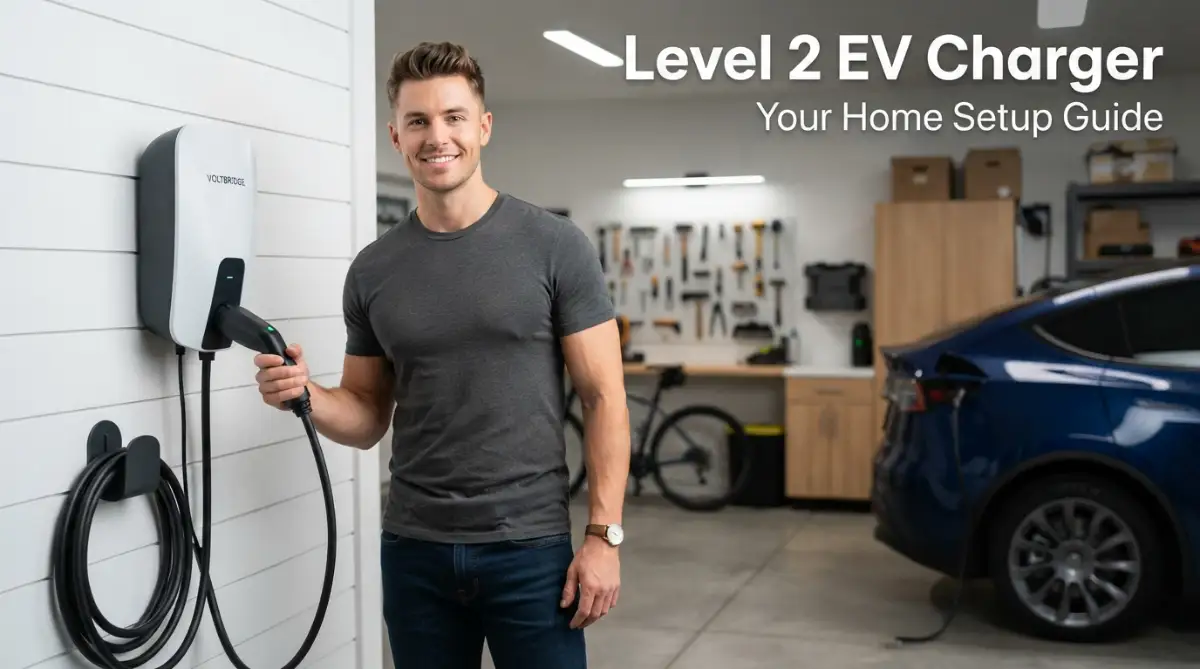
- Limit public DC fast charging—use a slow Level 2 home charger for daily needs.
- Don't skip software updates; they often include battery protection upgrades.
The Invisible Battery Killers You Practice Every Day
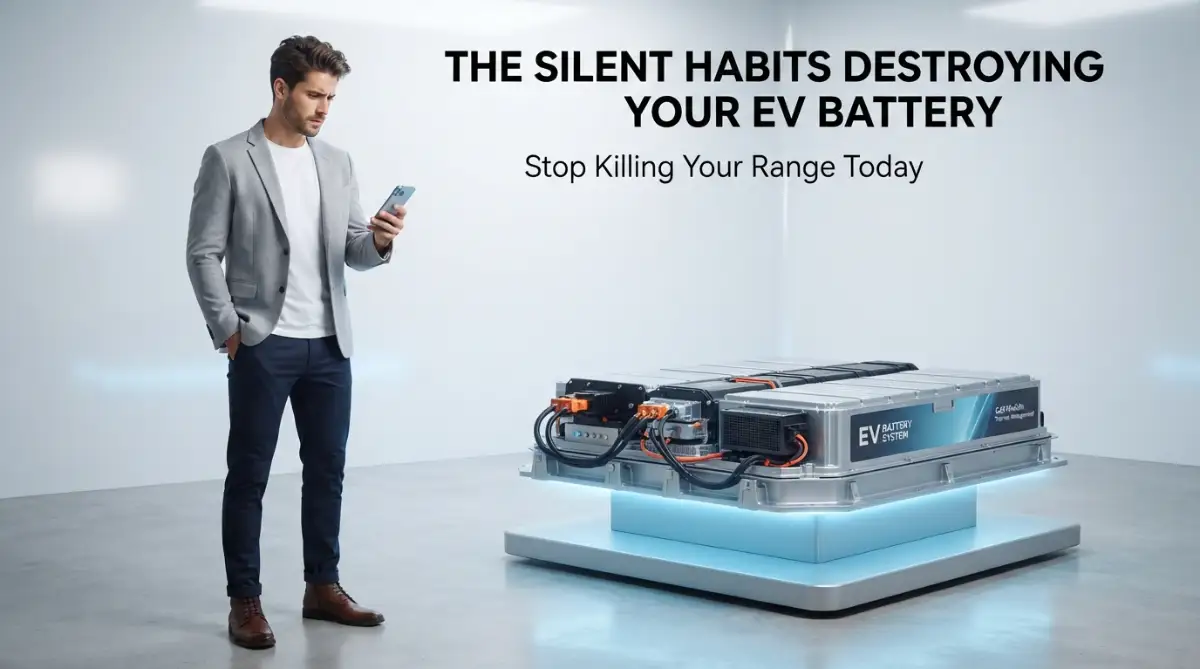
To truly protect your investment, you need to understand how your car stores energy. The lithium-ion pack sitting under your seats is a highly sensitive piece of chemical engineering.
It reacts poorly to stress, extreme changes, and bad charging routines. Let's break down the most common daily actions that are secretly stealing your driving range.
The "Always 100%" Obsession
Most of us have a deep psychological need to see our devices at a full 100 percent. We do it with our phones, our laptops, and naturally, we do it with our electric cars.
However, pushing a lithium-ion pack to its absolute maximum limit every single night puts massive strain on the chemical cells. Think of it like eating a huge Thanksgiving dinner.
If you eat until you are completely stuffed to the bursting point every single day, your body will eventually break down. Your car reacts the exact same way to being constantly force-fed electricity.
When the cells are pushed to maximum capacity, the internal voltage rises to a highly stressful level. Leaving the car sitting in the garage with this high voltage causes permanent internal wear.
Over time, this repeated stress reduces the total amount of energy the pack can actually hold. Experts widely recommend keeping your daily charge limit set to 80 percent.
You should only push it to a full charge when you are planning a very long road trip. For daily city commuting, 80 percent is more than enough to get you through the day safely.
Playing a Dangerous Game with 0%
On the opposite end of the spectrum, letting your power drop too low is just as damaging. Many drivers play a risky game of chicken, trying to stretch their range until the very last drop.
They ignore the low power warnings and roll into their driveway with barely 2 percent left on the dashboard. This is called deep discharging, and it is a massive enemy of long-term health.
When the power levels drop extremely low, the internal chemical balance becomes highly unstable. It is very similar to running a long marathon while severely dehydrated.
Pro Tip: I used to let my car drop below 10 percent regularly because I was too lazy to plug it in every night. My wake-up call came when my mechanic showed me the deep-discharge warning logs stored in my car's computer, proving I was cutting its lifespan in half. I now treat 20 percent as my absolute zero.
If you regularly starve your car of energy, the internal materials begin to degrade much faster. Always try to plug in when you hit the 20 percent mark.
Keeping your power levels floating comfortably between 20 percent and 80 percent is the ultimate sweet spot. This simple habit alone can add years of healthy life to your vehicle.
My Personal Battery Cheat Sheet:
- Daily City Driving: Charge to 80%, plug in when it drops to 20%.
- Long Road Trips: Charge to 100% right before you leave (don't let it sit at 100% overnight).
- Going on Vacation (1+ Weeks): Set the limit to 50% and leave it plugged in.
The Hidden Trap of Public Fast Chargers
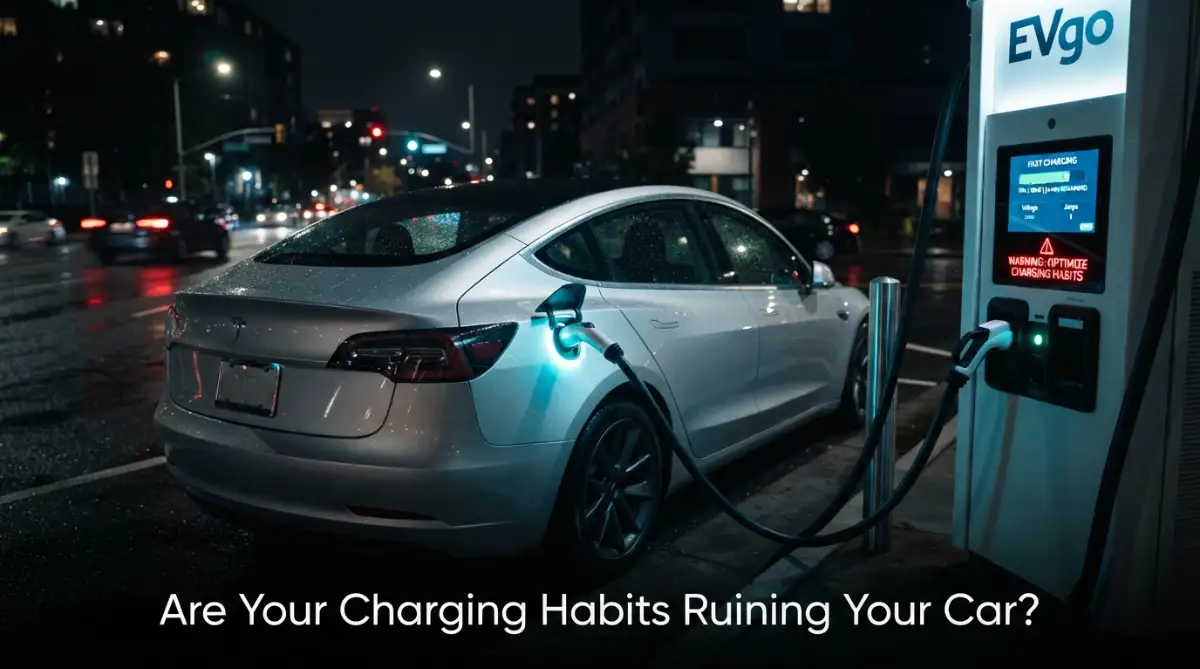
We all love the convenience of pulling into a public station and getting a quick boost in twenty minutes. DC fast chargers are amazing pieces of technology that make long road trips possible.
However, relying on them as your main source of daily power is a terrible idea. Pushing massive amounts of electricity into a battery in a very short time generates a huge amount of heat.
Heat is the absolute worst enemy of any electronic device. While your car has a built-in cooling system, it can only do so much to fight off the extreme temperatures of rapid charging.
Doing this every single day slowly cooks the internal components of the pack. It is like chugging a highly caffeinated energy drink instead of getting a good night of healthy sleep.
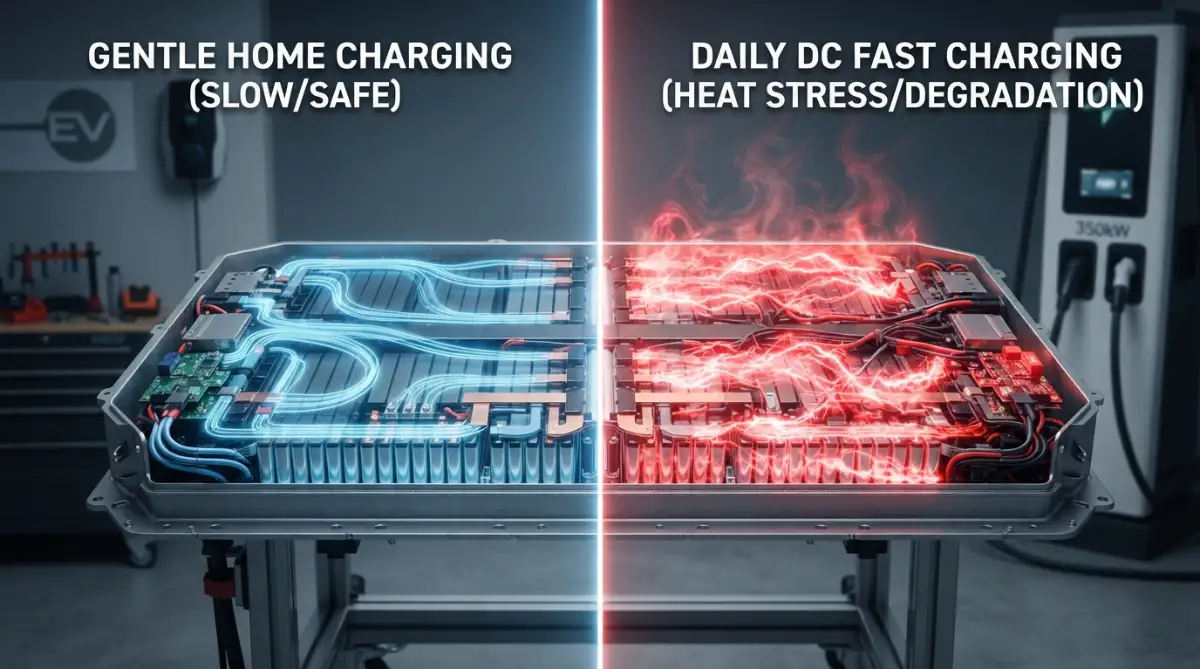
Sure, the energy drink gives you a quick boost, but doing it every day will eventually wreck your health. Your electric car needs slow, steady, and cool energy to survive in the long run.
Want to see exactly what happens inside your car during a rapid charge? Check out this incredible visual breakdown below!
Whenever possible, rely on a Level 2 home charger for your daily needs. Save the heavy-duty public stations for those times when you are traveling far from home and actually need the speed.
Ignoring the Weather Report
Many new owners completely forget that electric vehicles are highly sensitive to extreme weather conditions. Leaving your car parked outside in the blazing summer sun is a recipe for disaster.
The heat bakes the car from the outside, while the dark pavement reflects more heat up into the chassis. This forces the car's internal thermal management system to work incredibly hard just to survive.
If the battery gets too hot while sitting idle, it slowly loses its ability to hold a maximum charge. Always try to park in a shaded area or inside a cool garage during the hottest parts of the day.
Winter brings its own set of completely different challenges for your vehicle. Extreme cold slows down the chemical reactions inside the cells, which is why your range magically drops in December.
While the cold does not cause as much permanent damage as heat, forcing a frozen car to charge quickly can cause serious harm. The cells struggle to accept the electricity when they are freezing cold.
To fight this, always use your car's pre-conditioning feature before you start driving or charging in the winter. This system gently warms up the battery to a safe temperature, protecting it from sudden thermal shocks.
To give you an idea of what to expect, independent tests show exactly how weather steals your miles. If your car gets 250 miles on a perfect 70°F day, dropping the temperature to 20°F (and turning on your heater) can cut that range down to just 150 miles. It is completely normal, so don't panic—just plan your charging stops accordingly!
Myth vs Reality: Separating Fact from Fiction
There is a lot of bad advice floating around the internet about how to treat your new car. Let us clear up some of the most common misunderstandings right now.
Myth: You need to drain the battery completely to zero once a month to "reset" it.
Reality: This is an old rule for ancient nickel-based electronics from the 1990s. Doing this to modern lithium-ion packs will only cause unnecessary and permanent damage.
Myth: Leaving the car plugged in after it finishes charging will overcharge and explode the battery.
Reality: Modern electric vehicles have incredibly smart internal computers. Once the car hits your set limit, it physically cuts off the power flow to protect itself.
Myth: Using the air conditioning ruins your battery life forever.
Reality: While running the AC does use energy and lowers your current daily range, it causes zero permanent damage to the battery's overall capacity. In fact, keeping the cabin cool can sometimes help the entire car stay at a better temperature.
Breaking Down the Charging Speeds
Understanding how different charging methods affect your car is very important. Not all electricity is delivered the same way, and the speed matters heavily for long-term health.
Here is a simple breakdown of how different power levels impact your vehicle over time:
By simply looking at this chart, you can see why home charging is the ultimate goal. It gives your car the steady, cool energy it craves without pushing the internal temperature to dangerous levels.
The "Pedal to the Metal" Driving Style
How you actually drive the car has a massive impact on the hidden degradation process. Electric vehicles are incredibly fun to drive because they offer instant, silent power.
Stomping on the accelerator pedal at every single green light feels amazing. It pushes you back into your seat and leaves gas-powered cars in the dust.
However, asking the battery to dump massive amounts of energy instantly creates a heavy spike in internal heat. Doing this constantly puts severe mechanical and chemical stress on the entire system.
It is exactly like sprinting at full speed every time you stand up to walk somewhere. Your body would become exhausted quickly, and your joints would suffer from the heavy impact.
Smooth, steady acceleration is the best way to protect your long-term capacity. Treat the accelerator pedal like there is an egg sitting underneath it.
By driving smoothly, you allow the energy to flow out of the pack in a controlled and highly efficient manner. This keeps the internal temperatures very low and protects the fragile chemical bonds.
Neglecting Regenerative Braking Settings
Your car has a magical feature called regenerative braking, but many drivers turn it completely off because it feels weird at first. When you lift your foot off the pedal, the electric motor runs backward to slow the car down.
This process captures the kinetic energy and pushes it back into the battery pack. It is basically free electricity generated from your own forward momentum.
If you turn this feature off, you are forcing the physical brake pads to do all the hard work. You are literally throwing away free energy every single time you come to a stop sign.
More importantly, gentle regenerative braking is a very healthy way to accept small drips of energy. Learning to drive with one pedal is one of the smartest habits you can develop.
It takes a few days to get used to the feeling of the car slowing itself down automatically. But once you master it, you will rarely touch the actual brake pedal, and your daily range will increase noticeably.
Letting the Car Sit Idle for Weeks
Life happens, and sometimes we need to leave our cars parked in the garage while we go on a long vacation. Many owners make the terrible mistake of leaving their car plugged in at 100 percent before flying out.
Others leave it completely empty, thinking it does not matter since the car is turned off. Both of these extreme choices will cause serious harm while you are away relaxing.
When a lithium-ion pack sits idle for weeks at extreme power levels, the internal materials break down quietly in the dark. The perfect storage level for a resting electric vehicle is right around 50 percent.
If you are going away for a long time, set your maximum charge limit to 50 percent and leave it plugged into the wall. The smart computer will pull tiny sips of power from the wall just to keep the internal systems alive.
This prevents the battery from draining to absolute zero while avoiding the high-voltage stress of being totally full. It is the perfect hibernation state for your expensive machine.
The Truth About Software Updates
We are used to ignoring software update pop-ups on our computers and mobile phones. Many drivers do the exact same thing when their car asks to connect to the home Wi-Fi network.
Skipping these updates is a very bad idea for the health of your vehicle. Car companies are constantly studying real-world data to improve how the thermal management systems work.
When they push an update, they are often tweaking the hidden codes that protect your battery from daily wear and tear. By ignoring the download, you are missing out on free protective upgrades.
Make it a simple habit to connect your car to your home network once a week. Let it download the latest patches while you sleep, ensuring the brain of your car is always operating at its smartest level.
Taking care of an electric vehicle does not require an advanced degree in engineering. It simply requires a small shift in how you think about energy, movement, and daily routines.
By changing these small daily actions, you stop the silent drain that plagues so many new owners. You take back control of your dashboard, ensuring your car stays healthy, strong, and fully capable for years to come.Going Beyond the Basics: Pro-Level Strategies for Maximum Range
Now that we have covered the everyday habits that drain your power, it is time to step up our game. Keeping an electric vehicle running perfectly for years requires a bit of insider knowledge.
You do not need an engineering degree to apply these smart strategies to your daily routine. By making a few tiny adjustments to how you manage your car, you can completely change its long-term health.
The first secret lies in understanding a hidden process called cell balancing. Your massive power pack is actually not one single giant battery.
It is made up of thousands of tiny individual cells, all wired together to act as one unit. Think of these cells like a team of horses pulling a heavy carriage down the street.
If one horse gets tired and slows down, the entire team suffers, and the carriage barely moves. When your battery cells hold different amounts of voltage, the entire system becomes unbalanced and weak.
Your car has a built-in computer that constantly tries to fix this imbalance while the car is resting. However, this magical balancing act only happens under very specific conditions.
You must leave the car plugged into your home charger, even after it reaches your preset limit. Once the main charging stops, the computer gently moves tiny amounts of power between the individual cells to equalize them.
According to extensive research from the National Renewable Energy Laboratory (NREL), proper cell balancing significantly extends the overall lifespan of lithium-ion technology. Leaving your car plugged in overnight allows this vital maintenance to happen automatically in the background.
The Hidden Impact of Weight and Aerodynamics
We often treat our cars like rolling storage units, keeping sports equipment, heavy tools, and random boxes in the trunk. This extra weight might seem harmless, but it forces your electric motors to pull significantly more energy.
When the motors demand more power to move a heavy load, the battery pack heats up faster than normal. That constant daily heat generation quietly eats away at your maximum storage capacity.
Clean out your trunk this weekend and remove anything you do not actually need for your daily commute. Less weight means less strain on the chemical bonds holding your energy together.
Aerodynamics play an equally massive role in how hard your system has to work on the highway. Leaving empty roof racks or cargo boxes on top of your car acts like a massive parachute catching the wind.
The electric motors have to fight this heavy wind resistance, pulling massive spikes of electricity from the pack. Take those accessories off your roof unless you are actively using them for a weekend trip.
Mastering Your Smart Charging Schedule
Most new owners just grab the plug and shove it into the port the second they get home from work. This usually happens right in the middle of the afternoon when outside temperatures are completely miserable.
Charging a hot battery in a hot garage is a recipe for chemical disaster. The thermal management system will scream to life, wasting huge amounts of electricity just to cool the pack down.
Instead of plugging in and starting immediately, use your car's mobile app to set a smart schedule. Tell the car to delay the charging process until the middle of the night.
During the late night hours, the ambient air temperature inside your garage drops significantly. This allows the battery to accept the incoming electricity in a naturally cool and relaxed state.
Many local power companies also offer massive discounts on electricity if you wait until midnight to draw power. You end up protecting your expensive vehicle while keeping more cash in your wallet every single month.
The Tire Pressure Connection You Keep Ignoring
It sounds incredibly simple, but your rubber tires have a direct and powerful connection to your battery health. Electric vehicles are exceptionally heavy because of the massive metal pack sitting underneath the floorboards.
This heavy weight puts immense pressure on the tires, causing them to slowly lose air over time. When your tires are under-inflated, they flatten out and create massive friction against the pavement.
This heavy friction is called rolling resistance, and it forces your car to work twice as hard just to maintain a normal speed. The US Department of Energy highlights that keeping your tires properly inflated is one of the easiest ways to improve your overall daily efficiency.
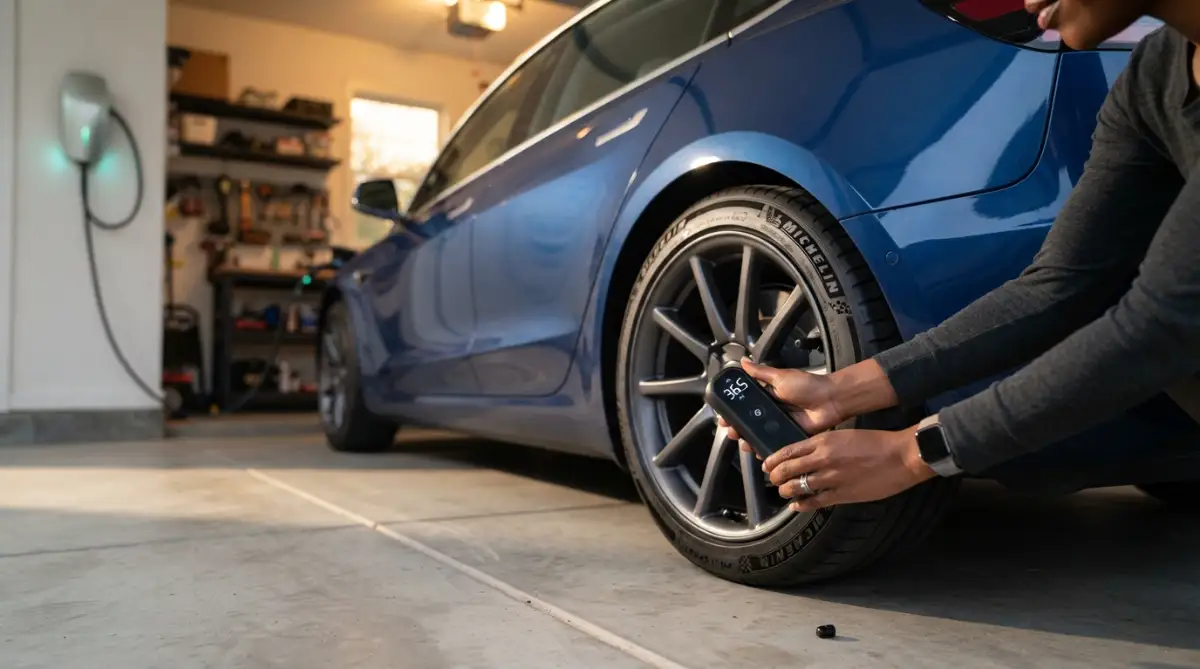
Check your tire pressure at least once a month with a high-quality digital gauge. Do not rely solely on the dashboard warning light, as it usually only turns on when the tire is dangerously flat.
Keeping them filled to the exact recommended pressure ensures your car glides smoothly without demanding extra power. A smooth ride means a cool, relaxed, and highly efficient energy system.

The Dangerous Traps Ruining Your Driving Experience
Making a few mistakes with your new car is totally normal, but some errors carry a very heavy price tag. The financial hit of replacing a completely ruined power pack can easily destroy your savings account.
Nobody wants to find themselves in a situation where they suddenly need to figure out what to do right now if you can't make your car payment because their vehicle is sitting dead in the shop. The stress of facing a broken car is absolutely exhausting.
Let us look at the most dangerous emotional and physical traps that drivers fall into every single day. Dodging these specific pitfalls will save you from massive headaches down the road.
Trusting Cheap Third-Party Equipment
When you buy a brand-new phone, using a cheap gas station charging cable is risky but usually fine. Doing the exact same thing with a highly advanced vehicle is completely reckless.
Many owners try to save a few dollars by buying cheap, unbranded charging cables from random online websites. They plug these cheap cords into standard wall outlets using flimsy extension cords.
This is a massive fire hazard and a direct threat to your vehicle's brain. High-quality charging cables contain expensive thermal sensors that detect if the wall outlet is getting dangerously hot.
If a real sensor detects overheating, it instantly shuts down the power flow to prevent a massive fire. Cheap, knock-off cables simply lack this technology and will keep pushing power until the plastic literally melts.
The heat travels straight up the cord and damages the sensitive charging port on your expensive vehicle. Always stick to the official equipment provided by your manufacturer or highly rated certified brands.
Relying Too Heavily on the "Guess-O-Meter"
Your dashboard display shows a specific number of miles left before you run completely out of power. In the owner community, we lovingly refer to this display as the "Guess-O-Meter."
The car computer is simply guessing how far you can drive based on your past driving history. It cannot predict if you will suddenly face heavy headwinds, rain, or a massive traffic jam.
Many drivers take this number as absolute gospel, driving right past safe charging stations because the screen says they have ten miles left. This false sense of security leads to deeply discharging the cells on the side of the highway.
When you drain the power to absolute zero, the car completely shuts down to protect itself. You then have to deal with the absolute nightmare of calling a specialized tow truck.
If the tow truck driver hooks the car up incorrectly, it can rip the sensitive underbelly and cause permanent mechanical damage. If that happens, you will quickly find yourself researching the step-by-step process of documenting evidence after a minor car accident just to file a damage claim against the towing company.
Never push your luck by trusting the exact mileage remaining on your screen. Give yourself a healthy buffer zone so you always arrive home with plenty of energy to spare.
Letting Extreme Cold Destroy Your Morning
We briefly touched on weather earlier, but the way drivers handle freezing temperatures is truly alarming. I have seen owners jump into a frozen car, turn the heat on high, and immediately speed onto the highway.
A cold battery is a stiff and unhappy battery. When you demand instant heavy power from freezing cells, you cause microscopic damage to the internal structure.
According to independent testing by the American Automobile Association (AAA), freezing temperatures can slash your effective driving distance by nearly forty percent. You cannot treat a frozen electric car the same way you treat a gas-powered truck.
Always use the scheduled departure feature in your mobile app during the dark winter months. This tells the car to gently warm up the battery using energy directly from the wall outlet, rather than draining the pack itself.
By the time you step into the driver's seat, the cabin is perfectly toasty, and the battery is at its happiest temperature. You get to keep your full driving range without causing any hidden structural damage.
The "Top-Off" Addiction
Some people suffer from a strange psychological need to plug their car in every single time they see a public station. Even if they have seventy percent power remaining, they will swipe their credit card just to get back to full.
This habit is known as frequent micro-charging, and it confuses the car's internal battery management system. The computer relies on distinct charging and discharging cycles to accurately measure the total remaining health.
If you are constantly feeding it tiny sips of power for ten minutes at a time, the computer loses track of the actual capacity. This leads to wildly inaccurate dashboard readings that can leave you stranded.
Try to treat your charging routine like filling a bucket of water. Let the bucket empty out to a reasonable level before you turn the hose back on to fill it up.
Unless you are driving a massive delivery fleet that requires constant topping up, stick to a normal routine. If a broken battery forces a delivery driver off the road, they often scramble to find easy collateral-free business loans just to buy a replacement vehicle and save their company.
Let the power drain down to around thirty percent naturally over a few days. Then, give it a solid, healthy overnight charge back up to your eighty percent limit.
This gives the computer a very clear picture of the overall health, ensuring your dashboard display remains highly accurate. Consistent, predictable routines are exactly what your vehicle craves.
Ignoring the Coolant Maintenance
Because electric vehicles do not have traditional engines, many owners believe they require zero maintenance forever. They skip their annual dealer checkups, thinking they are outsmarting the system.
This is a terrible assumption because your massive battery pack relies heavily on liquid coolant to survive. Just like a radiator in an older truck, the thermal management system pumps special fluids around the internal cells.
Over time, this special coolant can degrade, leak, or lose its ability to pull heat away from the sensitive electronics. If the cooling system fails silently, the entire pack will slowly cook itself to death while you drive.
Replacing an overheated pack is rarely covered completely by warranties if they discover you skipped mandatory checkups. You might find yourself fighting a losing battle, trying to figure out why insurance adjusters reject auto claims and how to win your money back.
Check your owner's manual for the exact coolant flush schedule. Paying a mechanic a small fee to check the fluid levels today will easily save you thousands of dollars tomorrow.
Your Tomorrow Starts Today: The Ultimate Action Plan
Taking care of an advanced electric vehicle might seem slightly overwhelming when you first look at all the rules. However, once you build these tiny protective habits into your daily life, they become completely automatic.
You no longer have to worry about sudden drops in performance or the terrifying feeling of range anxiety creeping up on you. You hold the steering wheel knowing exactly how to treat your machine with respect.
Start tonight by opening your car's mobile app and checking your daily charge limit. Slide that little digital bar down to eighty percent and set a schedule for midnight.
Tomorrow morning, practice driving smoothly and let the regenerative braking do the hard work for you. These small, conscious choices stack up quickly, adding years of healthy, powerful life to your favorite ride.
I completely transformed my daily commute the moment I stopped treating my car like a simple smartphone and started treating it like a highly tuned machine. My battery health stabilized beautifully, and the heavy stress of range anxiety completely disappeared from my life.
Real Answers to Your Biggest Electric Car Questions
Does charging my electric car every single night ruin the battery?
No, plugging in every night is actually a great habit if you set your maximum charge limit correctly. As long as you restrict the daily charge to 80 percent, leaving it plugged in allows the car to balance its internal cells safely. It only becomes damaging if you force the car to hit 100 percent every single evening.
At what percentage should I normally charge my electric vehicle?
The golden rule for daily commuting is keeping your power floating comfortably between 20 percent and 80 percent. You should only push the limit to a full 100 percent when you are leaving for a very long road trip. Staying in this healthy middle zone prevents high-voltage stress on the internal materials.
Can I leave my EV plugged into the wall while I go on a long vacation?
Yes, but you must change your settings before you lock the garage door. Set your maximum charge limit to exactly 50 percent and leave the cable securely plugged into the wall. The smart computer will simply pull tiny drops of electricity to keep the internal systems healthy while you relax on your trip.
Does fast charging actually degrade the battery faster over time?
Yes, relying solely on public DC fast chargers introduces massive amounts of heat into the sensitive battery pack. Constant exposure to this extreme temperature breaks down the chemical bonds much faster than normal. You should always use a slow Level 2 home charger for daily needs and save the rapid chargers for emergencies.
How much does freezing cold weather actually affect my driving range?
Extreme winter temperatures can temporarily reduce your total driving distance by up to forty percent. The cold makes the internal chemicals highly sluggish, preventing them from delivering power efficiently to the motors. Always use your mobile app to pre-warm the car before you leave the house to get some of that lost mileage back.
Disclaimer: The information provided in this article is for educational and informational purposes only. Automotive technology changes rapidly, and every electric vehicle model has specific manufacturer guidelines. Always consult your official owner's manual or a certified dealership mechanic before making significant changes to your charging routine or vehicle maintenance schedule.