When Your Dashboard Lights Start Talking to You
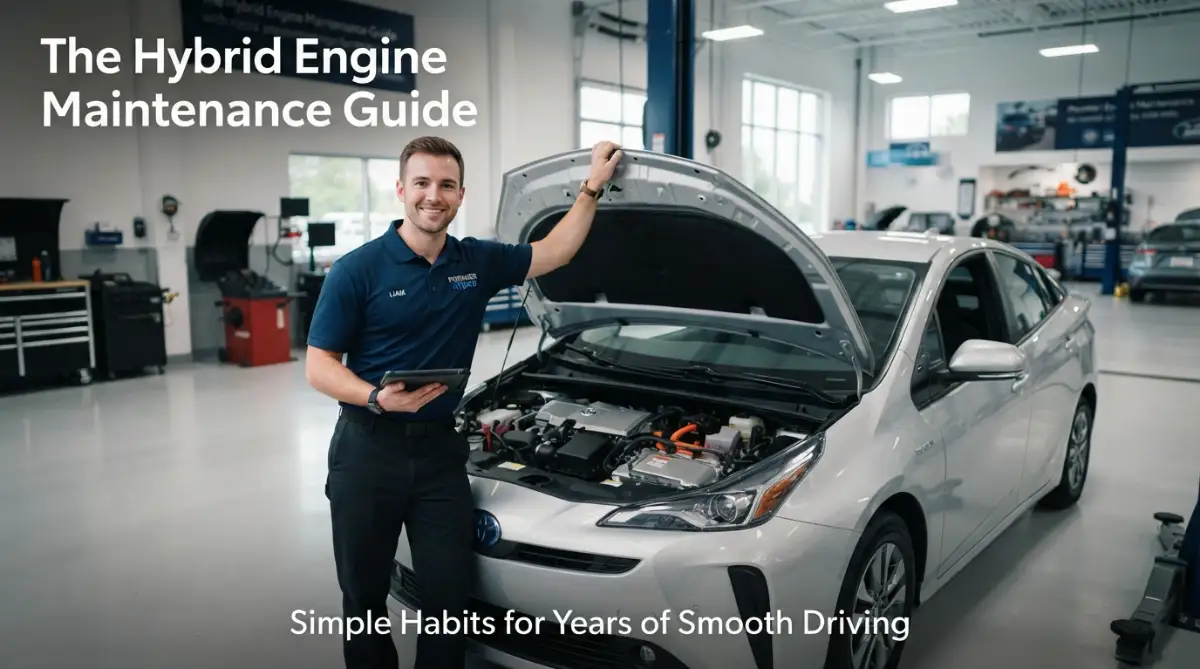
So, your hybrid’s dashboard just lit up like a Christmas tree, and your stomach immediately did a little flip. Don't panic. You bought this car to save money at the pump, not to hand your savings over to a mechanic. Hybrids speak a slightly different language than regular cars, and today, I am going to show you exactly how to translate it. Let's look at what your vehicle actually needs, and how you can handle most of it right in your own driveway without touching a single wrench.
What You Will Learn Today:
- Why the tiny air vent in your back seat determines your battery's lifespan.
- How to adjust your braking style to save both energy and your brake pads.
- The hidden 12V battery issue that leaves most hybrid owners stranded.
- Why taking short trips is secretly damaging your hybrid engine (and how to fix it).
Understanding the Heart of Your Hybrid
Most people treat their hybrid like a regular gas car, but that is a mistake. A hybrid is basically two worlds colliding: you have a traditional internal combustion engine and a powerful electric motor working together. They need different kinds of love to perform at their best. Think of it like a hybrid athlete who needs both stamina for running and power for lifting. If you only train one side, the whole system suffers.
Your car uses a complex computer system to balance these two power sources. When you neglect simple routines, that balance gets thrown off. The engine works harder than it should, the battery gets hotter than it needs to be, and your fuel efficiency drops. It is not just about changing the oil. It is about paying attention to the specific components that make your hybrid unique.
The Cooling System Is Your Best Friend
You might think cooling is just for the engine, but in a hybrid, the battery pack needs its own dedicated cooling system. If that battery gets too hot, it loses its ability to hold a charge effectively. I learned this the hard way when I noticed my fuel economy dipping significantly during the summer months. I realized that the air intake vents for my battery pack were completely clogged with dust and dog hair.
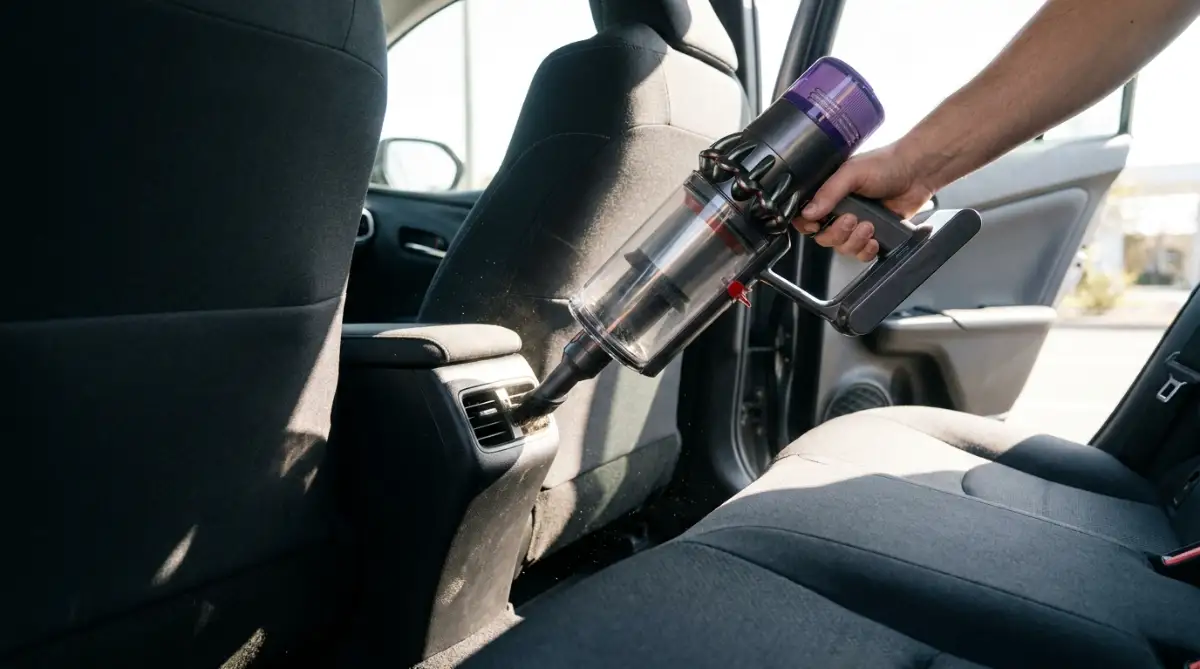
Once I cleared those vents, the difference was instant. You should make it a habit to check the air intake vents for your hybrid battery, which are usually located in the back seat or the trunk area. Simply vacuuming them once a month can make a huge difference in battery life. A cool battery is a happy battery, and it will last much longer if you keep those airways free from obstruction.
Master the Art of Regenerative Braking
One of the coolest features of your hybrid is regenerative braking. When you take your foot off the gas or gently press the brake, the electric motor acts as a generator to recharge the battery. Many drivers drive their hybrids exactly like a standard gasoline car, slamming on the brakes at the last second. This wastes energy and puts unnecessary wear on your physical brake pads.
Instead, try to anticipate traffic lights or stop signs from further away. Ease off the gas pedal early and let the car slow itself down. You will feel the car "catch" as it recharges the battery. This simple change in your driving style not only saves your brake pads but also keeps your hybrid battery in great shape. It is a win-win situation that costs you absolutely nothing but a little bit of focus.
Fact Check: The "One Pedal" Driving Myth
A lot of new hybrid owners think they should constantly use the "B" (Brake) gear on their shifter to force heavy regenerative braking everywhere they go. I tested this for a month, and guess what? It actually hurts your gas mileage on flat roads. The "B" mode is designed for going down steep hills so you don't fry your brake pads. For regular city driving, stick to "D" (Drive) and just ease off the gas pedal early.
Keep Your Fluids Fresh and Clean
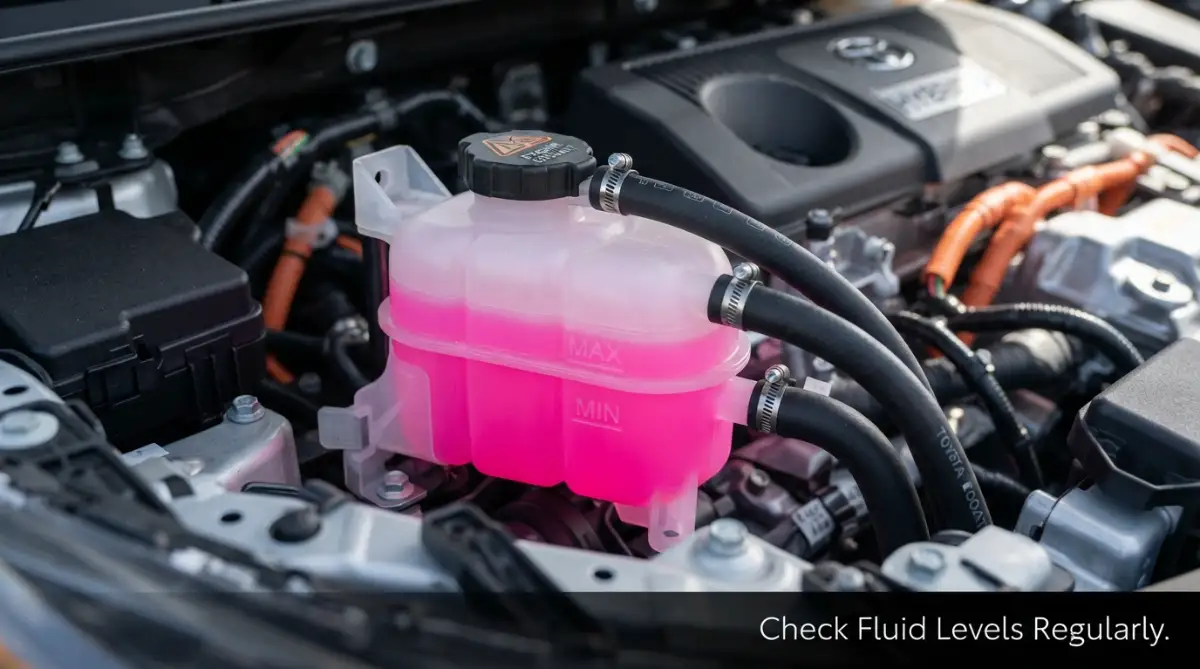
In a standard car, engine oil is the main thing you worry about. In a hybrid, you have the engine, but you also have the inverter coolant. This fluid keeps the electronic components from overheating. If this fluid breaks down, your entire electrical system is at risk.
I suggest you get into the habit of checking your service manual to see when that specific coolant needs to be flushed. Do not just rely on the "lifetime fluid" marketing. Most mechanics agree that nothing is truly lifetime. Replacing this fluid according to the recommended schedule prevents corrosion and keeps the electronic heart of your hybrid beating smoothly. It is a small investment that prevents a very expensive repair bill down the line.
Quick Look: Gas vs. Hybrid Fluid Checks
To make your life easier, I put together a quick comparison of what you need to track. Don't rely on guesswork!
- Engine Oil: Every 5,000 to 7,500 miles (Same for both)
- Brake Fluid: Every 2 years (Hybrids use brakes less, but fluid still absorbs moisture)
- Inverter Coolant: First check at 100,000 miles, then every 50,000 miles (Hybrid exclusive!)
- Transmission Fluid: Every 60,000 miles (Hybrids are super picky about this one)
Why Short Trips Are Killing Your Hybrid
We all take short trips to the grocery store or the gym, but these are actually tough on a hybrid engine. Because the engine is not running constantly, it may not reach its optimal operating temperature during a quick five-minute drive. This can lead to moisture buildup in the oil and incomplete combustion inside the engine.
If you mostly drive on short trips, try to take the car for a longer drive on the highway at least once every two weeks. This helps the engine reach a good temperature and allows the oil to circulate properly. It burns off any moisture and keeps everything lubricated and clean. Think of it as giving your car a chance to "stretch its legs" and breathe.
Pro Tip: My "Aha!" Moment
I once ignored the dashboard "check engine" light for a few days, assuming it was just a glitch because the car felt fine. It turned out to be a minor issue with the sensor that tracks battery temperature, and by ignoring it, I actually caused the cooling fan to work harder, which eventually drained the auxiliary battery. My big realization? Your car is trying to talk to you. Never ignore the warnings, even if the car feels like it is driving perfectly. Trust the sensors, address the issue early, and you will avoid the bigger mess I had to deal with.
The Magic of Proper Tire Inflation
This sounds basic, but for a hybrid, it is everything. Your hybrid relies on rolling resistance to stay efficient. If your tires are under-inflated, the engine has to work much harder to get the car moving. This drains your battery faster and burns more gas.
Check your tire pressure at least once a month. Use the recommended PSI found on the sticker inside your driver-side door, not the number on the tire sidewall. Keeping your tires at the right pressure is one of the easiest ways to improve your fuel economy and reduce strain on the entire hybrid drivetrain. It is a quick five-minute ritual that saves you money at the pump every single week.
Don't Let Your Hybrid Sit Idle
If you have a hybrid that you don't drive very often, you might be hurting it without knowing. The large battery pack needs to be used to stay healthy. If a hybrid sits parked in a garage for weeks at a time, the battery can lose its charge or even develop "memory" issues depending on the type of battery chemistry.
If you are going on a long trip or won't be using your car, try to have someone start it and drive it for twenty minutes once a week. This ensures the battery stays charged and the engine lubricants keep moving. It is much harder to fix a battery that has gone completely flat than it is to simply drive the car regularly.
Want to see these maintenance tips in action? Watch this video to see how to properly clean your battery vents and check your hybrid fluids.
Myth vs. Reality: Hybrid Maintenance
There is a lot of talk about hybrids being "too complicated" to fix. The reality is that the core mechanical parts are very similar to a standard car. You still have spark plugs, oil, air filters, and tires. The only real difference is the high-voltage battery and the electric motor components.
You do not need to be a rocket scientist to maintain your hybrid. Stick to the basic schedule in your owner's manual. Most of the "scary" hybrid-specific maintenance is handled by professional software and sealed components that rarely need attention. If you keep the car clean, keep the fluids fresh, and drive with a gentle foot, your hybrid will reward you with many years of reliable service.
Staying Consistent is the Secret Sauce
Maintenance is not a one-time event; it is a lifestyle for your car. You do not need to do everything at once. Pick one weekend a month to check your fluids, tire pressure, and battery vents. Make it a routine, like brushing your teeth.
When you stay consistent, you catch small issues before they become major problems. You start to understand how your car sounds and feels, which helps you notice when something is slightly off. That awareness is your best defense against unexpected repairs. Your hybrid is a piece of impressive technology, and if you respect it, it will keep you moving smoothly for a very long time. Keep it simple, keep it regular, and enjoy the ride.Now that we have established the foundational habits for your vehicle, it is time to look under the hood with a bit more precision. We are moving from simple checks to expert-level strategies that really make a difference.
Secrets to Extending Your Hybrid’s Lifespan Like a Pro
You have mastered the basics, but if you want to keep your car running like new for years to come, you need to think like a technician. Many owners treat their hybrid as a "drive and forget" machine, but the secret to longevity lies in proactive care. I have found that paying attention to the small details—the ones most drivers ignore—is what separates a car that lasts a decade from one that needs a major overhaul too soon.
One of the most overlooked components in any hybrid is the auxiliary 12V battery. Many people do not realize that your hybrid has two batteries: the large high-voltage pack that drives the wheels and a standard 12V battery that powers the car’s electronics. If that small 12V battery dies, your car will not even start, regardless of how much charge the main pack has. This guide on protecting your battery covers exactly why this is the silent killer of hybrid convenience.
Another expert secret involves the hybrid cooling fan. Most cars have an intake vent that pulls air to cool the main battery pack, and it is usually located near the back seat or cargo area. Over time, this vent collects dust, pet hair, and debris that act like a sweater over the battery. When the battery cannot breathe, it heats up, and heat is the absolute enemy of battery longevity.
You should make it a habit to check this vent every time you vacuum your car. If you notice it looks dusty, use a soft brush or a vacuum attachment to clear it out. According to technical resources from the U.S. Department of Energy, proper thermal management is the biggest factor in battery state-of-health. Keeping that airflow clear is a simple, cost-free step that can save you thousands in premature battery replacement costs.

Do not overlook the software updates that your manufacturer releases. Modern vehicles are essentially rolling computers, and automakers often issue firmware updates to optimize how the engine and electric motor work together. When you take your car in for a service check, always ask if there are any pending software updates for the hybrid powertrain. These small patches can improve your fuel economy and fix minor glitches that you might not even notice yet.
Finally, consider the power of "glide" driving. If you have a screen in your car that shows the energy flow, practice lifting your foot off the accelerator just enough to keep the arrow pointing at neither the gas engine nor the battery. This is the "sweet spot" where you are coasting on momentum. Mastering this not only saves fuel but also reduces the number of charge-discharge cycles on your battery, effectively giving it a lighter workload day-to-day.

Pitfalls and Common Mistakes That Sabotage Your Engine
It is easy to fall into the trap of thinking that a hybrid is "maintenance-free." This mindset is actually the biggest threat to your car’s longevity. I have seen countless owners make avoidable mistakes that turn a reliable car into a money pit. Let’s talk about these traps so you can avoid them entirely.
One major mistake is ignoring the "Ready" light behavior or small dashboard quirks. If your car hesitates for even a split second when you press the start button, or if the lights flicker, do not brush it off as a one-time glitch. These are often early warning signs of a failing 12V auxiliary battery, which we mentioned earlier. Ignoring these symptoms will leave you stranded in a parking lot when you least expect it.
Another dangerous habit is using the wrong oil or ignoring oil change intervals just because you think the engine "runs less." While it is true that your engine does not run 100% of the time, it still experiences "cold starts" more often than a regular car. This means moisture can build up in the oil faster than you might think. Always use the exact weight of oil specified in your owner's manual. Never switch to a thicker or thinner oil just because it is on sale or what the shop has in stock.
Many owners also make the mistake of buying non-original, cheap filters for their cooling systems or air intakes. Your hybrid's cooling system is designed with specific flow rates in mind. If you install a low-quality, restrictive filter, you are literally starving your components of the air they need to stay cool. It is worth spending the extra few dollars for an Original Equipment Manufacturer (OEM) part.
When you get into a situation where you might have to deal with a claim, understand that insurance companies often scrutinize your maintenance records. If you have been doing your own service or skipping recommended checks, understanding why insurance adjusters reject auto claims is an eye-opener. Document every single oil change, air filter swap, and fluid check you perform. Keep the receipts in a simple folder in your glove box.
Finally, do not let your car sit with an empty fuel tank for weeks. If you do not drive your hybrid often, the gas in the tank can degrade, and the fuel injectors can clog. If you are not using the car regularly, keep the tank at least half full and consider adding a fuel stabilizer if the car will be sitting for more than a month. It prevents the fuel from going "stale" and keeps your engine running cleanly the next time you turn the key.
A Path to Long-Term Driving Success
Remember, every small action you take today pays off down the road. You do not have to do everything perfectly every single day. Just pick one thing, like checking your tire pressure or clearing your battery vents, and make it a regular habit. I have personally found that when I treat my car’s maintenance as a relaxing ritual rather than a chore, it actually makes the whole driving experience much more rewarding. You are in the driver's seat of a fantastic piece of technology, and with these simple steps, you will enjoy a smooth ride for many years to come.
Common Questions About Hybrid Maintenance
Do hybrids require different oil than regular gasoline cars?
Yes, often they do. Most hybrids require a specific synthetic oil with a lower viscosity to reduce friction and improve fuel efficiency. Always check your owner’s manual for the exact specifications, as using the wrong oil can negatively impact your engine's performance.
How long should I expect my hybrid battery to last?
Most modern hybrid batteries are designed to last the life of the vehicle, often well over a decade. However, factors like extreme heat, lack of ventilation for the battery cooling system, and irregular driving habits can impact its longevity. Regular maintenance, as discussed, is the best way to ensure you get the most out of it.
Can I drive my hybrid if the high-voltage battery is empty?
Generally, no. The hybrid system is designed to keep the battery within a specific "state of charge" range. If the battery were to drop below that, the car would likely go into a "limp mode" or fail to start. The car’s computer manages this automatically, so you rarely have to worry about it unless there is a mechanical fault.
Should I "warm up" my hybrid engine before driving?
It is not necessary to let your car idle to warm up, even in cold weather. Modern hybrid engines are designed to reach operating temperature quickly once you start driving. Gentle driving for the first few miles is much better for the engine than letting it sit and idle in the driveway.
Disclaimer: This content is for informational and educational purposes only. Always refer to your vehicle's owner's manual for specific maintenance instructions and safety guidelines. If you are unsure about performing any maintenance, please consult with a qualified, certified automotive technician. We are not liable for any damages or issues arising from the implementation of these tips.