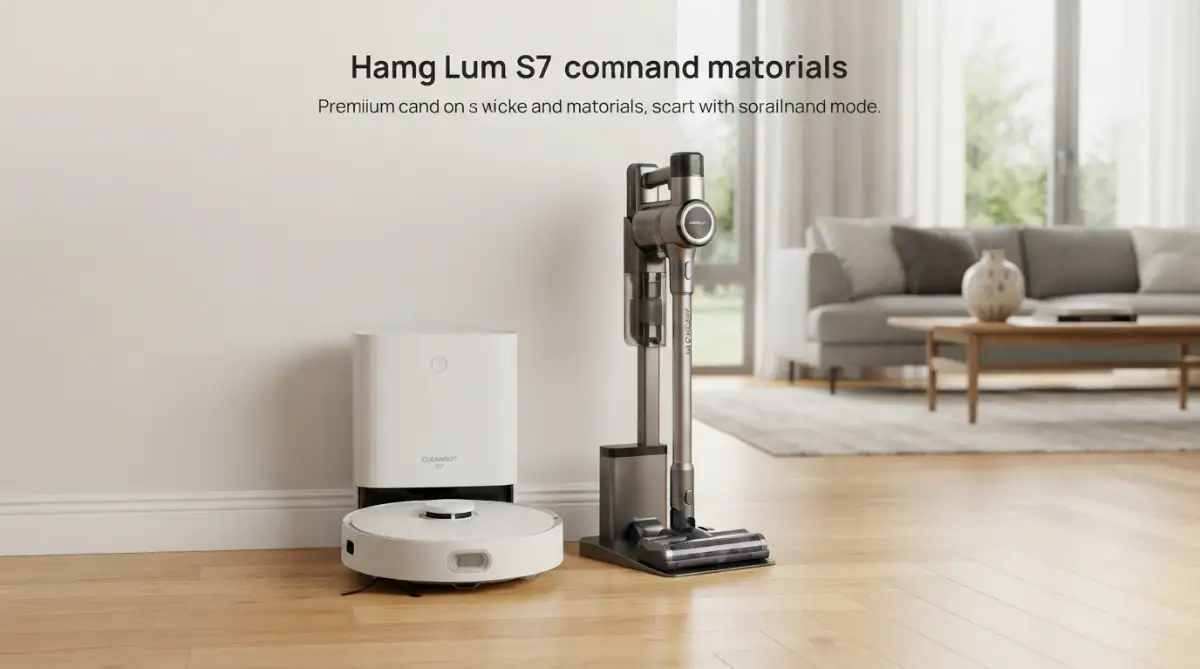
The Endless Battle Against Fur and Fluff
You just finished vacuuming the living room, sat down with your coffee, and boom—a fresh tumbleweed of dog hair rolls right past your feet. Sound familiar? I have spent years fighting this exact same shedding battle with my own pets, jumping from one shiny new cleaner to another. Instead of giving you a boring tech manual, let me share exactly what actually works to keep your floors clean, without making you lose your mind or your savings.
Have you ever experienced that sudden spike of panic when a friend texts you saying they are dropping by in ten minutes? I used to run around my living room like a crazy person with a heavy, clunky old vacuum, desperately trying to suck up the visible cat hair off the rugs. It was incredibly stressful. Living with pets brings so much joy, but dealing with their shedding can slowly drain your daily mental peace.
The reality is that pet hair does not just sit neatly in one corner of the room. It floats through the air, gets deeply embedded into your expensive carpets, and somehow ends up on the kitchen counters. Regular sweeping just pushes the fur around into the air, making you sneeze and triggering annoying allergies.
This exact daily frustration pushed me to completely rethink my entire cleaning strategy. I knew I needed an upgrade, but I was totally confused by the flashy marketing in the tech world. Should I invest my hard-earned money in a futuristic robot that cleans automatically, or do I need the raw, instant power of a modern cordless stick vacuum?
Myth vs. Reality: The Pet Hair Vacuum Truth
-
The Myth: Robot vacuums can completely replace regular vacuuming in a pet owner's home.
-
The Reality: Think of a robot as your daily maintenance worker. It keeps the surface clean so dust bunnies do not form. But for ground-in dirt, sofa cushions, and carpeted stairs, you will still need the raw suction of a manual vacuum at least once a week. I highly recommend using a tag-team approach for the best results.
Quick Takeaways for Busy Pet Parents
-
Daily Maintenance: Robot vacuums are perfect for handling everyday surface shedding on hard floors and thin rugs.
-
Deep Cleaning Power: Cordless stick vacuums are a must-have for thick carpets, stairs, and emergency messes.
-
The Anti-Tangle Rule: Always choose models with rubber rollers or specific hair-cutting fins to avoid cutting tangled fur by hand.
-
Filter Health: Emptying the bin immediately and washing your filters prevents that nasty "wet dog" smell from ruining your living room air.
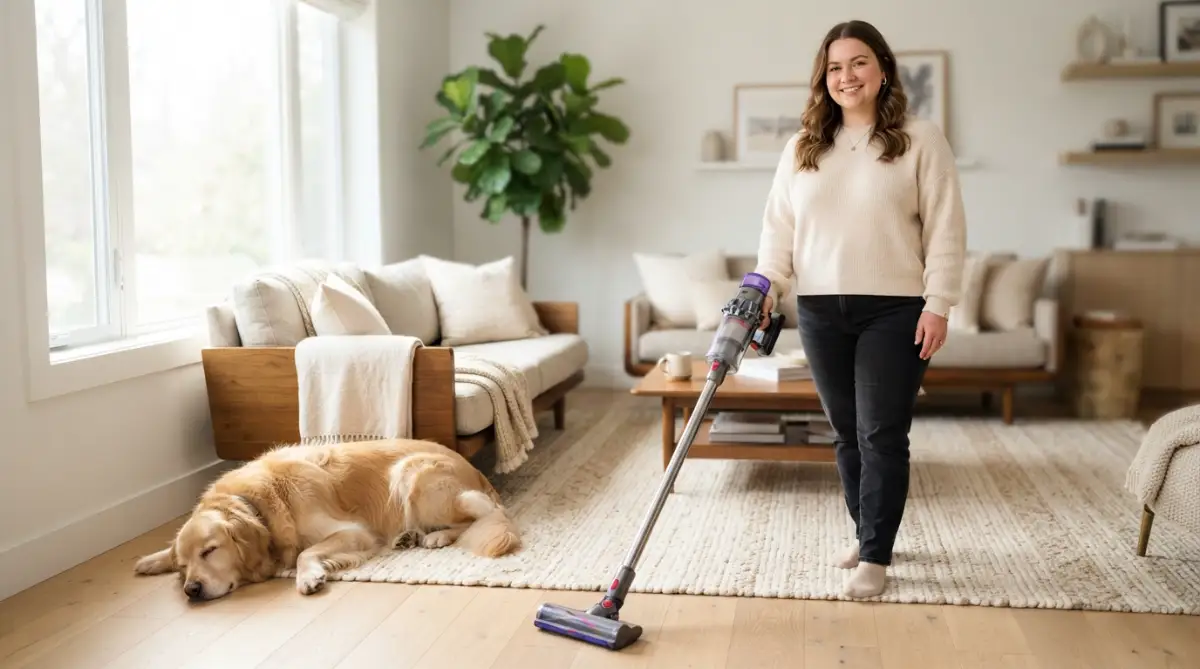 Breaking Down the Best Cleaning Weapons for Pet Owners
Finding the right tool to manage daily shedding is one of the most important decisions you will make for your home sanity. Both automated robots and battery-powered stick vacuums offer incredible benefits, but they solve the hair problem in completely different ways. Let us look closely at how each device actually performs in a real home filled with animals.
The Magic of Hands-Free Automated Cleaning
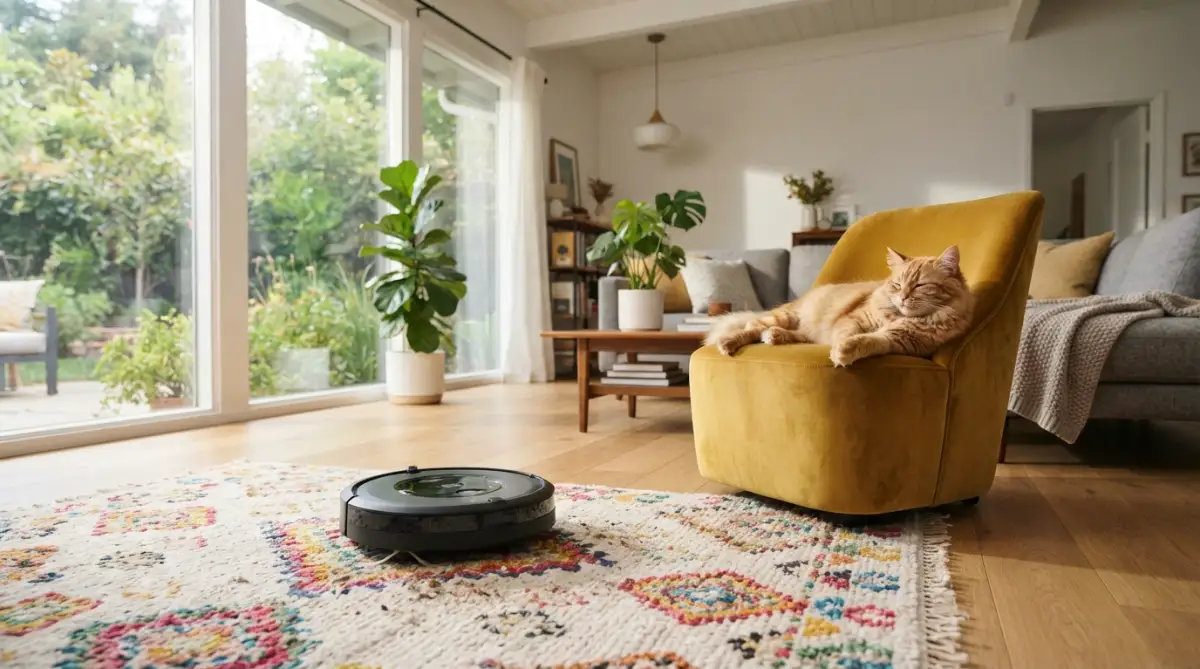 Imagine having a tiny, invisible maid who wakes up every single morning, quietly sweeps your entire house, and goes back to sleep without ever asking for a paycheck. That is exactly what a high-quality robot vacuum brings to your life. When it comes to managing constant, daily shedding, consistency is your best friend.
A robot vacuum thrives on a regular schedule. You can easily program it through a simple app on your phone to start cleaning at 10 AM every day while you are sitting at your desk at work. By the time you unlock your front door in the evening, the floors are magically clear of that annoying layer of fur.
This daily maintenance is a massive game changer for allergy sufferers. Because the robot runs every day, the loose hair never gets a chance to build up, float into the air, or get deeply crushed into your carpets by heavy footsteps. It is a slow, steady, and highly methodical approach to home hygiene.
However, robots do have some clear limitations that you need to know about. They are brilliant at handling wide-open spaces and navigating around basic furniture. But they are completely useless when it comes to cleaning the hair off your favorite fabric sofa or reaching those weird, tight corners behind the television stand.
Also, if you have a new puppy or an older dog that occasionally has stomach issues inside the house, running an automated robot on a schedule can lead to a literal disaster. You always have to do a quick visual check of your floors before letting the robot roam free.
Watch this incredibly helpful video to see exactly how these two types of vacuums perform head-to-head in a real home with heavy shedding pets!
The Raw Power and Instant Control of Cordless Devices
On the other side of the ring, we have the modern cordless stick vacuum. If the robot is a slow and steady worker, the stick vacuum is your rapid response emergency team. When your cat violently kicks a bunch of kitty litter out of the box, you do not want to pull out your phone, open an app, and wait for a robot to slowly find its way to the bathroom.
You want to grab a lightweight tool from the wall mount, pull the trigger, and completely fix the problem in exactly fifteen seconds. That immediate satisfaction is something a robot simply cannot provide.
Cordless stick vacuums are incredibly versatile. With a quick click, you can remove the long floor wand and turn the device into a powerful handheld cleaner. This means you can easily attack the massive pile of hair your dog left on the back seat of your car.
You can vacuum the stairs effortlessly without tripping over a heavy power cord. You can even reach up high to suck down those creepy spider webs in the ceiling corners.
I actually learned a tough lesson about relying only on one type of machine during my first year of having a heavy-shedding dog.
My personal realization hit me hard when I thought buying a highly rated robot vacuum would completely solve all my cleaning problems forever. I stopped doing deep cleans because the bare floors looked great on the surface. But one weekend, I decided to move my living room rug to clean underneath it, and I was absolutely horrified. The robot simply did not have the deep suction power to pull the trapped hair out of the thick rug fibers, and a massive layer of hidden dirt had built up over months. I realized right then that convenience does not always mean deep cleanliness.
Understanding Suction Power and Brush Roll Technology
When you are fighting against pet hair, raw suction power is only half of the story. The design of the brush roll underneath the vacuum is just as critical. Many traditional vacuums use basic bristles that act like a hairbrush.
If you have a pet with long hair, or if you have long hair yourself, these traditional bristles will tightly wrap the hair around the spinning bar. Within two weeks, the brush gets completely choked, stops spinning, and the vacuum loses all its cleaning ability.
Modern premium cordless stick vacuums often come with specialized anti-tangle technology. They use small plastic teeth or specifically angled silicone fins that actively cut or pull the long hairs directly into the dustbin before they can wrap around the roller. This saves you the disgusting job of sitting on the floor with a pair of scissors, slowly cutting dirty hair off your machine.
Robot vacuums are also getting much better at this. Many high-end models now use dual rubber extractors instead of traditional brushes. These thick rubber rollers grab the pet hair, stretch it, and pull it directly into the suction channel.
Rubber is naturally resistant to tangling, making these specific robots highly recommended for homes with golden retrievers, huskies, or long-haired cats. When shopping, always look specifically for the words "anti-tangle" or "rubber brush rolls."
Analyzing Your Specific Home Layout
Your house is completely different from your neighbor's house, which means the vacuum that works perfectly for them might be terrible for you. Before you spend your money, you must seriously analyze your own floor plan.
Do you live in a single-story apartment with smooth laminate flooring everywhere? If so, a robot vacuum will easily become your best friend. It can glide from the kitchen to the bedroom effortlessly, picking up light dust and rolling fur with zero problems.
But what if you live in a large, multi-story house with thick, plush carpets in the bedrooms and hardwood in the living room? A single robot cannot climb up the stairs to clean the second floor. You would literally have to pick it up and carry it up the steps, which ruins the whole idea of hands-free convenience.
Additionally, thick carpets require a massive amount of suction to pull up pet dander and embedded dirt. Most standard robot vacuums simply lack the battery power to generate that much deep suction for a long period.
In a multi-level home with mixed flooring, a powerful cordless stick vacuum is usually the smarter primary choice. You can easily walk up and down the stairs with it. The high-powered motor can dig deep into your thick carpets, and the battery easily lasts long enough to do a quick pass over the main living areas.
How Noise Levels Affect Your Furry Friends
We often forget to consider how our pets feel about these loud cleaning machines. Dogs and cats have highly sensitive hearing, and the high-pitched screaming noise of a vacuum motor can cause them severe anxiety.
Cordless stick vacuums are generally very loud because the motor is located right near the handle, and it runs at extremely high speeds to generate powerful suction from a small battery. When you turn it on, many pets will immediately run away in fear and hide under the bed until you are finished.
Robot vacuums, on the other hand, are usually much quieter. Because they operate slower and rely more on sweeping rather than raw suction, the motor noise is low and steady. It sounds more like a gentle hum rather than a screaming jet engine.
Many pets get completely used to the robot within a few days. They might just watch it curiously or even lazily sleep right through its cleaning cycle. If you have an older pet with heart issues or a highly anxious rescue dog, the quiet operation of a robot can make a massive difference in their daily stress levels.
Dealing with the Dreaded Dustbin
Cleaning up pet hair means dealing with a massive volume of waste. Fur is light, but it takes up a huge amount of physical space inside a vacuum dirt bin. This is an area where both types of vacuums have different challenges.
Standard robot vacuums have very small dirt compartments. If you have a husky that is blowing its winter coat, the tiny bin on the robot will literally fill up in less than ten minutes. The robot will then stop cleaning, beep at you loudly, and demand to be emptied.
This completely destroys the hands-free experience. Thankfully, the tech industry solved this by inventing self-emptying base stations. When the robot gets full, it drives back to its charging dock, and a much larger secondary vacuum sucks all the hair out of the robot and into a large disposable bag. If you are buying a robot for pet hair, a self-emptying base is absolutely essential.
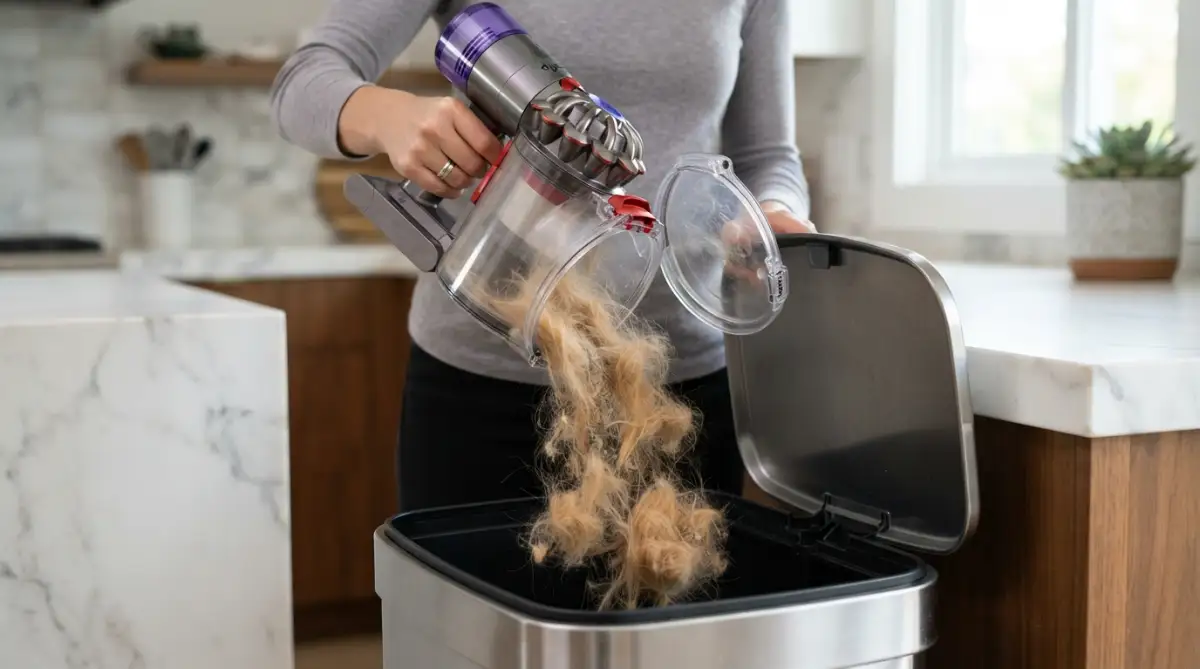
Cordless stick vacuums usually have slightly larger bins than a basic robot, but they still require manual emptying. Emptying a stick vacuum can sometimes be a messy job. Static electricity causes pet hair and fine dust to cling tightly to the inner plastic walls of the bin.
You often have to reach your fingers inside the dirty bin to physically pull out the clumps of dog hair that get stuck around the metal filter. Some newer stick vacuums have a satisfying physical lever that scrapes the inside of the bin for you, pushing the hair directly into the trash can
A Quick Look at the True Cost of Ownership
When you are fighting endless pet shedding, you must think about the long-term investment. High-quality robot vacuums with smart mapping, rubber brushes, and self-emptying bases are highly complex pieces of technology. They have dozens of moving parts, delicate sensors, and expensive software.
Because of this complexity, they require regular maintenance. You have to wipe off the cliff sensors so it doesn't fall down the stairs. You have to occasionally replace the spinning side brushes when they get bent out of shape. You also have to continuously buy the specialized dirt bags for the auto-empty station.
Cordless stick vacuums are much simpler machines. While the premium models are still expensive upfront, they have fewer small moving parts that can break. The biggest long-term cost for a stick vacuum is usually the battery.
Lithium-ion batteries naturally degrade over time, especially if you constantly run the vacuum on its maximum "Boost" setting to pull up stubborn cat hair. After two or three years of heavy daily use, you will likely notice the runtime dropping significantly, forcing you to purchase a replacement battery.
Quick Cost Reality Check:
Let us talk about hidden costs. If you buy a premium robot vacuum, expect to spend around 30 to 50 dollars a year just on replacement dust bags and side brushes. On the other hand, a good cordless stick vacuum battery usually costs between 80 to 130 dollars, but you only need to buy it once every three years. Knowing these numbers upfront helps you plan your true cleaning budget.
Both machines offer incredible value for pet owners, but they require you to understand exactly what you are paying for. You are either buying back your daily free time with an automated robot, or you are buying the raw, instant satisfaction of a powerful cordless stick. As we continue to explore these options, you will see exactly how to make the perfect choice for your specific living situation.
Mastering Your Daily Pet Hair Cleaning Routine
Once you decide between a smart automated helper and a powerful handheld machine, the real journey begins. Buying the hardware is just the first step in solving your furry floor problems. To truly maintain a clean home without losing your mind, you need a solid strategy.
I want to share some incredibly effective methods I use in my own home to keep the dog hair completely under control. These are practical habits you can start doing right now, regardless of which machine you actually own.
First, you have to understand the natural shedding cycle of your specific animal. Dogs and cats do not just drop hair randomly; they usually have heavy shedding seasons based on the weather. If you notice your golden retriever leaving massive clumps of fur on the rug, it is time to brush them outside.
By actively removing the loose undercoat with a proper grooming brush outdoors, you stop that hair from ever hitting your floors. According to resources from the American Kennel Club (AKC), a consistent weekly brushing routine can drastically reduce indoor shedding. This single habit takes five minutes but saves your vacuum from doing hours of unnecessary heavy lifting.
If you own an automated floor cleaner, strategic scheduling is your secret weapon. Do not just let the machine run wild while you are sleeping. Instead, set the app to run the cleaner exactly one hour after your family leaves the house for the day.
This gives the dust and floating hair enough time to settle quietly onto the ground. By running the machine in an empty house, you also avoid accidentally stepping on it or scaring your pets while they try to eat their breakfast.
However, keep in mind that these smart machines map out the inside of your private home. I always recommend going into the companion app and checking your data sharing settings. Taking a few seconds to turn off unnecessary data collection is a great step toward reclaiming your privacy online while still enjoying automated cleaning.
For those of you relying on a powerful stick vacuum, my biggest secret is learning to clean from the top down. Pet hair loves to float up and stick to your curtains, lampshades, and couch cushions. If you only vacuum the floor, you will be deeply frustrated when new hair falls down from the sofa just ten minutes later.
Always start by using the small upholstery attachment to clean your furniture first. Work your way down the sides of the couch, hit the baseboards, and finish with the main floor. This guarantees that gravity works with you, not against you.
Another game-changing habit is paying close attention to indoor air quality. Pet dander is incredibly fine, and cheap vacuums will simply blow it right back into the air you breathe. The Environmental Protection Agency (EPA) strongly advises using devices with high-efficiency particulate filters to trap these tiny allergens.
Always make sure your machine has a genuine HEPA filter installed. This simple upgrade stops your home from smelling like a wet dog and keeps your family from sneezing all evening. If your vacuum feels slow or unresponsive, you might also want to check the companion app on your phone.
Sometimes, a sluggish app can make scheduling your cleaning sessions feel frustrating. In those moments, looking into optimizing background processes on your phone app can make your entire smart home experience much smoother.
 The Heartbreaking Traps Many Pet Owners Fall Into
Even with the best tools in the world, many pet parents end up deeply frustrated because they fall into a few massive traps. I have made almost all of these mistakes myself, and I can tell you exactly how painful they are to fix. Avoiding these specific pitfalls will save your expensive machine from an early death.
The most common and destructive mistake is completely ignoring the filters. A vacuum only works if air can flow through it easily. When you are sucking up pounds of thick animal fur, fine dust quickly turns into a solid brick of dirt inside the internal filter.
If you do not wash or replace this piece regularly, the motor has to work twice as hard just to pull in air. Over time, this massive strain will literally burn out the motor, leaving you with a dead machine and a house full of fur.
Many people also make the mistake of leaving the dirty hair inside the bin for days at a time. Pet hair contains natural oils, dander, and sometimes tiny bits of moisture from your animal's saliva. If you leave that mixture trapped in a dark plastic box, it will start to grow mold and smell terrible.
The next time you turn the device on, it will blast that horrible musty odor all over your clean living room. According to the Asthma and Allergy Foundation of America, managing trapped pet dander properly is highly recommended to prevent severe indoor allergy flare-ups. Always empty your bin the exact moment you finish cleaning, no matter how tired you are.
Another heartbreaking scenario happens when people trust their automated robots too much. We all love the idea of hands-free cleaning, but your floors need to be prepared first. If you leave thin phone charging cables, small dog toys, or scattered socks on the rug, the machine will find them.
The spinning brushes will tightly wrap around your expensive phone charger, dragging it across the room and potentially ripping it out of the wall. You must do a strict two-minute visual sweep of the room before pressing the start button. It takes a little extra effort, but it prevents costly disasters.
Sometimes, I even check my living room floor while I am stuck at the office by monitoring my pets remotely through a simple indoor camera. This lets me know exactly when it is safe to activate the cleaning cycle from my phone.
People who use battery-powered stick vacuums often fall into the trap of overusing the "Max" or "Boost" power button. It feels incredibly satisfying to hear that motor scream as it pulls up stubborn cat hair from a thick carpet. However, running the machine on maximum power constantly generates massive amounts of heat.
This extreme heat slowly cooks the lithium-ion battery cells, permanently ruining their ability to hold a charge. You will quickly find your forty-minute runtime dropping to just ten minutes. Just like we rely on modern fast-loading technology in our computers to work efficiently without overheating, you must use your vacuum's standard power mode for regular floors and save the boost setting only for the really tough messes.
Finally, relying entirely on one single machine to do every possible job is a huge mistake. A robot cannot clean your carpeted stairs, and a stick vacuum cannot clean under a heavy king-size bed without breaking your back.
Many happy pet owners eventually realize that a hybrid approach is the only true solution. Using an automated cleaner for daily surface maintenance and a powerful handheld device for deep weekend cleans creates a perfectly balanced home environment.
Your New Game Plan for a Fluff-Free Home
Living with dogs and cats should be about making wonderful memories, not stressing over endless piles of shedding fur. You deserve to walk barefoot across your living room without feeling grit and hair sticking to your feet.
By understanding the exact strengths of these modern cleaning devices, you can finally take your time back. You no longer have to spend your precious weekend mornings sweating over a heavy, outdated machine.
Whether you choose the quiet, daily consistency of an automated floor cleaner or the raw, immediate power of a lightweight handheld device, your home is going to feel significantly fresher. The heavy burden of daily pet maintenance is finally off your shoulders.
Start looking at your home layout tonight, check the type of flooring you have, and observe exactly where your furry friends love to sleep. This simple observation will tell you exactly which tool you need to buy to make your life easier.
My absolute favorite thing about upgrading my cleaning routine was finally feeling proud of my home again. I stopped apologizing to guests about the dog hair on the couch and started actually enjoying my free time. Take that first step today, choose the right tool for your specific home, and I promise you will never want to go back to your old sweeping habits!
Questions People Also Ask About Pet Hair Vacuums
What is the absolute best vacuum for a golden retriever?
Golden retrievers have long, thick hair that tangles very easily. The best machine for them is one that features active anti-tangle technology or dual rubber brush rolls. This specific design stops their long fur from wrapping around the cleaning head, saving you the hassle of cutting it out with scissors.
Can a robot vacuum replace normal vacuuming in a pet home?
A smart automated cleaner is fantastic for daily surface maintenance, but it cannot completely replace manual deep cleaning. You will still need a traditional or handheld machine to tackle stairs, thick rugs, and heavy furniture. Using both tools together provides the best possible results.
Why does my stick vacuum smell like a dirty dog?
That horrible smell happens when pet hair, dander, and natural oils get trapped inside the internal filter and dustbin for too long. To fix this immediately, wash the bin out with warm soapy water and replace the HEPA filter with a brand new one. Always empty the dirt right after you finish cleaning.
How long do battery-powered stick vacuums actually last?
If you maintain them properly, the physical machine can easily last for many years without any major issues. However, the lithium-ion battery will naturally degrade over time, especially with heavy daily use. You should expect to buy a replacement battery after about two to three years.
Do robot vacuums scare cats and dogs?
Initially, the strange movement and low humming noise might make your pets a little nervous or curious. However, because these machines are much quieter than traditional upright vacuums, most animals completely ignore them after a few days. Many cats even learn to comfortably sleep right through the entire cleaning cycle.
Disclaimer: The information provided in this article is for educational and informational purposes only. Always refer to the manufacturer's official manual for specific maintenance and safety guidelines regarding your chosen electronic devices.