Waking Up Exhausted: My Silent Fight for Restful Nights
My alarm would go off, and honestly, I felt worse than when I went to sleep. My head throbbed, my throat felt like sandpaper, and I kept blaming my busy work schedule for the heavy exhaustion. It wasn't until my partner told me I was literally stopping breathing in the middle of the night that I realized something was seriously wrong.
For the longest time, I thought I was just dealing with heavy stress or not staying in bed long enough. I would blame my busy schedule, constantly promising myself that I would rest more on the weekends. But then, my partner told me something that completely shook my reality.
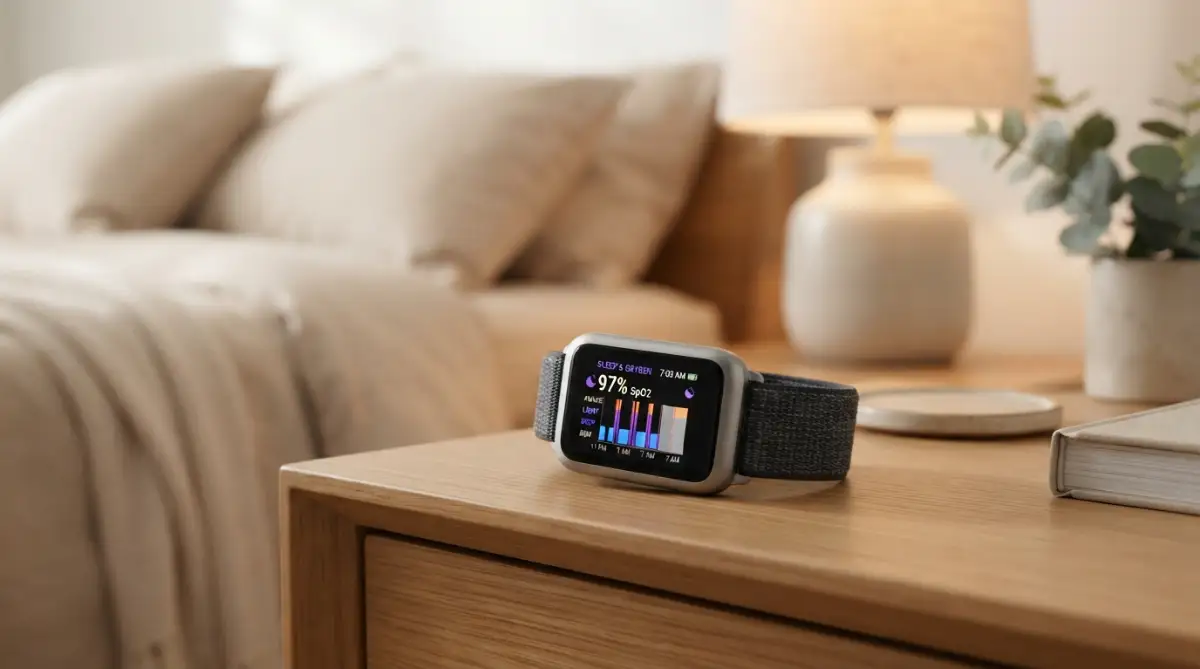
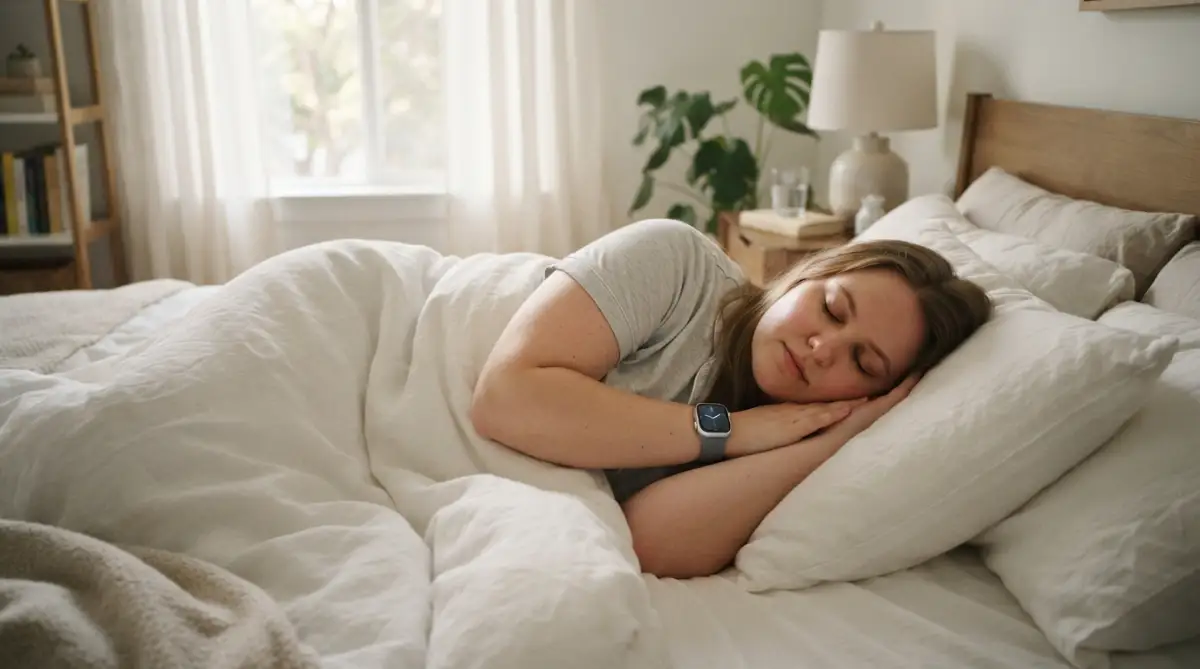
She noticed that I would suddenly stop breathing for several seconds and then violently gasp for air in the middle of the night. That sudden realization terrified me, and I knew I needed to find real answers as fast as possible. I started wearing my smartwatch to bed, hoping to see what was actually happening to my body while I was unconscious.
Seeing those massive drops in my blood oxygen levels on the small digital screen completely changed my approach to personal health. It gave me the physical proof I needed to finally book an appointment with a doctor. I realized I was not just tired; my body was fighting for air every single night.
So many people are silently struggling with this exact same problem right now, feeling completely lost and alone. You might be dragging yourself out of bed daily, relying on four cups of coffee just to survive your morning shift..
Quick Health Takeaways
-
Check your smartwatch fit: Wear it tightly one finger-width above your wrist bone so the light sensors can read your blood flow properly.
-
Focus on long-term trends: Do not panic over one single bad night. Look for consistent drops in your oxygen over a full week.
-
Keep your room cool: A bedroom around 65 degrees keeps your heart rate steady and gives your watch much cleaner data.
-
Gadgets are not doctors: Use your smart watch to gather proof, but always take that printed data to a real medical professional for actual advice.
Decoding the Hidden Signals of Your Rest
When you close your eyes, you assume your body is perfectly repairing itself for the next day. However, if your airway gets blocked, your brain hits a panic button to wake you up just enough to breathe.
Because you do not fully wake up, you never actually remember these scary micro-awakenings in the morning. This is exactly where modern wearable technology steps in to act as your personal night watchman.
These tiny smart devices sit quietly on your wrist, collecting millions of data points while you dream. They measure tiny changes in your blood flow, heart rhythm, and even how much you toss and turn
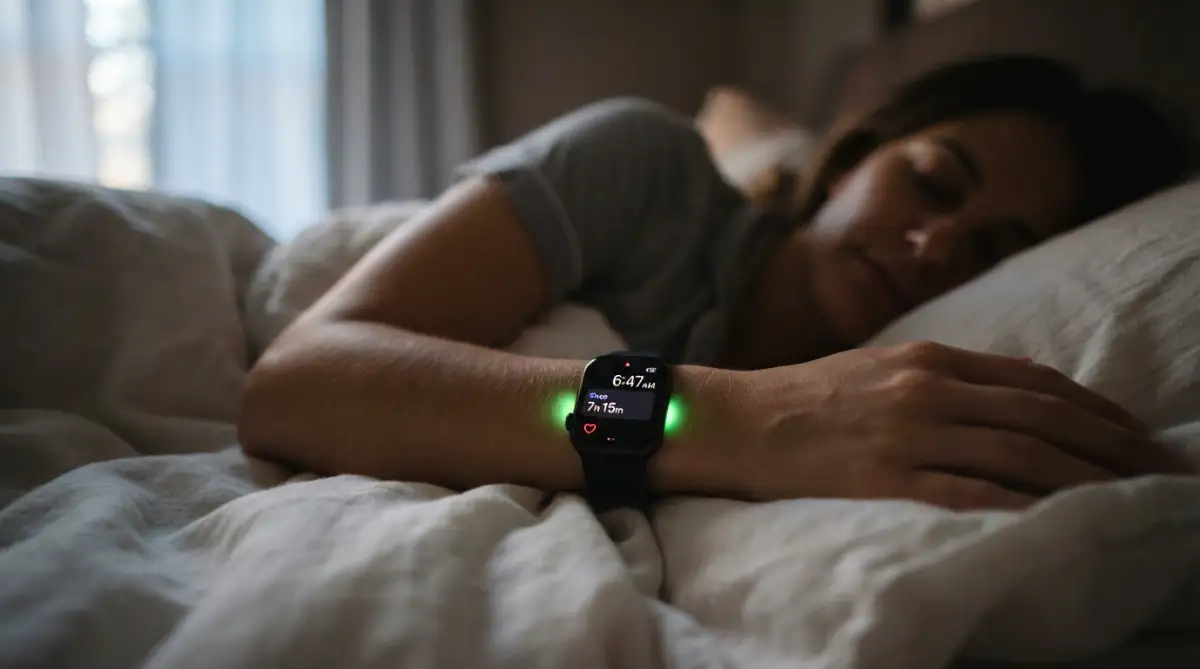 By analyzing all these small details, modern technology can paint a highly accurate picture of your nighttime breathing patterns. Let us look closely at the exact sensors that make this health tracking possible.
The Power of Blood Oxygen (SpO2) Sensors
The most important feature of any health wearable today is the SpO2 sensor. This specific sensor shines red and infrared light straight through your skin to look at your blood vessels.
Oxygen-rich blood absorbs this light very differently compared to blood that is running low on oxygen. By measuring how much light bounces back, the watch can estimate the percentage of oxygen traveling through your body.
A healthy person usually maintains an oxygen saturation level between 95 and 100 percent throughout the night. If your reading drops below 90 percent frequently, it is a strong sign that your body is struggling to breathe properly.
Let me break down what these oxygen numbers actually mean for your daily routine. If your watch shows 95 to 100 percent, you are sitting right in the safe zone. Readings between 90 to 94 percent mean your body is working a bit harder, maybe due to a minor cold, a stuffy nose, or a bad sleeping position. But if you see it dipping below 90 percent on a regular basis, that is your direct cue to call a doctor right away.
Tracking these sudden drops is the easiest way to identify potential nighttime breathing blockages. Having a reliable SpO2 sensor on your wrist gives you an amazing window into your internal health.
Monitoring Your Heart Rate Variability (HRV)
Heart rate variability sounds like a complicated medical term, but it is actually very simple to understand. It measures the tiny variations in time between each of your individual heartbeats.
When your body is perfectly relaxed and breathing well, the time between your heartbeats naturally shifts and fluctuates. However, if you stop breathing, your nervous system panics, causing your heart rhythm to become very stiff and rigid.
High-quality trackers constantly measure these tiny rhythm changes to detect moments of extreme physical stress during your sleep. A sudden drop in HRV often aligns perfectly with a sudden drop in your blood oxygen.
Together, these two data points give you a much clearer warning sign than just guessing how you feel. Monitoring your HRV is an amazing way to see exactly how hard your body is working while you rest.
If you want to visually understand exactly how these tiny wrist sensors measure your nighttime breathing patterns, this short breakdown is absolutely amazing. Watch this incredible visual guide to see what happens to your oxygen levels during a sleep disruption:
How Accelerometers Detect Restless Tossing
You might wonder how a small watch knows exactly when you fall asleep and when you wake up. The secret lies in a tiny sensor called an accelerometer, which tracks every single physical movement your body makes.
When you struggle to breathe, your brain forces your body to shift positions to open up your airway. This results in heavy tossing, turning, and highly restless movements throughout the night.
A smart tracker records all these micro-movements to determine if you are getting deep, restorative rest or just fighting the sheets. Frequent movement spikes on your morning graph usually point toward poor breathing quality.
This movement data perfectly complements your oxygen readings, creating a highly detailed timeline of your physical struggles. It is fascinating how tracking basic wrist movements can reveal so much about your hidden health issues.
Myth vs. Reality: What Wearables Can Actually Do
There is a lot of confusion about what smart tech can and cannot do for your personal health. Many people mistakenly believe that buying a premium watch instantly diagnoses all their medical conditions.
Myth: A fitness tracker can officially diagnose a medical breathing disorder.
Reality: Absolutely no consumer wearable on the market is legally cleared to diagnose serious medical conditions. They are strictly screening tools designed to show you warning signs and strange patterns.
Myth: The SpO2 sensors on watches are just as accurate as hospital equipment.
Reality: Medical-grade finger monitors will always be more accurate than a device strapped to a moving wrist. However, modern watches are more than accurate enough to spot consistent, repetitive drops in your oxygen levels over time.
Understanding these exact limitations helps you use the data correctly without unnecessary anxiety. The true value of a tracker is its ability to monitor your baseline health every single night for months.
Practical Steps to Get the Most Accurate Readings
Even the most expensive piece of technology will give you terrible data if you do not use it correctly. Small mistakes in how you wear the device can completely ruin the accuracy of your morning sleep graphs.
Here is a practical realization from my own journey. I noticed my oxygen graphs looked terribly inaccurate when I wore my strap too loosely before bed. Keeping the band snug just one finger-width above my wrist bone instantly fixed the missing data issues.
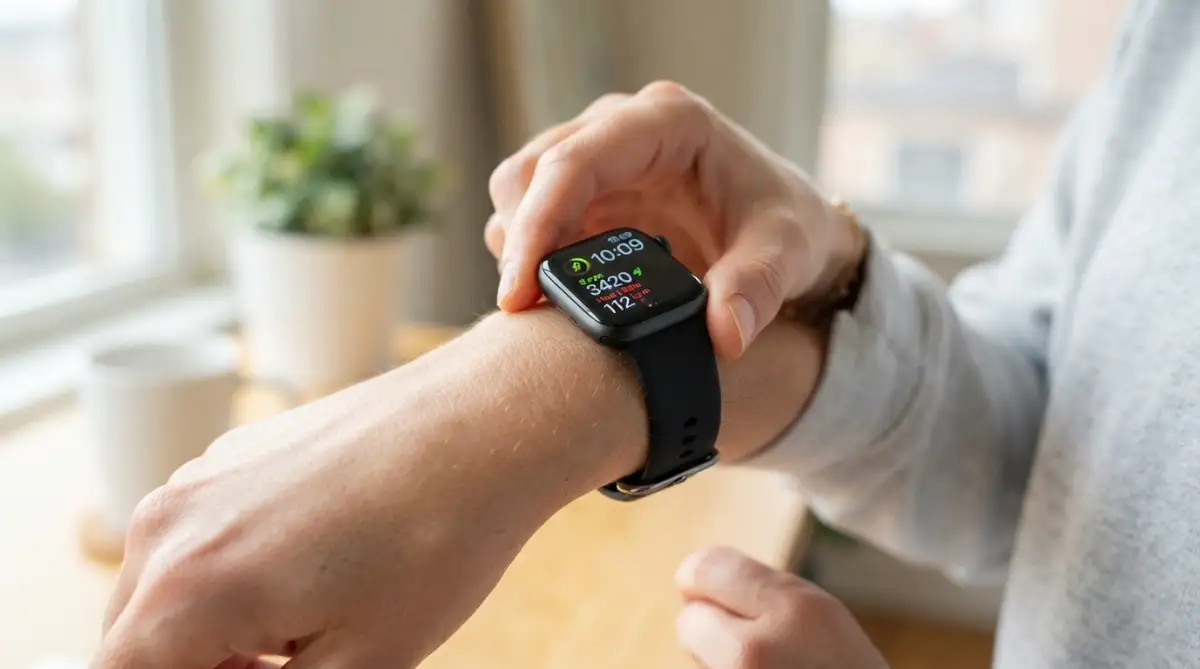 Your tracker needs constant, unbroken contact with your skin to properly read your blood flow. If the watch slides around while you sleep, the light sensors will capture empty air instead of your blood vessels.
Before getting into bed, make sure the band is comfortably tight but not restricting your blood flow. You should not be able to easily slide a finger under the sensor housing.
Also, consider wiping the back of the watch with a soft microfiber cloth before you put it on for the night. Sweat, dead skin cells, and daily lotions can easily block the tiny optical sensors, leading to heavily flawed data.
Managing Battery Life for Nighttime Tracking
Continuous health monitoring drains tiny batteries extremely fast, especially when the oxygen lights are flashing all night. There is nothing worse than waking up to find your device died at 3 AM, losing half of your health data.
To prevent this frustrating issue, you need to build a solid daily charging routine that fits your lifestyle. Many users find it easiest to charge their devices while they take a shower and get dressed in the morning.
This simple daily habit ensures your wearable has plenty of power to make it through the entire night. You can also turn off unnecessary daytime notifications to save precious battery life for your sleep tracking.
Some devices offer a specific "sleep mode" that dims the screen and pauses random alerts. Activating this mode not only saves battery but also prevents bright screens from disturbing your natural rest.
Dealing with Darker Skin Tones and Tattoos
It is a well-known scientific fact that optical sensors sometimes struggle with heavy wrist tattoos and darker skin tones. The ink or natural melanin can absorb the green and red lights before they ever reach your blood vessels.
If you have a full sleeve tattoo, you might notice frequent gaps or completely blank spots in your morning data. The absolute best workaround is simply switching the device to your other wrist if it is free of heavy ink.
If both wrists have tattoos, you might need to wear the watch slightly higher up your arm to find clear skin. Technology companies are constantly improving their algorithms to handle different skin types, but it remains a minor challenge.
Always check your daily graphs to ensure the device is actually capturing a continuous reading. If you see massive missing chunks of time, you need to adjust the placement immediately.
Turning Raw Data into Actionable Conversations
Collecting hundreds of numbers on your phone screen means absolutely nothing if you do not know how to use them. The ultimate goal of wearing these devices is to have a meaningful, data-backed conversation with a qualified healthcare professional.
Most health applications allow you to easily export your nighttime oxygen and heart rate reports into a clean PDF file. Printing out these specific reports gives your doctor a clear, historical view of your weekly breathing habits.
Instead of just saying, "I feel tired," you can point directly to the exact moments your oxygen dropped. Doctors deeply appreciate patients who bring organized, easily readable logs of their daily symptoms and tech readings.
Remember, you are using this powerful technology to build a strong case for a proper medical sleep study. Your smartwatch is essentially your best witness, proving that your sleep environment needs professional attention.
Avoiding the Trap of Sleep Anxiety
While data is incredibly helpful, obsessing over your nightly numbers can actually cause more harm than good. Constantly checking your scores the moment you open your eyes can lead to a real condition called orthosomnia.
Orthosomnia is the intense, unhealthy obsession with achieving the perfect sleep score on a digital tracking device. If you see a low score, you might spend the entire day feeling stressed, which ironically ruins your sleep the next night.
To protect your mental peace, try reviewing your health data only once a week instead of every single morning. Looking at a weekly average provides a much more accurate picture of your overall health trends anyway.
One bad night of poor oxygen readings could simply be from sleeping in an awkward position or having a mild cold. You should only be concerned if you see repetitive, severe drops occurring continuously over several weeks.
Treat your wearable as a helpful background assistant, not a strict judge of your personal health. Finding that healthy balance between awareness and obsession is the key to successfully using modern wellness technology.
Moving Beyond the Basics: Expert Strategies for Long-Term Tracking
Once you get comfortable wearing your device to bed, simply looking at your morning numbers is no longer enough. To truly understand your nighttime breathing habits, you need to start looking for hidden patterns over long periods.
One single night of bad oxygen readings could easily be caused by eating a heavy meal too close to bedtime. However, if your data shows a massive drop every single Tuesday, you can start investigating what happens on Monday nights.
This is where treating your health data like a personal science experiment becomes incredibly empowering. I learned this the hard way when I realized my oxygen only dropped severely when I slept flat on my back.
By stacking some extra pillows to force myself to sleep on my side, my morning numbers completely transformed overnight. You can run these exact same physical experiments in your own bedroom using your wearable tech as your guide.
Myth: You need an expensive, fancy wedge pillow to stop sleeping on your back. Fact: You can just sew a simple tennis ball into the back pocket of an old pajama shirt. If you try to roll onto your back while asleep, the ball naturally makes it uncomfortable, forcing you to roll right back onto your side. I tried this silly trick for a week, and my morning health data looked completely different!
The Hidden Connection Between Room Temperature and Heart Rate
Most people never realize how much their physical sleeping environment impacts their digital health scores. If your bedroom is too warm, your body has to work overtime just to keep your internal organs cool.
This extra physical effort naturally raises your resting heart rate and completely throws off your normal baseline data. When your heart is beating faster just to fight the heat, your tracker might misinterpret this as physical stress from poor breathing.
Keeping your room beautifully cool, ideally around 65 degrees Fahrenheit, gives your wearable the cleanest possible data to work with. A cool room allows your nervous system to fully relax, meaning any sudden spikes in your data are much more likely to be actual breathing disruptions.
It is amazing how adjusting your thermostat by just a few degrees can make your morning health reports look completely different. Controlling your environment removes random variables, making your tech much more reliable.
Keeping Your Technology Clean and Updated
Your modern wearable is essentially a tiny, highly advanced computer strapped to your arm, and it requires regular maintenance. The sensors on the back of the watch act exactly like a camera lens trying to take a picture of your blood flow.
If that glass sensor is covered in natural body oils, daily sweat, or thick body lotion, the light simply cannot penetrate your skin correctly. Wiping the back of your watch with a dry microfiber cloth every single evening is a non-negotiable habit for accurate tracking.
Beyond physical cleaning, the software inside your device constantly needs professional refinement from the manufacturer. Tech companies regularly discover new ways to make their algorithms smarter, which they send directly to your phone via digital updates.
Ignoring these simple software patches means you are working with outdated medical algorithms. Understanding the real importance of firmware updates ensures your device is always running the absolute smartest version of its tracking software.
Managing Your Data Safely Across Devices
As you collect months of detailed heart rate and oxygen information, you build a massive library of personal health history. This rich timeline is exactly what your primary care doctor wants to see during your medical consultation.
Losing all this precious data because you dropped your phone in a puddle would be absolutely devastating to your health journey. This is why syncing your health application to secure cloud storage solutions is highly recommended for long-term safety.
However, you must manage how these powerful health applications operate on your mobile device during the day. Allowing health apps to constantly sync massive amounts of data in the background can absolutely destroy your daily phone battery.
Taking a few minutes in your phone settings to stop background apps from draining your mobile data allows you to sync your health records only when you open the app on Wi-Fi. This simple trick keeps your phone running smoothly without sacrificing your long-term health records.

The Dangerous Traps of Digital Health Monitoring
While having instant access to your internal bodily functions is amazing, it also opens the door to massive misunderstandings. So many well-meaning people completely misinterpret their morning graphs and send themselves into unnecessary spirals of pure panic.
The most terrifying trap you can fall into is believing that your smart device is a trained medical professional. A consumer gadget cannot confidently tell you why your oxygen dropped; it can only tell you that a drop happened.
According to trusted experts mapping normal nighttime blood oxygen levels, small fluctuations are entirely normal during different sleep cycles. Freaking out over a one percent dip in your weekly average will only ruin your mood and elevate your daily stress.
Your wearable is simply an early warning system designed to catch smoke, but it cannot tell you how big the fire is. Relying strictly on a gadget instead of seeking a professional medical diagnosis for sleep disorders is a terrible mistake that delays real treatment.
The Midnight Screen Checking Habit
One of the worst things you can possibly do for your nervous system is checking your health data in the middle of the night. If you wake up at 3 AM to use the restroom, leave your phone completely alone.
Looking at bright digital screens tricks your brain into thinking the sun is coming up, instantly halting your natural melatonin production. Beyond the harsh blue light, seeing a poor sleep score halfway through the night will flood your body with stress hormones.
You will spend the next three hours laying in the dark, furiously angry that your watch says you are having a bad night. We already know how screen settings are quietly hurting you during the day, but at night, they are absolute sleep destroyers.
Make it a strict personal rule to never open your daily health application until you are out of bed and having your morning coffee. Your nighttime data will still be waiting for you in the morning when your brain is actually prepared to process it calmly.
Ignoring Your Own Physical Feelings
Another massive mistake is letting your digital screen override your actual physical sensations and bodily reality. Sometimes your tracker might give you a perfect ninety-nine percent sleep score, but you still wake up feeling completely exhausted.
On the flip side, your device might claim you had a terrible night of restless tossing, yet you feel incredibly energized and focused. When your physical reality violently clashes with your digital data, always trust your body first.
Technology is rarely perfect, and an awkward sleeping position can easily block the green light sensors, generating completely fake data. Numerous clinical studies on wearable optical sensors show that arm hair, sweat, and wrist movement can temporarily confuse even the most expensive smartwatches.
If you constantly feel terrible despite having a perfect digital sleep score, your body is loudly telling you that something is wrong. Never let a positive screen notification talk you out of seeing a doctor when you physically feel completely drained every afternoon.
The Battery Anxiety Cycle
Nothing ruins a peaceful evening quite like getting into a warm bed and realizing your health tracker is at five percent battery. Suddenly, you are forced to choose between missing an entire night of valuable data or staying awake to charge the device.
This creates a highly unnecessary layer of digital anxiety right before you are supposed to be naturally winding down. Developing simple, automatic habits for a longer battery life completely eliminates this stressful bedtime scenario.
I personally leave my watch charging on the bathroom counter every single time I take my evening shower. By the time I am dried off and dressed in my pajamas, the tracker has enough juice to easily survive the next two nights.
Creating physical routines around your technology ensures it serves your lifestyle silently, rather than demanding your constant attention. Your tech should silently support your wellness journey, not add another stressful chore to your already busy evening routine.
Taking Charge of Your Nighttime Wellness Journey
Understanding exactly what happens to your breathing while you are completely unconscious is a massive superpower for your personal health. You no longer have to guess why you feel so drained; you finally have the hard data right on your wrist.
Ignoring heavy snoring and morning exhaustion is incredibly dangerous because the long-term effects of interrupted rest can silently damage your heart and brain over time. Using modern wearables to monitor your blood oxygen is the absolute best way to catch these invisible issues early.
Remember, these smart devices are incredible tools for building personal awareness, but they are absolutely not a replacement for a trusted doctor. Use your daily graphs to confidently start conversations with medical professionals, backed by weeks of personal evidence.
I know how terrifying it feels to realize your body is struggling while you sleep, but taking that first step to track it changed my entire life. Grab your smart device tonight, wear it properly above your wrist bone, and take back control of your mornings starting right now.
Frequently Asked Questions About Breathing Trackers
Can a smartwatch completely replace an official hospital sleep study?
Absolutely not under any circumstances. A smartwatch simply monitors your basic surface-level trends and acts as an early warning system. An official clinical sleep study tracks your brain waves, muscle movements, and precise airflow to provide a legal, medical diagnosis.
Why does my oxygen level drop heavily only on certain nights?
Your physical habits right before bed heavily influence your breathing during the night. Drinking alcohol, eating large heavy meals late at night, or sleeping flat on your back can easily relax your throat muscles too much. This causes your airway to slightly collapse, dropping your oxygen temporarily.
Are silicone watch bands better for tracking than nylon bands?
Silicone bands are generally much better for accurate health tracking because they grip your skin tightly without slipping. Nylon or loose metal bands tend to slide down your arm while you toss and turn, moving the sensor away from your blood vessels.
How often should I clean the tiny light sensors on the back of my device?
You should gently wipe the back of your watch with a clean microfiber cloth every single day. Natural sweat, dead skin cells, and daily body lotions can quickly build a cloudy layer over the optical lights, destroying the accuracy of your readings.
What is considered a normal and healthy blood oxygen percentage while resting?
For a completely healthy adult, normal blood oxygen levels should consistently remain between 95 and 100 percent throughout the night. Brief, tiny dips are totally normal, but frequently dropping below 90 percent is a strong signal to contact your primary care doctor.
Medical & General Disclaimer:The information provided in this article is for educational and informational purposes only and does not constitute professional medical advice, diagnosis, or treatment. Always seek the direct advice of your physician or a qualified health provider regarding a medical condition. Never disregard professional medical advice or delay in seeking it because of something you have read in this blog post. The wearable devices discussed are consumer electronics and should never be used as a definitive diagnostic tool for sleep apnea or any other medical disorder.