The Silent Thief Taking Away Our Sound
Have you ever taken out your earbuds after a long commute and noticed a weird, high-pitched ringing in your ears? I ignored that exact sound for years, assuming it was totally normal. Turns out, my daily podcast and heavy bass habit was slowly cooking my inner ears. Let me show you exactly how to keep your music loud enough to enjoy, without sacrificing your hearing before you hit fifty.
Suddenly, I realized that my daily habit was slowly stealing my ability to connect with the people around me. It was a terrifying wake-up call that made me rethink everything about how I listen to audio. My story is not entirely unique, and you might be facing this exact same scary reality without even noticing it yet.
Every single day, millions of normal people plug in their earphones to escape the noisy world outside. We listen to podcasts on the train, stream music while walking down loud streets, and take calls in busy offices. To block out that background noise, we instinctively press the volume up button until the outside sounds disappear.
But this simple action has created a massive, unseen health crisis. The constant blast of loud noise right inside our ear canals is silently damaging our hearing long before we reach old age.
The worst part about this problem is the heavy emotional toll it takes on your daily mental peace. Imagine lying in bed at night, completely exhausted, but you cannot fall asleep because a high-pitched ringing sound refuses to stop.
That condition is called tinnitus, and it makes you feel trapped inside your own head. You start feeling anxious during social gatherings because you have to constantly ask people to repeat their sentences.
This slow loss of hearing completely destroys your confidence. It makes you second-guess your responses, and the constant strain of trying to hear creates a deep sense of daily fatigue.
The most heartbreaking part is that hearing loss is mostly permanent. Once those tiny parts inside your ear are broken, they do not simply heal like a cut on your finger.
But there is good news hidden inside this scary reality. You have the power to stop this damage right now, starting today. You do not have to throw away your favorite earphones or stop enjoying your music. You just need to understand exactly how the damage happens and make a few simple adjustments to your daily routine.
Stop the Ringing: 3 Fast Facts to Save Your Ears
- The 60/60 Rule works: Keep your volume at 60% and never listen for more than 60 minutes without taking a solid break.
- Upgrade your tech: Active Noise Canceling (ANC) headphones stop you from fighting background noise with higher volumes.
- Lock your smartphone: Both Apple and Android let you hard-cap your audio output at a safe 80 dB—set it up today.
Understanding How the Damage Actually Happens
To fix the problem, we first need to know what goes wrong inside our heads when we crank up the music. Your ear is an incredibly sensitive and delicate machine.
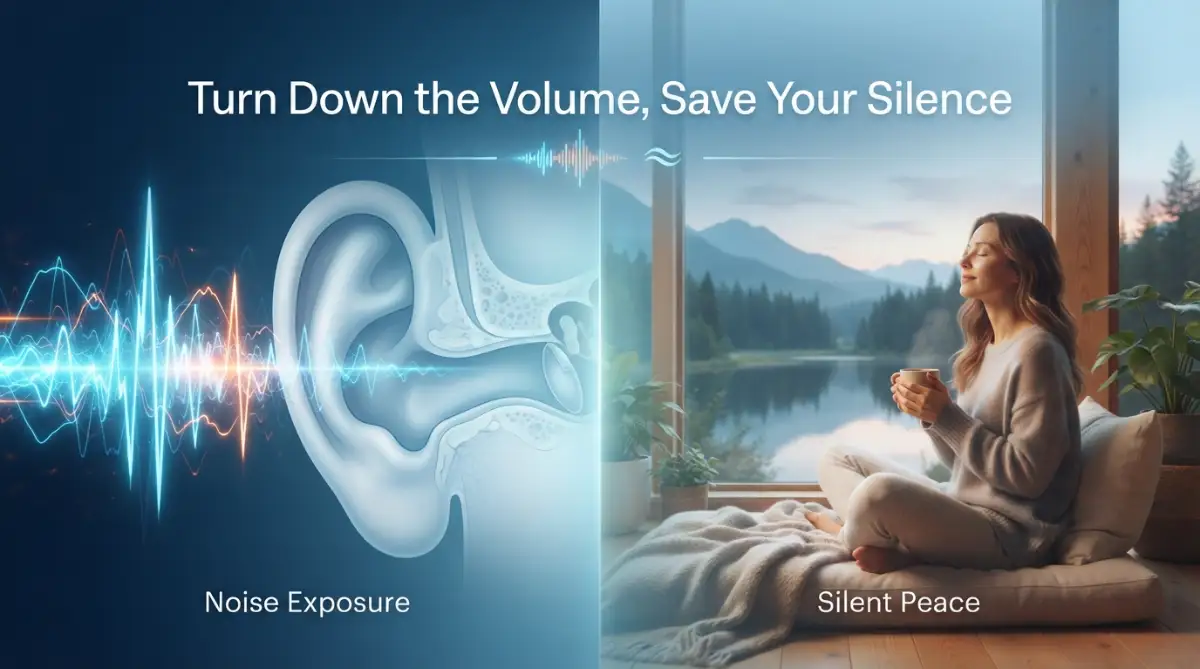
Deep inside your ear is a small, snail-shaped organ called the cochlea. Inside this organ, there are thousands of tiny, microscopic hair cells that move when sound waves hit them.
These tiny hairs act like messengers. They catch the sound waves, turn them into electrical signals, and send those signals directly to your brain. Your brain then translates those signals into the beautiful music or voices you understand.
When you listen to sounds at a normal, safe volume, these hair cells bend gently like grass swaying in a soft breeze. They do their job, and then they stand right back up.
But when you push tiny earbuds deep into your ear canal and blast heavy bass at maximum volume, it is no longer a soft breeze. It becomes a violent hurricane.

The sound waves slam into those delicate hair cells with intense force. If you do this for just a few minutes, the hairs might recover after a short rest. But if you do it for hours every single day, those tiny hairs get bent out of shape, break, and eventually die.
And as humans, we do not have the ability to grow new hair cells inside our ears. Once they are gone, the hearing loss stays with you forever.
The Distance Factor: Why Earbuds Are Riskier
You might wonder why modern earbuds cause more problems than the big, chunky headphones people wore decades ago. The answer comes down to pure physics and distance.
Old-school headphones sat on the outside of your ear, leaving a bit of space for the sound waves to travel and spread out. Modern earbuds are designed to sit deep inside your ear canal, completely sealing it off.
This means the speaker is sitting just millimeters away from your sensitive eardrum. Because the sound has nowhere else to escape, the full force of the audio is pushed directly into your inner ear.
Quick Reality Check: Earbuds vs. Over-Ear Headphones
- The In-Ear Danger: Earbuds sit about 9 millimeters from your eardrum. That tiny distance traps sound pressure, giving your ear cells zero breathing room.
- The Over-Ear Fix: Chunky headphones create a 20-30 millimeter buffer zone. That extra pocket of air naturally diffuses the sound pressure before it hits your ear canal, making them a much safer everyday choice.
Even a moderate volume setting on an in-ear bud can deliver the same impact as a loud rock concert because the source of the sound is dangerously close.
Practical Steps to Save Your Hearing Today
Now that we know exactly how the damage happens, let us look at some highly effective ways to protect your ears. These are simple habits you can start using right now without spending extra money or giving up your favorite songs.
Follow the Golden 60/60 Rule
If you only take one piece of advice from this entire guide, make it this one. Hearing experts universally recommend the 60/60 rule to keep your ears safe from daily damage.
The rule is incredibly simple to remember and apply. You should only listen to your audio at a maximum of 60 percent of your device's total volume.
Secondly, you should only listen for a maximum of 60 minutes at a time before taking a complete break. After an hour of listening, pull your earbuds out and let your ears rest in a quiet environment for at least ten to fifteen minutes.
This short resting period gives those tiny hair cells inside your cochlea a chance to recover and stand back up. It prevents the permanent damage that comes from constant, non-stop audio pressure.
Watch This Quick Visual Explanation of the 60/60 Rule:
If you want to see exactly how this volume rule impacts your inner ear health, check out this amazing short video breakdown below. It completely changed the way I adjust my phone's volume slider every morning.
Upgrade Your Gear to Block Background Noise
One of the biggest reasons we turn our music up to dangerous levels is because we are trying to fight the environment around us. Think about riding a loud bus or walking past a construction site.
Your brain struggles to hear the music over the engine noise, so you naturally push the volume button up until the engine sounds disappear. But doing this means you are hitting your ears with an extremely high level of decibels.
I used to think cranking up the volume was the only way to block out gym noise, but then I realized I was just fighting sound with more sound. Now, I always use active noise-canceling headphones instead, and it completely changed my listening habits overnight.
Active noise-canceling (ANC) technology listens to the loud background noises around you and creates an opposite sound wave to cancel them out. This creates a quiet, peaceful bubble around your ears.

Because the background noise is gone, you can hear every single detail of your music clearly, even at a very low and safe volume. If you cannot afford expensive ANC headphones, you can look for noise-isolating foam ear tips for your current earbuds.
Foam tips expand inside your ear canal like earplugs, blocking out external sounds naturally. This simple physical barrier allows you to drop your listening volume significantly while still enjoying high-quality audio.
Understand the Numbers: Safe vs Dangerous Sounds
Sometimes it is hard to guess what a safe volume actually feels like. Sound is measured in units called decibels (dB).
To give you a clear perspective, a normal conversation with a friend usually sits at about 60 dB. This is entirely safe and will never damage your ears, even if you talk all day long.
City traffic or a loud vacuum cleaner usually hits around 80 to 85 dB. This is the danger zone. If you listen to sounds at 85 dB for more than a few hours, your ears will start taking damage.
Maximum volume on a smartphone with earbuds can easily reach 100 to 110 dB. At this extreme level, permanent hearing damage can happen in less than fifteen minutes.
Looking at this chart makes it easy to see why long listening sessions at high volumes are so destructive. You are essentially putting a rock concert right inside your ear canal every single day.
Monitor Your Audio Health Through Smart Settings
We rely on our smartphones for almost everything, so we might as well use them to protect our health. Both Apple and Android phones have built-in features that actively monitor your headphone volume levels in real time.
If you dig into your phone's sound or health settings, you will find options to set a strict decibel limit. You can literally lock your phone from going above 80 or 85 dB.
Once you turn this feature on, it does not matter how many times you press the volume up button. The phone will block the sound from reaching a dangerous level.
Try This Right Now on Your Phone:
- For iPhone users: Go to Settings > Sounds & Haptics > Headphone Safety. Turn on "Reduce Loud Sounds" and drag the slider to 80 decibels.
- For Android users: Open Settings > Sounds and vibration > Volume. Tap the three dots (media volume limit) and set your custom pin to lock the slider safely in the green zone.
This is especially helpful if you often get lost in your work or workouts and stop paying attention to how loud your music really is. Your phone acts as a silent bodyguard for your inner ear.
Recognize the Warning Signs Early
Most people ignore the early warning signs of hearing damage because they assume the symptoms will just fade away by morning. However, paying attention to these small hints can save you from permanent loss.
If you take your earbuds out and hear a slight ringing, buzzing, or hissing sound in a quiet room, your ears are screaming for help. That sound is a clear indicator that your hair cells are under extreme stress.
Another major warning sign is the feeling of muffled sounds. If the world suddenly sounds like you have cotton balls stuffed in your ears after a long listening session, you have pushed your ears entirely too far.
Sometimes, you might also feel a strange sense of physical fullness or pressure inside your ear canal. If you experience any of these signs, you must give your ears total silence for at least twenty-four hours to let them heal as much as possible.
The Role of Diet and Hydration in Ear Health
You probably never thought that drinking water could help your hearing, but your inner ear depends heavily on good blood flow. The cochlea needs a constant supply of oxygen and nutrients to repair itself after dealing with loud sounds all day.
When you are dehydrated, your blood becomes thicker, making it harder for your body to deliver those necessary nutrients to your tiny ear blood vessels. Drinking plenty of water keeps your circulation smooth and efficient.
Foods rich in potassium, like bananas and spinach, are also great for your ears. Potassium helps regulate the fluid inside your inner ear, which is necessary for turning sound waves into brain signals.
Common Myths vs The Real Facts
People often spread incorrect information about how our ears work, which leads to harmful listening habits. Let us clear up some of the most common misunderstandings right now.
Myth: I only listen to calm acoustic music, so I do not need to worry about the volume.
Fact: Sound pressure is what causes damage, not the genre of the music. A soft acoustic song played at maximum volume will cause the exact same physical damage to your ear cells as heavy metal music played at maximum volume.
Myth: My hearing is fine now, so my earbuds are not hurting me.
Fact: Hearing damage is a slow, compounding process. You might lose tiny fractions of your hearing every month without noticing it at all. By the time you actually notice you are asking people to repeat themselves, the permanent damage has already been done over several years.
Myth: If I clean my ears with cotton swabs, I will hear my music better.
Fact: Pushing a cotton swab into your ear canal actually packs the earwax deeper against your eardrum. This creates a solid wall of wax that blocks sound. To overcome this blockage, you end up turning the volume on your phone even higher, which only speeds up the hearing damage.
Your ears naturally clean themselves through jaw movements like chewing and talking. If you feel like your earbuds are sounding quiet, visit a doctor to check for wax buildup instead of trying to dig it out yourself.
The choices you make today will determine how well you hear the world tomorrow. Being mindful of your volume slider is a small sacrifice for a lifetime of healthy, clear hearing.
Taking Your Ear Protection to the Next Level
You have already learned the basic rules of safe listening, but protecting your hearing in loud environments requires a bit more strategy. Think of your ears like a bank account. Every time you listen to loud sounds, you are making a withdrawal from your long-term hearing health.
To keep that account full, you need to master a few smart daily habits. These pro-level secrets are what audio experts use to enjoy rich, beautiful music without risking permanent damage.
Tweak Your Device’s Equalizer (EQ) Settings
One of the biggest reasons we push the volume button up is because we cannot hear the words being spoken. When you listen to a podcast on a busy train, the low rumble of the engine completely drowns out human voices.
Instead of turning up the overall volume to dangerous levels, you should adjust your phone’s equalizer settings. By boosting the vocal frequencies in your settings, the voices will sound incredibly crisp and clear.
You can easily find these settings in your music app or phone sound menu under options like "Spoken Word" or "Vocal Booster". This simple trick allows you to keep your master volume low while perfectly understanding every single word of your favorite show.
Practice Daily Silence Fasting
We have all heard about resting our bodies after a hard workout, but we rarely think about resting our ears. Your auditory system works constantly, from the moment you wake up to the second you fall asleep.
Even when you are just walking around the house, your ears are processing the hum of the refrigerator and the noise from the street. Giving your ears a dedicated break is a highly effective way to prevent long-term fatigue.
I call this "silence fasting," and it works wonders for your mental peace. Try to find twenty minutes every afternoon to sit in a quiet room with absolutely no music, no television, and no talking.
Just like you take breaks to protect your eyes from the hidden dangers of screen glare, your ears need true silence to recover from constant audio stimulation. This quiet time helps your inner ear cells relax and prevents the buildup of daily audio stress.
Use Custom Volume Limiters on Smartwatches
If you wear a smartwatch, you have a powerful hearing protection tool right on your wrist. Many modern smartwatches can actively measure the decibel levels of the environment around you.
When you walk past a roaring construction site or stand too close to a loud speaker, the watch will tap your wrist to warn you. You can also sync these watches to monitor exactly how loud your Bluetooth earbuds are playing in real time.
Following global health guidelines for safe listening becomes much easier when a device keeps track of the numbers for you. It takes the guesswork out of the equation and keeps you accountable.
Match Your Earphone Style to Your Environment
Different environments require different tools. Wearing regular plastic earbuds on a loud airplane is a terrible idea because you will inevitably crank the volume to the maximum limit.
For noisy travel, you absolutely need heavy-duty, over-ear headphones that physically block out the engine roar. Save your small, lightweight earbuds for quiet spaces like your bedroom or a silent library.
Selecting the right listening device for the right situation is just like learning how to choose the right skin moisturizer for your skin type. You have to adapt to what your body actually needs in that specific moment.
If you are serious about staying updated on daily wellness habits, rotating your audio gear based on your surroundings is a massive step forward. It drastically reduces the amount of overall sound pressure hitting your delicate eardrums.

The Dangerous Listening Habits We Need to Break
Even when we try our best to be healthy, it is incredibly easy to fall into bad habits. Many of us do things every single day that silently destroy our hearing without us even realizing it.
Fixing this problem is not just about turning the music down. It is also about stopping the accidental mistakes that put massive stress on our auditory system.
The "One-Earbud" Trap
You might think you are being responsible by only wearing one earbud while walking down the street. We do this to stay aware of traffic or to hear our coworkers in the office.
But this is actually one of the most dangerous things you can do to your hearing. When you only use one earbud, your brain loses its natural ability to process stereo sound.
Because half of the audio is missing, the music naturally sounds much quieter to your brain. To fix this, you almost always press the volume up button to compensate for the missing ear.
This means you are blasting double the normal volume directly into a single ear canal. Over time, this leads to severe, uneven noise-induced hearing damage on one side of your head.
Falling Asleep with Audio Playing
Many people use soft music or rain sounds to help them drift off to sleep. While this sounds incredibly relaxing, leaving earbuds in your ears all night is a major health hazard.
First, rolling over onto a hard plastic earbud pushes it dangerously deep into your ear canal. This constant physical pressure can irritate the delicate skin inside your ear.
It is very similar to how you have to heal a damaged skin barrier from over-exfoliation. Constantly rubbing a hard object against soft, sensitive skin creates painful inflammation and increases the risk of serious ear infections.
Secondly, your ears never get a chance to rest if audio is playing for eight hours straight. The constant noise keeps your brain slightly alert, which completely ruins your deep sleep cycles.
Poor sleep directly harms your body and is one of those silent habits destroying your immune system. If you need background noise to sleep, use a bedside speaker on a low volume instead of trapping the sound inside your head.
Ignoring the Physical Warning Signs
Our bodies are incredibly smart and always try to warn us when something is wrong. Unfortunately, we have a terrible habit of ignoring small discomforts until they become massive medical problems.
If your ears feel hot, itchy, or fatigued after a long phone call, you need to stop using earphones immediately. Pushing through the discomfort will only make the underlying inflammation much worse.
Think about how carefully we try to protect sensitive skin from the sun to avoid burns. We need to treat our inner ears with that exact same level of daily caution and respect.
Living with constant ear ringing or muffled hearing causes immense daily stress. This hidden anxiety can easily become one of those unexpected daily triggers disrupting your hormonal balance.
Furthermore, ignoring these signs as you age can lead to bigger neurological issues. Medical experts have repeatedly warned about the clear cognitive decline linked to untreated hearing issues. When your brain struggles to hear, it steals energy from your memory and thinking skills to compensate.
The "Volume Creep" Phenomenon
Volume creep happens when you slowly turn the music up over the course of an hour without noticing. You might start your morning commute at a safe 50 percent volume.
But as your favorite songs come on, you bump it up a little bit to feel the bass. Then, a loud train passes by, so you bump it up a little bit more.
By the time you reach your office, your phone is sitting at 90 percent volume, and your ears are ringing. You have to actively fight volume creep by checking your screen and forcing yourself to turn the slider back down.
Your Next Steps for a Lifetime of Beautiful Sounds
Protecting your hearing does not mean you have to live in a boring, silent world. It simply means becoming a smarter, more mindful consumer of the audio you love.
We live in a loud environment, and managing that noise is now a basic requirement for healthy living. By making tiny adjustments to how you listen, you ensure that you will still hear the laughter of your friends and the notes of your favorite songs decades from now.
Here is a very simple daily checklist to help you stay on track starting tomorrow morning:
- Set Your Limit: Go into your phone settings right now and lock your maximum headphone volume at 80 decibels.
- Invest in Upgrades: Start saving up for a comfortable pair of active noise-canceling headphones for your noisy commutes.
- Take Your Breaks: Force yourself to pull your earbuds out every single hour to give your tiny ear cells a fighting chance to recover.
- Clean Your Gear: Wipe down your earphones with an alcohol pad weekly to prevent painful bacterial infections in your ear canal.
Building these habits might feel slightly annoying for the first few days. But very quickly, your brain will adjust to the lower, safer volumes, and you will realize you do not need extremely loud music to enjoy your day.
My personal journey with this was entirely eye-opening. I used to constantly blast music to block out my stressful days, but learning to respect my ears actually gave me a deeper sense of daily calm. Start turning that volume slider down just a tiny bit today, and I promise you will thank yourself for the rest of your healthy, happy life.
Questions People Frequently Ask About Earbud Safety
Can earbuds cause permanent ringing in my ears?
Yes, listening to loud music through earbuds can permanently damage the tiny hair cells in your inner ear. When these cells break, they constantly send false signals to your brain, creating a permanent ringing sound called tinnitus. Keeping your volume at a moderate level is the best way to prevent this condition.
Are big over-ear headphones safer than in-ear buds?
Generally speaking, over-ear headphones are a safer choice for your daily listening habits. They sit outside the ear canal, giving the sound waves more room to disperse naturally before hitting your eardrum. They also naturally block out more background noise, which helps you keep the overall volume much lower.
How long does it take to damage your hearing with loud music?
The time it takes to cause damage depends entirely on how loud the volume is set. If your smartphone is playing at maximum volume, permanent damage can begin in just ten to fifteen minutes. At a safer, moderate volume, you can listen comfortably for hours without any major risks.
Can I reverse my hearing loss if I completely stop using earphones?
Unfortunately, most noise-induced hearing loss cannot be naturally reversed or completely cured. Once the delicate structures inside your inner ear are destroyed, your body cannot grow new ones to replace them. However, stopping bad listening habits right now will successfully prevent the damage from getting any worse.
Is it safe to sleep with earbuds playing white noise?
Sleeping with earbuds is not recommended by medical professionals. The hard plastic can irritate your ear canal, and the continuous sound prevents your brain from getting the deep rest it needs. It is much better to use a small speaker placed across the bedroom on a low volume setting.
Disclaimer: The information provided in this blog post is for educational and informational purposes only and is not intended as substitute for professional medical advice, diagnosis, or treatment. Always seek the advice of your physician or a qualified healthcare provider regarding any medical condition, hearing loss symptoms, or changes in your health routine."The content is not intended to diagnose, treat, or cure any disease."