
The Frustrating Search for the Perfect Face Cream
I get it. You are standing in the skincare aisle, staring at a massive wall of bottles, and feeling completely overwhelmed. I have been there too—wasting money on heavily marketed creams that just left my face breaking out or feeling like dry sandpaper. Let us cut through the marketing noise and figure out what your skin actually needs, without the expensive guesswork.
You pick one, pay for it, and rush home to try it. But a few days later, your face feels tight, or you wake up with new breakouts. It feels like a guessing game that you keep losing.
Your skin becomes irritated, your wallet gets lighter, and your confidence takes a hit. Many people hide their faces under heavy makeup to cover dry patches or greasy shine. This daily struggle can make you feel self-conscious during work meetings or social gatherings.
Why is finding a simple face cream so hard? It is because most of us buy products based on pretty packaging instead of our actual biological needs. You do not have to keep wasting your money or risking your skin health.
There is a simple, scientific way to find exactly what your face needs. You deserve to feel comfortable in your own skin. Let us stop the guesswork today and look at how your skin actually works.
Quick Action Guide: What You Will Learn Today
- How to find your true skin type at home for free using the simple 1-hour bare-face test.
- Why applying your moisturizer on damp skin doubles its hydrating power.
- The exact ingredients you need to look for (and avoid) based on your specific skin type.
- Why scrubbing your oily face is actually making your breakouts much worse.
Decoding Your Skin: How to Identify Your Unique Skin Type:
Before you buy another product, you must understand what your skin is asking for. Your face has its own unique biology. Treating dry skin with oily skin products will only cause more trouble.
Fortunately, you do not need an expensive doctor visit to find your type. You can perform a simple test at home using just water and a little bit of time. This test will help you understand your skin's natural state.
Quick Skin Type Cheat Sheet (After the 1-Hour Test):
- Feels tight everywhere? You have Dry Skin.
- Looks shiny all over? You have Oily Skin.
- Shiny nose but tight cheeks? You have Combination Skin.
- Red, itchy, or angry? You have Sensitive Skin.
The Simple Bare-Face Test You Can Do at Home
To start, wash your face with a very gentle, fragrance-free cleanser. Gently pat it dry with a clean towel. Do not apply any serums, creams, or treatments after washing.Leave your skin completely bare for exactly one hour. During this time, do not touch your face or sit in front of a heavy fan.
After sixty minutes, look closely in a mirror and touch your face gently. Pay attention to how your skin feels and looks under good lighting. This simple test will reveal your true skin category.
Understanding the Four Main Categories of Skin
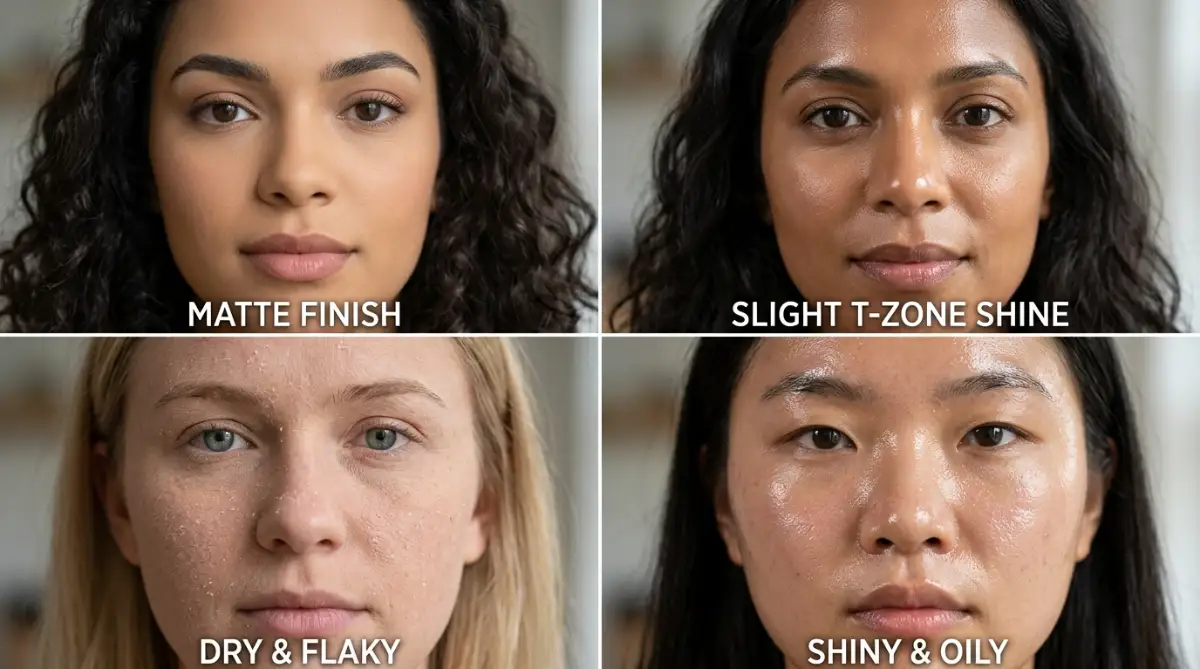
- Oily Skin: Your face looks shiny all over, especially on your forehead, nose, and chin. You might feel a greasy layer when you touch your cheeks, and your pores look quite large.
- Dry Skin: Your face feels tight, itchy, or uncomfortable, especially when you smile. You might notice small dry flakes around your mouth or on your cheeks.
- Combination Skin: Your forehead and nose are oily and shiny, but your cheeks feel completely dry or normal. This is the most common skin type and requires a balanced approach.
- Sensitive Skin: Your face looks red, feels warm to the touch, or stings easily. You often react poorly to new products, artificial scents, or weather changes.
The Science of Hydration: What is Inside Your Bottle?
Not all moisturizers are made the same way. In fact, most face creams use a combination of three main types of ingredients. Knowing these three groups will make you an expert shopper.
When you look at the ingredient list, you can tell exactly how the product will perform. This protects your skin from unwanted reactions. Let us break down these three key ingredient groups.
Humectants: The Water Magnets
Humectants are ingredients that pull water into your skin. They act like tiny sponges, grabbing moisture from the air or from deeper layers of your skin. They keep your face looking plump and fresh.
Look for names like Hyaluronic Acid, Glycerin, and Aloe Vera on the label. These ingredients are lightweight and do not clog your pores. They are perfect for giving your skin a quick drink of water.
Emollients: The Skin Smoothers
Emollients fill in the tiny gaps between your skin cells. When your skin feels rough or dry, it is because these gaps are empty. Emollients smooth things over and make your skin feel soft to the touch.
Common emollients include Ceramides, Squalane, and Jojoba Oil. They help rebuild your natural skin barrier. This barrier keeps bad bacteria out and keeps healthy moisture in.
Occlusives: The Protective Shields:
Occlusives are heavy ingredients that sit on top of your skin. They create a physical barrier to stop moisture from evaporating into the air. They are excellent for very dry environments.
Look for ingredients like Shea Butter, Beeswax, and Silicones on the bottle. Because they are heavy, they can sometimes feel greasy. They are best used for deep repair during the night.
Myth vs Reality: Common Skincare Misconceptions
Wait, so coconut oil is bad for my face?
Yes, for many of us, it really is! While coconut oil is a fantastic natural moisturizer for your body, it is highly comedogenic. That means it easily clogs the tiny pores on your face, leading to massive blackheads and acne breakouts. If you want a safe natural oil for your face, try a few drops of Argan or Rosehip oil instead.
Matching Ingredients to Your Specific Skin Type
Now that you know your skin type and how ingredients work, you can match them together. This step ensures you never buy the wrong product again. Let us look at the best choices for each type.
The Right Formula for Oily and Acne-Prone Skin
If your skin is oily, you want to avoid heavy oils and thick creams. Instead, look for gel-based formulas or lightweight water creams. These products absorb quickly without leaving a heavy layer.
Make sure the label says non-comedogenic, which means it will not clog your pores. Ingredients like Niacinamide are great because they help control oil production. Salicylic Acid can also help keep your pores clean.
The Best Choices for Dry and Flaky Skin
Dry skin needs rich, thick creams that offer deep nourishment. You should avoid light lotions, as they will evaporate too quickly. You need a mix of strong emollients and rich occlusives.
Look for creams containing Ceramides and Shea Butter to repair your dry barrier. Applying your cream while your face is still slightly damp helps lock in extra water. This simple trick keeps your face soft all day long.
Gentle Care for Sensitive and Easily Irritated Skin
If your skin turns red easily, keep your routine as simple as possible. Avoid products with artificial colors, heavy perfumes, or alcohol. These ingredients can damage your skin barrier and cause burning.
Look for soothing ingredients like Colloidal Oatmeal, Centella Asiatica, and Allantoin. Always test a small amount of any new cream on your neck for two days before applying it to your entire face.
Balancing Act for Combination Skin
Managing combination skin requires a strategic approach. You do not want to dry out your cheeks, but you also do not want to make your nose shinier. Many people find success by using two different products.
Apply a light, gel-based moisturizer on your oily forehead and nose area. Then, use a richer cream on your dry cheeks and neck. Alternatively, find a balanced, lightweight lotion that offers gentle hydration without heavy oils.
Beyond the Basics: Pro Tips for Maximizing Your Skin Hydration:
Using a moisturizer is a good start, but how you use it determines your actual results. Many people simply slap cream on their face and hope for the best. To get the most out of your product, you need to use a few advanced techniques.
These expert secrets do not cost extra money. They only require a small shift in your daily habits. By changing when and how you apply your cream, you can double its effectiveness.
The Damp Skin Hack: Timing Is Everything
The single best time to apply your face cream is immediately after washing your face. Do not wait for your skin to dry completely. When your face is still slightly damp, your skin is like a soft, wet sponge.
A wet sponge absorbs liquid instantly, while a bone-dry sponge just lets water roll off the sides. Your skin cells react the same way to your daily moisturizer. Applying your lotion to damp skin locks in that surface water for long-term comfort.
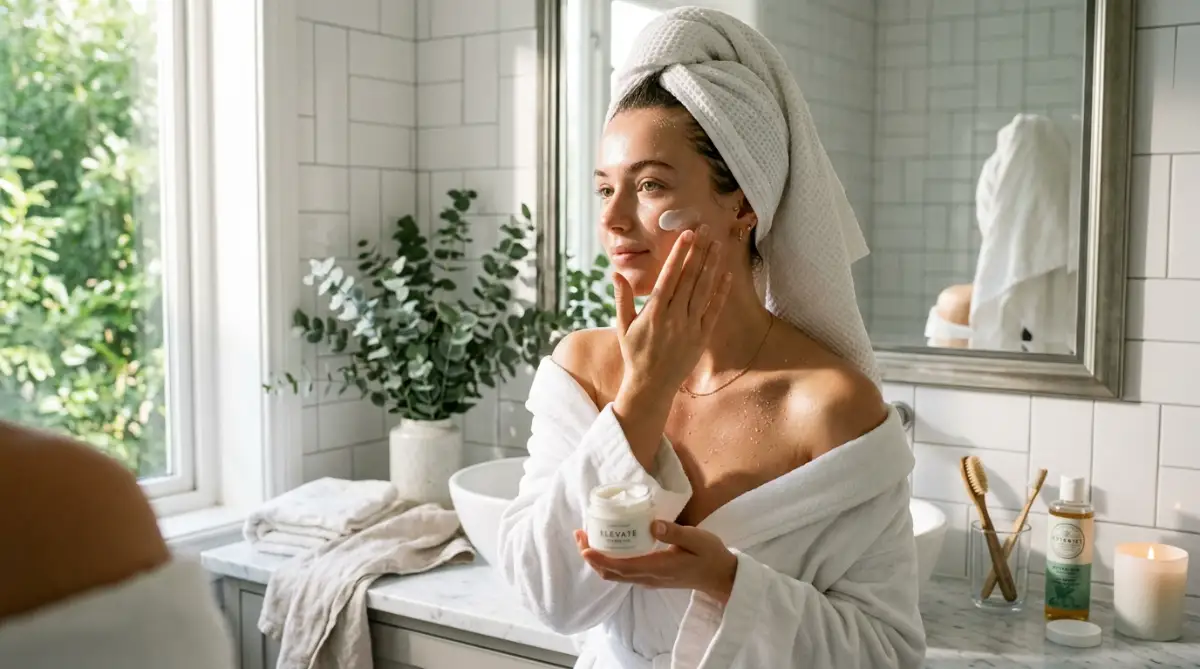
Keep your bottle of moisturizer right next to your sink or shower. This ensures you can apply it within sixty seconds of patting your face with a towel. According to dermatological studies published by the National Institutes of Health, keeping the skin barrier hydrated immediately after washing prevents transepidermal water loss.
Adjusting Your Skincare Routine for the Seasons
Your face does not stay the same throughout the year. The weather outside constantly changes how much moisture your skin holds. This means using the exact same cream year-round might not work.
During the hot and humid summer months, the air is naturally wet. You can switch to a very light, oil-free lotion or a cooling gel. This keeps your skin fresh without clogging your pores.
When the cold winter wind arrives, the air becomes dry and harsh. This dry air acts like a vacuum, pulling moisture directly out of your face. During this season, you need a thicker cream with heavy emollients to seal your skin.
The Order of Application: Thin to Thick
If you use multiple skincare products, the order of application is highly important. A simple rule to remember is to apply your products from the thinnest consistency to the thickest.
Always start with your watery products, such as toners and active serums. Give these light liquids a minute to absorb into your skin.
Apply your moisturizer last to seal all those hydrating layers beneath a protective shield. If you use a heavy oil, apply it after your cream to prevent evaporation.
The Connection Between Mind and Skin Health
We often forget that our skin is a reflection of what is happening inside our bodies. High stress levels release a hormone called cortisol. Cortisol can weaken your skin barrier, leading to sudden dryness or painful breakouts.
Additionally, a sudden skin emergency or a trip to a dermatologist can be expensive. Instead of worrying about sudden costs, focusing on how to build a bulletproof emergency fund fast gives you a safety net. This financial security keeps your mind calm and your skin clear of stress-related flare-ups.
Hidden Dangers: Mistakes That Damage Your Skin Barrier:
Even with the best intentions, it is easy to make mistakes that harm your face. Skincare is a delicate balance. Sometimes, trying too hard to fix a problem actually makes it worse.
When your skin barrier is damaged, it can take weeks to heal. Let us look at some of the most common pitfalls people fall into. Avoiding these mistakes will save you time, money, and pain.
Over-Washing and Heavy Scrubbing
Many people with oily skin believe they need to scrub their face constantly to get rid of grease. This is a highly damaging myth. Washing your face too often strips away your natural protective oils.
When your skin senses that its natural oil is gone, it goes into panic mode. It actually starts producing even more oil to protect itself. This leaves you with a greasy shine and a damaged, irritated skin barrier.
Instead, wash your face only twice a day with lukewarm water. Avoid rough scrubs with plastic beads or crushed shells. Think of your face as a piece of delicate silk that needs gentle cleaning.
Mixing Too Many Active Ingredients
It is tempting to buy every trendy skincare ingredient you see online. You might want to use retinol, salicylic acid, vitamin C, and glycolic acid all at the same time. However, mixing too many chemicals creates a war zone on your face.
These strong ingredients can react poorly with each other when layered together. This leads to chemical burns, extreme redness, and peeling.
Stick to a simple, clean routine of a gentle cleanser, a basic moisturizer, and sunscreen. If you want to use active serums, introduce only one new product at a time. This allows your skin to adapt without throwing a temper tantrum.
Neglecting the Neck and Chest Areas
Most people stop applying their moisturizer exactly at their jawline. This is a major mistake because your neck and chest are highly delicate. These areas have very few oil glands and dry out quickly.
They are also exposed to the sun and environmental damage every single day. If you neglect them, your neck will start to show deep lines and dry patches.
Whenever you apply your face cream, always use downward strokes to spread the remaining product onto your neck. This simple habit keeps your entire upper body looking uniform and healthy.
Using Expired Products and Dirty Jars
Skincare products do not last forever. Most moisturizers expire within six to twelve months after you open the seal. Using expired cream can introduce harmful bacteria to your face.
Also, be careful with creams that come in wide-mouth jars. Dipping your fingers directly into the jar transfers dirt and oil from your hands into the product. Over time, the jar becomes a breeding ground for germs.
Always wash your hands thoroughly before applying your skincare products. Better yet, look for moisturizers that come in pump bottles or squeeze tubes. For detailed guidance on preventing product-related irritation, refer to the American Academy of Dermatology website.
Your Daily Hydration Checklist: A Guide to Tomorrow:
Now that you have all the knowledge, it is time to put it into action. You do not need to feel overwhelmed by a complicated ten-step routine. A simple, consistent plan is always more effective than a complex one.
Let us look at a quick morning and evening routine that anyone can follow. This daily plan will help you achieve healthy, balanced skin.
The Simple Morning Routine
- Step 1: Cleanse your face with lukewarm water or a very gentle wash.
- Step 2: Leave your face slightly damp to retain natural hydration.
- Step 3: Apply your lightweight moisturizer to protect your skin during the day.
- Step 4: Finish with a broad-spectrum sunscreen to block harmful sun rays.
The Nourishing Evening Routine
- Step 1: Wash away the dirt, sweat, and pollution of the day with a gentle cleanser.
- Step 2: Apply any targeted treatment, like a basic hydrating serum.
- Step 3: Massage a slightly richer cream onto your face and neck to help your skin repair overnight.
Taking care of your skin is an act of self-respect. It is not about reaching perfection or trying to look like a filtered photo online. It is about keeping your body's largest organ healthy, strong, and comfortable.
Start your new, simple routine tonight. Pay close attention to how your skin feels when you wake up tomorrow morning. With a little patience and consistency, you will finally achieve the comfortable, healthy skin you deserve.
Disclaimer
The information provided in this article is for educational and informational purposes only and should not be considered medical advice. Always consult with a licensed dermatologist or healthcare professional before starting any new skincare routine or using new products, especially if you have pre-existing skin conditions or severe allergies."The content is not intended to diagnose, treat, or cure any disease."