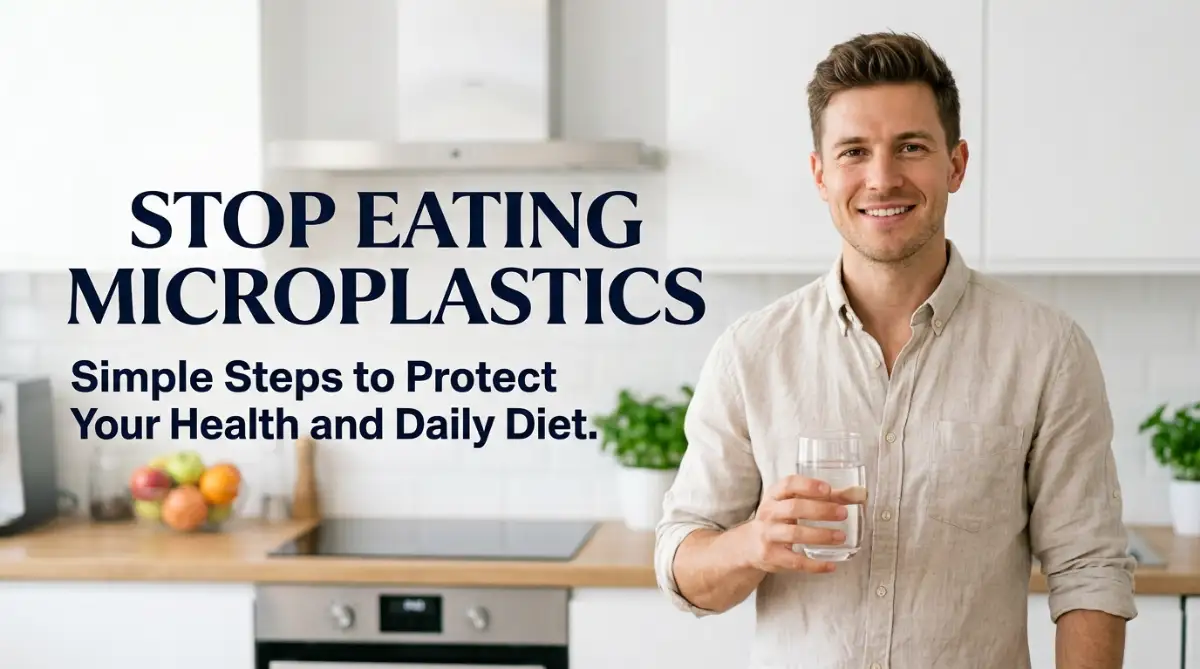
The Hidden Plastic on Our Plates: My Journey to a Cleaner Kitchen
Last week, I noticed the edges of my favorite microwave bowl were slightly warped and thin. It made me pause. Where did that missing plastic go? Did it just vanish, or did I slowly eat it with my reheated leftovers?
That single thought got me researching. What I found was eye-opening. Most of us swallow a tiny amount of plastic every single day without realizing it. Here is my honest, simple guide on how I cut down on plastic in my kitchen, and how you can do the exact same thing without spending a fortune.
The edges of the plastic container looked slightly melted and worn out. I started wondering where that missing plastic actually went. Did it just disappear into thin air? Or did I just eat it along with my pasta?
That thought honestly kept me up at night for weeks. I started reading everything I could find about microplastics. What I found was truly shocking and changed the way I look at my kitchen forever.
It turns out, we are all eating a small amount of plastic every single day without even knowing it. Some studies say we might be eating a credit card’s worth of plastic every week. I felt betrayed by the very tools I used to stay "healthy."
It made me feel like I had lost control over my own body. How can we be healthy if our food is filled with tiny pieces of trash? I knew I had to make a change for myself and my family.
The Invisible Stress of Living in a Plastic World
The more I learned, the more worried I became about the people I love. It is not just about a "dirty" kitchen; it is about what these tiny particles do to us inside. We worry about calories and sugar, but we rarely talk about the invisible toxins we swallow.
I see parents giving their kids warm milk in plastic bottles every day. I see my neighbors buying bags of salad wrapped in thick layers of film. It breaks my heart because I know those tiny bits of plastic are moving through their blood.
But I realized that being scared is not the answer. We cannot change the whole world overnight, but we can change what happens inside our own homes. Taking back control starts with small, smart choices that add up over time.
You don't need to be perfect to make a huge difference in your health. You just need to know which habits are hurting you the most. Once I changed my routine, I felt a sense of peace I hadn't felt in a long time.
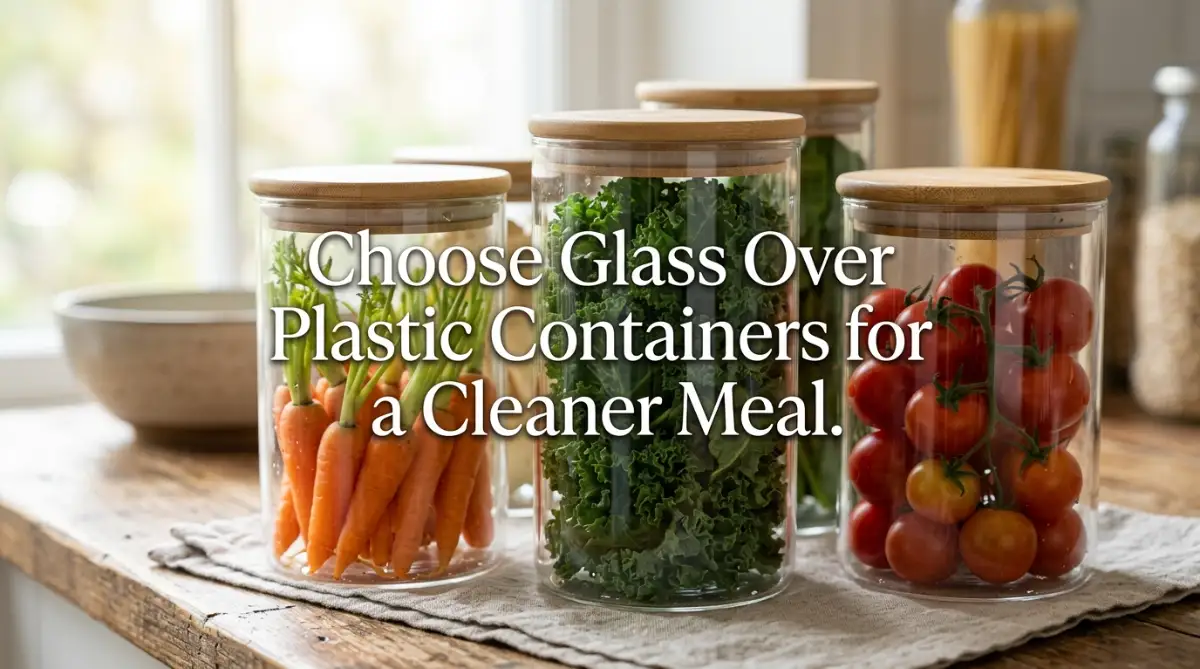
📌 Quick Summary: Easy Swaps for a Plastic-Free Kitchen
If you are short on time, here are the most effective changes you can make today:
- Stop microwaving plastic: Switch to glass or ceramic plates.
- Ditch plastic tea bags: Use loose-leaf tea with a metal strainer.
- Upgrade your cutting board: Swap plastic boards for wood or bamboo.
- Filter your tap water: Use a carbon block or RO filter to catch tiny particles.
Start Swapping Your Drinking Water Habits
The very first thing I changed was how I drank water. This is the easiest way to cut down on plastic right now. Most bottled water from the store is filled with thousands of tiny plastic particles.
I used to buy big packs of plastic water bottles because they were convenient. Now, I have switched to a high-quality glass bottle or a stainless steel one. It tastes better, and I know I am not swallowing chemicals with every sip.
If you drink tap water, I highly recommend getting a good filter. Not every filter catches microplastics, so look for ones specifically made for that. Carbon filters or reverse osmosis systems are great options for a cleaner glass of water.
💡 Myth vs. Fact: Water Filters & Plastics
- Myth: Any basic water pitcher filter will remove microplastics.
- Fact: Most standard pitcher filters only improve taste. To actually block microplastics, you need a certified Carbon Block filter or a Reverse Osmosis (RO) system. Check the packaging before buying!
Pro Tip: I used to leave my plastic water bottles in the car on sunny days. I realized later that the heat makes the plastic break down even faster into the water. If you must use plastic, never let it get warm or sit in the sun.
Rethink How You Heat Your Food
I learned the hard way that heat and plastic are a terrible mix. When you put a plastic bowl in the microwave, the heat vibrates the molecules. This causes tiny pieces of the container to leak directly into your meal.
Even if the container says "microwave safe," it usually just means it won't melt completely. It doesn't mean it isn't shedding microplastics into your soup or rice. I made the switch to ceramic or glass plates for all my heating needs.
It takes the same amount of time, but the safety level is much higher. I also stopped using plastic wrap to cover my bowls while cooking. Instead, I use a simple glass lid or a plain paper towel to prevent splashes.
Quick Guide: Safe vs. Unsafe Kitchen Containers
Watch this helpful guide on how to identify safe kitchen materials to keep your meals toxin-free.
Stop Using Plastic Tea Bags Immediately
This was one of the biggest surprises for me during my research. Many "premium" tea bags are actually made of plastic mesh, not just paper. When you drop them into boiling water, they release billions of particles.
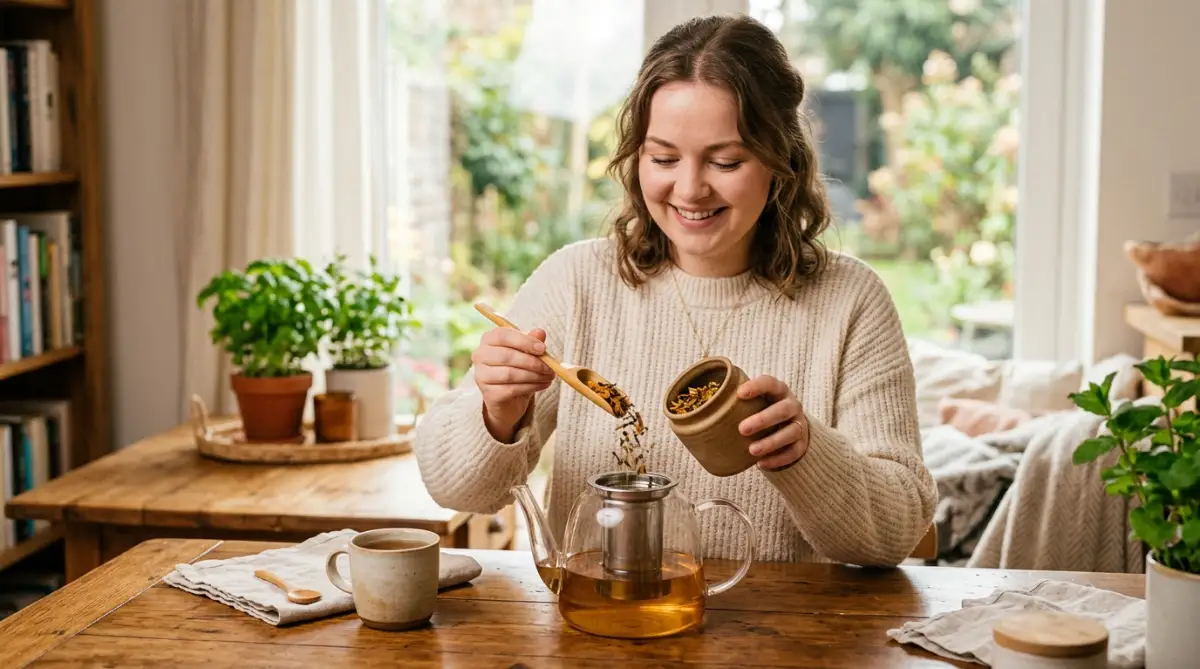
I love a warm cup of tea before bed, but I was shocked to find out I was drinking "plastic soup." Now, I only use loose-leaf tea with a metal strainer. It is actually much cheaper in the long run and the flavor is much stronger.
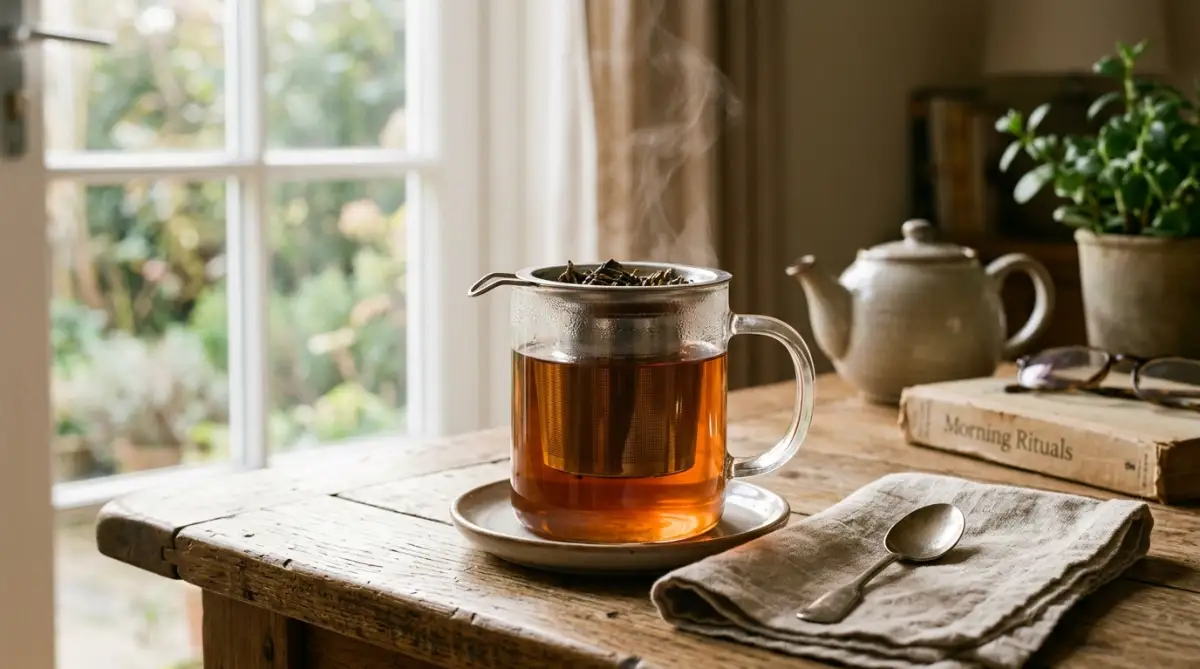
If you really prefer tea bags, look for brands that are 100% paper-based and plastic-free. You can usually tell by the texture. If it feels silky or shiny, it is likely plastic and should stay out of your mug.
Why Your Cutting Board Matters More Than You Think
Take a look at your plastic cutting board right now. Does it have deep scratches from your knife? Those scratches are not just marks; they are places where plastic has been sliced off.
Every time you chop onions or carrots, tiny bits of that board get mixed into your food. Over a year, that adds up to a lot of plastic being eaten. I threw my old plastic boards away and bought a solid wood one.
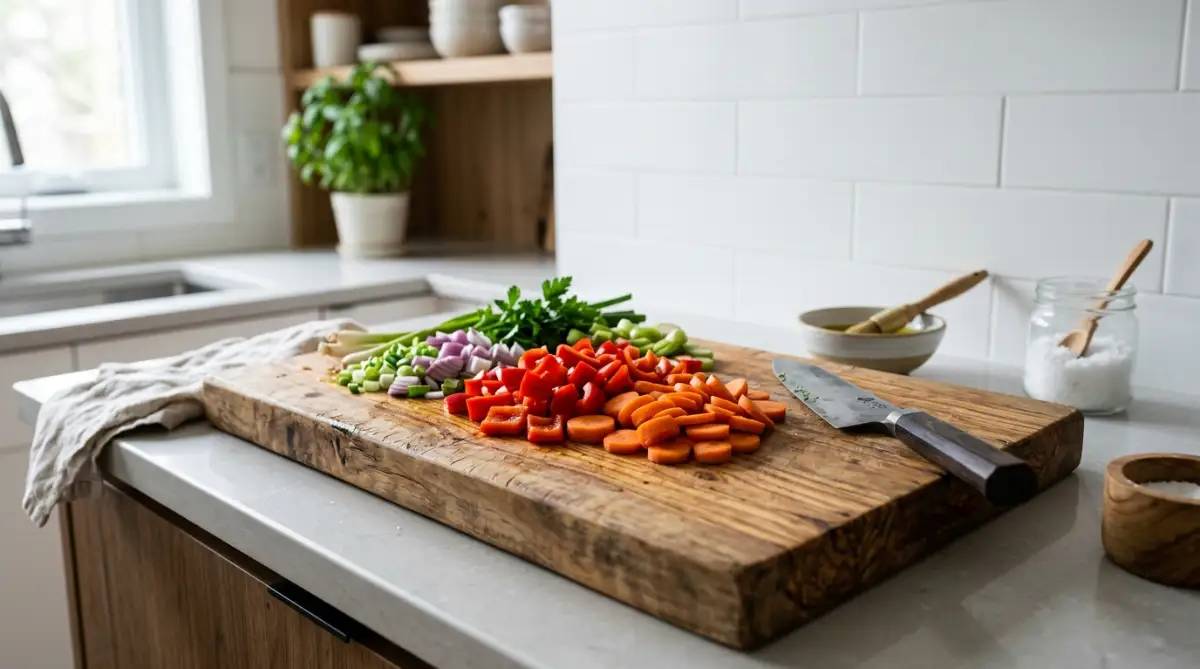
Wood boards are naturally better for your knives and don't shed plastic into your salad. Bamboo is another great, affordable option that keeps your food clean. Just make sure to dry them well after washing so they last for years.
Choose Fresh Over Heavily Wrapped Foods
I noticed that the most processed foods usually come in the most plastic packaging. Think about those frozen meals or pre-washed salads. They sit in plastic for weeks or months before you eat them.
I started shopping at the local farmer's market more often. I bring my own cloth bags instead of using the thin plastic ones provided at the store. This keeps my fruits and veggies away from unnecessary plastic contact.
Even at the regular grocery store, I try to pick the loose apples instead of the ones in the bag. It is a tiny habit, but it prevents a lot of plastic from entering my home. Plus, fresh food always tastes better and has more vitamins.
Be Careful with Seafood Choices
It is a sad reality that our oceans are full of plastic waste. Because of this, many fish and shellfish end up eating microplastics. When we eat them, we eat what they ate.
Shellfish like clams and mussels are especially high in microplastics. This is because they filter the water and eat everything inside it, including tiny plastic bits. I don't say you have to stop eating fish, but you should be aware of the source.
I try to limit how much shellfish I eat now. I also look for fish that are caught in cleaner waters. Diversifying your protein sources to include more plant-based options like beans can also help lower your overall intake.
The Problem with Table Salt
Did you know that even your salt might contain microplastics? Since most salt comes from the sea, it can carry the same plastic pollution as the fish. I was amazed when I first read a study about this.
I have started using rock salt or Himalayan pink salt more often. These are usually mined from old underground caves that were formed long before plastic was invented. It is a simple switch that makes my kitchen a little bit safer.
If you prefer sea salt, look for brands that use high-quality filtration processes. It might cost a few cents more, but the peace of mind is worth it. Small details like this are what make a healthy lifestyle work.
Dust Your Home Frequently
This might sound strange, but a lot of microplastics in our food come from the air. Tiny fibers from our clothes, carpets, and sofas float around as dust. Eventually, that dust lands on your dinner plate.
I noticed that if I leave my food uncovered on the table, it collects dust quickly. I started being more careful about covering my meals. I also make sure to vacuum and dust my dining area at least twice a week.
Using a vacuum with a HEPA filter is a great way to trap these tiny particles. It keeps the air clean and prevents plastic fibers from settling on your fruit bowl. A clean house truly leads to a cleaner body.
Avoid Plastic Utensils and Straws
We often use plastic forks or spoons when we are in a hurry or eating out. These cheap plastics are often very soft and break down easily. I started carrying a small bamboo utensil set in my bag.
It sounds like a lot of work, but it becomes a habit very quickly. I also stopped using plastic straws entirely. If I really need a straw, I use a metal or glass one at home.
These small tools are often made from the lowest quality plastic available. By cutting them out, you are removing a major source of direct plastic contact. Your mouth and your body will thank you for making the switch.
Rethink Your Canned Food Habits
Many people don't realize that the inside of most metal cans is lined with a thin layer of plastic. This lining is there to prevent the metal from rusting, but it can leak chemicals into your food.
This is especially true for acidic foods like canned tomatoes. I now try to buy tomatoes and beans in glass jars whenever I can. If I buy cans, I look for "BPA-free" labels, though glass is still the best choice.
Cooking dried beans from scratch is another great way to avoid cans. It takes a little more time, but the taste is much better and there is zero plastic involved. I usually cook a big batch on Sundays to use throughout the week.
Focus on Whole, Unprocessed Foods
The general rule I follow now is simple: the less a food is "handled," the less plastic it likely has. Processed foods go through many machines and plastic tubes during factory production.
Each step of that process is a chance for microplastics to enter the food. By eating whole foods like potatoes, grains, and fresh meat, you skip most of that factory contact. It is the best way to ensure you know exactly what you are eating.
I feel so much more energetic since I started focusing on whole foods. My digestion has improved, and I don't feel that "heavy" feeling after meals anymore. It is amazing how our bodies react when we give them clean fuel.
Support Brands That Use Sustainable Packaging
As consumers, we have the power to change how companies act. I try to spend my money on brands that use paper, glass, or compostable packaging. The more we buy these products, the more other companies will follow.
I’ve found some great local brands that sell milk in returnable glass bottles. It reminds me of the stories my grandparents used to tell. It feels like a step back in time, but it is actually a step forward for our health.
By being a conscious shopper, you are helping to reduce the total amount of plastic in the world. This eventually leads to less plastic in our water and our food chain. We are all connected, and every choice matters.
Taking Your Clean Eating Journey to the Next Level
Now that we have covered the basics of water and food storage, I want to show you some deeper ways to keep your body safe. Most people stop at water bottles, but there is so much more we can do. It is all about looking at the small details in your home that you might usually walk right past.
I learned that microplastics aren't just in the things we eat. They are in the air we breathe and the clothes we wear every day. When we wash our clothes, thousands of tiny plastic fibers break off and eventually find their way back into the water system.
This might sound like a lot to handle, but I promise it gets easier once you start. I started looking at my laundry room as a secret source of plastic pollution. Most of our modern clothes are made of polyester, nylon, or acrylic, which are all types of plastic.
To fix this, I began choosing natural fabrics like cotton, linen, or wool whenever I could. It feels better on my skin, and I know it isn't shedding plastic every time I move. If you already have a lot of synthetic clothes, you can use a special laundry bag that catches these fibers in the wash.
This simple change helps keep our rivers and oceans much cleaner. It also means fewer of those tiny fibers end up in the fish that might land on your dinner plate later. It is all connected in one big circle of health.
The Secret Danger in Your Dishwasher
One big realization I had was about how I cleaned my dishes. I used to put everything in the dishwasher because it was fast and easy. But I noticed my plastic lunch boxes always felt a bit "sticky" or looked cloudy after a hot cycle.
The high heat of the dishwasher, combined with strong soaps, actually breaks down the surface of the plastic. This creates a layer of loose microplastics that are ready to jump into your next meal. Now, I make it a rule to hand-wash any plastic items I still own with cool water.
I also stopped using those colorful plastic scrubbers and sponges. Most of them are made of plastic foam that falls apart as you use it. I switched to brushes made of wood and natural plant fibers like coconut or sisal.
These natural tools work just as well and don't leave any hidden plastic behind. Plus, they look much nicer sitting next to my sink. Taking these steps is part of a larger plan for effortless dietary shifts to stabilize blood sugar fast and overall wellness.
Cleaning Up Your Morning Routine
I never thought about my toothpaste or face wash until I started this journey. Many beauty products used to have "microbeads" in them for scrubbing. While many places have banned them, some products still use ingredients that are basically liquid plastic.
I spent an afternoon reading the labels on my bathroom shelf and was surprised by what I found. Now, I look for products that are certified organic or have very short ingredient lists. If I can't pronounce a word, I usually look it up to make sure it isn't a plastic polymer.
I also swapped my plastic toothbrush for a bamboo one. It’s a tiny thing, but I use it twice a day, every single day. Knowing I’m not putting a piece of plastic in my mouth every morning makes me feel much better.
These small wins keep me motivated to stay on track. They are just as important as why neglecting your dental hygiene could be quietly damaging your vital organs in the long run. Keeping your mouth clean of both bacteria and plastic is a double win for your health.
Why Your Cookware Coating Matters
For a long time, I loved my non-stick pans because nothing ever got stuck to them. But then I saw a small scratch on the bottom of my favorite frying pan. That black coating is usually made from a type of plastic that can be very toxic when it gets too hot.
If that coating is scratched, those tiny black flakes are going right into your eggs or stir-fry. I decided to move away from non-stick pans entirely. I now use cast iron or stainless steel for almost all my cooking.
It took a little while to learn how to cook with them without food sticking. The trick is to let the pan get hot before adding your oil. Now, I wouldn't go back for anything because the food tastes so much better and sears perfectly.
Cast iron pans can actually last for a hundred years if you take care of them. They don't shed toxins, and they actually add a little bit of healthy iron to your food. It is a much smarter investment for your family's future.
Purifying the Air in Your Kitchen
Most of us don't think about the air when we talk about a diet. But the dust in your kitchen can actually carry microplastics from your furniture and floor. When you are cooking, those particles can settle right onto your fresh ingredients.
I found that using a high-quality air purifier with a HEPA filter made a huge difference. It traps the tiny fibers that are floating around, so they don't end up in your lungs or your stomach. I feel much safer knowing the air in my home is being scrubbed clean.
I also try to keep my windows open for a few minutes every morning to let fresh air circulate. It’s a simple, free way to lower the number of indoor pollutants. Keeping your home environment clean is a big part of how to flush toxins and protect your kidneys from silent damage over time.
Research from high-authority sources like the World Health Organization (WHO) shows that we need to be more careful about these invisible threats. Taking action now is the best way to stay ahead of the problem.
The Trap of Thinking "BPA-Free" Means "Safe"
I see this mistake all the time when people start trying to be healthy. They go to the store and buy a bunch of new plastic containers that say "BPA-Free." They think they have solved the problem, but they might be falling into a trap.
Companies often just replace BPA with other chemicals like BPS or BPF. These chemicals can be just as bad for your hormones and your health. When you see a "BPA-Free" label, remember it is still a piece of plastic that can shed particles.
The best move is to skip plastic altogether and go for glass, stainless steel, or ceramic. I felt so much relief when I finally cleared out my plastic cabinet. It was like a weight was lifted off my shoulders because I didn't have to guess if my containers were safe anymore.
Ignoring these hidden triggers is one of the unexpected daily triggers that are secretly disrupting your hormonal balance. By making a clean break from plastic, you give your body a chance to find its natural balance again.
Washing Fruit the Wrong Way
Another big mistake I made was not being careful enough with how I washed my produce. I used to just give them a quick rinse under the tap and call it a day. But many fruits and vegetables are coated in a thin waxy layer that can trap microplastics from the packaging.
Now, I use a mixture of water and baking soda to give my veggies a real soak. This helps break down any wax or dirt that might be clinging to the skin. It only takes five minutes, but it makes a massive difference in the quality of the food I eat.
I also stopped buying pre-cut fruit and salad mixes in plastic bags. These items have a lot more surface area exposed to the plastic. It is always better to buy the whole fruit and cut it yourself right before you eat it.
It might seem like more work, but the food stays fresh longer and tastes way better. Plus, you save a lot of money by not paying for the convenience of plastic packaging. This habit is part of building a strong foundation, much like finding foolproof methods to preserve bone density and ward off osteoporosis.
Trusting Convenience Over Your Own Intuition
We live in a world where everything is made to be fast and easy. We grab a coffee in a paper cup with a plastic lid without thinking. But that hot coffee is melting the thin plastic lining inside the cup every single time.
I used to do this every morning on my way to work. I finally realized that my "easy" morning habit was giving me a daily dose of chemicals. Now, I bring my own travel mug made of glass and silicone.
It feels more solid in my hand and keeps my drink hot for much longer. More importantly, it doesn't leave a weird plastic aftertaste in my coffee. We have to stop letting convenience dictate our health and start listening to what our bodies actually need.
If you are constantly feeling tired or "off," it might be these small daily exposures adding up. Protecting your body's natural defenses is key, just like learning about 7 silent habits destroying your immune system and how to stop them.
Forgetting About the Power of Dust
I used to think that a little bit of dust on the shelves was just a sign that I needed to clean. I didn't realize that dust is often a mixture of dead skin, pet hair, and tiny plastic fibers from our stuff. If you can see dust, you are likely breathing and eating microplastics.
Keeping your home dust-free is one of the most underrated ways to lower your plastic intake. I started using damp cloths instead of dry ones because dry dusting just moves the particles around in the air. A damp cloth traps the dust so you can actually remove it from your house.
I also made it a rule to take my shoes off at the front door. This prevents me from tracking in plastic-filled dirt and dust from the street. It keeps my floors cleaner and makes my home feel like a true sanctuary.
Taking Charge of Your Health Today
I want you to know that you don't have to change everything at once. It can feel scary to realize how much plastic is around us, but every single small change helps. If you only switch your water bottle today, that is still a huge victory for your body.
I look back at how I used to live and I am so glad I made these changes. I feel cleaner, my mind is sharper, and I have more energy to play with my kids. It is a journey, not a race, and you are doing a great job just by learning about this.
My life is so much better now that I have removed these invisible toxins. I want that same feeling of peace and health for you. You have the power to protect your plate and your future, one small choice at a time.
Common Questions About Avoiding Microplastics
Can boiling water remove microplastics?
No, boiling water does not remove microplastics; in fact, it might make the concentration higher as some water evaporates. To remove these particles, you need a high-quality filter like a reverse osmosis system or a carbon block filter.
Are all plastic containers dangerous?
While some plastics are more stable than others, almost all plastic can shed microparticles over time, especially when heated or scratched. Switching to glass or stainless steel is the only way to be 100% sure you are avoiding plastic exposure.
Does organic food have microplastics?
Organic food is grown without synthetic pesticides, but it can still contain microplastics from the soil or the air. However, organic farmers usually use fewer plastic tools, so it is still a much cleaner and safer choice for your diet.
How do I know if my tea bag has plastic?
If a tea bag feels silky, shiny, or doesn't tear easily like paper, it probably contains plastic mesh. It is safest to switch to loose-leaf tea and use a stainless steel infuser to ensure your hot drink is completely clean.
Disclaimer: The information provided in this article is for educational and informational purposes only and is not intended as medical advice. Always consult with a qualified healthcare professional or doctor before making significant changes to your diet or lifestyle, especially if you have underlying health conditions.
I truly believe that making these shifts is the best gift you can give to your future self. I have seen the difference in my own life, and I know you will feel it too. Take that first step today—you are absolutely worth the effort!"The content is not intended to diagnose, treat, or cure any disease."