The Hidden Rollercoaster: Waking Up from the Afternoon Food Coma
Ever hit that 2:30 PM slump where your eyelids feel like they weigh a hundred pounds? You just ate a filling lunch, so why do you feel like you need a nap under your office desk? I used to blame it on bad sleep, but the real troublemaker was sitting right on my plate.
Finding a way to fix this post-meal crash became my personal mission. I realized I was not alone in this daily battle. Millions of people go through this frustrating cycle of eating, feeling incredibly tired, and then suddenly getting hungry again just two hours later.
This sudden rush forces our system into a state of panic. The sudden highs and immediate lows leave us feeling drained, anxious, and completely out of balance. We start depending on sugary snacks just to survive the afternoon slump.
But what if I told you that you do not have to give up your favorite foods to feel better? You just need to change how you eat them.
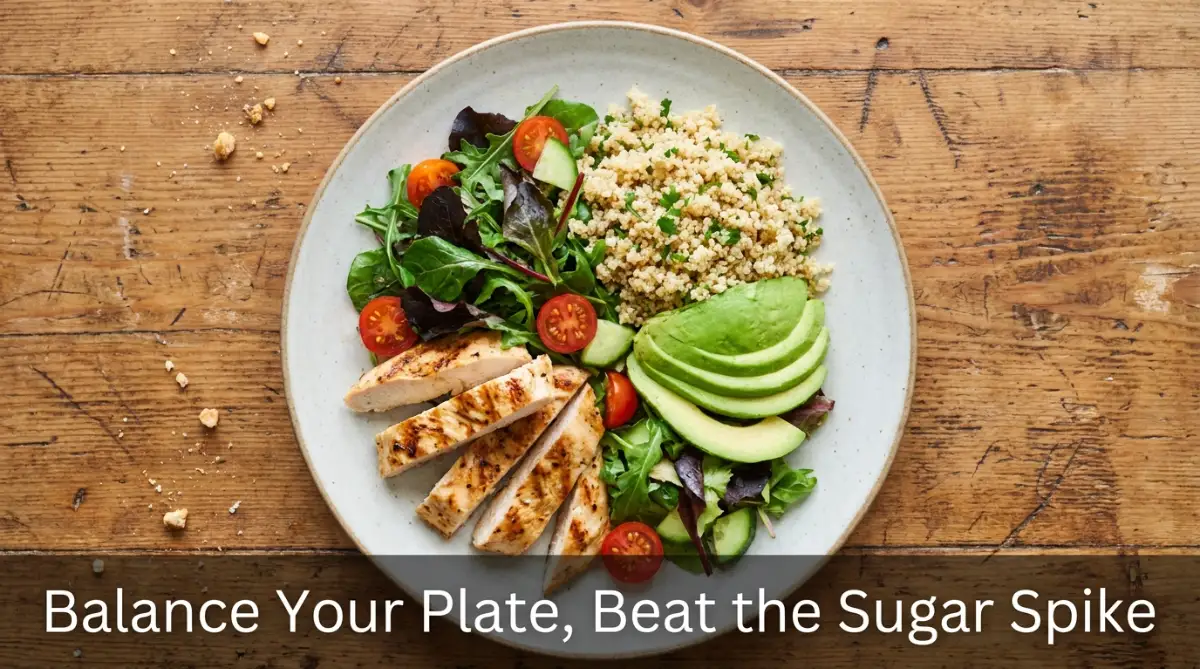
Before We Jump In: My Top 4 Hacks for Steady Energy
- Eat your greens first: Fiber acts like a shield, slowing down how fast sugar hits your blood.
- Dress your carbs: Never eat naked carbs. Always add a fat or protein (like peanut butter with an apple).
- Cool your starches: Put your cooked rice or potatoes in the fridge overnight to create gut-friendly resistant starch.
- Take a 10-minute walk: Moving right after a meal forces your muscles to soak up excess sugar instantly.
Breaking Down the Science: Why Your Body Hits the Brakes
To truly understand how to fix this problem, we need to look at what happens right after you swallow your food. Think of your digestive system as a busy highway.
When you eat a large bowl of white rice on an empty stomach, it is like sending a hundred race cars down that highway all at once. The traffic jams immediately. Your body responds by releasing a massive wave of insulin to clear the road.
This heavy insulin dump clears the sugar away too fast. Because the sugar drops so rapidly, your brain thinks you are starving again. This is exactly why you crave a sweet dessert right after finishing a huge meal.
The goal is not to stop the cars from entering the highway entirely. Instead, we want to release those cars slowly and steadily. By making a few tiny adjustments to your meals, you can keep that traffic flowing perfectly.
Let us look at some highly practical steps you can take today to keep your energy steady. These simple shifts require very little effort but deliver incredible results.
The Magic of Food Sequencing: Eat Your Veggies First
One of the most effective habits you can build has nothing to do with what you eat. It is all about the exact order in which you eat your food.
Scientists have found that eating your vegetables before your carbohydrates can completely change how your body processes sugar. When you eat greens first, the fiber coats the lining of your stomach and intestines.
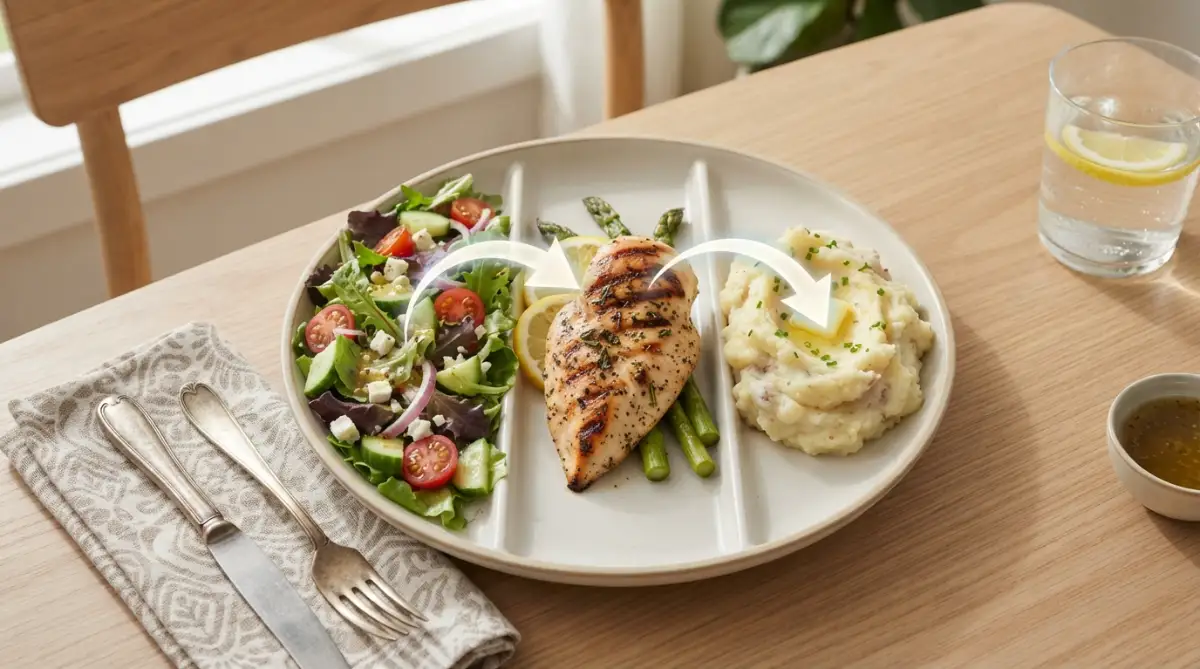
This natural fiber mesh acts like a physical barrier. When you eventually eat your rice, bread, or potatoes at the end of the meal, the sugar from those carbs cannot enter your bloodstream instantly.
For example, imagine you have a plate with grilled chicken, a side salad, and mashed potatoes. If you start with the potatoes, you will experience an instant sugar rush.
But if you eat the salad first, follow it with the chicken, and save the potatoes for last, your glucose curve will stay completely flat. You get to enjoy the exact same meal without any of the negative side effects.
This simple shift takes zero extra money and zero extra cooking time. You just need to change the sequence of your bites.
Quick Cheat Sheet: How I Sequence My Everyday Meals
| The Meal | Don't Eat It Like This | Eat It Like This Instead |
| :--- | :--- | :--- |
| Breakfast | Toast → Eggs → Avocado | Avocado → Eggs → Toast |
| Lunch | Rice → Chicken → Salad | Salad → Chicken → Rice |
| Dinner | Pasta → Meatballs → Broccoli | Broccoli → Meatballs → Pasta |
Embracing the Right Kind of Fats to Slow Down Digestion
For many years, people believed that eating fat would automatically make them unhealthy. We now know that healthy fats are some of our best tools for keeping glucose levels incredibly stable.
Fats take a very long time for the body to digest. When you pair a carbohydrate with a healthy fat, it forces the stomach to empty its contents much slower.
I used to run away from all fats, thinking they were the enemy of a healthy body. But my biggest realization came when I added a handful of walnuts and a drizzle of olive oil to my dry salads. My afternoon cravings completely vanished, and I felt comfortably full for hours.
Instead of eating a plain slice of toast, try spreading a thick layer of almond butter or avocado on top. The calories might be slightly higher, but the energy you get will last significantly longer.
Your brain needs these healthy fats to function clearly throughout the day. Foods like eggs, olive oil, chia seeds, and fatty fish are excellent choices to include in your daily routine.
Movement Over Medicine: The Power of a Post-Meal Walk
You do not need to spend hours at the gym to see a massive improvement in your health. Moving your body for just ten minutes after a meal can work wonders.
When you walk, your muscles need immediate energy to keep moving. They pull the extra sugar straight out of your bloodstream to use as fuel.
This process happens without needing extra insulin. A gentle stroll around your neighborhood or even pacing around your living room is enough to flatten a spike.
Watch this amazing breakdown of why a 10-minute walk is your best defense against energy crashes!
If you work in a busy office, try taking your phone calls while walking down the hallway. You can also use the stairs instead of the elevator after returning from your lunch break.
Make it a fun family habit to walk the dog together right after dinner. These tiny pockets of movement add up incredibly fast and protect your long-term health.
Common Myths vs. Everyday Reality
There is a lot of confusing information out there about managing daily energy. Let us clear up some of the most common misunderstandings right now.
Understanding these basic truths gives you the freedom to enjoy your food again. You do not have to live in fear of every single bite you take.
Adding a Touch of Acidity: The Apple Cider Vinegar Trick
Another incredibly easy shift involves introducing a little bit of natural acidity to your meals. Acidity helps to slow down the rate at which your stomach empties its food into the digestive tract.
Many people swear by drinking a tall glass of water mixed with one tablespoon of apple cider vinegar before eating. This simple drink can significantly lower the resulting glucose rush.
If drinking vinegar sounds unappealing to you, there are plenty of other delicious ways to get the same exact benefit.
You can squeeze fresh lemon juice heavily over your grilled fish or chicken. You can also use a vinegar-based dressing on your side salads.
Even adding some pickled vegetables, like cucumbers or cabbage, to your sandwich can make a huge difference. The sour taste is a clear signal that the food will help keep your energy completely stable.
Quick Fact Check: The Vinegar Trick
What people think: "I have to drink a giant glass of gross, raw vinegar."
How I actually do it: I just mix one single tablespoon of apple cider vinegar into a tall glass of sparkling water and add a lemon slice. It tastes just like a light, refreshing soda, and it preps my stomach for the heavy carbs coming next!
Swapping Naked Carbs for Dressed Carbs
One of the biggest mistakes people make is eating carbohydrates all by themselves. We often refer to these as "naked carbs."
Eating a plain apple, a handful of crackers, or a bowl of dry cereal is a one-way ticket to an energy crash. The body digests these lonely carbs almost instantly.
You should always aim to "dress" your carbs by pairing them with a strong source of protein or fat.
If you want to eat an apple, slice it up and dip it into rich peanut butter. If you want some crackers, add a thick slice of cheese or some fresh turkey breast on top.
By giving your carbohydrates a protective companion, you change the entire chemical breakdown of the snack. Your digestive system has to work harder and slower.
This means you get a gentle, steady release of energy that keeps you feeling focused. It is such a simple rule, but it changes everything about how you feel between meals.
Fiber: The Unsung Hero of Blood Sugar Control
Most people simply do not get enough fiber in their daily diets. Fiber is incredibly powerful because our bodies cannot actually digest it.
Because it passes through our system without being broken down, it helps to regulate everything else we eat. There are two main types of fiber, and both are completely essential for your health.
Soluble fiber dissolves in water to form a thick, gel-like substance in your gut. This gel slows the absorption of sugars and fats into your blood.
You can find high amounts of soluble fiber in foods like oats, beans, apples, and blueberries. Adding just half a cup of black beans to your lunch can transform how you feel afterward.
Insoluble fiber, on the other hand, adds bulk to your food and helps it move smoothly through your digestive tract. This type is found heavily in whole grains, nuts, and the skins of most vegetables.
Try to leave the skin on your cucumbers, potatoes, and apples whenever possible. Sprinkle a tablespoon of ground flaxseeds or chia seeds over your morning yogurt.
These tiny dietary shifts require almost zero effort. However, they build a powerful foundation of fiber that protects your energy levels all day long.
Managing Stress to Keep Insulin Working Properly
We often focus entirely on the food on our plates, completely ignoring the state of our minds. Your mental state has a direct and immediate impact on your physical biology.
When you are heavily stressed, your body releases a hormone called cortisol. Cortisol signals your liver to dump stored sugar straight into your bloodstream.
Your body does this because it thinks you are in physical danger and need sudden energy to run away. Even if you eat the perfect, healthy meal, a highly stressful argument can cause a massive glucose spike.
Learning how to calm your nervous system before you sit down to eat is incredibly important. You do not need to meditate for an hour to see results.
Simply taking five deep, slow breaths before taking your first bite can lower your cortisol levels significantly. It tells your brain that you are safe and ready to digest your food properly.
Eating in a rushed state while answering work emails forces your body to pause its digestive processes. Try to step away from your screens and focus entirely on the flavors and textures of your meal.
This mindful approach to eating not only helps stabilize your internal systems but also brings a lot more joy back into your daily routine. Making these small, manageable shifts will completely transform the way your body handles energy, giving you back your focus, your mood, and your life.
Next-Level Hacks to Master Your Post-Meal Energy
Now that we understand the basics of food sequencing, it is time to look at some advanced strategies. These are the secret tools that top nutrition experts use to keep their clients feeling amazing all day. You do not need to be a scientist to use them, but understanding how they work will change your life.
One of the most fascinating tricks involves changing the actual temperature of your carbohydrates. When you cook starchy foods like rice, potatoes, or pasta, and then let them cool down in the fridge overnight, something magical happens. The chemical structure of the food physically transforms.
It turns into something called resistant starch. This means the starch becomes highly resistant to your normal digestive enzymes. Instead of breaking down into sugar instantly, it travels slowly through your system.
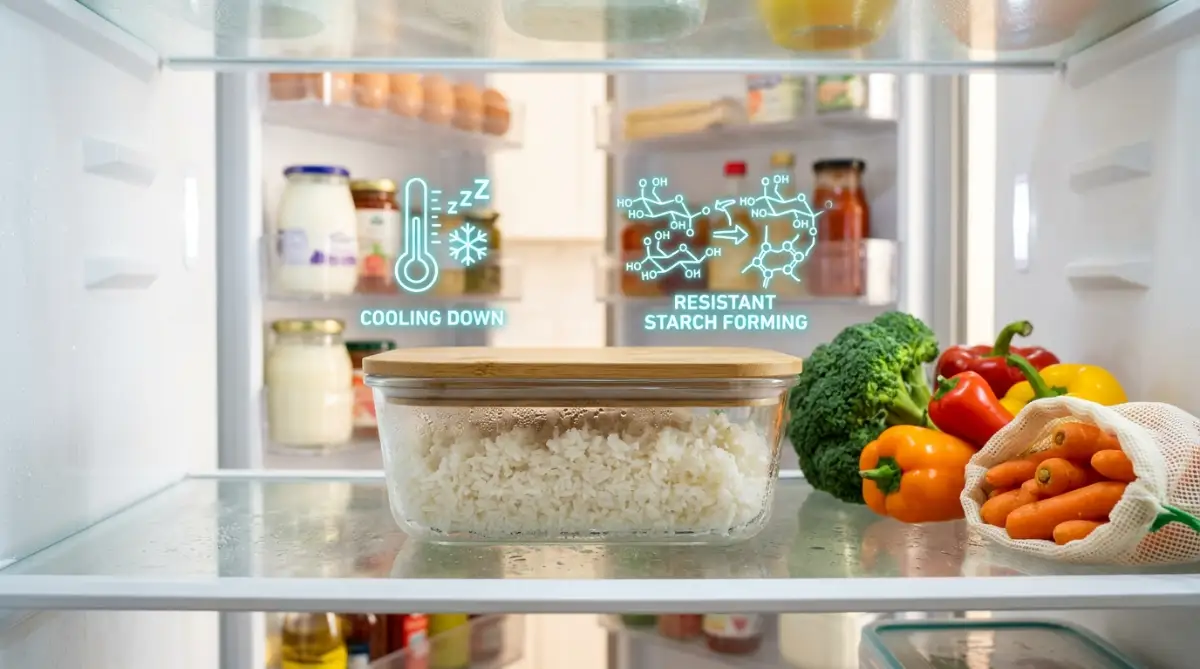
When you reheat that leftover rice the next day, it will not cause the same massive glucose spike as freshly cooked rice. According to research from the National Institutes of Health on carbohydrate metabolism, this simple cooling process feeds the good bacteria in your gut. It gives you steady energy without the sudden crash.
I started cooking my potatoes a day early and keeping them in the fridge. I simply warm them up slightly before dinner, and the difference in my evening energy is unbelievable. You get to eat your favorite comfort foods while keeping your blood sugar completely flat.
Another powerful habit is managing your hydration timing. Many people drink huge glasses of ice water right in the middle of their meals. This can actually wash away your natural digestive juices and stomach acid.
When your stomach acid is diluted, your body struggles to break down proteins and fats properly. This leaves the carbohydrates to rush ahead and spike your blood sugar. Try to drink your main glasses of water about thirty minutes before you sit down to eat.
If you need a drink during your meal, take small sips of warm water or herbal tea. This keeps your digestion strong and steady.
Building a little bit of muscle mass is also a secret weapon against energy crashes. You can think of your muscles as hungry little sponges that soak up extra sugar from your blood. The more muscle you have, the more places the sugar can safely go.
You do not need to become a bodybuilder to see these benefits. Simple resistance exercises like wall pushes, squats, or carrying heavy groceries make a huge difference. As a bonus, this type of strength training ties perfectly into foolproof methods to preserve bone density as we get older.
Finally, let us talk about restaurant dining. When you go out to eat, the waiter usually drops a massive basket of warm, naked bread right on the table. Eating this bread on an empty stomach guarantees a heavy spike and a terrible crash later.
Instead of refusing the bread completely, ask the waiter for a side of olive oil and a small plate of greens. Dip the bread heavily in the oil to add healthy fats, or simply eat the greens first. These tiny, smart choices let you enjoy your social life without sacrificing your health goals.

Dangerous Traps That Keep You Stuck in the Sugar Crash Cycle
Even with the best intentions, it is incredibly easy to fall into hidden traps that completely ruin your progress. I see so many people trying extremely hard to eat healthy, only to feel frustrated when they still hit that afternoon wall of exhaustion.
One of the biggest mistakes is trusting the "Zero Sugar" labels on packaged foods. Many companies replace natural sugar with harsh artificial sweeteners that completely confuse your body. When your tongue tastes something sweet, your brain immediately expects sugar to arrive in the stomach.
Your pancreas prepares by releasing insulin. But when the actual sugar never arrives, that excess insulin drops your blood glucose too low. This fake-out leaves you feeling dizzy, tired, and aggressively hungry for real carbohydrates.
Instead of falling for chemical sweeteners, train your taste buds to enjoy the natural sweetness of whole foods like berries or cinnamon.
Another massive trap is drinking your calories, especially in the form of "healthy" green smoothies. When you put an apple, a banana, and spinach into a high-speed blender, the machine completely destroys the natural fiber matrix. The blender does all the chewing for you.
When you drink that smoothie, it hits your stomach like a lightning bolt. Because the fiber is pulverized, the natural fruit sugars flood your bloodstream instantly. A report by Stanford Medicine researchers on personal glucose spikes highlights that liquid meals are a primary cause of hidden energy crashes, even in totally healthy adults.
If you love smoothies, you must balance them. Add a heavy scoop of chia seeds, a spoonful of almond butter, or some unsweetened Greek yogurt to slow down the digestion process. Better yet, try eating your fruits whole instead of drinking them.
We also cannot ignore the quiet danger of poor sleep. Missing just one night of good sleep throws your entire system into chaos. When you are deeply exhausted, your cells become highly stubborn and refuse to listen to insulin.
This condition is exactly how unexpected daily triggers that are secretly disrupting your hormonal balance slowly damage your long-term health. Your body keeps pumping out more and more insulin, but the sugar stays trapped in your blood.
You might eat the perfect, balanced salad for lunch, but if you only slept four hours, you will still experience a heavy spike. Prioritizing your rest is just as important as prioritizing your vegetables.
Many people also make the mistake of snacking constantly throughout the entire day. They think eating six small meals will keep their energy up, but it actually keeps their digestive system working non-stop. Your insulin levels never get a chance to come back down to a resting state.
This constant grazing not only causes massive energy swings but also harms your mouth. Constantly exposing your teeth to starchy foods is exactly why neglecting your dental hygiene could be quietly damaging your vital organs.
Give your body a break between meals. Stick to three solid, well-balanced plates a day, and let your digestive tract rest in between.
Finally, do not underestimate the damage of chronic, hidden stress. Being worried about work or family actually triggers your liver to dump stored glucose into your blood. This constant state of panic is one of the 7 silent habits destroying your immune system.
Learn to step away from your desk when you eat. Take a deep breath, chew your food slowly, and give yourself permission to relax for just twenty minutes.
Your New Daily Blueprint for Steady Energy
You do not have to turn your entire life upside down to start feeling better today. The goal is to make these small, effortless shifts feel completely natural and totally automatic.
Start by simply looking at your plate before you take your first bite. Ask yourself if there is a clear source of healthy fat, a good portion of protein, and some thick fiber. If your plate is mostly naked carbohydrates, just add a handful of nuts or a drizzle of olive oil.
Make a promise to yourself to eat your greens first, whenever possible. Let that fiber create a protective shield in your stomach so you can enjoy your rice or pasta without guilt.
Remember that movement is your best friend after a heavy meal. Even a quick lap around your living room or taking the stairs back to your office can flatten a dangerous sugar spike. The American Diabetes Association strongly recommends light physical activity shortly after eating to keep your muscles soaking up that extra energy.
Do not beat yourself up if you have a bad day or eat a giant piece of cake at a birthday party. Health is not about being perfect every single second of the day. It is about understanding how your body works and giving it the support it needs most of the time.
If you notice that a specific food always makes you sleepy, listen to your body. You might find that how to heal a damaged skin barrier from over-exfoliation shares a similar concept with healing your gut: you have to stop being so harsh on your system and start treating it gently.
Your energy levels dictate how you show up in the world for your family, your friends, and your career. By taking control of your post-meal spikes, you are giving yourself the gift of clear focus and stable moods. You can finally say goodbye to that horrible afternoon brain fog for good.
I know how overwhelming it feels to constantly fight against your own tiredness every single afternoon. But once I started dressing my carbs and taking a short walk after lunch, my energy totally transformed, and I know yours will too. You have the power to change how you feel right now, one simple bite at a time.
Questions People Frequently Ask About Post-Meal Energy
How quickly does blood sugar spike after eating a meal?
Your glucose levels typically start to rise within just 15 to 20 minutes after you begin eating. The spike usually hits its highest peak about one hour after your meal. This is exactly why taking a short walk right after you finish eating is so incredibly effective.
Can drinking water help lower a sugar spike?
Yes, staying properly hydrated helps your kidneys flush out excess sugar through your urine. However, try to drink your water between meals rather than gulping huge amounts while you are chewing. This keeps your stomach acid strong for proper food breakdown.
Are bananas bad for my post-meal energy levels?
Bananas are very healthy, but eating a ripe banana on a totally empty stomach will cause a fast spike. You can easily fix this by eating your banana with a handful of almonds or a scoop of peanut butter. The fats and proteins will slow down the sugar release beautifully.
Why do I crave sweets immediately after eating a huge lunch?
When you eat a massive meal of heavy carbohydrates, your body overreacts and releases too much insulin. This insulin drops your blood sugar rapidly, making your brain panic and think you need quick energy. That sudden drop is exactly what triggers your intense craving for a sweet dessert.
Is it better to exercise before or after eating to control glucose?
Both are amazing for your health, but light exercise after a meal is the absolute best way to stop a sudden spike. Walking or doing gentle chores forces your muscles to absorb the sugar directly from your blood. You do not need to sweat heavily; just ten minutes of gentle movement works wonders.
Disclaimer: The information provided in this article is for educational and informational purposes only. It does not constitute medical advice, diagnosis, or treatment. Always consult with a qualified healthcare provider or a registered dietitian before making significant changes to your diet, especially if you are managing a medical condition like diabetes or insulin resistance. For more wellness resources, "The content is not intended to diagnose, treat, or cure any disease."visit smartinfo36.com.