
Why Protecting Your Crypto Portfolio Matters:
The Silent Fear: Watching Your Hard-Earned Savings Melt Away in Minutes
I know the exact feeling. You open your crypto app, and everything flashes red. It honestly hurts, right? I have watched my own savings take a massive dive in the middle of the night, and it made me sick to my stomach. But over time, I figured out that protecting your money does not require a fancy finance degree. Let me show you how I lock down my portfolio so I can actually sleep well without stressing over the next market crash.
Your stomach turns. You feel a tight pain in your chest, and your sleep is gone for the rest of the night.This is the painful reality for many everyday people who try their hand at digital coins. We are not talking about giant, rich hedge funds here.
It makes you lose focus at your day job because you are constantly checking prices. You feel angry at yourself, wondering why you did not sell your coins earlier.The constant worry about your money ruins your peace of mind and keeps you in a state of quiet panic. You start to wonder if investing was a mistake in the first place.
But you do not have to live in fear of the next big dip. There are simple, clear rules that can keep your money safe.

Quick Takeaways for Your Peace of Mind:
- Never put more than 5% of your money into one risky coin.
- Always set automatic stop-loss orders so you do not lose sleep over sudden drops.
- Keep at least 20% of your money in stablecoins ready to buy market dips.
- Move your long-term digital savings off websites and into an offline hardware wallet.
Simple Rules to Shield Your Money from Sudden Drops
You do not need a degree in finance to protect your digital assets. You only need a few smart habits to stay safe when the market turns ugly.
Let us look at some practical steps you can start using today to build a strong shield around your money.
Rule 1: The Magic of Proper Position Sizing
The easiest way to lose all your money is to put it all into one single basket. Many people see a trending coin on social media and buy as much as they can.
When that coin crashes, their entire savings crash with it. To prevent this, we must use a simple math rule called position sizing.
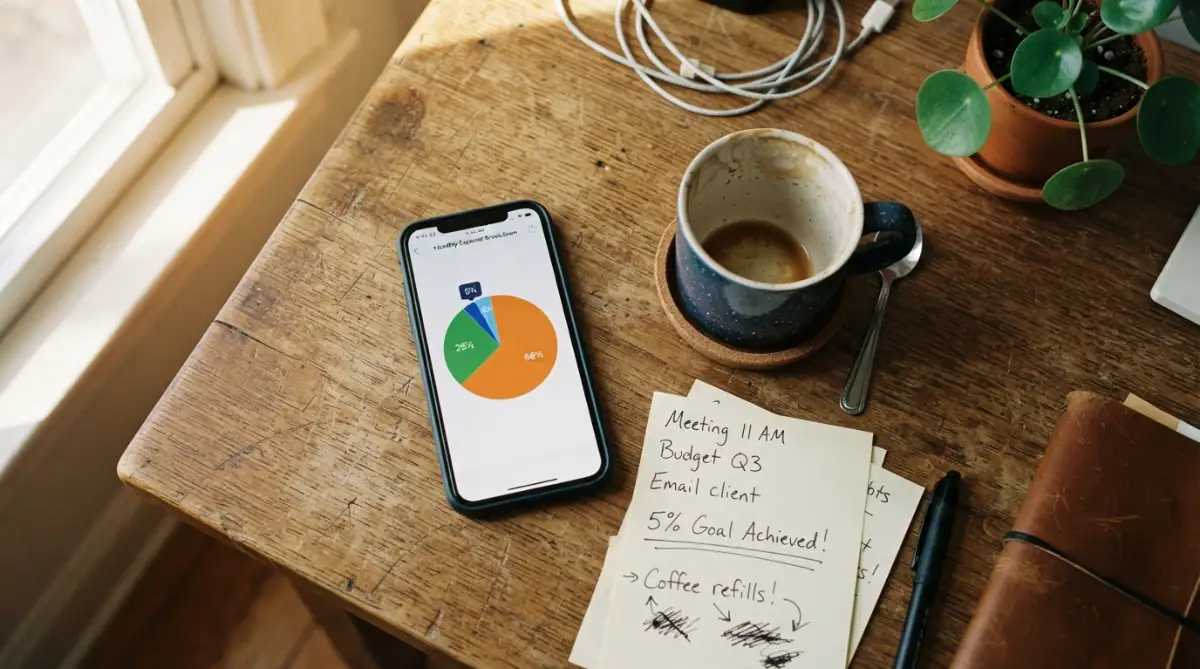
Never put more than 5% of your total trading money into a single volatile coin. If you have $1,000 to trade, do not spend more than $50 on any single asset.
This way, even if that specific coin goes down to zero, you only lose a small fraction of your cash. You still have 95% of your money left to trade another day.
This simple step keeps you in the game for the long run. It stops a single bad event from wiping you out.
Rule 2: Set Your Exit Doors Before the House Catches Fire
Imagine walking into a busy building with no emergency exits. If a fire starts, everyone panics and gets stuck at the front door.The crypto market is just like that burning building during a crash. Everyone tries to sell at the exact same time, and the price drops faster than you can click a button.
To avoid this panic, you should use Stop-Loss orders. A stop-loss is an automatic instruction you give to your exchange.It says: "If the price of this coin drops to this specific number, sell it immediately to protect my money."
For example, if you buy a token at $100, you can set a stop-loss at $90. If the market suddenly crashes while you are asleep, the exchange sells your token at $90.
You lose $10, which hurts a little, but you protect the other $90. You do not have to watch it drop all the way down to $20.
Rule 3: The Truth About Crypto Diversification
Many people think they are safe because they own ten different digital coins. But during a major market drop, almost all digital assets tend to fall together.
True safety comes from spreading your money across different types of assets, not just different crypto tokens.
Crypto Diversification: Myth vs. Fact
- The Big Myth: Buying 15 different small altcoins means my money is safe and diversified.
- The Hard Fact: If Bitcoin drops hard, 99% of those altcoins will drop right along with it. Real safety means mixing your crypto investments with actual cash, stablecoins, or traditional savings. Do not fool yourself into thinking multiple risky coins equal safety.
If you put all your money into small, hyped coins, your risk is too high. Try to keep a healthy mix that fits your personal comfort level.
Keeping some of your portfolio in stablecoins is like keeping cash under your mattress. It does not lose value when the rest of the market falls down.
Rule 4: Always Keep Some "Dry Gunpowder" Ready
When a market crash happens, most people are filled with fear because they have no cash left to buy anything. They spent all their money at the very top of the market.Professional traders do the opposite. They always keep a portion of their portfolio in stablecoins like USDC or USDT.
This cash is what we call "dry gunpowder." When a big crash happens and good coins become cheap, they use this cash to buy them at a discount.
If you are always fully invested, you miss these amazing buying opportunities. You are forced to just sit and wait for your old investments to recover.Aim to keep at least 20% of your total investment balance in stablecoins. This simple cushion turns a scary market crash into an exciting shopping discount event.
Rule 5: Run the "Sleep Test" on Your Trades
How do you know if you are taking too much risk with your trades? You do not need complex formulas to find out.
Just use the simple Sleep Test. Ask yourself this honest question tonight:
"Can I go to sleep for eight hours without checking my phone once, and feel completely fine about my open trades?"If the answer is no, you have too much money on the line. You are trading with funds you cannot afford to lose.
Rule 6: Avoid the Trap of Leverage and Borrowed Money
Some exchanges offer you the chance to trade with borrowed money, also known as leverage. They promise that you can make ten times more profit with less cash.
What they do not tell you clearly is that you can also lose your money ten times faster. In a sudden crash, even a tiny price drop can wipe out your entire account.
This process is called liquidation. Once your trade is liquidated, your money is gone forever, and you cannot get it back even if the price goes right back up.
If you want to protect your savings, stay far away from leverage. Stick to spot trading where you actually own the coins.
If you own the actual coin, you can always wait for the price to recover. If you use leverage, you do not get that second chance.
Staying Safe in a Volatile World
Protecting your money is not about predicting the future. Nobody knows when the next big market drop will happen.
Instead, safety is about having a clear plan before the storm hits. By managing your trade sizes, using automatic stop-losses, and keeping cash ready, you protect your peace of mind.
Start by checking your current portfolio today. Make the small adjustments we talked about, and take control of your financial comfort.
Deep Protection Tactics Used by Long-Term Investors
Moving beyond the basic safety steps, experienced traders use advanced habits to shield their money from sudden market drops. These strategies require patience, but they build a strong defense that works automatically when panic hits the market.
To build true financial safety, you must look at your entire financial life before putting money into volatile assets. If you are struggling with multiple high-interest monthly payments, it is highly recommended to fix that issue first. Learning how to consolidate multiple debts without hurting your credit score can free up the extra cash flow you need to invest with a clear mind.
Once your basic debts are under control, you can focus on advanced custody. One of the biggest secrets of long-term survival is moving your assets off web-based exchanges.
The Power of Cold Storage and Self-Custody
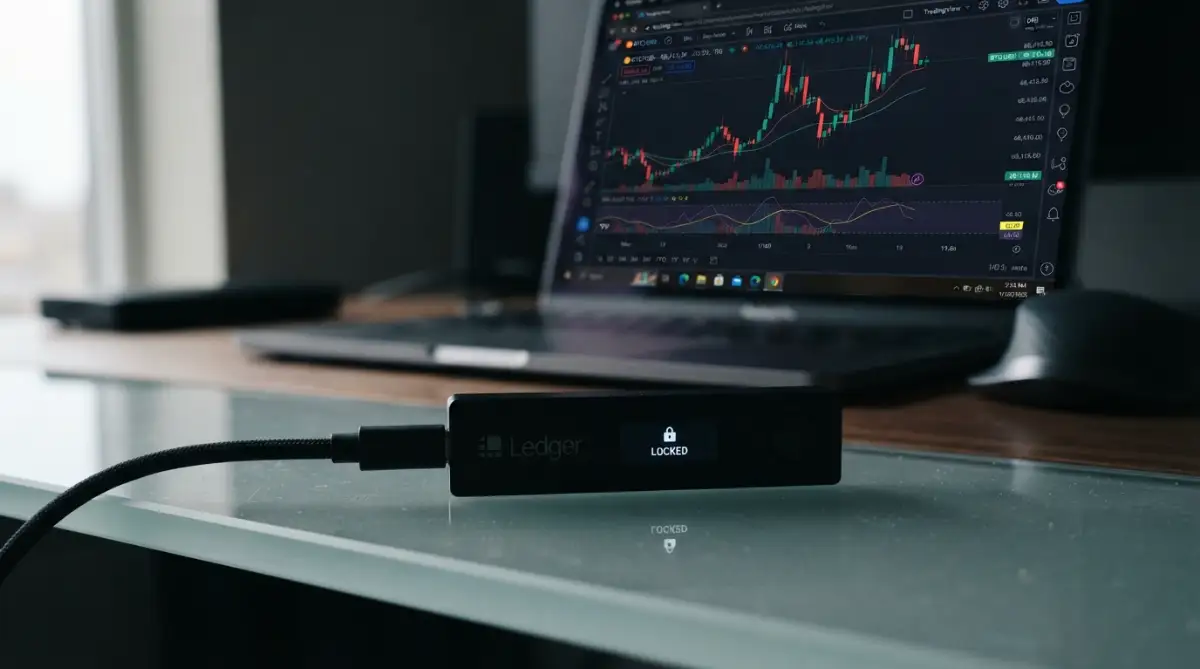
When you keep your digital assets on an exchange, you do not actually own them. The exchange holds the private keys, which means they control your wealth.If the exchange goes out of business or gets hacked, your money can disappear in seconds. This is why professional investors use offline hardware wallets, often called cold storage.
A hardware wallet keeps your private security keys completely disconnected from the internet. This setup makes it virtually impossible for online hackers to steal your funds.It also adds a healthy speed bump to your trading habits. Because you have to plug in a physical device to sell your coins, you are much less likely to panic-sell during a sudden midnight crash.
Quick Q&A: Do you really need a hardware wallet?
- You might ask: "I only have $300 invested in crypto. Is a cold wallet really worth it for me?"
- My honest answer: I always say yes. Think of it like a digital safe for your home. Even if you hold a small amount, leaving it on a web exchange means someone else holds your keys. Getting a basic hardware wallet builds good security habits from day one.
Dollar-Cost Averaging Out (DCA-Out)
We often hear about buying coins slowly over time to get a better average price. But very few people talk about the importance of selling slowly over time to protect profits.When the market is booming and everyone is excited, it is easy to get greedy and expect prices to rise forever. This greed is exactly how investors get caught at the very top of a bubble.
By setting pre-determined profit targets, you can automatically convert a portion of your portfolio into stablecoins as the price goes up. You do not have to guess the exact peak of the market.If the market suddenly drops afterward, you will not feel sad because you already locked in solid gains. You can then use those profits to buy back your favorite tokens at a much cheaper price.
Tracking Large Wallet Movements (Whale Watching)
In the digital asset space, big players with millions of dollars are called whales. These whales have the power to move market prices up or down with a single trade.Because blockchain technology is public, you can actually watch what these big players are doing in real time. There are free online tools that alert you when a massive amount of coin is moved from a private wallet onto an exchange.
Usually, when whales move coins to an exchange, it means they are preparing to sell. Keeping an eye on these big transfers gives you an early warning sign of a potential market dump.If you see major movements, you can choose to tighten your stop-loss limits or move some funds into stablecoins. This simple habit keeps you one step ahead of the general public.
Building Your Ultimate Financial Foundation First
It is a massive mistake to view digital assets as a quick way to solve your financial struggles. Before you buy a single coin, you need to make sure your everyday life is fully protected.
Taking the time to learn how to build a bulletproof emergency fund fast gives you a solid cushion of real cash. This fund ensures that if your car breaks down or you lose your job, you will not have to liquidate your digital assets during a market crash.
Investing without a cash emergency fund is like jumping out of an airplane without a backup parachute. Make sure your real-life expenses are covered for at least three to six months before you start trading.

Psychological Traps That Drain Your Digital Wealth
Even with the best tools, your own mind can be your biggest enemy during a sudden market crash. The human brain is wired to protect itself from danger, but in financial markets, our natural instincts often lead us to make terrible decisions.
The U.S. Securities and Exchange Commission repeatedly warns investors about the extreme volatility and lack of consumer protections on centralized trading platforms. When a crash begins, fear spreads like wildfire, and unprepared investors make costly moves out of pure panic.
The Danger of Borrowing to Invest:
Some people get so excited about potential market gains that they consider taking out personal loans to buy digital assets. This is one of the most dangerous moves you can make as an investor.
If you are already managing existing debt, understanding personal loan mistakes you must avoid will protect your long-term wealth from collapsing. Borrowing money to buy volatile assets multiplies your stress levels by ten.
If the market drops, you still have to pay back the loan with interest, even if your investment is worth nothing. This double loss can ruin your credit score and put your family in a deep financial hole.
The Falling Knife Trap:
When a popular coin starts dropping rapidly, it is very tempting to buy it immediately because it looks cheap. This behavior is called "catching a falling knife."
Just because a token has dropped fifty percent does not mean it cannot drop another fifty percent. Many projects never recover from a major crash because they lack real-world utility or strong development teams.
Before you buy a dipping asset, wait for the price to stabilize and show signs of actual strength. It is far better to buy a coin at a slightly higher, stable price than to buy it while it is actively crashing.
Checking Prices Every Single Minute:
During a market downturn, many investors develop an obsession with checking their trading apps every few minutes. This habit keeps your body in a constant state of fight-or-flight.
Every tiny tick down feels like a personal disaster, and every tiny tick up gives you false hope. This emotional roller coaster completely drains your energy and clouds your judgment.
If your long-term plan is solid, you do not need to look at the daily charts. Try deleting the trading apps from your phone for a weekend to give your mind a much-needed break.
If you find yourself constantly worried about money, it might be a sign that your overall financial planning needs a reset. It is important to know what happens if you miss a personal loan EMI payment so you can keep your traditional banking life safe while navigating digital markets.
Your Daily Protection Checklist:
To make these safety strategies part of your daily routine, it helps to have a simple checklist. You can review these points every week to keep your risk levels under control.
- Check your wallet safety: Are your long-term holdings stored safely on an offline hardware device?
- Review your stablecoin balance: Do you have at least 20% of your capital ready in stablecoins to buy the next major dip?
- Update your stop-loss levels: Are your automatic safety exits set up for your active short-term trades?
- Assess your emotional state: Did you pass the sleep test last night, or are you feeling anxious about your open trades?
- Verify your basic finances: Is your emergency fund fully funded and separate from your trading capital?
Data from the Cambridge Centre for Alternative Finance shows that global digital asset markets are highly sensitive to sudden regulatory shifts and mining changes. This means sudden price swings are a natural feature of this space, not a temporary bug.
By treating these price drops as expected events, you remove the element of surprise. You no longer panic when the red candles appear because you already have a plan to handle them.
Your Action Plan for Peace of Mind:
Protecting your hard-earned savings is not about being lucky or knowing secrets that others do not. It is about having the self-discipline to set rules and stick to them, especially when everyone else is panicking.Start small by moving just a portion of your long-term assets to a cold wallet today. Set a simple stop-loss on your most volatile position, and make sure your emergency fund is healthy.
You do not have to be a perfect trader to build lasting wealth. You just need to build a system that protects you from your own emotions and keeps you safe during the storm.Take these steps today, turn off your screens, and enjoy your peace of mind. Your future financial self will thank you for the care and caution you practice right now.
Disclaimer:
The information provided in this article is for educational and informational purposes only. It does not constitute professional financial, investment, or legal advice. Cryptocurrency markets are highly volatile and carry a high risk of financial loss. Always do your own research and consult with a licensed financial advisor before making any investment decisions.