How the Dream of Independence Turned into Daily Exhaustion
Last Tuesday, I stared at my phone screen and felt a tight knot in my stomach just from seeing a single email notification. That was the exact moment I realized my dream of being a free, independent creator had slowly morphed into a nightmare of endless work. If you wake up already feeling behind on your to-do list, I want you to know you are not going crazy, and it is not your fault. We are going to fix this exhausting cycle together today.
Every single notification on my phone felt like a personal threat to my peace. My passion for creating content had slowly turned into a heavy burden that I dragged around all day. I found myself snapping at my family and constantly worrying about things I could not control.
Maybe you are feeling this exact same way right now. You wake up already feeling tired, dreading the long list of tasks waiting for you on your computer. Your mental energy is completely drained before you even start working.
The biggest problem happens when we tie our personal worth to our daily productivity. We think that if we take a break, the algorithm will punish us and our audience will forget we exist. This constant fear of falling behind keeps us running on a treadmill that never actually stops.
Our mental peace gets destroyed because we never truly clock out of work. Even when we are eating dinner or trying to sleep, our brains are busy planning the next piece of content. We forget how to be present in the real world because our minds are trapped in the digital one.

Quick Summary For Your Recovery:
-
Set a hard daily stopping time to stop work from bleeding into your personal life.
-
Switch from massive daily tasks to gentle micro-batching to save your mental energy.
-
Focus on the 80/20 rule to find out which tasks actually bring you results.
-
Create physical boundaries by cleaning your desk at the end of every day.
Why the Constant Hustle is Breaking Your Creative Mind
The human brain is simply not designed to create high-quality work without proper rest. When you push yourself to produce content every single day, you are ignoring your body's natural warning signs. You start operating on pure adrenaline, which leads to chronic stress and poor decision-making.
When your body stays in a state of high alert, your creative energy completely shuts down. Your brain goes into survival mode, focusing only on getting through the day rather than thinking of new ideas. This is why you feel so stuck and uninspired when you are overworked.
Building Real Boundaries Around Your Daily Schedule
The very first step to fixing this exhaustion is to treat your independent work like a traditional job. You need a specific starting time and, more importantly, a firm stopping time every single day. Without clear working hours, your tasks will slowly bleed into your personal life until you have no free time left.
Here is a quick look at the personal schedule I use to protect my sanity:
Morning Block (9 AM to 11 AM): Deep writing and hard tasks. My phone stays in another room.
Midday Break (11 AM to 1 PM): Going for a walk, eating lunch, and resting my eyes.
Afternoon Block (1 PM to 4 PM): Easy tasks like replying to emails, editing pictures, or talking to clients.
Hard Stop (4 PM): Laptop closes. I do not check work messages until the next morning.
Start implementing a strict "Digital Sunset" in your home. This means shutting down your laptop and silencing work notifications at least two hours before you go to sleep. Your mind needs this quiet buffer zone to disconnect from the demands of the internet.
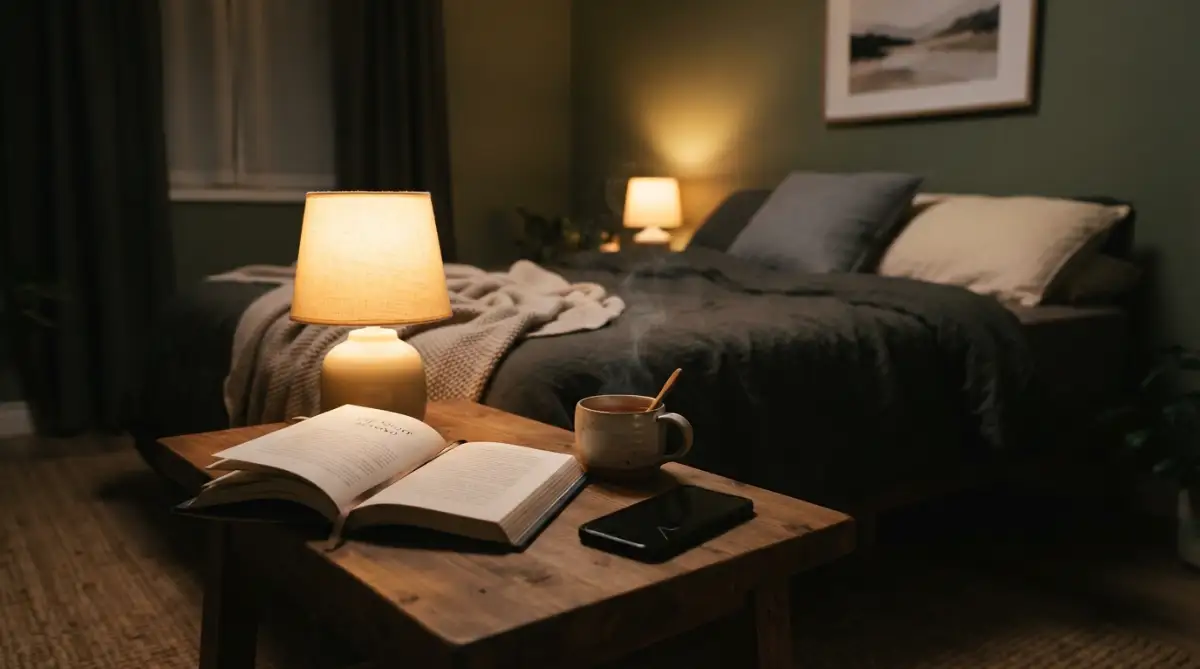
When I started setting an alarm to stop working at 6 PM, I honestly felt guilty at first. I worried that my clients would get angry or my blog traffic would instantly drop. However, nothing bad happened, and I actually woke up the next morning feeling excited to work again.
Watch This Helpful Breakdown on Creator Balance
If you want to understand exactly why your brain feels so exhausted, you need to watch this incredibly helpful video. It explains the exact connection between constant screen time and creative fatigue in a way that just makes sense.
The Magic of Micro-Batching Your Creative Tasks
You have probably heard that batch-creating your content is the ultimate secret to success. While doing similar tasks together is helpful, trying to write ten blog posts in one day will actually ruin your mental health. This extreme approach leads to a massive crash the following week.
Instead of extreme batching, try a gentle approach called micro-batching. Focus on completing just two or three similar tasks during a focused two-hour window. This method gives you the benefits of staying in the zone without draining your entire energy reserve.
For example, spend your morning writing just two article drafts and then completely walk away from the computer. In the afternoon, you can focus strictly on editing images or planning future topics. Breaking your day into small, manageable themes prevents you from feeling overwhelmed by a massive to-do list.
I learned the hard way that pushing for maximum output in a single day ruins my work quality. I used to try recording five videos in one afternoon, and by the fourth video, my energy was completely flat. My audience could easily tell that I was just going through the motions.
Now, I focus entirely on my energy levels rather than the clock. If I feel completely drained after one hour of intense writing, I step outside for a walk. Listening to your body is a much better strategy than forcing yourself to hit arbitrary daily goals.
Redefining What a Productive Day Looks Like
As independent creators, we often measure our success by how exhausted we feel at night. We mistakenly believe that if we are not sweating and stressing, we are not working hard enough. This toxic mindset is the exact reason why so many talented people quit their creative journeys entirely.
Let us look at a quick comparison between actions that drain you and actions that give you energy back:
Energy Drainers: Checking your analytics every hour, saying yes to bad clients just for a little money, and scrolling social media when you should be resting.
Energy Gainers: Taking a twenty-minute nap, batching your emails to read them only twice a day, and setting an automated out-of-office reply for your weekends.
True productivity is not about how many hours you sit in front of a keyboard. It is about how much actual value you produce during the hours you are focused. You can achieve amazing results working only four deep hours a day if you eliminate constant distractions.
Start focusing heavily on the 80/20 rule, also known as the Pareto Principle. This principle suggests that eighty percent of your real results come from just twenty percent of your efforts. Identify exactly which tasks actually bring you income or audience growth, and ruthlessly cut out the rest.
Myth vs. Reality: The Truth About Independent Work
Myth: You must post new content every single day to stay relevant and grow your audience.
Reality: Algorithms actually prefer high-quality, engaging content over rushed daily posts. Taking time to make something great is always better than posting garbage just to check a box.
Myth: Saying yes to every single client or brand deal is the only way to succeed.
Reality: Saying no to bad fits leaves room for opportunities that actually match your long-term goals. Overbooking yourself guarantees bad work and ruined professional relationships.
Myth: Taking a weekend off means you lack discipline or drive.
Reality: Rest is the actual foundation of discipline. Without proper rest periods, your drive will eventually crash and burn completely.
Learning to Forgive Yourself for Slow Days
There will always be days when you sit at your desk and absolutely nothing goes right. You might feel unmotivated, easily distracted, or just emotionally heavy. When these days happen, the worst thing you can do is beat yourself up and force the work.
We need to normalize the idea of having a low-energy day in the creative world. You are a human being with fluctuating emotions, not a highly programmed machine. If your body is asking for a break, fighting against it will only prolong your creative block.
When you feel that heavy resistance building up, give yourself permission to step away completely. Go read a book for fun, play with your pet, or just lie down on the couch for an hour. Sometimes, the most productive thing you can possibly do is absolutely nothing at all.
Creating a Healing Environment in Your Workspace
Your physical workspace plays a massive role in how you feel throughout the day. If your desk is covered in old coffee cups, scattered papers, and tangled wires, your brain will feel just as messy. Clutter acts as visual noise that slowly drains your focus without you even realizing it.
Take time to build an environment that actually makes you feel calm and capable. Bring in natural light if possible, add a small green plant, and keep your primary working area spotless. When your physical space feels peaceful, your mind automatically mirrors that same calm energy.
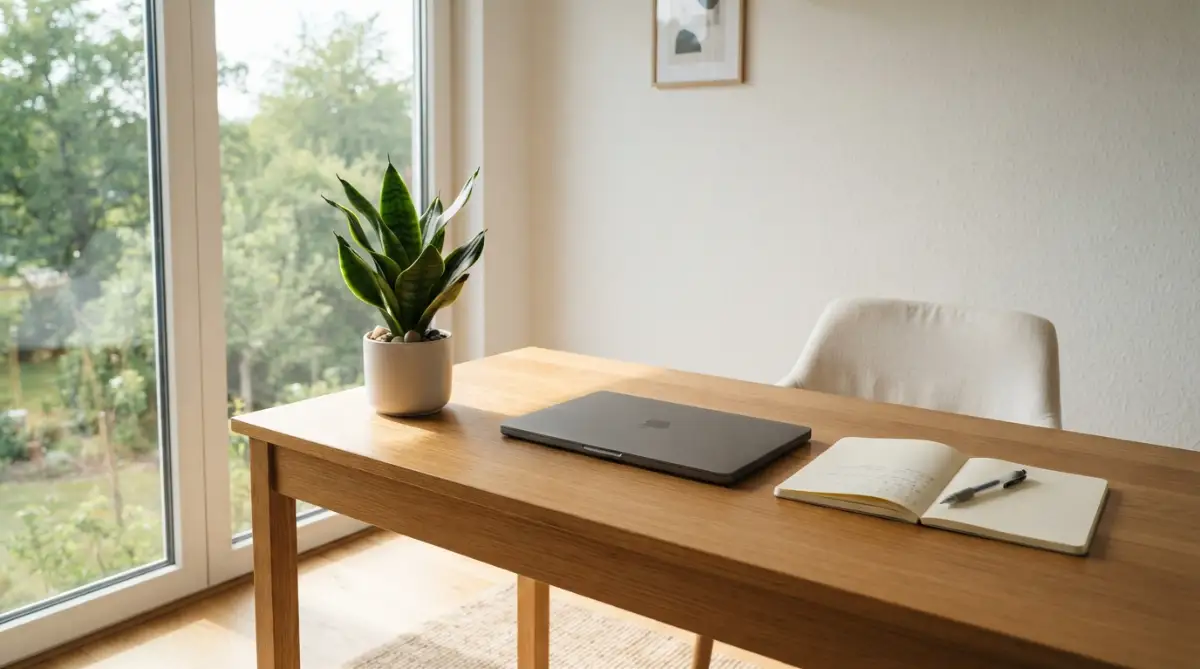
I make it a strict habit to clear off my entire desk at the end of every single workday. When I walk into my office the next morning, I am greeted by a clean slate rather than yesterday's mess. This tiny five-minute routine completely changed how I approach my morning work sessions.
The Importance of Connecting with Real Humans
Working completely alone as an independent creator can be incredibly lonely. You might spend ten hours a day talking to a camera or typing to an invisible audience, yet feel completely disconnected. This severe lack of real human interaction significantly speeds up the burnout process.
Make a deliberate effort to talk to actual people in real life, completely outside of your industry. Call a friend who does not know anything about algorithms or click-through rates. Have a conversation about sports, cooking, or absolutely anything other than digital content creation.
Reminding yourself that a huge world exists outside of your laptop screen is incredibly grounding. It puts your minor work problems into perspective and helps reduce your daily anxiety. Your identity should be based on who you are as a person, not just what you create online.
Embracing the Marathon Mindset
Building a successful independent career is not a short sprint to the finish line. It is a long, winding marathon that requires careful pacing and strategic rest stops along the way. If you sprint as fast as you can right at the starting line, you will collapse before the first mile is over.
Pacing yourself means actively turning down projects when your plate is already full. It means accepting that growth might be a little slower, but it will be much more stable. Sustainable habits are the only thing that will keep you in this game five or ten years from now.
Always remember that your health and happiness are your absolute most valuable business assets. If you destroy your mind and body trying to build an audience, you will have nothing left to enjoy when you finally reach your goals. Choose peace over panic, and choose sustainable habits over dangerous daily hustles.
Mastering Long-Term Mental Wealth as an Independent Creator
We have already discussed how exhaustion sneaks into our daily routines and destroys our creative energy. Now, we need to focus on building heavy armor against this fatigue so it never comes back. Moving forward, your goal is not just to survive the week, but to build a business model that actually supports your health.
The most successful independent creators do not just work harder than everyone else. They actually work much smarter by setting up invisible systems that protect their time and mental space. Let us explore some highly advanced strategies to keep your creative spark alive for years to come.
Building the Habit of Psychological Detachment
There is a massive difference between physically stepping away from your computer and actually turning off your brain. If you are sitting at the dinner table but secretly worrying about your next video script, you are still working. Your brain is burning the exact same amount of energy as if you were sitting in front of your keyboard.
According to experts on psychological detachment from work, true rest only happens when you completely forget about your professional responsibilities. You have to train your mind to safely drop the heavy baggage of your internet career at the office door. This mental boundary is the only way your brain can actually repair itself overnight.
To practice this, start a simple physical ritual that signals the absolute end of your workday. It could be shutting your office door, closing all browser tabs, or even taking a quick ten-minute shower. This physical action tells your brain that it is finally safe to power down and stop thinking about analytics.
Automating Your Brain Space with Solid Systems
Relying purely on daily motivation is a terrible strategy for any independent creator. Motivation is just a temporary feeling that completely disappears the moment you feel stressed, tired, or sick. Instead of chasing motivation, you need to build rigid systems that tell you exactly what to do when you feel empty.
Create a master template for every single repetitive task you do during the week. If you write newsletters, make a template that already has your intro, sub-headings, and outro formatted. Taking the guesswork out of the starting process removes the heavy mental block that usually causes procrastination.
Real-Life Scenario: The Weekly Brain Dump
Let us look at a practical example of how a calm creator plans their week. Every Sunday evening, grab a blank piece of paper and write down every single idea floating in your head. Do not edit or organize these thoughts; just get them out of your brain and onto the physical paper.
Once your head is completely empty, pick just three main priorities for the upcoming week. Put the rest of the ideas in a drawer and refuse to look at them until next Sunday. This simple brain dump completely cures the overwhelming feeling of having too many open tabs in your mind.
Protecting Your Financial Peace of Mind
One of the biggest hidden reasons we work ourselves to the bone is absolute financial terror. When you are an independent creator, a slow month of views can instantly mean a scary drop in your income. This fear makes us say yes to terrible sponsorships and work through the weekends just to feel safe.
You must build a financial safety net that allows you to confidently take a week off when you are sick. If you want to grow a massive project, understanding smart seed funding to protect your startup equity today can give you the breathing room you desperately need. Having money in the bank is the ultimate cure for creative desperation.
Community Management Without the Exhaustion
We all love our audience, but constantly replying to every single comment and direct message will destroy your free time. You cannot be available to thousands of people twenty-four hours a day without losing your own sanity. You have to learn how to build a loyal community without sacrificing your personal life.
The secret is setting clear expectations with your audience about when and where you will interact with them. You can easily focus on learning how to keep your first 100 customers happy with zero ad spend by providing high value in structured ways, like a weekly live stream. Your true fans will gladly respect your boundaries if you consistently deliver great content.
Do's and Don'ts of Creator Workflows
-
Do batch your email checking to just two specific times a day, like late morning and late afternoon.
-
Do not keep your email tab open while you are trying to write, edit, or record content.
-
Do create a "swipe file" of great ideas you see online so you always have inspiration waiting for you.
-
Do not steal ideas directly, but use your swipe file to spark your own unique angles on slow days.
-
Do spend time discovering smart business strategies that help you work more efficiently.

The Dangerous Traps Destroying Talented Creators
Even when we know exactly what we should be doing, it is incredibly easy to slip back into toxic habits. The internet is designed to keep us hooked, and as creators, we are constantly standing inside the machine itself. Let us look at the most dangerous pitfalls that instantly ruin all your hard work and mental peace.
The Illusion of the Fake Break
The most common trap creators fall into is taking a break that is not actually a break at all. You shut down your video editing software because your eyes hurt, but then you immediately lie on the couch and scroll through TikTok for an hour. Your brain is still rapidly processing colors, sounds, and short-form information.
This type of fake rest actually makes your mental exhaustion much worse. To truly recover, you must step completely away from glowing rectangles and do something in the physical world. Go outside, stare at a real tree, wash your dishes, or just close your eyes in total silence.
Chasing Every New Platform Trend
Whenever a new social media platform launches, creators feel a massive rush of panic. We mistakenly believe that if we do not immediately master this new app, our entire career is completely over. This panic leads to spreading our energy so thin that the quality of our main work instantly drops.
You do not need to be famous on every single platform to build a deeply successful business. Pick one primary platform for your main content and one secondary platform to connect with your community. Ignore the rest of the noise until you have a team big enough to handle the extra workload for you.
Ignoring Your Body's Warning Sirens
Your physical body is incredibly smart and will always tell you when you are pushing too hard. Sadly, most creators completely ignore chronic headaches, tight shoulders, and terrible sleep patterns. We simply drink a third cup of coffee and force ourselves to stare at the screen for another three hours.
Understanding the effects of chronic stress on the brain shows us that ignoring these signs leads to total physical collapse. When you feel a tight pain in your chest or your eyes blur, your body is begging for a break. If you refuse to listen to a gentle whisper, your body will eventually force you to stop with an illness.
If you are constantly waking up exhausted despite sleeping a full eight hours, you need to pay close attention. Medical professionals highlight that identifying physical signs of burnout early can save you from months of forced recovery. Never sacrifice your health for a slight bump in your weekly analytics.
Letting Financial Fear Drive Your Schedule
When you are deeply exhausted, your brain starts making incredibly poor business decisions out of pure fear. You might start accepting terrible brand deals or launching rushed products just to secure a quick paycheck. This panic mode completely ruins the trust you have spent years building with your loyal audience.
You must avoid the hidden financial trap that destroys most new startups by planning your finances during calm moments, not desperate ones. When you have a solid emergency fund, you gain the superpower to say no to projects that drain your energy. Financial peace directly translates to creative freedom and better content quality.
Your Recovery Plan Starts Tomorrow
Escaping the dark cloud of mental exhaustion will not happen overnight, but the healing process starts the exact moment you decide to change. You have already taken the biggest step just by acknowledging that your current routine is slowly breaking you. Now, it is time to slowly rebuild your daily habits with kindness, patience, and firm boundaries.
Remember that taking care of your mind is actually the most productive thing you can do for your business. A happy, well-rested creator will always make better art than a stressed, panicked, and exhausted one. You owe it to yourself, your family, and your audience to bring your healthiest self to the desk every day.
Start tomorrow morning differently by completely ignoring your phone for the first hour you are awake. Give yourself permission to log off at a reasonable time and truly enjoy the quiet moments of your personal life. You built this independent career to have freedom, so please start actually living like a free person.
I finally learned that my worth as a human being is not measured by my daily word count or my video views. My greatest success is simply waking up feeling calm, healthy, and genuinely excited to create something new again.
Common Questions About Creator Exhaustion
How long does it actually take to recover from creator burnout?
Recovery entirely depends on how long you have been pushing yourself beyond your limits. For some people, a completely unplugged two-week vacation is enough to reset their brain. For severe cases, it might take several months of strict boundaries and reduced working hours to feel normal again.
Can I take a real break without losing my entire audience?
Yes, your true audience is remarkably understanding and will actually support you taking a mental health break. You can simply announce that you are stepping away for a few weeks to recharge your creative batteries. Taking a break to come back stronger is always better than suddenly quitting forever because you crashed.
How do I know if I am just feeling lazy or actually burnt out?
Laziness usually feels like a lack of interest, while burnout feels like a heavy, painful inability to do the work. If you genuinely want to create but your brain feels completely empty and your body feels heavy, you are burnt out. Physical symptoms like random headaches or a racing heart are also clear signs of severe stress, not laziness.
What is the best way to plan content without feeling completely overwhelmed?
The smartest approach is to plan your content in flexible, seasonal batches rather than tight daily deadlines. Focus on outlining a general theme for the month, and allow yourself the freedom to adjust the specific topics based on your energy. Always keep a buffer of two or three completed pieces of content so you never feel the pressure of the blank page.
Disclaimer: The information provided in this blog post is for educational and informational purposes only and should not be considered professional medical or psychological advice. If you are experiencing severe chronic stress, depression, or physical health issues, please consult with a qualified healthcare professional immediately.